REVIEW · MOMBASA
PRIVATE OVERNIGHT SALTLICK SAFARI FROM MOMBASA OR DIANI
Book on GetYourGuide →Operated by Wildbond Tours and Safaris · Bookable on GetYourGuide
Stilts, water holes, and wildlife on cue. Staying at Salt Lick Lodge puts you right over the water hole, while a pop-up roof safari vehicle keeps views sharp from pick-up to drop-off.
I really like the rhythm of the days: early starts for active sightings, then an afternoon-to-sunset push when animals move. Guides like Benjamin bring real field skill, calling out tracks and animal behavior so you understand what you’re seeing, not just what you’re photographing.
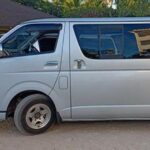
One thing to plan for is vehicle condition; one past guest flagged an older safari bus fleet. It’s worth checking that your transport is in good shape and that the viewing roof is comfortable for photos.
In This Review
- Key highlights at a glance
- Salt Lick Lodge on Stilts: Why the Overnight Matters
- Taita Hills Safari Drives: How You’ll Spend Your Two Days
- Day 1: Pick-up, road game drive, then sunset hunting
- Day 2: Early breakfast, half-day drive, then back to the coast
- Private Safari Vehicle with Pop-Up Roof: Comfort and Photo Power
- Your Guide Experience: Spotting, Behavior, and Better Sightings
- Food, Views, and the Small Extras That Add Up
- Price and Value: What You’re Really Paying For
- Pick-Up, Drop-Off, and Logistics from Mombasa and Diani
- Family Planning: The Under-5 Lodge Rule
- Potential Drawbacks and How to Reduce Risk
- Vehicle age
- Drink expectations
- Big-cat odds, not guarantees
- Who This Safari Fits Best (and Who Might Want Another Option)
- Should You Book This Private Salt Lick Safari?
- FAQ
- FAQ
- What is the duration of the private Salt Lick safari?
- Where can you be picked up for this tour?
- Is this activity private?
- What accommodation do you stay in?
- Are children allowed at Salt Lick Lodge?
- What meals are included?
- What about drinks like alcohol or soft drinks?
- What is included in the safari car?
- Are there any extra costs during holidays?
Key highlights at a glance
- Salt Lick on stilts over water holes: Sleep and watch from a lodge designed for animal viewing.
- Pop-up roof safari vehicle: Better angles and easier wildlife photography from your seat.
- Private pacing: You’re not stuck with a rushed group schedule.
- Focused game driving: Morning and late-day drives to boost your chances with big cats and other wildlife.
- Optional alternate lodge for young kids: If a child is under 5, you’ll stay at Taita Hills lodge instead.
- Strong guide energy: Example names like Benjamin and Badru show up in high-praise experiences for spotting and explanations.
Salt Lick Lodge on Stilts: Why the Overnight Matters
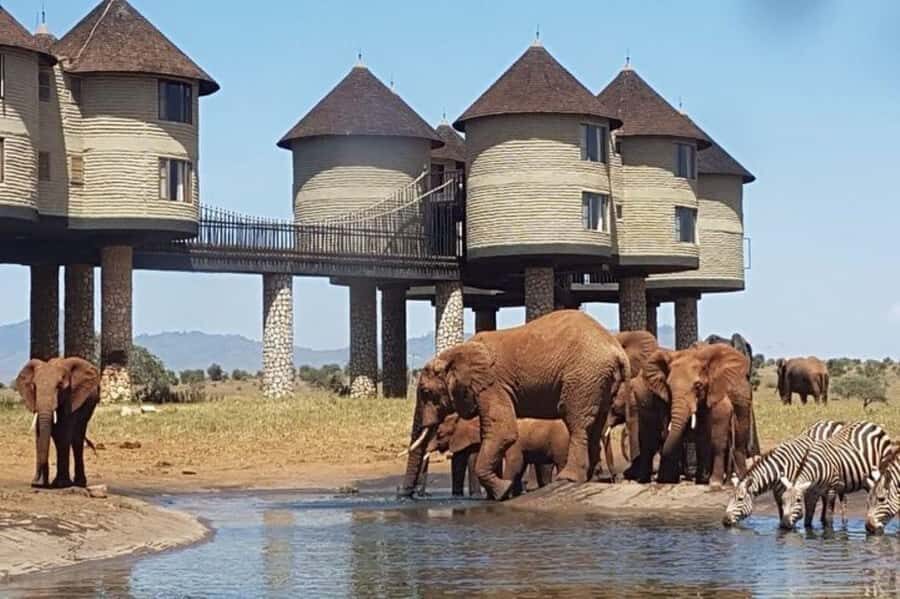
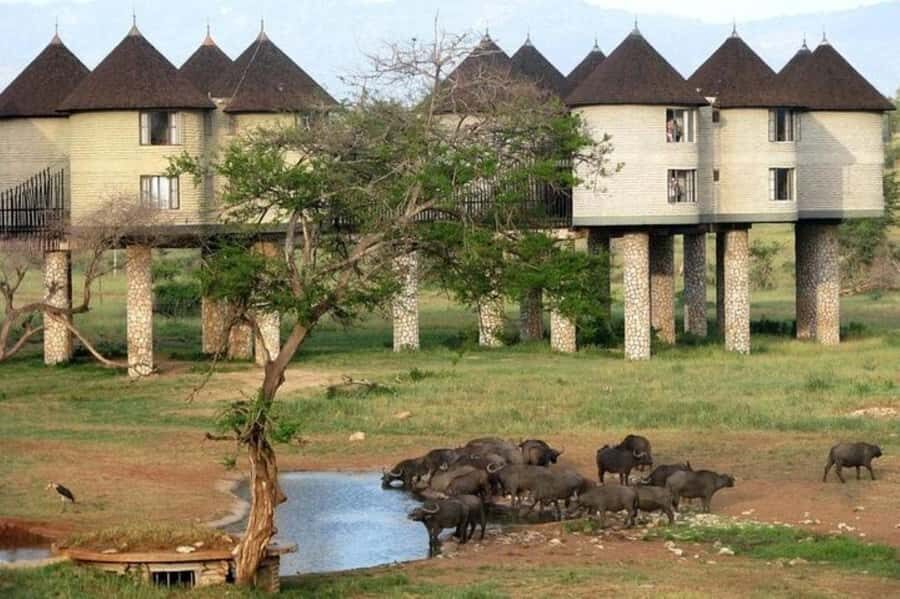
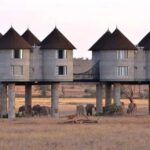
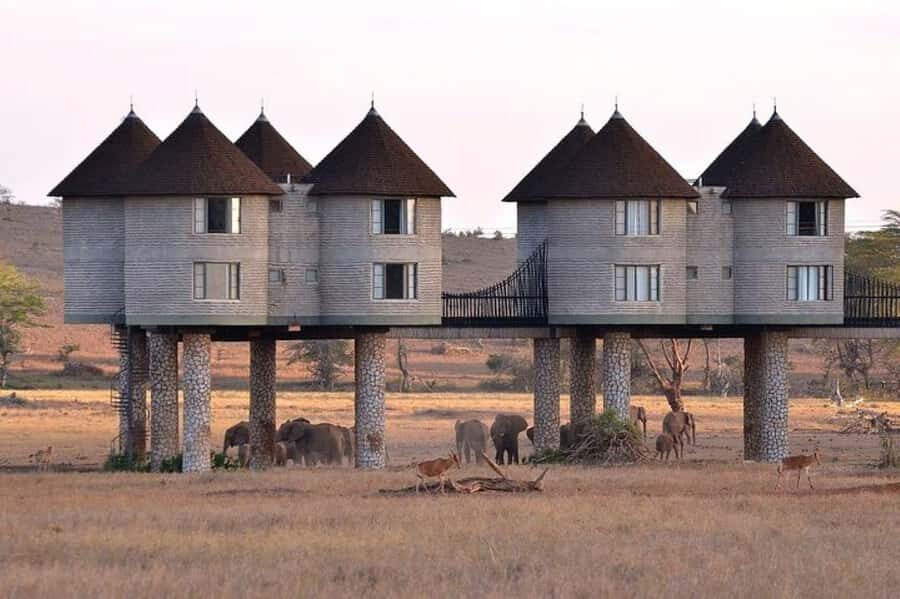
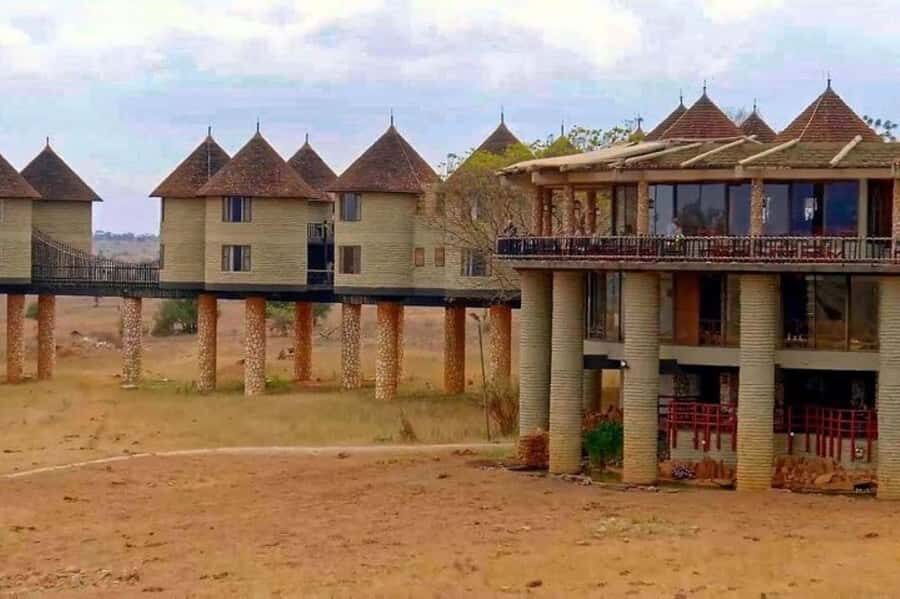
A lot of Kenya safaris feel like a day trip with a quick stop for sleep. This one is built around the lodge, especially the famous Salt Lick Lodge setup. The property is designed in rondavel forms, and it’s built on stilts over a series of water holes. That means your best wildlife moments often happen right where you wake up and right where you return for dinner.
The architecture is the other half of the magic. You get two-story towers with peaked thatch roofs, tied together by open-air bridges. From a distance, it’s easy to think of an African fantasy of a medieval fortress. Up close, the point is practical: the structure gives you panoramic sightlines over the sanctuary and the water areas, so you’re not stuck watching through fences and distance.
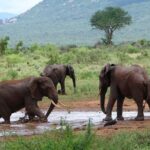
This matters for your safari value. The more time you spend near an active water hole, the more wildlife you’re likely to catch. Even when you don’t see a huge parade of animals at once, you often get repeated action: different species visiting at different hours, shifting light across the water, and that classic moment when you spot motion before you see the full body.
If you’re choosing this safari because you want the “wow” factor, the overnight is where it’s earned. A half-day drive can be great, but an overnight on a viewing-first lodge changes the pace. You’re not only chasing animals—you’re watching them use the landscape that the lodge overlooks.
You can also read our reviews of more private tours in Mombasa
Taita Hills Safari Drives: How You’ll Spend Your Two Days
Your itinerary is structured around the time of day when wildlife typically looks most active: early morning and late afternoon into sunset.
Day 1: Pick-up, road game drive, then sunset hunting
You’ll be collected from your beach hotel in Mombasa or Diani in the early morning. The drive to Taita Hills Game Sanctuary is part of the experience, not just a transfer. You’ll enjoy an amazing game drive along the way, which helps you start spotting sooner instead of waiting until you arrive.
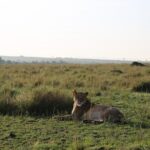
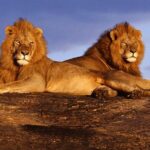
When you get to the lodge, lunch comes first. Then you get a bit of downtime before heading out again for a game drive inside the sanctuary until sunset. This is the window that often brings more dramatic sightings—especially when you’re hoping for lions and other wildlife. Late light also helps your photography, since you can get longer shadows and more flattering color without mid-day glare.
After your sunset drive, you return for dinner and overnight at Salt Lick Lodge (or Taita Hills lodge in certain child situations). Dinner at the lodge is your reset, but it’s also your chance to watch again from the property before the day fully ends.
Day 2: Early breakfast, half-day drive, then back to the coast
The second morning starts with breakfast, then you head out for a half-day game drive. Morning drives can be surprisingly productive because animals often move to feed and drink as temperatures shift.
Around noon, you depart for Mombasa with another game drive component and lunch along the way. When you reach the coast, you’ll be dropped at your beach hotel. The safari ends there, which is convenient if you want to keep the rest of your vacation unscheduled.
Practical takeaway: this is a 2-day, focused plan. It’s not built like a multi-week circuit across many parks. The trade-off is that you commit to one sanctuary experience (Taita Hills) and one standout lodge experience (Salt Lick), which is usually the more satisfying approach when you’re short on time.
Private Safari Vehicle with Pop-Up Roof: Comfort and Photo Power
This safari is private. That means you’re traveling in your own vehicle with your party, not sharing seats with strangers. It also means you can better match the pace to what you care about—like extra time to watch a water hole moment, or slowing down when the guide spots activity.
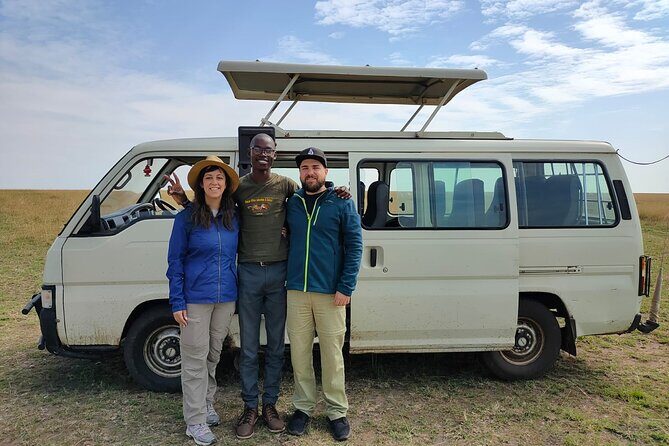
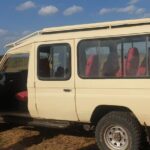
The vehicle includes a pop-up roof, built for easier viewing and photography. When the roof is up, you gain height and angle. That helps with wildlife shots, but it also helps you notice behavior—tail flicks, head movement, and how animals position themselves near water.
One caution comes from a past experience: an older vehicle fleet was mentioned as a negative point. That doesn’t mean every car is the same, but it’s a smart checklist item for you:
- Ask whether the safari car will have the pop-up roof working smoothly.
- Pay attention to comfort and seating when you settle in for the morning departure.
- If you’re sensitive to bumps, plan for a longer road day and bring any motion-comfort items you normally use.
If the vehicle is in good condition, the private setup plus pop-up roof can be a big advantage. It’s the difference between “I saw something somewhere” and “I saw it clearly, and I can follow what happened.”
A few more Mombasa tours and experiences worth a look
Your Guide Experience: Spotting, Behavior, and Better Sightings
For safari success, two things matter: time in the right places and having someone who can read the sign. The tour includes a live guide (English and French), and multiple experience highlights point to guides who actively search instead of waiting for animals to appear.
In particular, names like Benjamin show up in praise for spotting animals early and explaining how they behave and why they do it. That’s more than storytelling. When you understand the “why,” you notice details faster. You start seeing patterns: where animals pause, how they react to nearby movement, and how they position themselves around water.
It also changes your confidence. Without explanations, it can feel like randomness. With field context, you feel like you’re participating in the search rather than watching it happen at a distance.
The same goes for drivers who manage the road well. Badru was mentioned alongside Benjamin for creating a smooth overall experience from the start. In safari land, that matters because the day is long: early pick-up, road sections, multiple drives, and then the return back to the coast.
Food, Views, and the Small Extras That Add Up
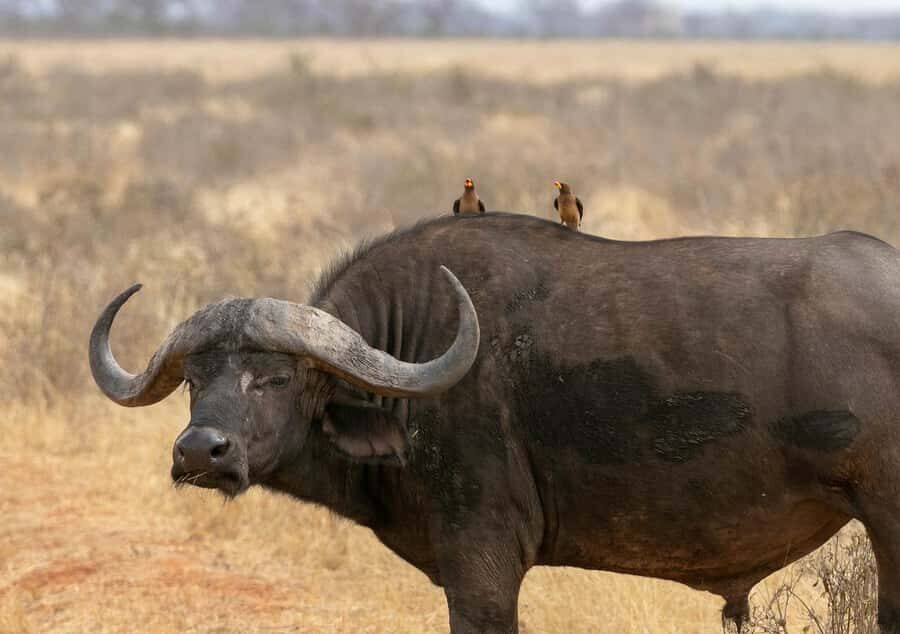
This safari includes all meals as per the itinerary. That removes a real headache when you’re traveling early and bouncing between drives. You’ll have lunch on day 1 upon arrival, then dinner and overnight at the lodge, then breakfast on day 2 before the next game drive. Lunch is also included on the return trip.
Drinking water is included in the vehicle. One review specifically mentioned still water and tea being included in the price, while soft drinks and other drinks were available for a small extra cost. That’s a helpful clue for you: you’ll likely stay comfortable on the road, but you shouldn’t assume every beverage is included.
The bigger “food” point is the timing. Because meals are handled, you can stay focused on wildlife windows. When you don’t have to hunt down a snack or guess where lunch will be, you lose less time to logistics.
And then there’s the view factor again. Salt Lick Lodge isn’t just a bed. It’s a built-in viewing station. When you’re eating or relaxing in the lodge, you’re not fully unplugged—you’re still in the wildlife rhythm.
Price and Value: What You’re Really Paying For
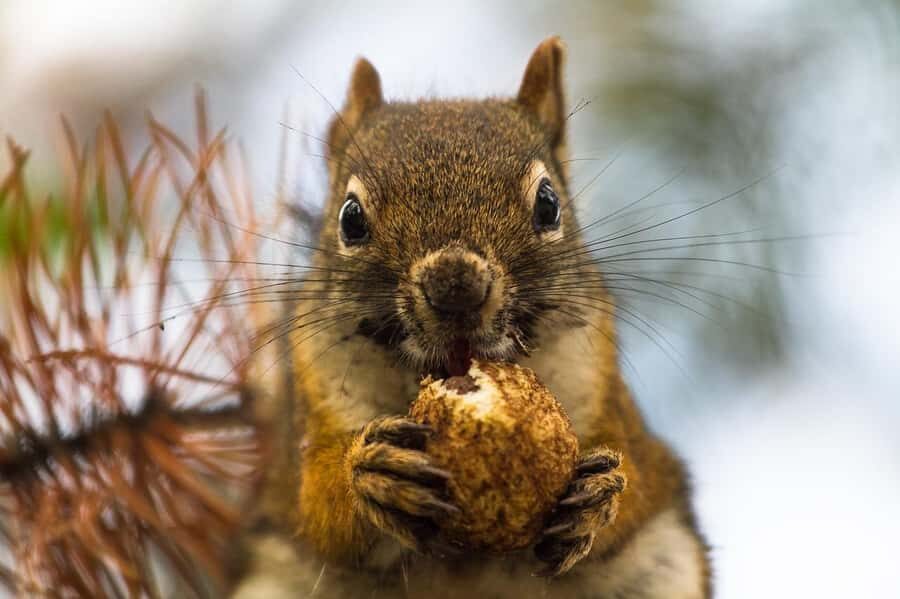
The listed price is $600 per person for a 2-day private safari. That sounds high until you break down what’s included and what you’re effectively buying.
You’re paying for:
- Private safari transport with pop-up roof for better viewing.
- Accommodation at Salt Lick Lodge or Taita Hills Resort (depending on child policy).
- All meals as per the itinerary.
- Park entrance fees.
- Hotel pick-up and drop-off, including airport and cruise port access in Mombasa.
You’re also paying for concentration. Instead of dispersing money across many parks and long travel days, you’re investing in one sanctuary and one lodge designed for viewing. That typically gives you more “quality time” outdoors.
What costs extra:
- Drinks, especially alcohol, are not included.
- Easter and Christmas/New Year supplements apply on specific dates.
Supplements to note:
- Easter supplement: $40 per person (3rd–6th April 2026)
- Christmas/New Year supplement: $40 per person (23rd December 2026–1st January 2027)
If you’re traveling during those peak windows, it’s smart to budget the extra $40 per person early so you don’t get surprised at checkout.
Bottom line on value: if you care about real wildlife time and want an overnight that’s more than just sleep, this price can make sense—especially with private guiding and viewing-focused lodge design.
Pick-Up, Drop-Off, and Logistics from Mombasa and Diani
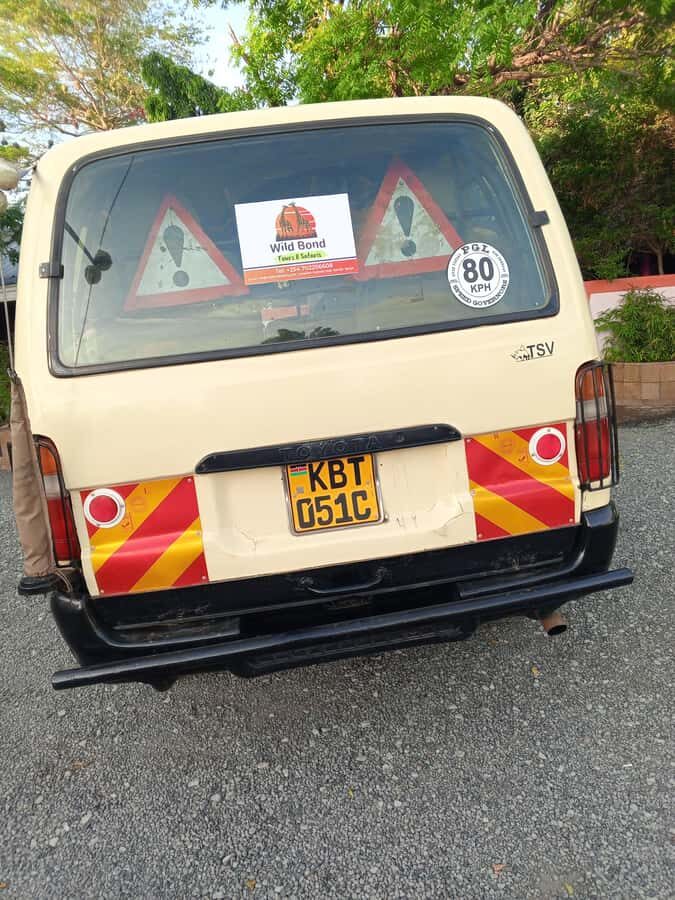
This safari is designed for coast-based travelers. You can be picked up from hotels in the Mombasa and Diani Beach area. If you’re arriving by cruise ship, there’s also pick-up from the port terminal. And if you’re starting from the airport in Mombasa, pick-up is available with no extra cost.
At the end, you’ll be dropped back at your beach hotel. That’s helpful because you’re not left figuring out transport after a long day of driving and wildlife searching.
One practical note for your morning: the pick-up is early. If you’re staying somewhere outside easy access points, it’s worth confirming the meeting location the night before so you’re not rushing in the dark.
Family Planning: The Under-5 Lodge Rule
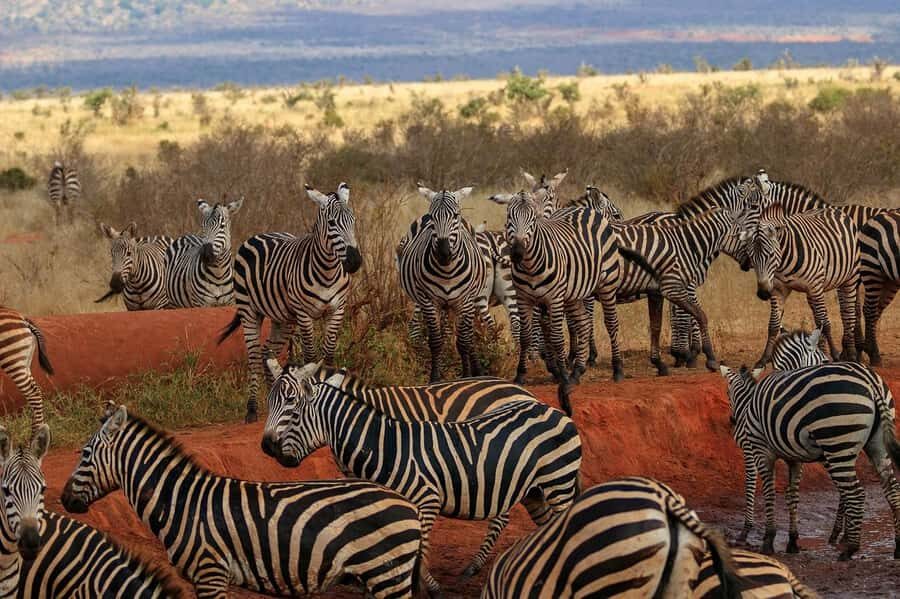
There’s an important children policy tied to safety. Children below 5 years of age are not allowed at Salt Lick Lodge due to safety reasons. If you’re traveling with a child under 5, the accommodation will be at Taita Hills lodge instead.
This is worth taking seriously for your planning. Even if a child is fine physically, the lodge policy is about safety. The good news is you’re not blocked—you’ll stay at the alternate lodge option.
If you’re traveling with young kids, ask early about which lodge you’ll have and confirm room setup that fits your family. This safari can still be a great choice; you just need the right lodging match for your ages.
Potential Drawbacks and How to Reduce Risk
Every safari has variables. Wildlife is wild, so sightings can shift day to day. But there are a few practical considerations you can control.
Vehicle age
As mentioned earlier, there’s been a complaint about older vehicles in a past experience. If you want the smoothest ride, ask ahead about the specific vehicle condition and whether the pop-up roof is easy to operate and stable.
Drink expectations
Water is included, and you may get still water and tea. But soft drinks and other drinks can cost extra. If you drink a lot of beverages during long drives, plan for that cost or bring your preferred non-alcoholic drinks if the provider allows it.
Big-cat odds, not guarantees
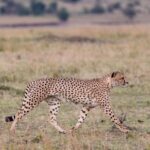
The plan aims at lions and other wildlife, but nothing promises a sighting. The safari maximizes your odds with timing and a lodge built around a water hole. You’ll get the best experience when you go in with curiosity and flexibility.
Who This Safari Fits Best (and Who Might Want Another Option)
This private Salt Lick Safari is a strong fit for:
- Couples who want a romantic, viewing-first lodge experience.
- Families traveling with kids old enough for Salt Lick (or families with younger kids who are comfortable staying at Taita Hills lodge instead).
- People who want a private guide experience and better control over pacing.
- Photography-focused travelers who care about angles, which is where the pop-up roof helps.
You might consider a different format if:
- You hate early departures and long road days.
- You want a lighter driving schedule and don’t enjoy being in a vehicle for long stretches.
- You’re traveling with young kids and would strongly prefer Salt Lick specifically, since it’s not an option under age 5.
Should You Book This Private Salt Lick Safari?
If you want a safari that balances driving with time in a lodge built for animal viewing, this is a smart choice. The strongest selling point is the Salt Lick Lodge overnight—the stilts-over-water-hole design changes how wildlife watching feels. Add a pop-up roof vehicle, morning and sunset game drives, and a guide who explains behavior, and you have a recipe for memorable sightings.
I’d book it if your top goals are lions or other big wildlife, comfortable viewing angles, and a private, coast-friendly schedule from Mombasa or Diani.
Just do two things before you go: confirm vehicle condition for comfort and bring expectations that wildlife sightings are never guaranteed—only improved.
FAQ
FAQ
What is the duration of the private Salt Lick safari?
The safari runs for 2 days.
Where can you be picked up for this tour?
You can be picked up from hotels in the Mombasa and Diani Beach area, from the cruise ship port terminal, and from the airport in Mombasa at no extra cost.
Is this activity private?
Yes, it is a private activity.
What accommodation do you stay in?
You stay at Salt Lick Lodge or Taita Hills Resort, depending on the situation. The tour notes that Salt Lick Lodge is used for eligible guests.
Are children allowed at Salt Lick Lodge?
Children below 5 years of age are not allowed at Salt Lick Lodge due to safety reasons. If you travel with a child under 5, accommodation will be at Taita Hills lodge instead.
What meals are included?
All meals as per the itinerary are included.
What about drinks like alcohol or soft drinks?
Drinks are not included, and alcohol is listed as not included. Still water and tea are mentioned as being included, while other drinks like soft drinks may be available for an extra charge.
What is included in the safari car?
Transport is provided in a proper safari vehicle with a pop-up roof for easier game viewing and photography, plus drinking water in the car.
Are there any extra costs during holidays?
Yes. A $40 per person supplement applies for Easter (3rd–6th April 2026) and for Christmas/New Year (23rd December 2026 to 1st January 2027).