REVIEW · MOMBASA
Mombasa: Private City Tour with Fort Jesus & Haller Park
Book on GetYourGuide →Operated by Natives Tours & Transfers · Bookable on GetYourGuide
Fort Jesus plus giraffes in one day. It’s a Mombasa day that links Elephant Tusks to the Portuguese fort and the coastal trading story. You’ll get a guided run through the sights, plus time to slow down in the old streets and markets.
What I like most is how Fort Jesus turns big names into real places you can picture. Another standout is the afternoon at Haller Park, where the animal viewing feels timed and hands-on rather than just a drive-by.
One thing to plan for: it’s a long 7–9 hours with a mix of walking and road time. If your pickup timing or meeting point is fuzzy, the day can feel rushed fast, so I’d confirm details the evening before.
In This Review
- Key Highlights You’ll Actually Feel
- From Ivory-Trade Symbols to Fort Jesus in One Straight Day
- Elephant Tusks and Mama Ngina Drive: The Easy Win for First-Time Context
- Temple Calm in the Middle of a Port City
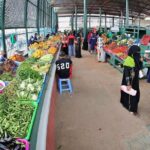
- Spice Market and Kibokoni Old Town: Where the City Feels Real
- Entering Fort Jesus: The Portuguese Fortress You Can Actually Picture
- Lunch at a Beach/Creek-Style Spot: Simple, Included, and Worth Waiting For
- Haller Park: Feedings, Reptiles, and a Proper Afternoon Break
- Akamba Handicraft Workshop Option: Buy Smart, Not Random
- How the Private Driver-Guide Makes (or Breaks) the Day
- Price and Value: What You’re Really Paying For
- Who This Tour Suits Best
- Should You Book This Mombasa Private City Tour?
- FAQ
- What areas in Mombasa are included for pickup?
- How long does the tour last?
- What does the price include?
- Is breakfast or dinner included?
- Who provides the guiding during the main stops?
- What will you see at Haller Park?
- Can I choose between Haller Park and souvenir shopping?
- Is the tour wheelchair-friendly or suitable for pregnant women?
Key Highlights You’ll Actually Feel
- Elephant Tusks (Pembe za ndovu): a photo stop tied to the ivory trade era and even shown on the 50 ksh note
- Fort Jesus guide time: Portuguese-era fortress (1593–1596), designed by Italian Giovanni Battista
- Kibokoni Old Town stroll: spice market sights plus mosques and colonial-era buildings
- Lunch included: seafood or chicken (vegetarian on request), served in an old-town beach/creek-style restaurant
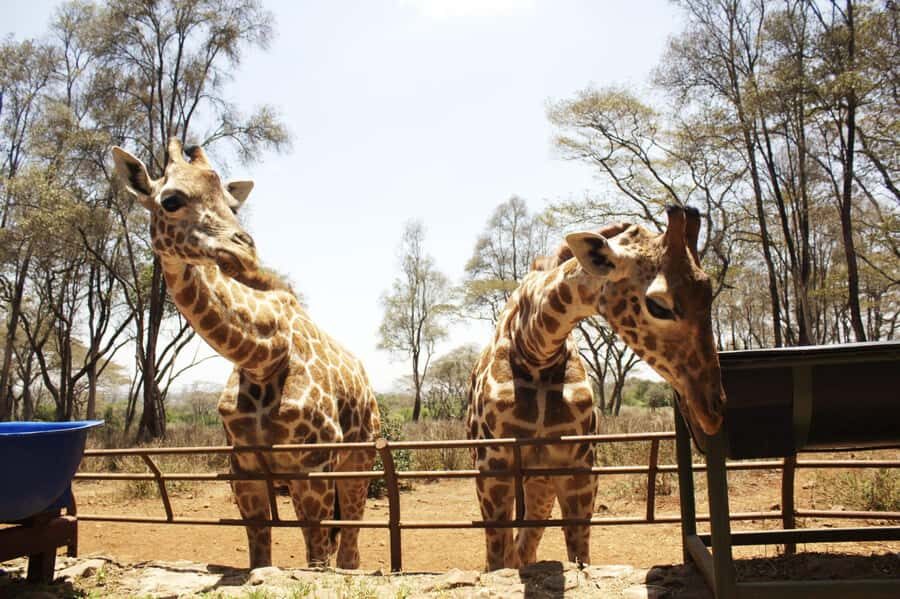
- Haller Park feedings + reptile park: giraffes, hippos, crocodiles, plus birds and more wildlife
- Akamba Handicraft option: see wooden carvings made, then buy with potential shipping abroad
From Ivory-Trade Symbols to Fort Jesus in One Straight Day
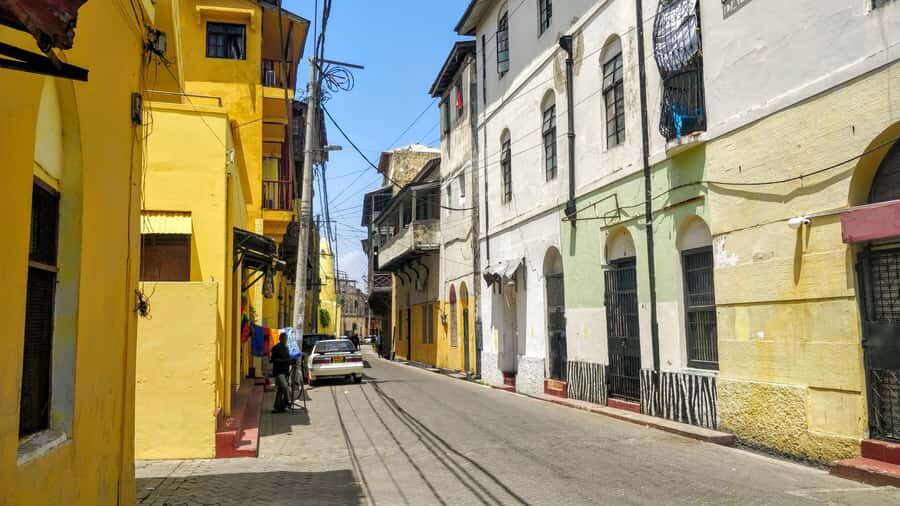
This is the kind of tour that makes Mombasa feel connected instead of chopped into separate boxes. You start with the city’s signature “symbol language,” then move into the fortress that helped control the old port, and you finish with wildlife viewing just south of the city.
I like that the pace is structured: short drives to set you up, guided stops where you’ll learn, and on-foot time where you’ll pick up atmosphere. It’s also a private format, so you’re not wrestling with a large group to hear explanations or find your guide.
Before you get deep into museums and old streets, you’ll make a key landmark stop for photos and context.
You can also read our reviews of more city tours in Mombasa
Elephant Tusks and Mama Ngina Drive: The Easy Win for First-Time Context
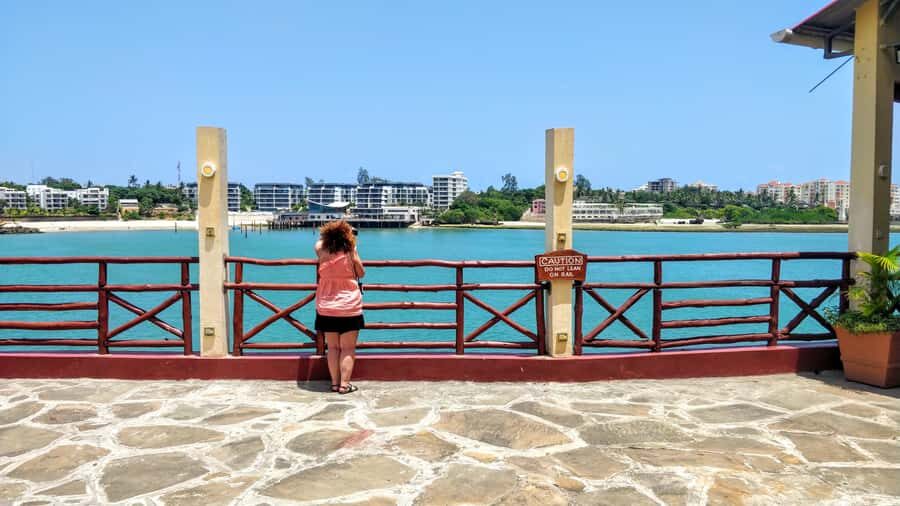
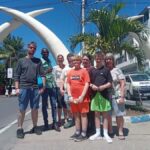
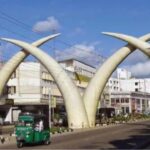
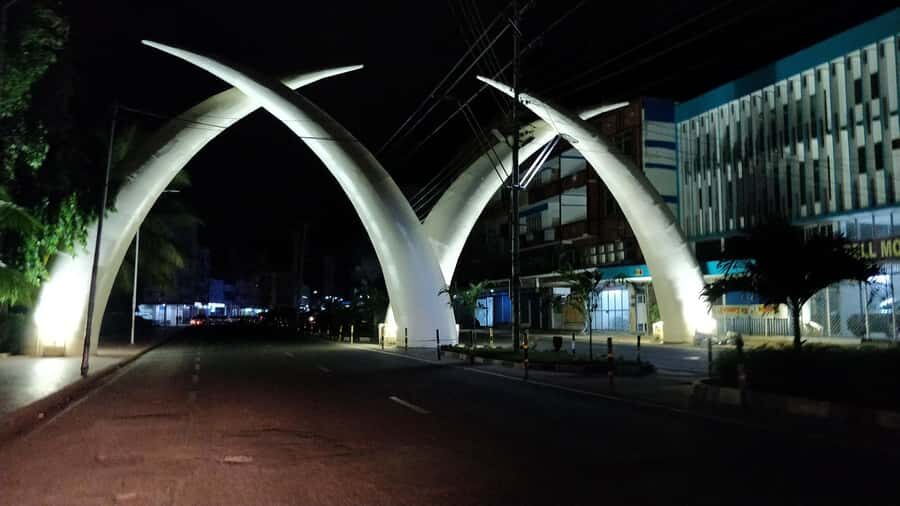
Your day kicks off with pickup from your hotel area (options include Nyali, Diani Beach, the Island, Kikambala, Mtwapa, Kilifi, Shanzu, or Vipingo). From there, you’ll drive toward Mombasa City Center, with scenic road views along the way, and stop at the famous Pembe za ndovu (Elephant Tusks).
Here’s what makes this stop worth it: the tusks aren’t just pretty. They symbolize Mombasa as the gateway to ivory trade during the Arab trade era. And yes, you can also find the Elephant Tusks on the back of the 50 ksh old denomination note—nice extra detail if you like learning through everyday things.
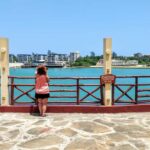
Then you’ll travel via Mama Ngina Drive, where the view and the photo opportunities help you orient yourself to the city. Even if you don’t consider yourself a “landmark person,” this is the moment that tells you where the story is heading.
Temple Calm in the Middle of a Port City
After the tusk photo stop, the tour heads to the Shree Cutch Satsang Swami Narayan Temple. This is a newer sect of Hinduism of Indian origin, and the Mombasa temple reflects how communities established places of worship far beyond India.
I find temple visits like this useful on a city tour. Fort Jesus and old streets give you one side of Mombasa’s identity; a religious site like this gives you another. You get a calmer moment before the day turns into markets and narrow lanes.
It’s not a long stop, but it’s a meaningful one. And because it’s guided, you’re not just looking at architecture—you’re learning what makes it part of Mombasa today.
Spice Market and Kibokoni Old Town: Where the City Feels Real
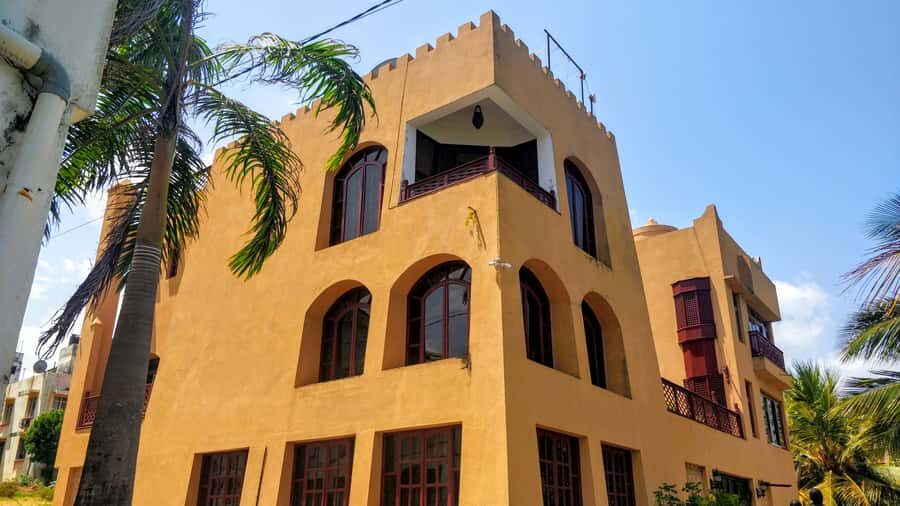
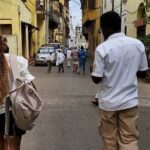
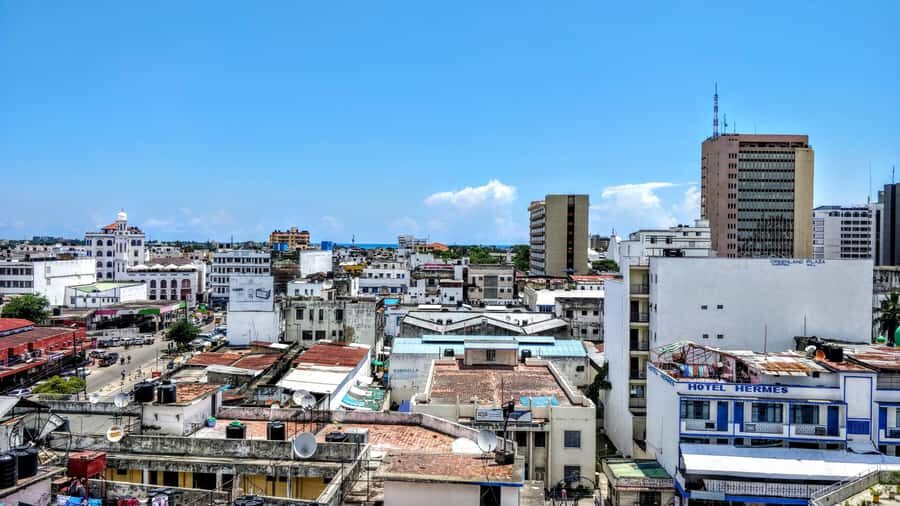
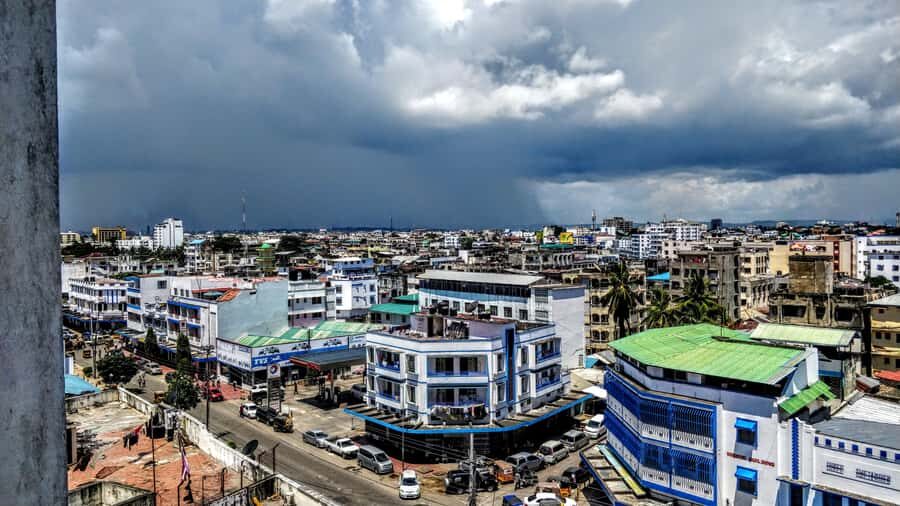
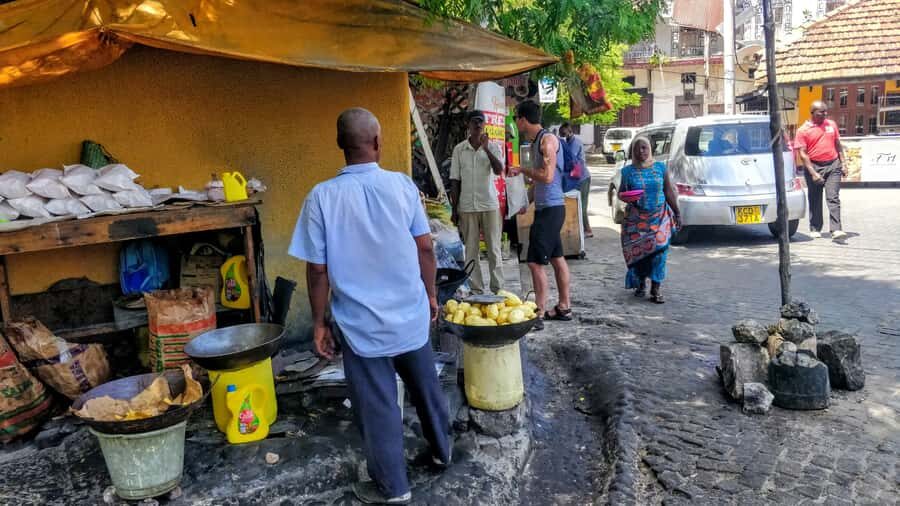
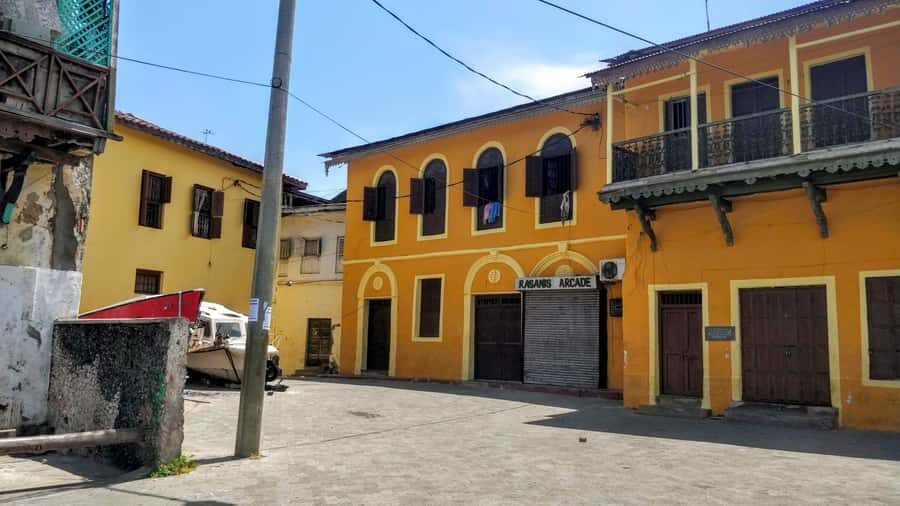
Next comes the walk into the old quarters, including the spice market area and the historical narrow streets locals know as Kibokoni. This is the part where the city tour becomes more than sightseeing.
On foot, you’ll pass through places tied to the coastal way of life—old colonial houses and mosques, plus the kind of street layout where you can feel centuries stacking up. Along the route, you’ll also pass recognizable spots such as the Mombasa Club, Africa Hotel, Mandhry Mosque, Government Square, and the Old Port.
Two practical notes for this section:
- Wear comfortable shoes. The old town walking is short, but the ground and turns can be uneven.
- Expect heat and sun. Bring sunscreen and a hat, since you’ll be outside during the daytime.
This is also the area where a great guide makes a difference. In past trips with guides like Ismael, the explanations tend to connect the market and streets to the larger coast story, not just list what you’re seeing.
Entering Fort Jesus: The Portuguese Fortress You Can Actually Picture
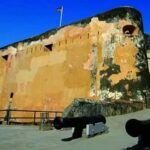
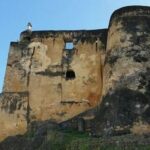
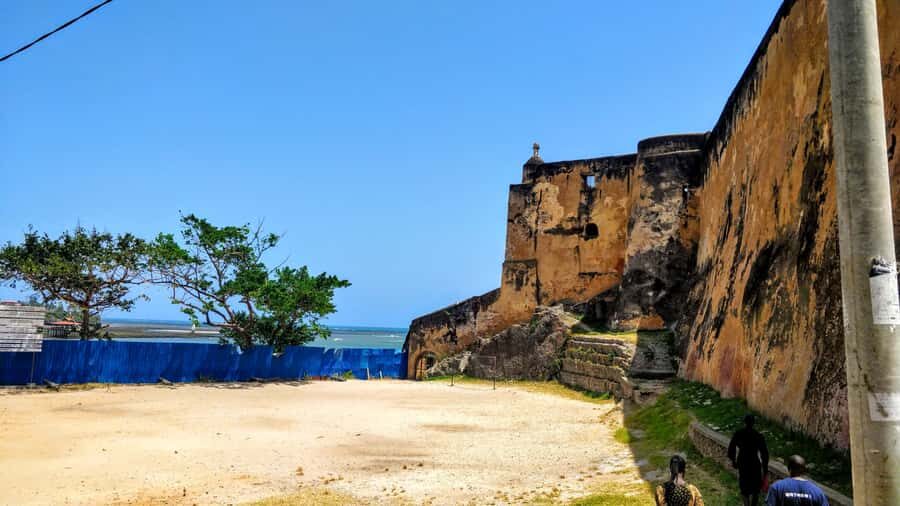
Then you reach the main event: Fort Jesus Museum. This is the fortress built between 1593 and 1596 by order of King Philip of Portugal, designed by the Italian Giovanni Battista, and built to guard the old port of Mombasa.
What I love here is the combination of scale and clarity. Forts can feel intimidating when you don’t know what to look for. On a guided visit, you’ll get the storyline built directly into the structure—why it was there, what it protected, and how that fits into the coastal trading era.
The visit includes museum time with a Fort Jesus guide, so you’re not just wandering rooms. You get cultural and historical context about Mombasa and the coastal region, with the guide helping you connect the big picture to what you see in front of you.
It’s also a good “reset” after the walking and streets. You go from city texture to walls, angles, and curated storytelling.
You can also read our reviews of more private tours in Mombasa
Lunch at a Beach/Creek-Style Spot: Simple, Included, and Worth Waiting For
Lunch is included and served at a restaurant in the old town area—listed as Fort seafood & pizzeria in the included details, and experienced as a beach/creek-feel stop in practice. You’ll have one dish per person, with choices typically seafood or chicken. Vegetarian options can be prepared on request.
I think this kind of included lunch is where value shows up. You’re not hunting for food between stops, and it keeps the day moving. Plus, it’s a chance to eat in the same general part of town you’re exploring, rather than disappearing back to your hotel.
One caution: lunch can take time depending on timing. If you’re sensitive to schedule pressure, plan your expectations for a slightly slower midday window, especially before the afternoon wildlife portion.
Haller Park: Feedings, Reptiles, and a Proper Afternoon Break
After lunch, you’ll head to Haller Park, formerly Bamburi Nature Trail, located south of the Bamburi cement plant along the Mombasa–Malindi highway.
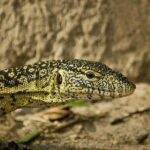
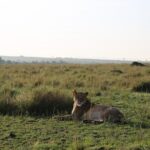
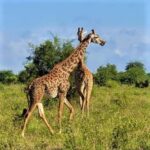
This park has an origin story that makes the visit feel purposeful: since 1971, it has worked to convert barren disused limestone quarry land into a mix of forest, grasslands, and ponds. Today, it hosts a range of wildlife including hippos, giraffes, buffaloes, antelopes, plus smaller mammals and birds.
The main reason people get excited is the feeding schedule. The tour description highlights feeding opportunities for giraffes, crocodiles, and hippos. In real-world timing, you might catch one or another feeding moment depending on the day’s schedule, and some people report crocodile feeding moments when giraffe feeding didn’t line up.
Either way, Haller Park feels more interactive than generic zoo time:
- You’re watching real animals at close range
- The viewing is timed with scheduled feeding windows
- Reptiles and a broader wildlife mix keep it from becoming repetitive
Bird lovers also tend to appreciate the park’s mix of species, so bring binoculars if you have them (not required, but it can help if you’re into that sort of thing).
Akamba Handicraft Workshop Option: Buy Smart, Not Random
After lunch, you can choose an alternative to Haller Park: Akamba Handicraft.
This is a local association of artisans that manages the production and sale of wooden carvings and other souvenirs. The experience includes walking through the workshop to see how the pieces are made. If you’re the type who likes to buy with a story, this is a good way to understand what you’re purchasing rather than grabbing souvenirs on autopilot.
Then you get time to shop for carvings and other items you like. The tour information also notes that they can ship items abroad, which can save you from the classic “I bought too much” travel stress.
If you’re traveling with kids, or you just want a calmer afternoon after museum and walking, Akamba can be the easier option. If you’re more animal-focused, stick with Haller Park.
How the Private Driver-Guide Makes (or Breaks) the Day
This tour is private, with round-trip private transportation and an English-speaking live guide. Pickup is from the entrance of your residence or reception area at your hotel, which is a big help if you don’t want to figure out meeting points on your own.
In some experiences, the driver named Jimmy is praised for being patient and calm, while guides like Fahmy are singled out for being particularly strong at explanations. Another guide name that comes up is Ismael, appreciated for communication and effort to show and explain.
Still, the real-world risk is not the content—it’s logistics. A long day with multiple stops means you need everyone in the right place at the right time. If your pickup time changes or you don’t recognize the meeting spot, you can lose momentum.
My advice: before the tour day, confirm the pickup time and where exactly the driver will wait at your accommodation. Bring a phone number you can use quickly, and don’t rely only on the app if it’s been inconsistent.
Price and Value: What You’re Really Paying For
At $129 per person for 7–9 hours, this is not a “grab-and-go” city walk. The price covers round-trip private transportation, all fees and taxes, and guided time at Fort Jesus and Haller Park. You also get lunch (including a dish per person) and basic drinks: 1 bottle of water and 1 bottle of soda during lunch.
So you’re paying for three things you’d otherwise have to assemble yourself:
1) Guided museum and park interpretation
2) Organized time between stops
3) Transportation that keeps you from piecing together taxis, entrances, and schedules
Could you do it cheaper on your own? Sometimes, yes. But if you want a smoother day with clear context—especially at Fort Jesus and in old town—that value starts to make sense quickly.
Who This Tour Suits Best
This tour fits you if you want:
- A guided port-city story that connects landmarks, old streets, and Fort Jesus
- A full afternoon option with wildlife feedings and reptile viewing at Haller Park
- A private setup where the driver and guide can slow down for your questions
It’s likely a stretch if you dislike long sitting in a vehicle between stops, since the day includes drives plus walking segments. It’s also not suitable for wheelchair users and not suitable for pregnant women, based on the tour’s limits.
Should You Book This Mombasa Private City Tour?
I’d book it if you want one day that covers the big “why” behind Mombasa—the ivory trade symbolism, the old-port fortress, and the living wildlife side of the region. The combo of Fort Jesus with a real guide and Haller Park feedings is the reason this tour holds attention.
I’d be cautious if your schedule is tight or you’re the type who gets anxious about time. Confirm pickup details early, wear good shoes, and plan for a full day.
If you do that, you’ll end the day with a stronger sense of Mombasa than you’d get from a quick sightseeing loop.
FAQ
What areas in Mombasa are included for pickup?
Pickup is available from Nyali, Diani Beach, Island, Kikambala, Mtwapa, Kilifi, Shanzu, and Vipingo.
How long does the tour last?
The tour duration is listed as 7–9 hours.
What does the price include?
It includes round-trip private transportation, all fees and taxes, Fort Jesus entrance fee and guide, Haller Park entrance fees and guide, lunch (one dish per person) at Fort seafood & pizzeria, 1 bottle of drinking water, and 1 bottle of soda during lunch.
Is breakfast or dinner included?
No. Breakfast, dinner, snacks, coffee or tea, and alcohol are not included.
Who provides the guiding during the main stops?
You’ll have an English live tour guide. Fort Jesus and Haller Park each have an included guide as part of the visit.
What will you see at Haller Park?
Haller Park includes wildlife viewing, with feeding time mentioned for giraffes, crocodiles, and hippos. The park also includes reptiles and a variety of other animals and birds.
Can I choose between Haller Park and souvenir shopping?
Yes. After lunch, you can choose either Haller Park (timed for feedings) or a visit to Akamba Handicraft for workshop viewing and shopping.
Is the tour wheelchair-friendly or suitable for pregnant women?
No. The tour is not suitable for wheelchair users or pregnant women.
If you tell me where you’re staying (Nyali, Mtwapa, Shanzu, Island, Diani, etc.), I can suggest the best way to plan the day around heat, walking comfort, and which afternoon option makes more sense for you.