REVIEW · MOMBASA
Full Day Private Tour of Tsavo East National Park from Mombasa
Book on Viator →Operated by Perfect Safaris · Bookable on Viator
Five-thirty starts, safari magic. This private day trip pushes out from Mombasa to Tsavo East National Park for serious wildlife time, then adds the famous Aruba Dam stop for animal viewing at water. It’s long, but the rhythm of morning driving plus a midday break makes it feel efficient.
I like two things a lot. First, the pop-up roof safari vehicle gives you easy viewing for elephants, lions, and giraffes without doing a neck workout. Second, you’re with a professional English-speaking guide, and that matters when you’re trying to spot movement, read tracks, and understand what you’re looking at through a long day.
One thing to plan for: this is a 15-hour long haul. Roads can be bumpy, traffic can hit on the way back, and Tsavo East is huge—so sightings depend on where animals are that day (and on heat).
In This Review
- Quick hits you’ll feel on the day
- Value and the real meaning of a private Tsavo East day
- The 5:30 am launch: getting into Tsavo before the heat wins
- First game viewing window: from red elephants to man-eaters legends
- Aruba Dam: the short stop that often does heavy lifting
- Lunch inside the Tsavo East area: refuel without losing the safari mood
- Comfort, safety, and that bumpy-road reality
- When wildlife sightings don’t match your wishlist: how to keep it a win
- Extras that might show up: Maasai Village and small detours
- Who should book this Tsavo East private tour?
- Should you book? My practical call
- FAQ
- What time does pickup start?
- How long is the tour?
- Is this a private tour?
- What’s included for tickets and entry?
- What vehicle do I ride in?
- Is lunch included?
- Are bottled water and drinks included?
- Does Aruba Dam have a dedicated stop?
- Do I get a mobile ticket?
- Can I cancel for a full refund?
Quick hits you’ll feel on the day
- Early start at 5:30 am: you reach the park before the day gets loud and hot.
- Tsavo East game viewing from the first gate: you’re not stuck waiting around.
- Pop-up roof for better spotting: easier photos and a calmer viewing experience.
- Aruba Dam focus with dry-season wildlife odds: water draws animals.
- Lunch included inside the park area: less scrambling, more time watching.
- Private tour, just your group: you’re not sharing the day with strangers.
Value and the real meaning of a private Tsavo East day
At $315 per person, this tour isn’t cheap, so you’ll want to know what you’re paying for. The price covers the big essentials: park entrance, hotel pickup and drop-off, transport in a customized safari vehicle with a pop-up roof, lunch at a lodge in the Tsavo East area, bottled drinking water, and a professional English-speaking guide.
That bundle is the value piece. Without it, you’d be piecing together a vehicle, a driver, park fees, and time. Here, you’re buying one coordinated day so you can focus on the wildlife, not logistics.
And because it’s a private tour, your guide can adjust the day to what’s working—like lingering longer at promising sightings, or shifting where you look when you hear about animal activity from other drives. That flexibility is especially useful in a park as big as Tsavo East.
You can also read our reviews of more private tours in Mombasa
The 5:30 am launch: getting into Tsavo before the heat wins
Pickup is 5:30 am, and you’ll head from Mombasa along the road toward the park. Morning matters here. In the early hours, animals tend to be more active and easier to spot, especially when the light is softer and the drive feels less like a furnace.
You’ll do a short stop before entering the park via Bachuma Gate. That brief pause is practical—it helps you settle in, use the restroom, and be ready for your first game viewing window.
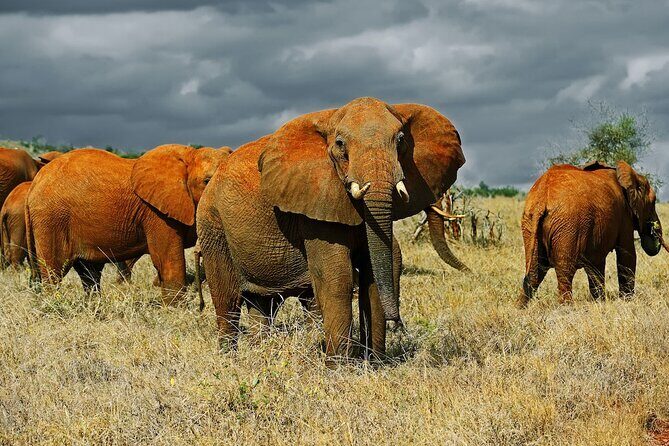
Once you’re inside, your guide works the route with the goal of maximizing sightings. Based on what people describe from these days, you’ll likely spend real time scanning for the park’s headline animals—then you start catching the smaller stuff too: antelopes, zebras, and the birds that show up when you slow down and look closely.
First game viewing window: from red elephants to man-eaters legends
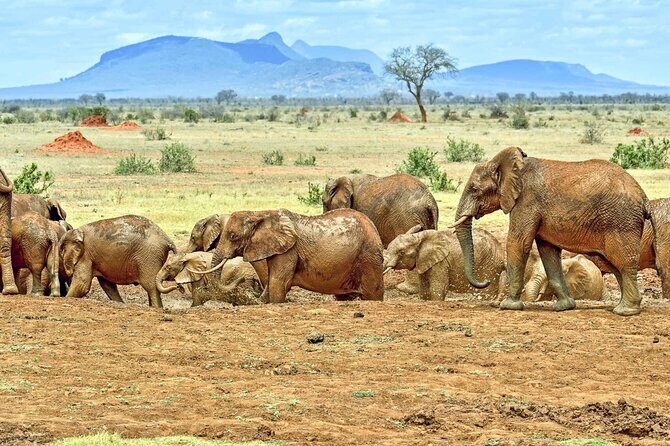
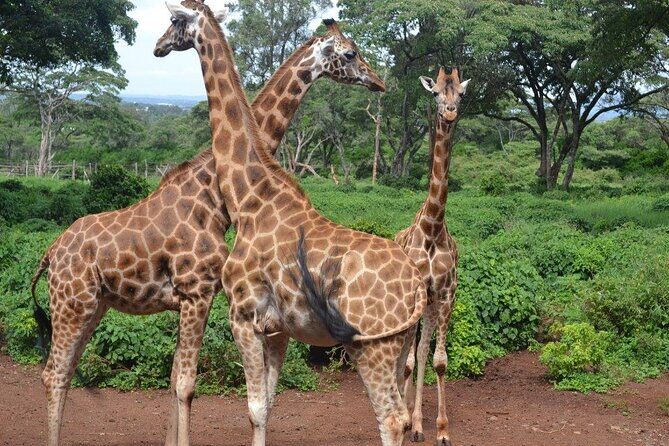
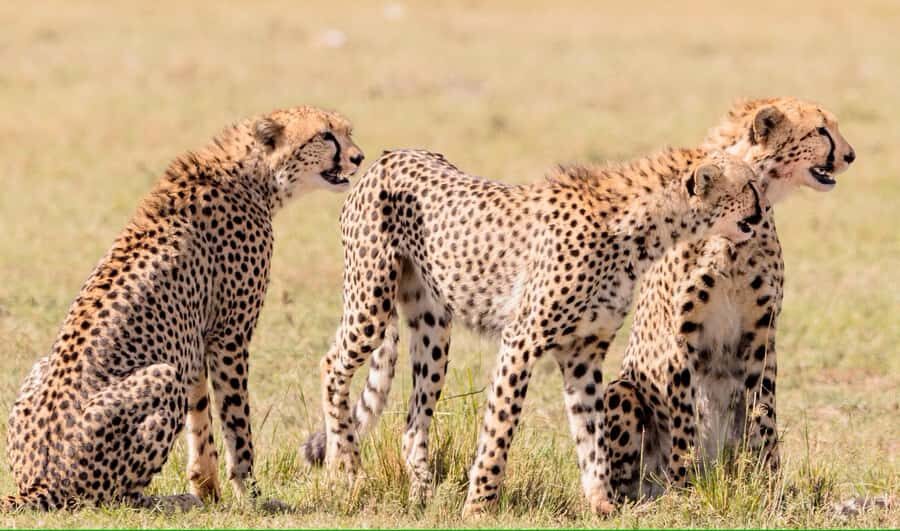
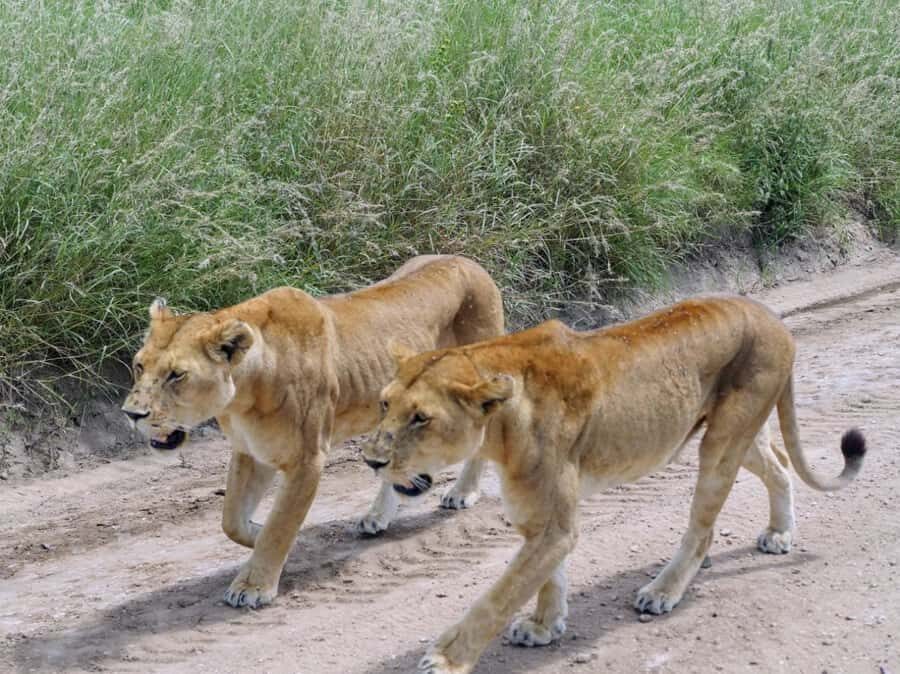
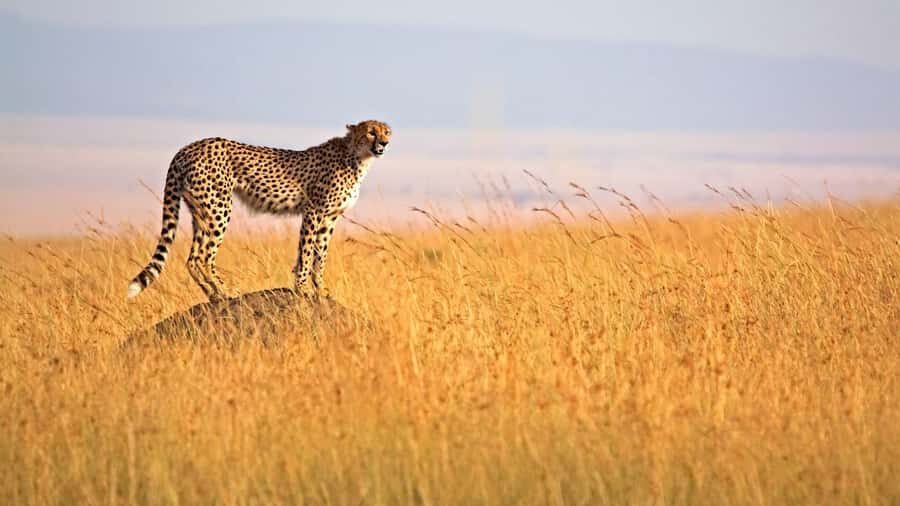
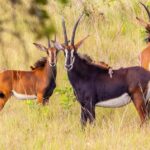
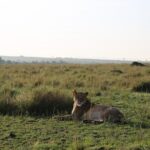
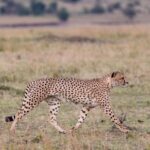
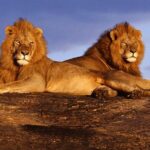
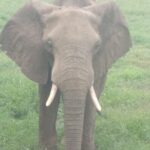
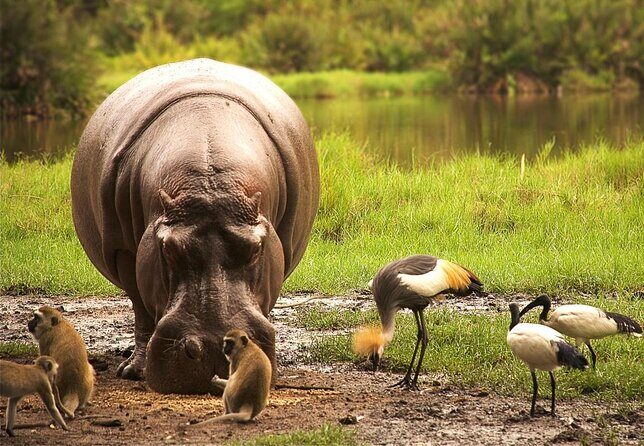
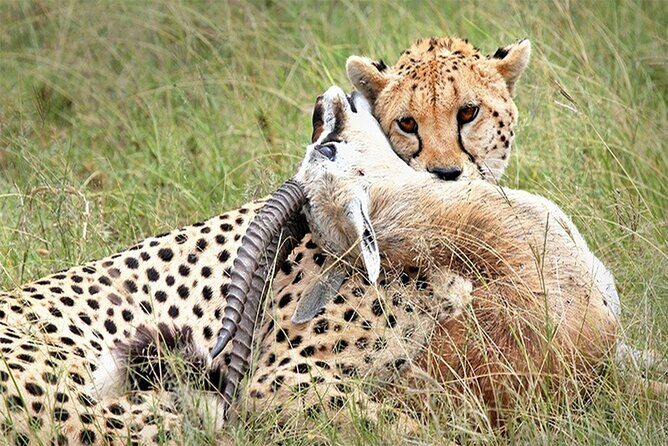
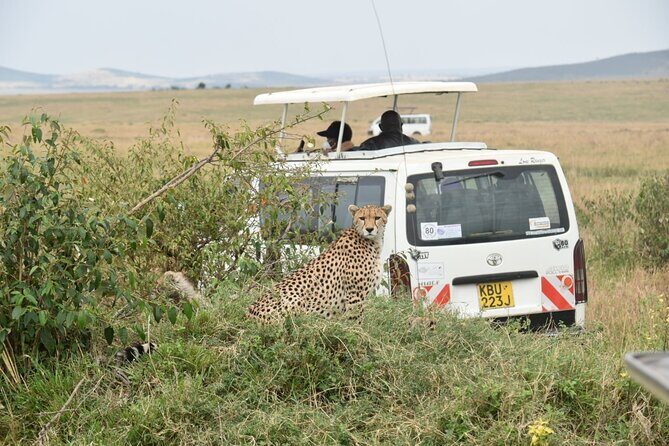
Tsavo East is known for big herds of elephants and for large cats—lions are a key reason people plan a trip to this park. You’ll start your day looking for elephants, lions, cheetahs, buffalo, giraffes, zebras, and plenty of antelopes. Even if you don’t get the exact animal you hoped for, this first stretch is where you build momentum: you learn the park’s rhythm, and your eyes wake up.
Two tips make this part of the day better for you:
- Dress for the bumpy road: even when conditions vary, Tsavo East days can feel rough. Lightweight layers are smart, and secure your camera gear so it doesn’t bounce.
- Look for behavior, not just animals: motion, grouped feeding, and waterward travel often tell you what might be around the next bend.
You’ll also notice the park’s reputation shows up in the way your guide thinks. When people mention guides who call out sightings early and help you understand what you’re seeing, that’s usually what’s happening: they’re reading signs faster than the average driver.
Aruba Dam: the short stop that often does heavy lifting
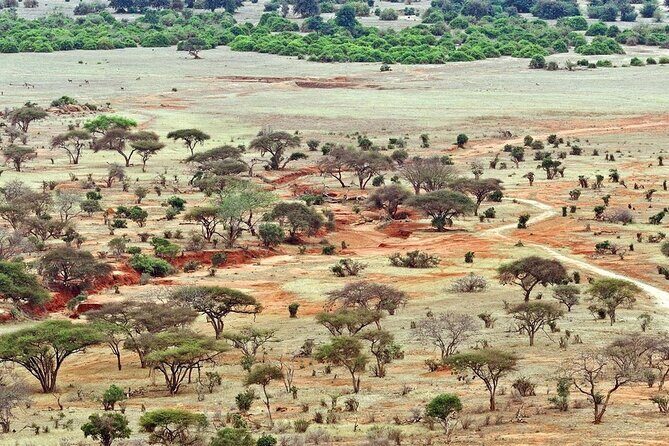
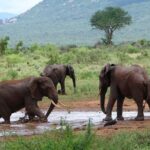
After your first game viewing stretch, you’ll head to Aruba Dam, with about 20 minutes set aside for that stop. The dam is famous because wildlife concentrates there—especially in the dry season, when water sources elsewhere get scarce.
This is a good example of why timing matters on a safari. A short stop can feel worthwhile when it’s placed at a predictable resource. If animals are coming in to drink, you get multiple chances to spot them: elephants shifting in the distance, buffalo lingering near the edges, and smaller creatures moving through the same corridor.
One practical note: since Aruba Dam time is limited, arrive ready to look the moment you stop. Don’t plan to chat through the viewing window—use the time like a pro: scan, then focus.
Also, the dam stop is listed as admission free, so you’re not paying extra just to see the waterhole area.
Lunch inside the Tsavo East area: refuel without losing the safari mood
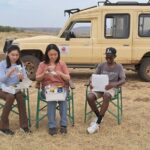
Lunch is included, and it’s served at a lodge in the Tsavo East park area. For a day this long, that’s a real comfort win. You don’t want a safari where lunch becomes a travel problem.
I also like that bottled drinking water is included. It sounds basic, but in a full-day outing it makes a difference—especially when you’re outside for long stretches and you’re managing your own hydration.
To keep your energy steady after lunch, I’d plan for heat. Some days are warmer than expected, and when it’s hot, animals can pull farther back and sightings can thin out. That doesn’t mean your guide did anything wrong; it’s just animal behavior and heat physics.
A few more Mombasa tours and experiences worth a look
Comfort, safety, and that bumpy-road reality
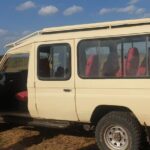
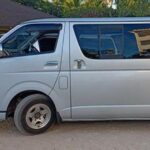
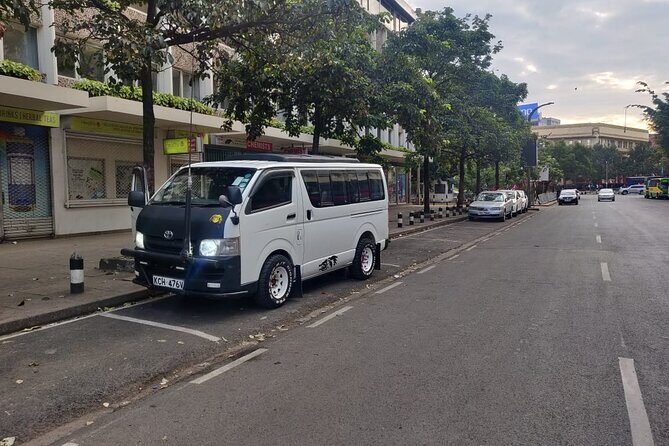
This tour runs in a customized safari vehicle with a pop-up roof—excellent for viewing, but it won’t magically erase rough roads. If you’re prone to motion sickness, consider taking precautions before you’re out on the road for hours.
A few people also mention road discomfort and bumpy stretches. Others praised guides for staying on top of the situation when issues popped up—like a tyre inflation problem that was handled during the day. The takeaway for you: a good safari operator isn’t only about spotting wildlife; it’s about handling normal vehicle wear in remote areas.
Safety is a big part of why guides matter. You’ll see names showing up in positive stories: Hemed, Benjamin, George, Katana, John, and Patrick. Different names, same theme—sharp driving, good communication, and a focus on getting you through the day safely and on time.
When wildlife sightings don’t match your wishlist: how to keep it a win
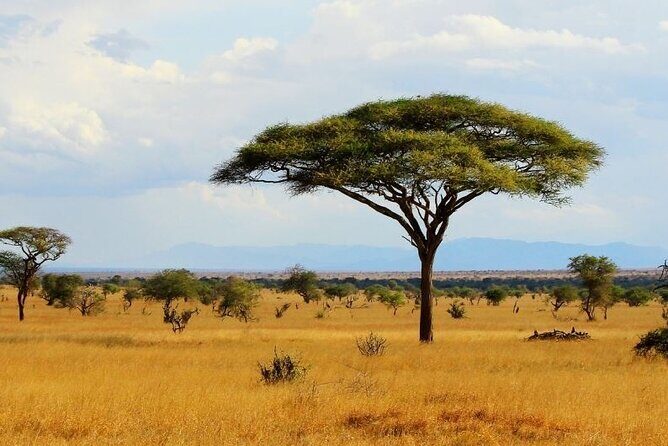
Tsavo East is big. That means sightings depend on where animals decide to be that day. Even on a well-run safari, you can’t force a lion to appear.
Some days deliver almost everything people hope for—elephants, lions, and multiple species in good viewing windows. Other days can feel lighter, especially when heat pushes animals into more shaded areas or when your route spends time positioning where animals are most likely to show.
This tour can still be a win if you go in with the right mindset:
- Celebrate variety, not just the big cats: giraffes, zebras, buffalo, and antelopes add up when you’re watching real behavior.
- Trust the guide’s logic: when the guide shifts based on what’s happening, it’s not randomness—it’s responding to animal movement.
- Know that one day is one day: if you only have time for a day trip, you’re sampling the park, not covering it all.
If you want the best odds for the animals you dream about, consider adding an extra day in Kenya. But if your schedule is tight, this private format is a strong way to make a short safari feel full.
Extras that might show up: Maasai Village and small detours
One thing I’d watch for: an additional stop at a Maasai Village sometimes appears on these kinds of day outings, and it can come with an extra charge. The fact that it may happen means you should keep some cash or card flexibility if you’re interested—and say yes or no based on what you want to prioritize.
The main point: don’t plan your entire day around a side stop. Keep the focus on the wildlife windows, especially the dam and the time inside the park.
Who should book this Tsavo East private tour?
This is a great fit if:
- You want a full wildlife day without planning. Hotel pickup, park fees, transport, lunch, and guide are handled.
- You care about comfort during long hours, especially with a safari vehicle designed for viewing from inside.
- You travel with a group that benefits from private flexibility (you can move with your guide’s decisions, not a fixed group timetable).
It might not be your best match if:
- You hate long drives. This is roughly 15 hours, and the road back to Mombasa can be slower if traffic stacks up.
- You need guaranteed sightings. In big parks, even the best day can be weather- and luck-dependent.
Should you book? My practical call
If you’re staying in Mombasa and you want one day that hits the highlights—Tsavo East wildlife in the morning plus Aruba Dam waterhole viewing—this tour makes solid sense. The included lunch, bottled water, English-speaking guide, and park entrance fee make it more cost-effective than trying to assemble it yourself.
I’d book it if you’re flexible about what you see and you’re prepared for a long day with possible bumpy stretches. I wouldn’t book it if your idea of value is multiple guaranteed predator sightings—Tsavo East doesn’t work that way.
One final pro move: pack for heat and road comfort, bring your patience for traffic, and treat the dam stop as a quick, intense viewing moment.
FAQ
What time does pickup start?
Pickup starts at 5:30 am.
How long is the tour?
The duration is about 15 hours.
Is this a private tour?
Yes. It’s a private experience, and only your group participates.
What’s included for tickets and entry?
The tour includes entrance fee to Tsavo East National Park. The Aruba Dam stop lists admission as free.
What vehicle do I ride in?
You travel in a customized safari vehicle with a pop-up roof for easier game viewing.
Is lunch included?
Yes. Lunch is included at a lodge in Tsavo East park.
Are bottled water and drinks included?
Bottled clean drinking water is included. Drinks and beverages (including alcohol) are not included.
Does Aruba Dam have a dedicated stop?
Yes. Aruba Dam is included with about 20 minutes for wildlife viewing.
Do I get a mobile ticket?
Yes. The tour includes a mobile ticket.
Can I cancel for a full refund?
Yes. You can cancel up to 24 hours in advance for a full refund.