REVIEW · MOMBASA
Mombasa: City Heritage Walking Tour with Tuk Tuk Ride.
Book on GetYourGuide →Operated by THE WONDER RUSH CITY TOURS. · Bookable on GetYourGuide
Old Town history in Mombasa, with a quick ride break. You’ll move through Fort Jesus and Eleven Steps with an English-speaking guide who explains how Portuguese, German and Swahili stories overlap in the same streets. One clear drawback to plan around: in at least one verified booking, nobody showed up for pickup and the group was waiting on refunds, so I’d confirm the meeting details the day before.
I like the way this tour mixes landmark photos with real street scenes, from Government Square and the first British Governor’s house to the maze of Old Town lanes. If you’re a food-and-market person, you’ll also get time around places like Mackinnon Market where people buy and sell fruits, vegetables, spices and meat.
It’s also a four-hour walking tour that runs rain or shine, with airport-style security before you set off. And even though the tour says you’ll skip the ticket line, Fort Jesus entry itself costs extra, so budget for the $5 per person if you want to go inside.
In This Review
- Key things you’ll notice on this Mombasa heritage walk
- How this Mombasa City Heritage tour is paced (and why it works)
- Fort Jesus: Portuguese power and sea views in one stop
- Do you need to go inside?
- A quick tip
- Government Square, the first British governor’s house, and the rules of colonial space
- Pembe Za Ndovu, Tusks, and the WWII cemetery stop
- What I’d watch for
- Mama Ngina Drive and the oldest baobab tree
- Likoni Channel and the ferry feel (even when you’re just walking past)
- Old Town lanes: Portuguese chapel, oldest mosque, consulates and Swahili stories
- Portuguese chapel and the oldest mosque
- Swahili culture, food, and how the people fit in
- Consulates you can actually spot
- Eleven Steps: Ludwig Kraph, German consulate history, and a stop you’ll remember
- A practical note
- Mackinnon Market, the Slave Market, and the Free Town Bell of Freedom
- Price and value: what $44 buys you, and what costs extra
- Organization checks: the one thing I’d be proactive about
- What to bring (so you don’t suffer for the photos)
- Who this Mombasa heritage walk suits best
- Should you book this Mombasa City Heritage walking tour?
- FAQ
- How long is the Mombasa City Heritage Walking Tour?
- Does the tour include Fort Jesus Museum entry?
- Is food included in the price?
- Does the tour pick you up from your hotel?
- Is the guide English speaking?
- Do I need ID for this tour?
Key things you’ll notice on this Mombasa heritage walk

- Fort Jesus is the anchor point: Portuguese-built, tied to control of Indian Ocean trade routes
- Eleven Steps connects Christianity and consulates: a key stop for missionary and diplomatic history
- Baobab tree lore on Mama Ngina Drive: learn why it’s planted there
- Old Town feels lived-in: narrow streets, oldest mosques, and everyday market life
- Markets and port-side landmarks end the story: Mackinnon Market, Slave Market and the Free Town Bell of Freedom
How this Mombasa City Heritage tour is paced (and why it works)
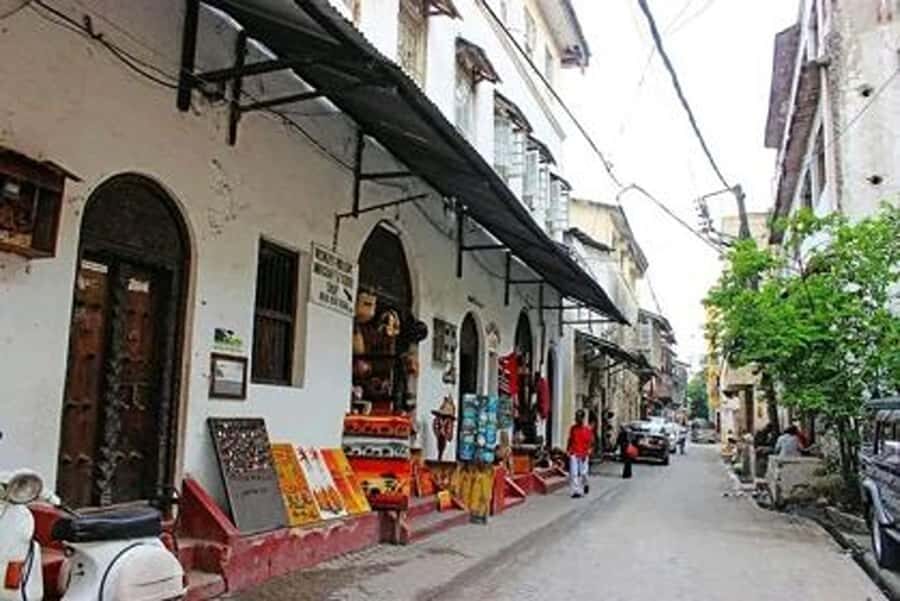
This is one of those tours where the city makes more sense when you’re walking it. Mombasa is Kenya’s oldest and second-largest city, and the character you want to understand lives in the old-style architecture and the tight streets of the Old Town. On a day like this, you don’t just “see sights.” You get help connecting why they’re there and what different groups were trying to control over time.
You start with hotel pick-up and drop-off, then you roll into town with an English-speaking guide. Expect lots of steps and side streets. The tour is designed for people who don’t mind a steady pace and short stops for photos and explanations.
There’s also a practical pattern to the experience: landmark clusters, short walks between them, then another cluster. You’ll cover big-name sites like Fort Jesus, plus several smaller-yet-meaningful stops such as Old Town government buildings, chapels, and consulate locations. That’s usually a good deal for the time—4 hours goes by fast when you’re actually moving.
You can also read our reviews of more walking tours in Mombasa



Fort Jesus: Portuguese power and sea views in one stop
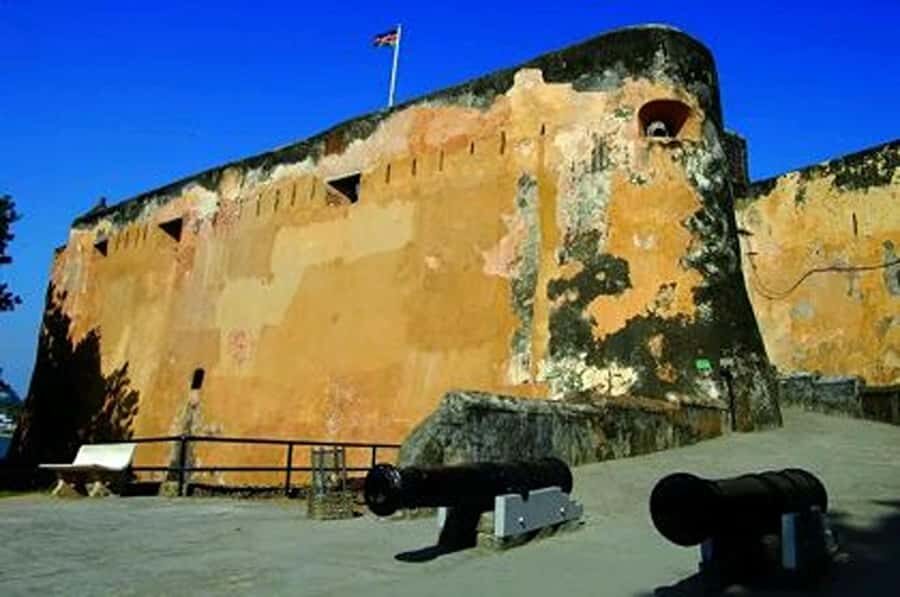
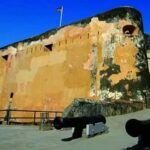
Fort Jesus is the headline moment for most first-timers in Mombasa, and it’s the reason many people choose a guided route like this. The fort was built by the Portuguese, and the guide will frame it as a strategic outpost tied to European attempts to control Indian Ocean trade routes.
Here’s the key value for your time: you’ll be in the right place to understand why the fort mattered. The Portuguese weren’t just building a building—they were trying to shape who could move goods and influence across the water. Even if you’re not a “fort person,” that context helps.
Do you need to go inside?
The tour route includes a Fort Jesus visit, and you can also enter the museum for an additional $5 per person. If you’re the kind of traveler who likes artifacts and exhibits, pay the extra. If you’d rather save energy for the Old Town walk, you can still enjoy the area and exterior views.
A quick tip
Comfortable shoes matter here. Fort Jesus and the surrounding Old Town streets aren’t built for slow, soft sidewalks. Plan on good grip and take your pace seriously, especially if it’s warm.
Government Square, the first British governor’s house, and the rules of colonial space
After the fort area, the tour moves into a cluster of sites tied to government and early colonial administration. You’ll see Government Square and then head to the first British Governor’s house. This is where the story shifts from Portuguese maritime strategy to British-era administration—same city, different control.
You’ll also pass or visit older civic buildings such as the Old Post Office and Old Prison, plus the Portuguese Cemetery. These stops might sound like “just photos,” but the tour makes them more useful by tying them to the way power was organized on the ground.
If you like architecture, you’ll notice how the old-built environment holds its shape while Mombasa’s daily life continues around it. That contrast is what makes these stops worth it. You’re not just studying history—you’re seeing how history sits next to normal routines.
You can also read our reviews of more city tours in Mombasa

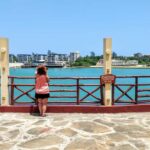



Pembe Za Ndovu, Tusks, and the WWII cemetery stop
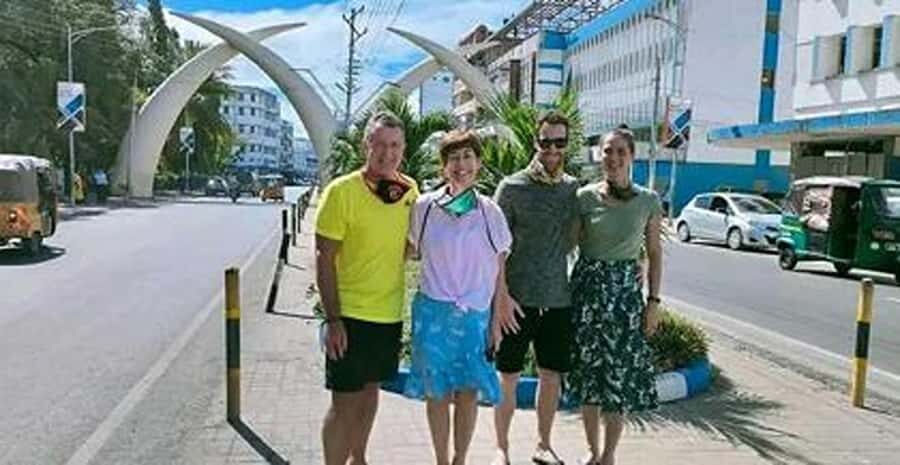
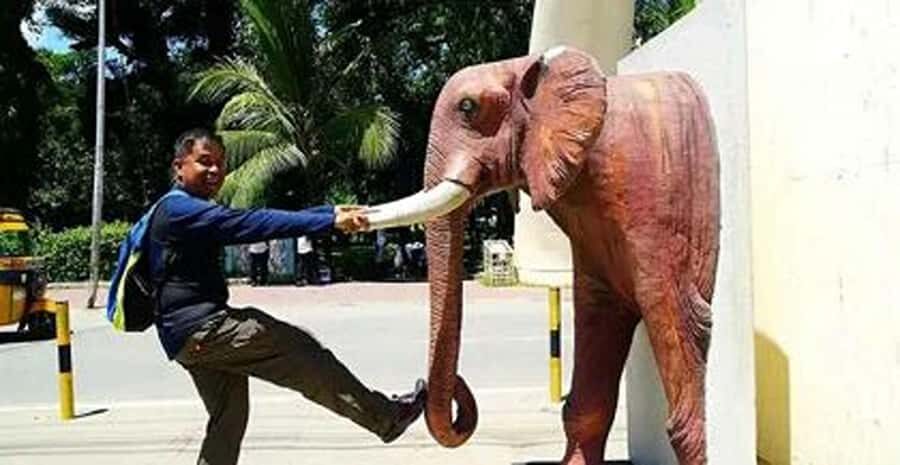
One part of the tour includes a stop around Pembe Za Ndovu and the Tusks, where you’ll get a brief history of the garden and the tusks. After that, the route goes to the Second World War cemetery.
Even with limited time, this is a meaningful sequence because it adds a different layer to the city’s story. Fort Jesus tells you about early maritime control. Government Square tells you about colonial governance. The cemetery and memorial landscape tell you about how later global events also touched Mombasa.
What I’d watch for
This isn’t a long, slow memorial visit. It’s a “brief history” stop. If you want time for quiet reflection, build it into your own schedule later that day. Here, you’re mostly collecting context.
Mama Ngina Drive and the oldest baobab tree
Mama Ngina Drive is where you’ll see one of the oldest baobab trees in the area. The guide will explain why baobabs were planted there.
Baobabs are easy to romanticize, but the tour point is more practical: why this tree is in this exact spot, and how that connects to land use and planning around key streets and viewpoints. It’s one of those stops that’s short on paper yet memorable because it’s living and visually unmistakable.
Take a moment to look around beyond the trunk. You’ll likely spot how urban life crowds close to older natural landmarks. That’s very Mombasa—old and new sharing the same airspace.
Likoni Channel and the ferry feel (even when you’re just walking past)
The Likoni Channel separates Mombasa Island and the mainland south. The tour includes a portion connected to Likoni—at minimum you’ll get a guided sense of the waterway and how the crossing fits into daily movement.
Even if you don’t spend a long time on the water here, the channel makes the whole Mombasa geography click. This city isn’t just land with history; it’s a coastal hub where crossing points mattered for trade and control.
If you’re prone to motion sickness, bring your prevention items. The tour advises motion sickness prevention, and it’s a good call for anyone sensitive to boats or choppy water.
Old Town lanes: Portuguese chapel, oldest mosque, consulates and Swahili stories
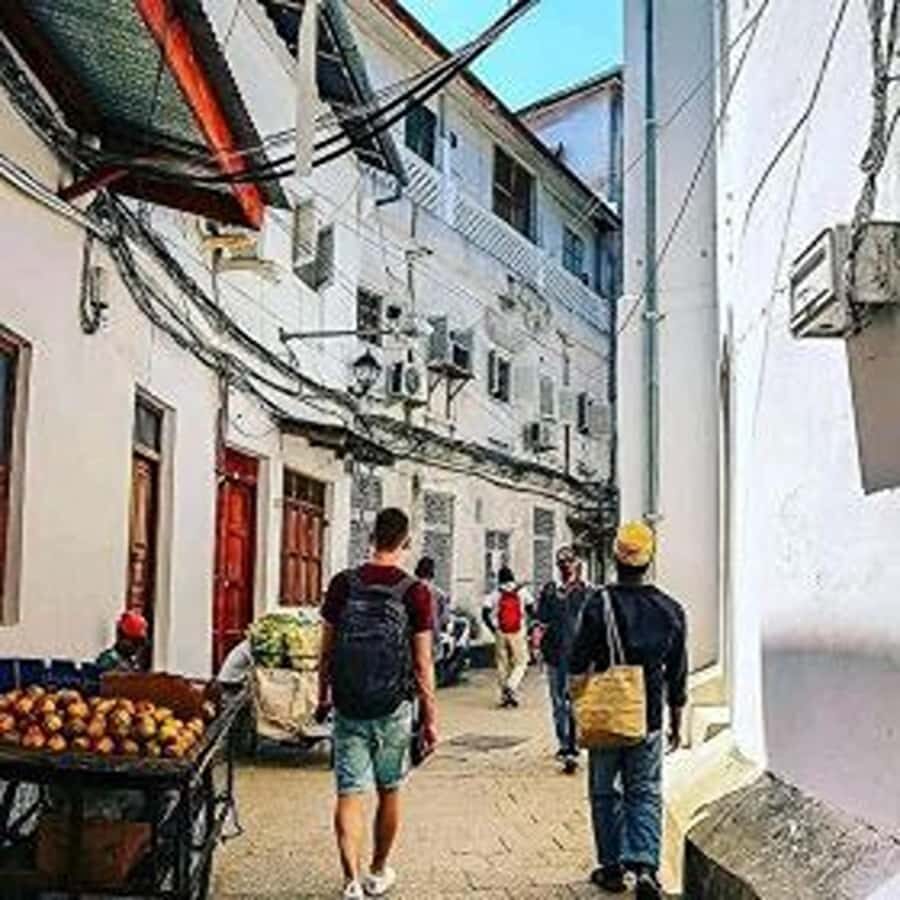
This is the heart of what makes the Mombasa walking tour feel like a heritage experience rather than a list of famous monuments. In the Old Town you’ll meander through narrow streets, passing through religious and diplomatic landmarks that show layers of influence.
Portuguese chapel and the oldest mosque
You’ll visit the Portuguese Chapel, built by the Portuguese. After the chapel, you’ll see the oldest mosque in Mombasa. Again, the value here is the guide connecting these places to the way different communities settled, worshiped, and influenced the city.
Swahili culture, food, and how the people fit in
You’ll also get a detailed history of the Swahili people—how they came about, and what their culture includes, including food. This part matters because it shifts the tour from “Europe versus Africa” to a more accurate picture of coastal identity shaped by long-distance connections.
Consulates you can actually spot
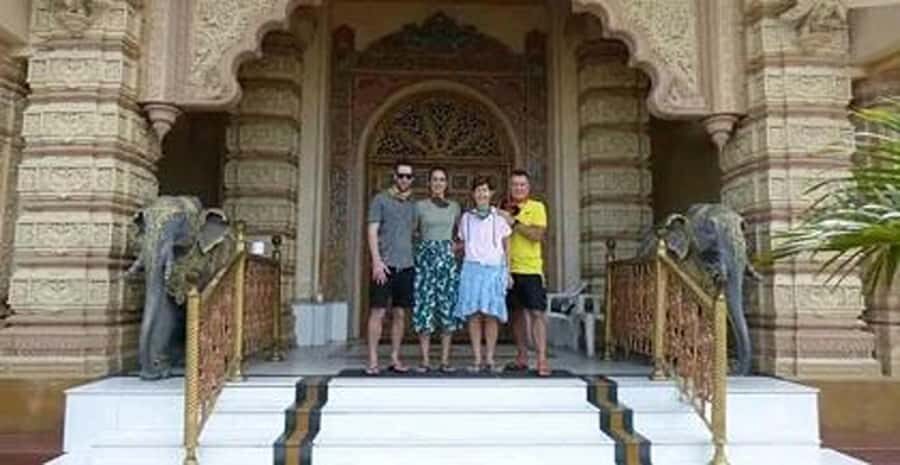
The Old Town also includes stops for consulates such as the old American, Austrian and Italian consulates, plus other diplomatic links tied to later history. These details help you understand why certain buildings stand where they do—there was a reason for each one beyond just being old.
Eleven Steps: Ludwig Kraph, German consulate history, and a stop you’ll remember

Eleven Steps is one of those places that sounds small until the guide explains why it mattered. Here, the guide points out where the first Christian missionary Dr Ludwig Kraph lived, and how the site later became a Germany consulate.
Even if you only catch the highlights, the stop is powerful because it shows how one location can shift roles over time: religious mission, then diplomatic function. It’s the same city, but each era uses the same physical spaces differently.
A practical note
Eleven Steps is also a reminder that this tour is walking-heavy. You’ll want good shoes and a steady pace so you don’t feel rushed or wiped out before the markets.
Mackinnon Market, the Slave Market, and the Free Town Bell of Freedom
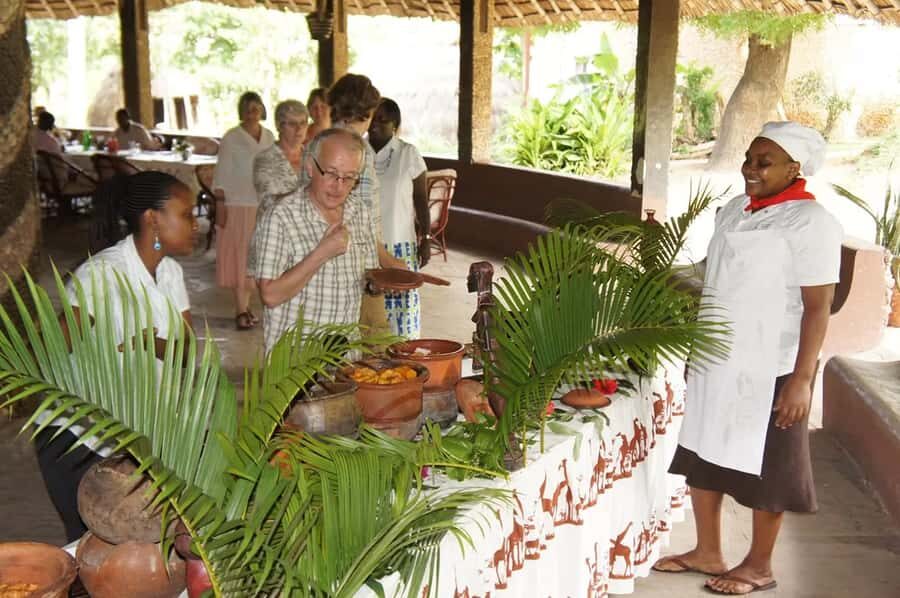
By the time you reach the market and final heritage stops, the tour shifts from “power” to “people.” You’ll spend time around Mackinnon Market, where fruits, vegetables, spices and meat are sold. It’s a sensory stop: smells, colors, movement, bargaining energy.
Then the tour finishes with the Slave Market and the Free Town Bell of Freedom. The bell stop is an emotional capstone because it points to a theme of freedom and identity after dark chapters of the slave trade.
If you want photos, take them, but don’t just shoot and run. These last stops are where your guide’s context turns into something you feel, not just something you know.
Price and value: what $44 buys you, and what costs extra
At $44 per person for a 4-hour tour, this can be good value—especially if you’re trying to cover multiple Old Town sites without stitching together taxi rides and museum tickets on your own.
What’s included:
- hotel pick-up and drop-off
- an English-speaking guide
- guided city walking tour
- government taxes and fees
- ticket line skipping (where applicable)
What costs extra:
- Fort Jesus entry is $5 per person
- food and drinks
- personal expenses
So the real math is simple: if you go into Fort Jesus and grab snacks along the route, plan on spending a bit more than $44. If you skip the museum entry, you keep it closer to the advertised total.
Organization checks: the one thing I’d be proactive about
This tour is generally the kind of plan that runs smoothly when everyone shows up on time. But there is a caution from a verified booking: a group reported that nobody appeared for pickup and they were waiting for refunds for multiple people.
That doesn’t mean your day will go wrong. It does mean you should be prepared. I’d do two things:
- confirm the meeting point and timing with your provider the day before
- have your ID ready, because the tour states airport-style security applies to all visitors
Also remember the tour runs rain or shine. Pack accordingly, even if the day looks calm.
What to bring (so you don’t suffer for the photos)
The tour gives a clear packing list, and I agree with it:
- passport or ID card (you may need it for security checks)
- comfortable shoes
- camera
- cash and a credit card
- a charged smartphone
- motion sickness prevention (if boats/ferry segments affect you)
And follow the “don’t bring it” rules:
- avoid oversize luggage or large bags
- no intoxication
- no explosive substances
- no nudity
These rules help keep the day smooth and safe, especially with security screening.
Who this Mombasa heritage walk suits best
This tour is best for:
- first-time visitors who want a guided path through Fort Jesus, the Old Town, and market landmarks
- people who like history explained in plain language and tied to real places
- travelers comfortable with lots of walking and tight Old Town streets
It may be a poor fit for:
- people with low fitness
- anyone who struggles with long walking days
- people with mobility impairments (even though wheelchair accessibility is marked, the tour also says it’s not suitable for mobility impairments, and the route involves significant walking)
Should you book this Mombasa City Heritage walking tour?
If you want a well-guided sampler of Mombasa—Portuguese fort, Old Town religious landmarks, Swahili cultural context, plus market energy—this is a strong pick. The guide component is a big part of the value, and one recent English-guided run featured Abdullah, who kept the heritage stories moving with enthusiasm.
But if you dislike operational uncertainty, build in caution. Confirm pickup details early, because at least one verified booking had a no-show pickup problem. Also, if you hate security lines or long walks, this isn’t the gentlest outing.
My rule of thumb: book it if you’re ready to walk, you’re okay paying a small extra amount for Fort Jesus entry, and you like history that explains why places look the way they do—not just what they’re called.
FAQ
How long is the Mombasa City Heritage Walking Tour?
The tour lasts 4 hours.
Does the tour include Fort Jesus Museum entry?
Fort Jesus entry is not included. It costs $5 per person, though the tour includes skip-the-ticket-line handling.
Is food included in the price?
No. Food and drinks are not included, and lunch is not included in the package. You can still stop for street food in the markets using your own money.
Does the tour pick you up from your hotel?
Yes. Hotel pick-up and drop-off are included.
Is the guide English speaking?
Yes, the tour includes an English-speaking live guide.
Do I need ID for this tour?
Yes. You should bring a passport or ID card, since the tour requires airport-style security for all visitors.