REVIEW · MOMBASA
Mombasa Old Town Walking Tour
Book on GetYourGuide →Operated by EDDIE MORS AFRICAN TOURS & SAFARIS LTD · Bookable on GetYourGuide
Old Town turns walking into a story. I love starting at Pembe za Ndovu (Mombasa Tusks) and ending with the smells and colors of the Spice Market. The only real catch is the route is a few hours of walking through narrow lanes and market areas, so you’ll want solid shoes and patience in the heat.
This 4-hour Mombasa Old Town Walking Tour runs at 8am and is led by Eddie Mors African Tours and Safaris, with Raphael as your guide. The tour is in English and is built around real places you can actually picture later: Government Square, the Old Port, the Fish Market, and Mombasa Market to finish.
In This Review
- Key things you’ll notice on the walk
- Starting at Pembe za Ndovu (Mombasa Tusks)
- Old Town lanes and Government Square: walking like a local
- Old Port and the Fish Market: the coastal side of Mombasa
- Spice Market: what’s included and what costs extra
- Finishing at Mombasa Market: plan your next step
- Price and value: is $30 worth it?
- The pace, heat, and footwear reality check
- English guide and questions you can actually ask
- Photo stops and the #ExperienceEMATS prompt
- Who this tour suits best (and who should think twice)
- Should you book the Mombasa Old Town Walking Tour?
- FAQ
- What time does the Mombasa Old Town Walking Tour start?
- How long is the tour?
- How much does it cost?
- Where does the tour start and end?
- What landmarks and markets will we visit?
- Is the tour guide provided, and what language is it in?
- What’s included in the price?
- What’s not included?
- Do I need cash, and what should I bring?
Key things you’ll notice on the walk
- Raphael leads the pace with clear storytelling and practical context in English
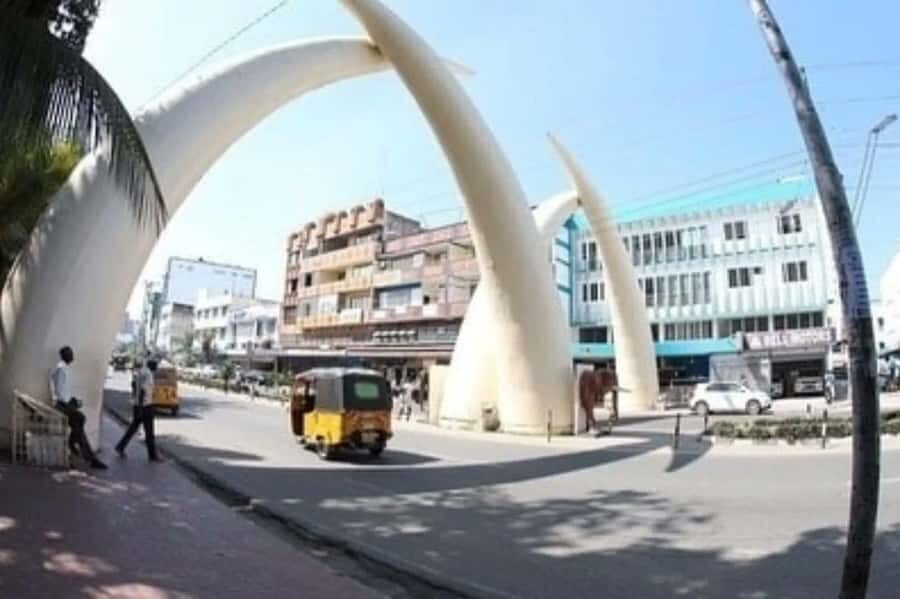
- Pembe za Ndovu (Mombasa Tusks) is a strong anchor start point for photos and orientation
- Old Port and Fish Market bring you close to everyday coastal routines
- Spice Market is where you can buy optional items with Kenyan Shillings
- Mombasa Market is a logical finish if you want to keep exploring afterward
- 1L drinking water is included, which really helps when you’re out in the sun
Starting at Pembe za Ndovu (Mombasa Tusks)
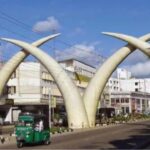
Your morning begins at Pembe Za Ndovu, also called the Mombasa Tusks. This is the kind of meeting point that helps you relax fast: you know you’ve arrived, you can spot it easily, and you start the tour with momentum instead of wandering around figuring things out.
Raphael meets you here and sets expectations for what’s ahead. If you’re the type who likes to know the plan early, you’ll appreciate how the tour is structured into a simple sequence of stops instead of a vague “walk around and see what happens.”
Tip for your first minutes: keep your phone ready. The Tusks are right up front, and it’s the easiest photo moment to get without trying to stop mid-lane later.
You can also read our reviews of more walking tours in Mombasa

Old Town lanes and Government Square: walking like a local
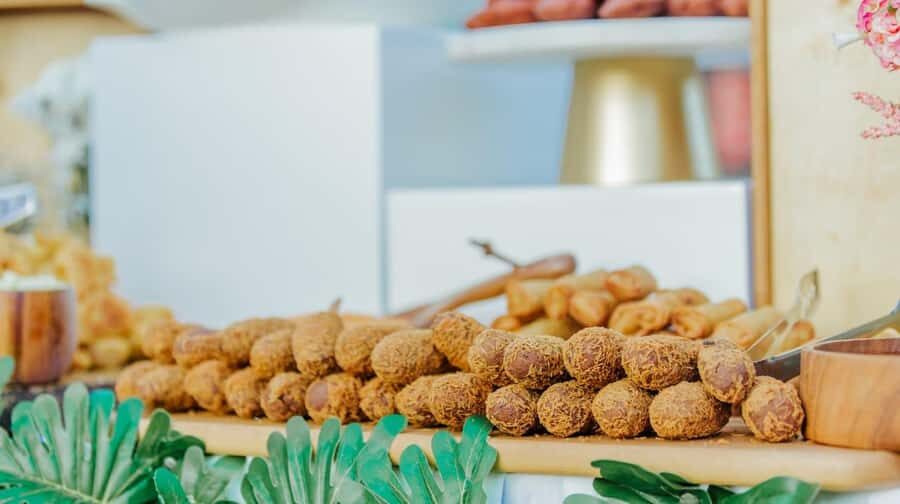
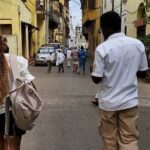
Once you head into Old Town, the experience becomes about small turns and changing scenes. You’ll move through narrow alleyways where the city feels compact and personal, not like a big sightsee-from-a-distance loop.
A big part of the value here is the way Raphael connects the spaces. You’re not just passing buildings and street corners; you’re getting explanations as you go—why these spots matter, and how the history and culture show up in daily life.
Government Square is one of the places where the tour shifts from tight lanes to a more “gather-and-focus” feeling. It’s a good stop to pause, catch your breath, and reset your bearings before heading down toward the port side.
One note: because this is a walking tour through older streets, you’ll be moving on uneven ground in places. It’s not a marathon, but it’s not a flat stroll either.
Old Port and the Fish Market: the coastal side of Mombasa
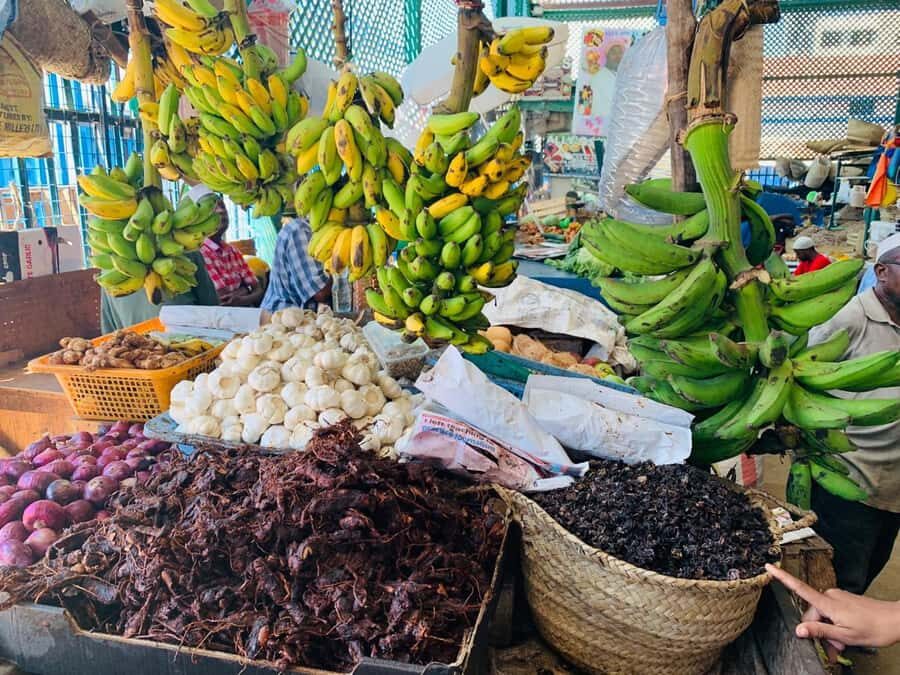
Then it’s on to the Old Port area and the Fish Market. This is where you’ll notice the tour shifts from architecture to action—sounds, smells, and constant activity.
The Fish Market stop is practical in a good way. Even if you’re not shopping, you’ll see how goods move and how vendors work, and you’ll understand why this area is central to the city’s coastal rhythm.
If you’re sensitive to strong smells, plan for it. Don’t ruin your day by pretending you won’t notice. Just wear a neutral mindset and keep your stop time efficient: look, ask a question or two, take photos, and move on when your comfort level says so.
Spice Market: what’s included and what costs extra
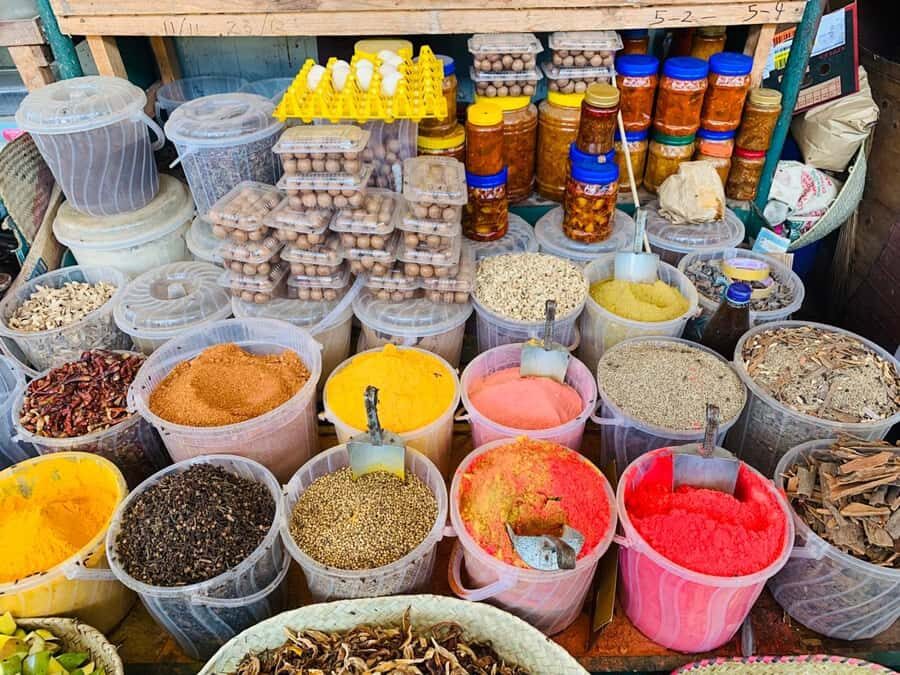
The Spice Market is one of the headline stops, and it’s easy to see why. The tour is built around the spice trade, so this is where aromas and color become part of the story, not just decoration.
One important money detail: spices you buy at the Spice Market are not included. So if you want a souvenir—tea, dried spices, or anything else—bring cash and be ready to decide on the spot.
You’ll also be glad you brought Kenyan Shillings. The tour specifically notes cash for purchases, and this stop is where you’ll feel that most.
How to make the market part work for you:
- Treat purchases as optional, not required
- Ask your guide what you’re seeing if the stalls get crowded
- Keep your hands free for walking safety in busy lanes
Finishing at Mombasa Market: plan your next step
The tour ends at Mombasa Market. This finish spot is handy because it’s the kind of place where you can keep going without needing a new taxi or spending extra time figuring out logistics.
Since lunch isn’t included, you’ll likely want to eat afterward. If you’re hungry, don’t wait too long—market-side food is usually the easiest next move once the tour wraps.
Timing matters here. With a start time around 8am and a total duration of about 3–4 hours (sometimes listed as 4), you’ll usually still have the rest of the day for Fort Jesus or another activity—just remember the Fort Jesus entry fee is not included.


Price and value: is $30 worth it?
At $30 per person for roughly four hours, the value comes from what’s bundled, not from what’s missing.
Included:
- A guided route through key Old Town landmarks: Mombasa Tusks, Government Square, Old Port, Fish Market, Spice Market
- Ongoing commentary from Raphael
- 1L drinking water
Not included:
- Fort Jesus entry fees
- Spices bought at the Spice Market
- Lunch
Here’s the practical way to think about it: if you were to walk this area on your own, you’d still see the places, but you’d likely miss the “why it matters” explanations that Raphael provides. In a short morning window, that interpretation is the main reason people pay for a guide.
Also, that 1L water inclusion is small but meaningful. You’re out in a warm coastal city and the tour is in the open for much of the time.
The pace, heat, and footwear reality check
This walking tour involves moderate activity. You’re dealing with narrow streets and market areas, which means you’ll need footwear that can handle uneven ground and quick stops.
The tour recommends:
- Comfortable walking shoes
- Lightweight clothing
- A hat, sunscreen, and sunglasses
- A water bottle as well (even though 1L is included)
My simple rule: if your shoes are the kind you’d wear for a museum floor, switch them out. This is the kind of route where one uncomfortable pair can turn the whole morning into a chore.
English guide and questions you can actually ask
The tour is conducted in English, with Raphael as the live guide. That matters because you’re not just seeing spots; you’re getting guided storytelling as you move between them.
One detail worth highlighting: Raphael’s explanations can stretch beyond the immediate sites, including context about Kenya more broadly. If you like to understand how different pieces fit together, this is a good fit. Don’t be shy about asking practical questions like what you’re looking at, or what people do there day to day.
Photo stops and the #ExperienceEMATS prompt
You’ll have plenty of chances to take photos, especially at Pembe za Ndovu and around the market areas. The tour also encourages you to share moments with #ExperienceEMATS.
If you want photos without slowing the group down, do a quick rhythm:
- get your shot early
- review quickly
- move with the flow
It’s a simple way to stay comfortable and keep the tour moving at a good pace.
Who this tour suits best (and who should think twice)
This is a solid choice if you want a guided Old Town walk that hits multiple landmarks in a half-day window. It’s especially good for first-time visitors who want structure, plus travelers who prefer walking to hopping between stops.
It may not be a fit if:
- You need accommodations for mobility impairments (the information says wheelchair accessible, but it also says it’s not suitable for mobility impairments—so confirm carefully before booking)
- You have hearing impairment needs (it’s noted as not suitable for hearing-impaired people)
- You’re traveling with children under 5 years old
One more fit check: you should be comfortable walking for a few hours through narrow streets. If you’re not, you’ll spend more time managing discomfort than enjoying the sights and stories.
Should you book the Mombasa Old Town Walking Tour?
Book it if you want a guided, well-paced way to see Old Town landmarks in one morning: Mombasa Tusks, Government Square, Old Port, Fish Market, Spice Market, and finish at Mombasa Market. The $30 price works best when you value interpretation—Raphael’s commentary is clearly a big part of the experience.
Skip it or ask lots of questions first if you:
- don’t handle heat or uneven walking well
- want a tour that includes Fort Jesus (entry fees aren’t included, so you’d need a separate plan)
- need specific accessibility support (there’s conflicting info about wheelchair access vs. mobility suitability)
If you’re deciding for your schedule, this is a nice early-day choice. You’ll get a strong sense of the city before the afternoon rush, and you’ll likely feel ready to eat, shop, or add another stop on your own.
FAQ
What time does the Mombasa Old Town Walking Tour start?
The tour begins at 8am.
How long is the tour?
It’s listed as 4 hours, and it may vary a bit depending on group size and pace (about 3–4 hours).
How much does it cost?
The price is $30 per person.
Where does the tour start and end?
It starts at Pembe Za Ndovu (Mombasa Tusks) and finishes at Mombasa Market.
What landmarks and markets will we visit?
You’ll visit Mombasa Tusks, Government Square, Old Port, Fish Market, and Spice Market.
Is the tour guide provided, and what language is it in?
Yes, you get a live tour guide. The tour is conducted in English, and the guide is Raphael.
What’s included in the price?
Included features are the guided exploration of the listed landmarks, commentary from the guide, and 1L of drinking water.
What’s not included?
Fort Jesus entry fees, any spices purchased at the Spice Market, and lunch are not included.
Do I need cash, and what should I bring?
The tour recommends bringing cash in Kenyan Shillings for market purchases and suggests comfortable walking shoes, lightweight clothing, hat/sunscreen/sunglasses, and water.