Two days in Tsavo East can feel long—until you see the animals. I love the waterhole viewing from your lodge and the built-in rhythm of sunrise and sunset game drives, which helps you maximize sightings without feeling like you’re always driving. One thing to consider: Tsavo wildlife is never guaranteed, and this experience depends on good weather.
This is a coast-to-safari-style trip that makes sense if you want Kenya’s big wildlife but don’t want a multi-day slog. You’ll be picked up from your Mombasa area hotel (or the airport), settled at your park accommodation, and kept moving with set viewing blocks so you can focus on spotting rather than logistics.
The tour is private for your group, with the option of group discounts, so it tends to work well for couples, small families, and first-time safari folks who want a smooth plan and room to ask questions.
In This Review
- Key highlights worth your attention
- Tsavo East from Mombasa: why two days is a smart bet
- Getting to the park: 2-way transfers make the trip feel easy
- Day 1 timing: lodge check-in, waterhole views, then an afternoon game drive
- The afternoon game drive: what you’re really chasing in Tsavo East
- Day 2 at first light: sunrise drive, open-roof viewing, and the predator window
- Meals and lodge time: more than just “included”
- Maasai Cultural Village (optional): a short stop that can add meaning
- Price and value: is $540.31 per person fair?
- Practical tips for sunrise drives and big-animal spotting
- Should you book this 2-day Tsavo East safari?
- FAQ
- What is the price of the 2-day Tsavo East National Park experience?
- How long is the safari?
- Where are transfers picked up and how do they work?
- Are meals included?
- What game drives are included?
- Is the Maasai village visit included?
- Is this tour private?
- What is the cancellation policy?
Key highlights worth your attention
- Lodge waterhole time: Watch elephants come in and mill around while you stay comfortable.
- Sunrise + sunset drives: Two prime wildlife windows instead of a single go-around.
- Open-roof photography moments: A setup designed for easy viewing and pictures during the morning drive.
- Tsavo East character: Red dust, rolling elephant behavior, and the dramatic river-and-plateau scenery.
- Optional Maasai Cultural Village: A quick cultural stop that you can skip if you’d rather stay focused on game.
- Operator support: The organizer Faith has handled real-life schedule hiccups for clients, showing up as practical and responsive.
Tsavo East from Mombasa: why two days is a smart bet
Tsavo East National Park is one of those places where “big safari” doesn’t always require a huge time commitment. In just two days, you get multiple chances at the same animals—morning light, late-day light, and the in-between lodge hours when wildlife often comes to drink.
I like the way this itinerary balances motion and stillness. You’re not only out in the vehicle; you also get time to sit and watch elephants at waterholes from the comfort of your lodge. That’s a big deal in the bush. Heat, dust, and long drives wear you down faster than you expect, and a pause with sightings is good value.
There’s also a sense of place here. The park area is associated with the Galana River and the Yatta Plateau, including the famous note about the Yatta Plateau being the longest lava flow in the world. Even if you only catch it in glimpses, it helps you understand why Tsavo feels so classic and cinematic.
If you’re a first-timer, two days can actually be better than longer trips. You get the core safari rhythm without the fatigue of constant travel days.
A few more Mombasa tours and experiences worth a look

Getting to the park: 2-way transfers make the trip feel easy
The trip includes two-way transfers from your Mombasa area hotel (and pickup at the hotel/airport). That matters more than it sounds, because getting to safari country can be the hardest part of a short safari.
Instead of spending your time coordinating rides, waiting on unclear timing, or trying to piece together connections, you start moving early—around 7:00 am on Day 1. Then on Day 2 you depart after the morning activities and head back to Mombasa around 10:30 am to 2:00 pm.
The timing is built around wildlife behavior. Early starts increase your odds with predators, while late-day viewing often brings animals closer as temperatures cool.
And since it’s a private tour/activity with only your group, you avoid the feel of a crowded cattle-car safari. You’ll still share the park with other vehicles in places, but the day-to-day flow stays controlled.
Day 1 timing: lodge check-in, waterhole views, then an afternoon game drive
Day 1 has a classic shape: drive in, settle, then go looking for animals as the afternoon moves toward evening. You’ll be picked up around 7:00 am, then the day eases you into the park experience with lunch and lodge time.
Between 1:00 pm and 3:00 pm, you get lunch and relaxation at the lodge. This break is practical. Even if you’re eager to spot wildlife immediately, your body needs time to adjust to the heat and the idea of sitting quietly for long stretches.
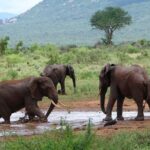
Once you’re checked in, the itinerary leans into what makes Tsavo special: waterholes. You’ll have game views right from the lodge area as elephants visit water holes. That’s the kind of payoff you can’t always manufacture with game drives alone, because the real action at water often happens when you’re not necessarily in your vehicle.
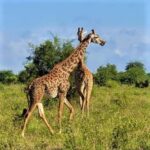
Then comes the afternoon drive, around 3:00 pm to 6:00 pm. This is where you start building the safari story in your head—elephants moving through dust, giraffes framed against acacia, and the chance of predators showing up when activity picks up.
One drawback to know up front: in a short safari, your first day sets the pace. If Day 1 weather or wildlife density is slower, it can increase the pressure on Day 2. The upside is that you still have a second full wildlife window coming.
The afternoon game drive: what you’re really chasing in Tsavo East
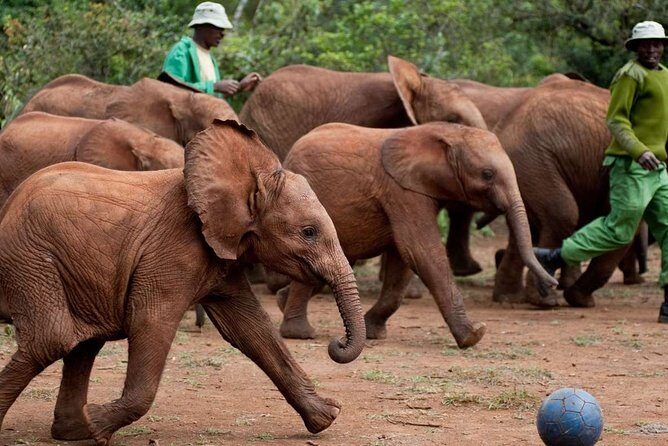
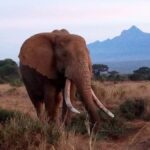
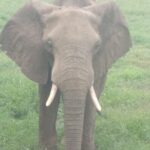
Your afternoon drive focuses on a Tsavo East-style scene: big animals, open viewing, and those iconic dusty details. The description specifically calls out elephants in red dust, along with behavior like wallowing, rolling, and spraying each other—made even more striking with the contrast of water and palms nearby.
This is the time you often get the most emotionally satisfying elephant moments. Not just “there’s an elephant,” but the messy, social behavior that looks almost staged. A water-centered afternoon can be good for photos too, because you’re more likely to catch animals doing something interesting instead of just passing by.
The park’s geography adds drama. The Yatta Plateau enters the picture as a long geological feature, and the Galana River is part of the scenery people talk about when they describe Tsavo’s cinematic look. Even when you’re driving, the vastness can make animals feel bigger and the distances feel more real.
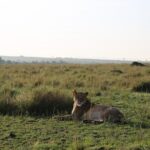
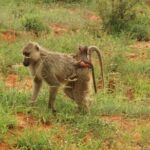
You may also spot lions, giraffes, buffaloes, and a wide range of birds during the overall safari. Day 1 doesn’t promise one species, but it sets you up for exactly what you need: eyes on movement, time to watch how animals use the space, and a chance to start recognizing patterns.
Day 2 at first light: sunrise drive, open-roof viewing, and the predator window
Day 2 begins early: 6:30 am to 8:30 am for the morning game drive. Morning is where you often get predator action, plus a higher chance that animals are moving rather than just resting in the heat.
This drive is also described as offering excellent photography with the rooftop of the car opened. That detail matters. You can’t always get great angles from a standard viewing setup, and an open-roof option helps you frame animals cleanly—especially big cats and birds.
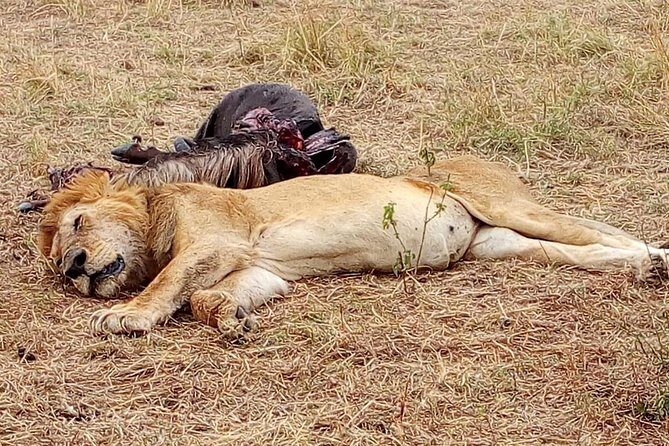
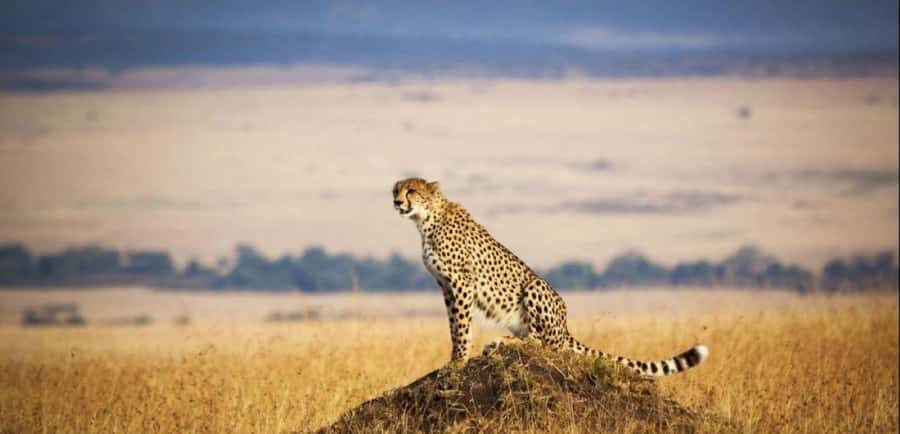
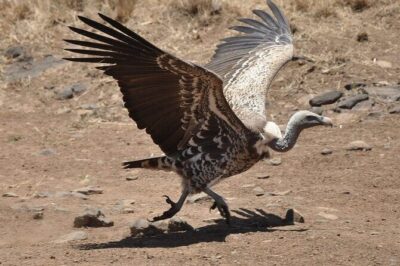
The morning drive is where the animal list becomes more expansive. You can see lions, leopards, cheetahs, hyenas, buffaloes, giraffes, and a lot of birdlife. The notes also mention over 400 species of birds, which suggests you’ll be able to enjoy more than just the mammals if you’re the type who likes stopping for interesting feathered sightings.
After the morning drive, you get breakfast around 8:30 am with buffet-style options. This is another small value point: you don’t just roll from game drive to travel with no meal. Breakfast helps you recover before the cultural stop and the drive back.
The itinerary includes an optional Maasai Cultural Village visit from 9:30 am to 10:15 am. If you skip it, you still head back toward Mombasa after breakfast.




Meals and lodge time: more than just “included”
This safari includes three meals during your time at the park accommodation, and that’s one of the main reasons it feels doable as a short trip. Food isn’t a glamorous safari feature, but it’s essential. When meals are included, you’re less likely to waste time hunting for options outside the plan.
Lodge time is equally important. The experience is designed so you can watch wildlife without constantly being in the vehicle. Elephant visits to waterholes can happen in “bursts,” and having that viewing window from your lodge means you don’t miss out while everyone else is stuck in transit.
I also like that the plan gives you the chance to recover before Day 2’s early start. Your first drive ends around early evening on Day 1, so you can settle in, sleep, and wake up ready.
One more practical point: it’s stated that the experience requires good weather. If weather is poor, the tour may be rescheduled or adjusted. That’s normal in wildlife country, but it’s helpful to know so you’re not blindsided.
Maasai Cultural Village (optional): a short stop that can add meaning
The Maasai Cultural Village visit is optional, scheduled for 9:30 am to 10:15 am on Day 2. If you do it, you’ll learn about Maasai culture, lifestyle, and dances.
As an experience add-on, it’s short and structured. That means it won’t turn your safari into a long cultural day, but it can add context to what you’re seeing around the region.
If you’re the kind of traveler who prefers to spend every spare minute searching for animals, you might skip the village and keep your attention purely on the park return timing. Either way, you still get the main safari components: drives and lodge viewing.
Price and value: is $540.31 per person fair?
At $540.31 per person, this is not a budget safari, but it also isn’t pricing itself like a luxury-only package. For many people, the value comes from three things that are harder to manage on your own: timing, transport, and meals.
You’re getting round-trip transfers from Mombasa area hotels/airport, two game drives, lodge accommodation meals counted as three meals, plus an optional cultural stop. You’re also booking as a private group, which often reduces the “shared chaos” factor that can make smaller safaris less enjoyable.
The best value indicator for me is the structure that supports wildlife viewing without constant stress. You’re not planning a half-day here and a half-day there; you’re following a safari rhythm that’s built around animals and daylight.
Still, you should weigh one consideration: a two-day safari is intense. Even with lodge time, you’re likely to feel the schedule. If you want a slower pace with more drives and more breathing room, you may prefer a longer safari.
Practical tips for sunrise drives and big-animal spotting
If you do this safari, your success depends on two habits: be ready early and stay patient when you’re not seeing anything.
For sunrise viewing, keep your layers handy. Morning can feel cooler than you expect, then warm up fast as the day starts. Also plan to be quiet and observant rather than restless. Predators often show up when everyone settles in and looks properly.
For photos, bring a phone or camera strap you can secure in the open-roof setup. The goal is less “rapid clicking” and more clean framing when you get the chance.
Finally, remember that the safari’s charm is the mix of action and waiting. You’ll see dramatic moments like lions and elephants, but you’ll also spend time watching how animals behave around waterholes and open plains. That waiting is part of the show.
Should you book this 2-day Tsavo East safari?
I’d book this if you want a straightforward, well-paced way to experience Tsavo East from the coast. The combination of lodge waterhole viewing, sunrise and sunset game drives, and meals included makes it a strong fit for first safari trips and anyone with limited time in Kenya.
I’d hesitate only if you need lots of flexibility day-to-day or you’re hoping for a guaranteed “big cat at every turn” guarantee. Two days can be fantastic, but wildlife never signs a contract.
If you do book, I’d pick it with confidence if you appreciate a plan that handles transport, feeds you, and gets you into the best light for spotting. And if you’re the type who values responsive help, the operator Faith has been described as accommodating when travel plans go sideways, which is reassuring when you’re working within a tight time window.
FAQ
What is the price of the 2-day Tsavo East National Park experience?
The price is $540.31 per person.
How long is the safari?
It’s listed as a 2-day experience (approximately 2 days).
Where are transfers picked up and how do they work?
Pickup is offered from your hotel or from the airport in the Mombasa area, and the experience includes 2-way transfers.
Are meals included?
Yes. The package includes three meals at the park accommodation.
What game drives are included?
You get an afternoon drive (3:00 pm to 6:00 pm) and a morning drive (6:30 am to 8:30 am).
Is the Maasai village visit included?
The Maasai Cultural Village visit is optional, scheduled from 9:30 am to 10:15 am on Day 2.
Is this tour private?
Yes. It’s described as private, meaning only your group participates.
What is the cancellation policy?
You can cancel for free up to 24 hours in advance for a full refund. If it’s canceled due to poor weather, you’ll be offered a different date or a full refund.