REVIEW · MOMBASA
Half-Day Scenic Bike Tour
Book on Viator →Operated by Bike The Coast · Bookable on Viator
Steering your bike through village lanes beats another beach day. This half-day ride from Shanzu is built for fresh air and local views, with guided cycling through bush, fruit-and-palm areas, and stretches with ocean sightlines. You get multiple route choices and a plan that keeps you moving on mostly unpaved roads.
What I like most is the way the tour focuses on everyday rural life—traditional villages, shamba farms, and creek viewpoints—without feeling staged. I also appreciate that the basics are handled for you: a bike plus helmet and gloves, and real energy stops with bottled water, soda, and bananas.
One thing to consider: you’re meeting at the start point and getting yourself there, since there’s no hotel pickup or drop-off. And depending on the route, you should expect real climbing, including short steep sections and, on the hardest option, some single trail.
In This Review
- Key Points to Know Before You Pedal
- Getting Started at Shanzu: Morning Energy and a Clear Meeting Point
- Route Options in Plain English: Difficulty 1 to 4
- Along The Coast (Difficulty 1)
- Three Coastal Areas (Difficulty 1 to 2)
- Along The Creek (Difficulty 2)
- The Bike Adventure (Difficulty 3 to 4)
- What the Cycling Feels Like: Unpaved Roads, No Traffic, and Real Stops
- The Best Part: Villages, Farms, and Creek Views You Usually Miss
- Included Gear: The Stuff That Actually Saves You Time
- What to Bring (So You Don’t Hate the Helmet)
- Price and Value: Why $48 Often Works Out Well
- Guide Matters: Professional, Caring, and Built for Local Insight
- Timing, Pace, and Fitness: Choosing the Ride That Matches You
- Weather Reality in Coastal Kenya: Dress Smart, Don’t Cancel
- Who Should Book This Tour From Shanzu
- Should You Book Bike the Coast in Mombasa?
- FAQ
- What time does the bike tour start?
- How long is the half-day scenic bike tour?
- Where do I meet, and where does it end?
- What does the tour cost?
- What routes and difficulty levels are available?
- What’s included in the price?
- Do I need hotel pickup or drop-off?
- What should I bring for the ride?
Key Points to Know Before You Pedal
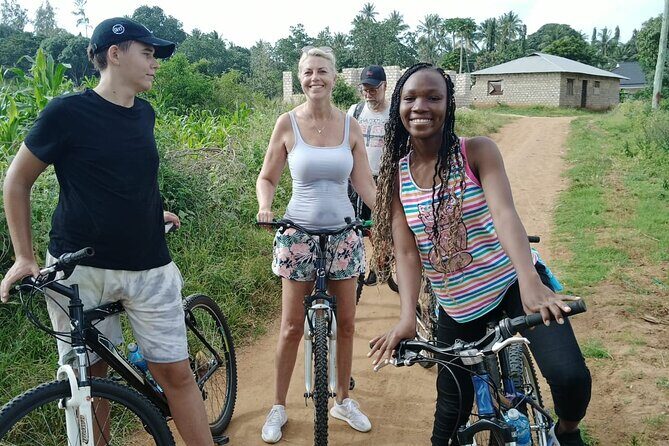
- Four route options let you match effort level to your comfort, from easy village lanes to a tougher hill-and-trail day
- Unpaved roads with no traffic means you can bike without dodging cars on narrow paths
- Bike, helmet, and gloves included so you’re not paying for rentals or hunting the right gear
- Refuel stops are part of the ride, with bottled water, soda, and bananas (plus snacks)
- Private tour format keeps the experience focused on your group only
- Some routes include creek crossings and big viewpoint climbs, especially the higher-difficulty Adventure ride
Getting Started at Shanzu: Morning Energy and a Clear Meeting Point
The tour starts at 8:00 am at the Mombasa Go-Kart and Adventure Park in Shanzu. It ends back at the same meeting point, so you don’t need to plan a complicated return to wherever you’re staying.
This is the kind of morning activity that works well when you want something active but not exhausting for the whole day. Because the ride is designed around unpaved roads with little to no traffic, the schedule is built for steady progress—roughly a few hours of cycling plus breaks.
You can also read our reviews of more tours and experiences in Mombasa.
Route Options in Plain English: Difficulty 1 to 4
You’ll choose between four standard routes, each with its own distance, total climb, and “how spicy is it” level. All are designed for guided riding through a mix of traditional settlements, forests or farms, and coastal-region scenery.
Along The Coast (Difficulty 1)
This option starts and ends in Mtwapa, and it’s the easy-going choice. You’ll ride through traditional African villages surrounded by palm-tree and mango forests, with about a third of the route following the coast and offering occasional Indian Ocean views.
Distance is about 40 km (with a short-cut possible), with total altitude gain around 50 m. Time needed is roughly 4 to 5 hours, and the effort feels more like a long scenic spin than a workout.
Three Coastal Areas (Difficulty 1 to 2)
If you want variety without going too hard, this is a solid middle. You cycle through three climate zones along the coast—beach, palm-tree forest, and semi-arid areas—with a route that blends hotel-area segments and more local spots near the creek.
Distance is about 24 km, with around 2 km of tarmac but described as tarmac with no traffic. Total altitude gain is roughly 150 m, and you should expect two short but steep uphill stretches.
Along The Creek (Difficulty 2)
This one leans into creeks, farms, and shamba life. You’ll start and end in Mtwapa and ride inland following the creek through traditional Giriama settlements and palm-tree forests and farms, with views over Mtwapa Creek and areas described as almost untouched bush-land.
Distance is about 31 km (short-cut possible), with total altitude gain around 150 m. The ride time is usually 3.5 to 4.5 hours, and it’s meant to feel like a steady day of effort rather than a sprint.
A few more Mombasa tours and experiences worth a look
The Bike Adventure (Difficulty 3 to 4)
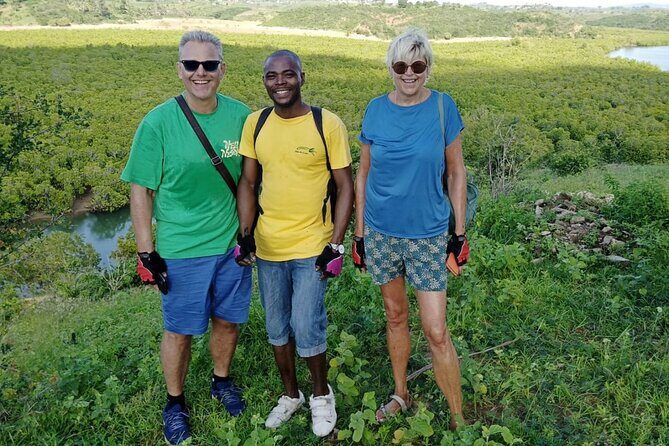
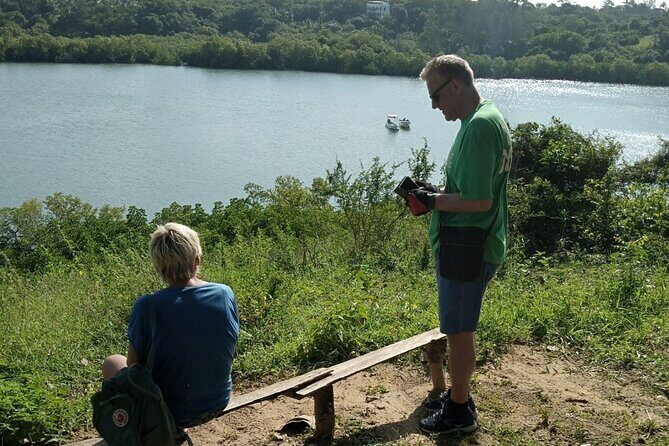
This is for people who want more challenge and are okay riding on rougher terrain. You start with palm- and mango-tree forests with villages, then climb into a semi-arid area where you’ll tackle hilltops and cross arms of the Mtwapa Creek.
Distance is about 24 km, but the total altitude gain rises to roughly 350 m. Difficulty 3 to 4 includes about 8 km of single trail plus short but steep up-and-down stretches, and the payoff is big: high-hill viewpoint views over the north coast area and creeks around Mombasa.
What the Cycling Feels Like: Unpaved Roads, No Traffic, and Real Stops
Across the overall experience, you’ll be covering about 23 to 31 km on typical days. Expect around 2.5 to 3.5 hours of cycling on unpaved roads with no traffic, with short cuts possible depending on the route you choose.
That “no traffic” piece matters more than people think. On unpaved coastal paths, things can get bumpy or narrow, and a calm road means you can focus on balance, scenery, and conversation instead of panic.
You also stop at a local refreshment spot during the tour. The breaks are built in, and you’re not just told to hydrate and figure it out yourself.
The Best Part: Villages, Farms, and Creek Views You Usually Miss
The big value here is how the tour shifts you away from the standard beach-only Mombasa experience. Instead of just looking at coastal Kenya from a hotel balcony, you ride through the areas where daily life happens.
You’ll pass through traditional villages and palm-tree or mango-tree settings, with the chance to see how rural communities connect to the land. On the Creek and Adventure options, the Mtwapa Creek viewpoints are a major focus, and the ride brings you into farm country where shamba is part of the scenery.
One of my favorite things about this style of tour is that it’s not a long museum talk. It’s active and out in the open, and the pace is set so you can actually take it in.
Included Gear: The Stuff That Actually Saves You Time
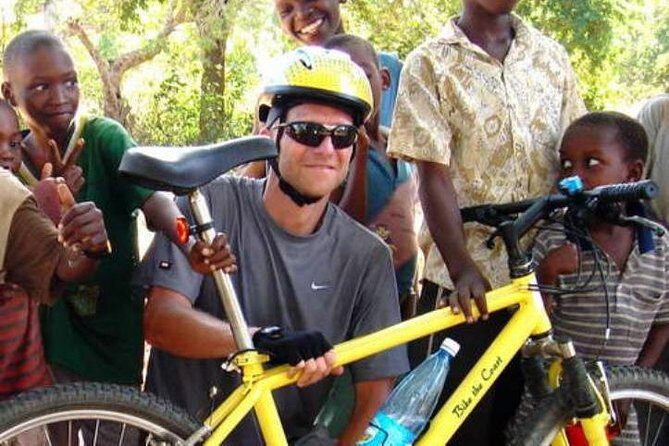
This tour takes the hassle out of gear. Your package includes use of a bicycle, a helmet, and (per the tour highlights) gloves too.
That’s a big deal if you’re traveling light. You don’t have to hunt rentals, ask around for helmet availability, or worry about getting the wrong size. It also helps you show up ready—especially when the start time is early.
On the food side, you get bottled water and snacks. The ride highlights also call out soda and bananas, plus the routine stop at a local refreshment place.
What to Bring (So You Don’t Hate the Helmet)
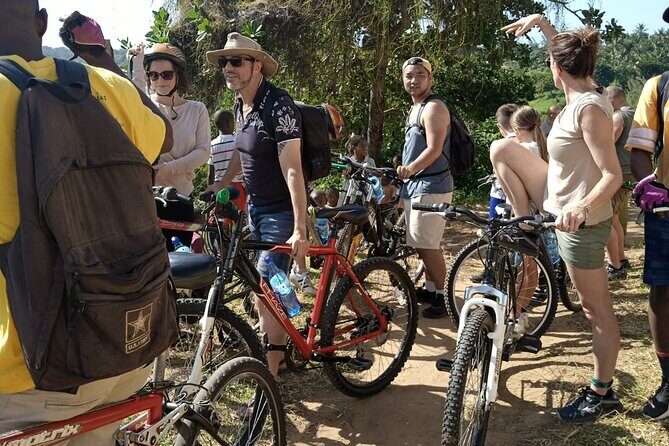
A rented helmet can mean extra sun and sweat on your head, so the tour guidance includes a practical tip: bring a head scarf. Even if you’re not a scarf person at home, it’s an easy fix once you’re using the helmet.
You’ll also want:
- a T-shirt and trousers (not just shorts if you’re sensitive to sun and dust)
- training shoes or other solid shoes for unpaved surfaces
- sun protection for a morning that turns bright fast
The tour operates in all weather conditions, so dress appropriately. If it’s rained recently, your shoes and clothing matter even more.
Price and Value: Why $48 Often Works Out Well
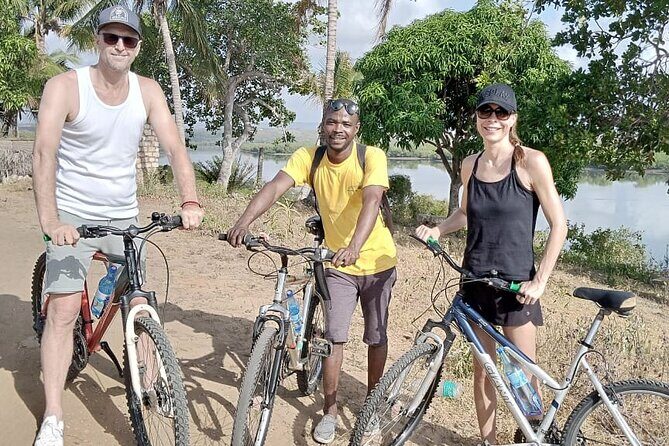
At $48 per person for roughly a half day, the price feels fair because the tour includes the main costs most riders would otherwise add up: the bike and protective gear, plus a local guide.
It also includes refreshments—bottled water and snacks—and the structure is built around guided riding rather than just handing you a route map. When you factor in that you’re cycling on roads where having a guide helps you move confidently through local areas, the cost-to-time ratio can feel solid.
One pricing nuance: since this is a private tour/activity, the value can be even better if you’re booking as a small group. Private format means you’re not sharing your experience with random strangers who have no idea what difficulty you picked.
Guide Matters: Professional, Caring, and Built for Local Insight
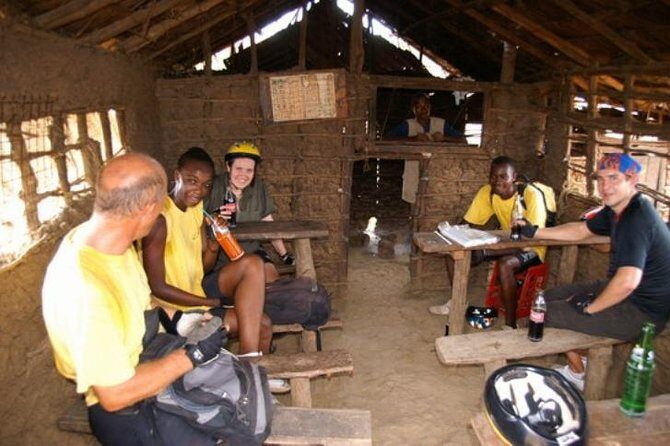
The ride’s success depends on the guide, and the overall feedback on the experience is very consistent on one point: guides are professional and attentive. People note that even when Mombasa had heavy rain the day before, the team stayed on top of the plan and looked after riders.
In particular, Julius is named in feedback as a strong guide—someone who brought guests to side villages and kept a moderate pace. That matters if you like cycling but also want time for the sights and the small moments that make rural travel feel real.
You’ll also get explanation during the ride. It’s not just “pedal here, turn there.” The best part is that the ride feels social and grounded in local geography.
Timing, Pace, and Fitness: Choosing the Ride That Matches You
The tour lists a moderate physical fitness level as the baseline. That doesn’t mean you need to be a cyclist athlete, but it does mean you shouldn’t plan this as an easy sit-and-view activity.
How hard it feels comes down to the route:
- Difficulty 1 options are more about steady riding and scenic variety.
- Difficulty 2 adds more elevation and longer stretches.
- Difficulty 3 to 4 ramps up with a climb-heavy day, including single trail and steeper up-and-down sections.
If you’re unsure, I’d pick a route that matches your comfort rather than chasing the toughest level. The real win is feeling like you can enjoy the views and village moments without arriving at the finish wiped out.
Weather Reality in Coastal Kenya: Dress Smart, Don’t Cancel
Mombasa weather can change fast. One thing I’d take seriously: the tour is designed to operate in all weather conditions, so you should dress for it.
That means:
- bring clothing that can handle damp air or post-rain dust
- wear solid shoes that grip on unpaved ground
- plan for the ride to feel different if the paths are slick or uneven
The good news from experience reports is that rain doesn’t automatically ruin the day. The team approach sounds organized and rider-focused, which helps you stay confident even when the coast has wet weather in the background.
Who Should Book This Tour From Shanzu
This is a great fit if you:
- want an active half day that still feels cultural and local
- like rural scenery more than just resort-area views
- want a guided ride that handles logistics and safety on unpaved roads
- prefer a calmer road experience with no heavy traffic
It’s especially good for people who like the idea of riding through traditional villages, palm and mango areas, shamba farms, and creek viewpoints in one outing. And because it’s private, it can work well for couples or small groups who want a shared pace.
If you’re sensitive to hills or rougher trail, choose the easier routes first. For those who want challenge, the Adventure option gives you the climb and single trail that harder riders are looking for.
Should You Book Bike the Coast in Mombasa?
Yes, if you want the Mombasa area beyond the beach strip. This is one of those tours where the effort pays you back quickly: you’re not just traveling to a viewpoint—you’re riding through the everyday scenery that most people never see.
I’d book it when you can arrive at Shanzu on time for an 8:00 am start, and when you’re ready to do a few hours of cycling on unpaved roads. Pick the route level that matches your comfort, pack the head scarf, and wear solid shoes—then you’ll be set for a memorable half-day ride into rural coastal Kenya.
FAQ
What time does the bike tour start?
The tour starts at 8:00 am at the meeting point in Shanzu, Mombasa.
How long is the half-day scenic bike tour?
It runs about 4 hours on average, with cycling time typically around 2.5 to 3.5 hours plus breaks.
Where do I meet, and where does it end?
You meet at the Mombasa Go-Kart and Adventure Park in Shanzu and the tour ends back at the same meeting point.
What does the tour cost?
The price is $48.00 per person.
What routes and difficulty levels are available?
There are four standard routes with difficulty ranging from 1 to 4, including options like Along The Coast, Three Coastal Areas, Along The Creek, and The Bike Adventure.
What’s included in the price?
Inclusions include bicycle use, helmet, local guide, snacks, and bottled water. The highlights also mention gloves being included.
Do I need hotel pickup or drop-off?
No. Hotel pickup and hotel drop-off are not included.
What should I bring for the ride?
Bring T-shirt and trousers, training shoes or other solid shoes, sun protection, and a head scarf since you’ll use a rented helmet. The tour operates in all weather conditions, so dress appropriately.