REVIEW · MOMBASA
Walking Tour Through Old Town Mombasa and Fort Jesus
Book on Viator →Operated by Humphrey Ndungu Tours · Bookable on Viator
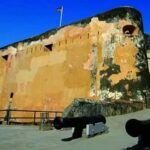
Fort Jesus has a way of grabbing your attention fast. This walking tour stitches together Old Town sights with a guided visit to the UNESCO Fort Jesus Museum, plus side stops that explain what you’d miss wandering solo. You’ll also hear how Portuguese, Omani Arabs, and British influences shaped this port city over time.
I like that the pace is easy and flexible. You’re not herded like cattle—you can slow down for photos, shop breaks, or a quick look at the fish market scenes. I also like the stop selection: the spice market built in 1914, the Moi Avenue tusks commissioned for Queen Elizabeth’s visit in 1952, and the Old Town lanes leading past the Hindu temple and old port area.
One thing to consider: Fort Jesus entrance isn’t included. Also, even though it’s private, a couple of logistics issues have been reported when plans overlap with other groups, which can affect how long you spend at the fort.
In This Review
- Key points before you go
- Starting at Fort Jesus Museum: Why This Tour Begins at the Right Place
- Walking Old Town Mombasa Like a Local: Pace, Stops, and a Meaningful Route
- Moi Avenue Elephant Tusks: A 1952 Royal Detail You’ll Walk Past Without Knowing
- The Spice Market Stop: The Oldest Market in Mombasa, Built in 1914
- Old Port, Fish Market, and a Hindu Temple: More Than Postcards
- Akamba Handicraft: A Built-In Shopping Break That Doesn’t Feel Random
- Fort Jesus Guided Museum Time: Portuguese, Oman Arabs, and British Influences
- Private Tour Comfort in a Busy City: What Flexibility Really Means
- Price and Value: What $50 Gets You (and What to Budget Extra)
- Practical Tips: How to Get the Most Out of the Walk
- Should You Book This Old Town Mombasa and Fort Jesus Tour?
- FAQ
- How long is the walking tour?
- Where does the tour start and end?
- Is Fort Jesus entrance included in the price?
- What sights do you stop at during the walk?
- Is this a private tour or shared group?
- Do I get a mobile ticket?
- What is included, and what is not?
- What’s the meeting-point area like for getting there?
- What happens if the weather is bad?
- When do I get confirmation?
Key points before you go
- Fort Jesus Museum starts the tour and sets context before you walk the older streets
- Moi Avenue tusks connect a royal 1952 visit to today’s street landmarks
- Spice Market is a real sensory stop (and it’s the oldest market in Mombasa)
- Old Town walking includes fish market, old port area, and a Hindu temple
- Akamba Handicraft is a built-in shopping pause for locally made souvenirs
- Fort Jesus guided time is included, but entry fees aren’t
Starting at Fort Jesus Museum: Why This Tour Begins at the Right Place
If you’re only in Mombasa for a day, this is one of the smartest ways to start. You meet at the Fort Jesus Museum, right at the UNESCO site, so your guide can explain the big story first—before you go hunting for clues in the streets.
That matters because Old Town can feel like a jumble if you don’t know what you’re looking at. Portuguese-era walls, trade routes, and later influences all connect to why certain neighborhoods and waterfront areas grew the way they did. When you begin here, the walking portion turns from sightseeing into understanding.
You can also read our reviews of more walking tours in Mombasa



Walking Old Town Mombasa Like a Local: Pace, Stops, and a Meaningful Route
This is designed as a guided walk with multiple short stops. You’ll move through Old Town Mombasa, including the fish market area, old port area, and the Hindu temple, plus a handicrafts stop at Akamba Handicraft.
What you’ll feel most is the rhythm: quick orientation, then short photo and shopping breaks. The tour is scheduled for 2 to 4 hours, and it ends back at the meeting point—meaning the rest of your day is yours to shape.
Moi Avenue Elephant Tusks: A 1952 Royal Detail You’ll Walk Past Without Knowing
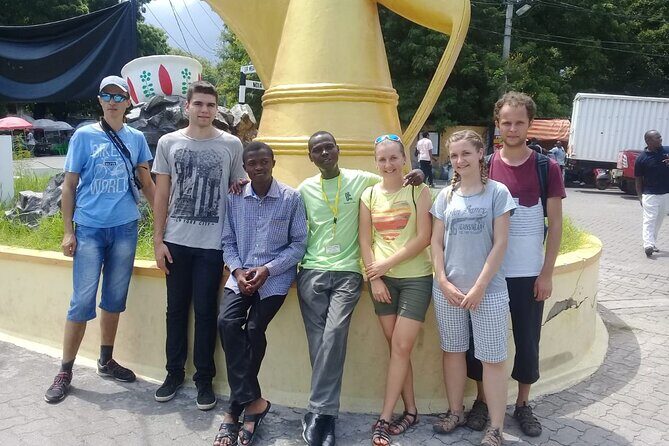
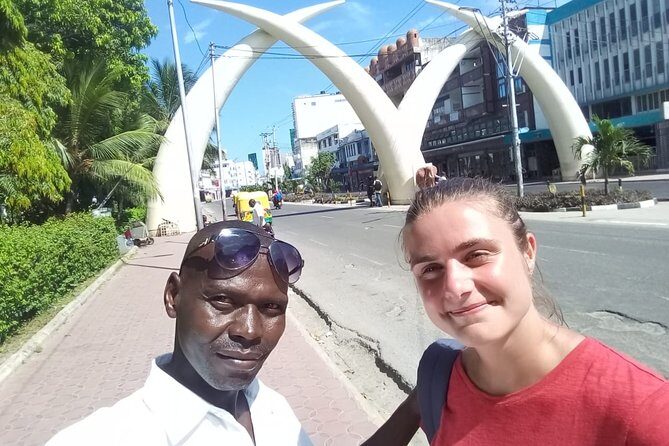
First up is a photo stop at the Mombasa Tusks on Moi Avenue. They were commissioned to commemorate a visit of Queen Elizabeth in 1952, which gives the landmark a specific hook instead of just being a pretty street feature.
This stop is short, but it’s useful. A guide’s job isn’t only to recite facts—it’s to show you why a small detail matters. Here, you’re learning how public monuments in Mombasa reflect big political and cultural moments.
The Spice Market Stop: The Oldest Market in Mombasa, Built in 1914
Next comes the spice market stop. It’s described as the oldest market in Mombasa, built in 1914 by the British Colony, and it pulls in visitors from around the world.
I like this stop because it works on multiple levels. Yes, you get to browse spices like cardamom, pepper, turmeric, and curry powders, but you also get a window into trade—how goods moved through this port city and how flavors became part of daily life. The “what will you try?” prompt isn’t just for fun; it’s a reminder to engage with the market the way locals do, by asking questions and comparing smells and colors.
Old Port, Fish Market, and a Hindu Temple: More Than Postcards
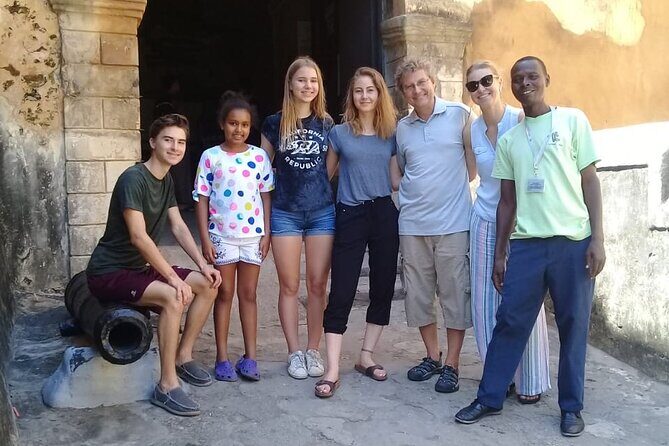
The Old Town segment is where the tour starts to feel like walking through living history. You’ll pass through areas connected to the Fish Market and the Old Port, and you’ll also visit the Hindu Temple.
This mix is valuable. Fort Jesus explains the major power players, but the street-level sights show how religion, commerce, and everyday life overlap. It’s also the part of the walk where you can ask practical questions—about neighborhoods, community customs, or what certain places are known for today.





Akamba Handicraft: A Built-In Shopping Break That Doesn’t Feel Random
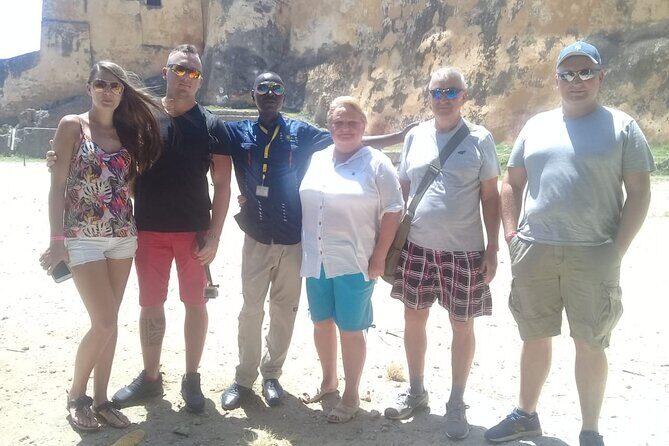
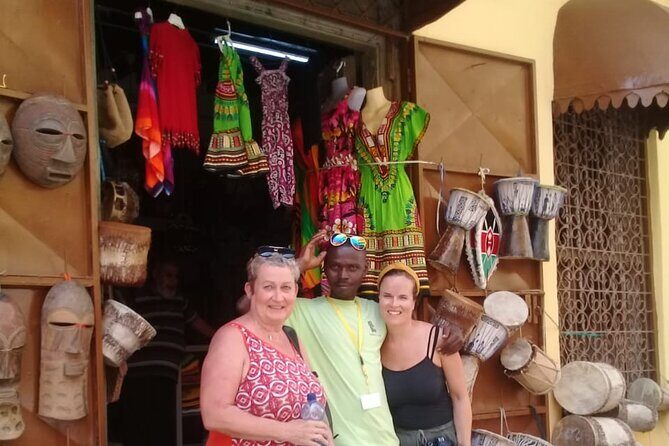
At some point you’ll stop for handicrafts at Akamba Handicraft. This is a smart addition if you want souvenirs without turning your day into a separate shopping mission.
The benefit here is time and context. Instead of wandering into a shop and guessing what you’re looking at, you get a guide’s help to understand what’s being made and where it fits into the local craft scene. It’s also a good pace break—hands get tired from holding a camera, and feet get tired from walking—so the tour offers a natural reset.
Fort Jesus Guided Museum Time: Portuguese, Oman Arabs, and British Influences
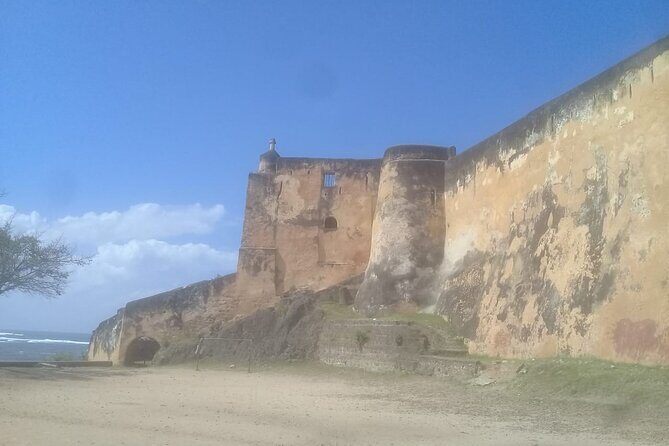
Your tour time inside Fort Jesus is a guided museum visit and walk through the fort. Fort Jesus is a UNESCO World Heritage Site, and the guide explains the layers of influence: Portuguese, Omani Arabs, and British.
This is the core value of the experience. Even if you read a few things before you arrive, the fort’s story can be hard to piece together alone. A guide ties the museum explanations to what you’re seeing around you—so you leave with a clear picture, not just a list of exhibits.
One more practical note: the tour includes guided time through the fort and the museum, but entrance to Fort Jesus is not included. So plan on paying the entry fee on-site. One guest specifically reported an entry cost of 1200 KSH, which may help you budget, but it can vary by situation.
Private Tour Comfort in a Busy City: What Flexibility Really Means
Even though this is a private tour (just your group), flexibility can mean different things depending on what’s happening around the meeting point. Several experiences emphasize that the guide is early, communicates clearly, and gives you time to move at your own speed.
Still, it’s worth being realistic. A few people noted their time felt affected when another group’s schedule overlapped, leading to waiting or a shorter-than-expected visit. If you’re the type who gets stressed when plans compress, it helps to keep your day unbooked and give yourself buffer time after the tour.
On the flip side, the best outcomes sound like exactly what you’d want in a port city with distractions: safety-minded guidance, a calm pace, and room for questions. Many guides also take photos for you, which matters in Fort Jesus where you’ll want a few “standing here makes sense” shots.
Price and Value: What $50 Gets You (and What to Budget Extra)
At $50 per person, you’re paying for a guided walkthrough with multiple stops and guided time at Fort Jesus. The tour notes that it includes all fees and taxes, but it clearly lists Fort Jesus entrance as not included.
So the honest value equation is: $50 for the walk and guidance, plus an entry fee at the fort. If you enjoy history and street-level context, that’s a fair trade because you’re not just looking at buildings—you’re getting an explanation for why they matter.
Why some people may feel split:
- If you end up with a shorter walk than expected, the price can feel heavier.
- If entry fees add up and you didn’t plan for them, surprise costs sting.
- If your group meets overlap timing issues, you might not get the full time inside certain areas.
If you’re the kind of traveler who likes to ask questions and learn as you walk, the guide time is usually the part you value most. If you mostly want a quick photo loop, you might feel you could do it independently. This tour sits in the middle: it’s compact enough for a free afternoon, but structured enough to make the history click.
Practical Tips: How to Get the Most Out of the Walk
Because this is a walking tour, start with the basics. Comfortable shoes help, and light sun protection can make a big difference if your schedule lands in warmer hours.
For the stops, think “questions first, browsing second.” At the spice market, ask what to use spices for, not just what’s for sale. At Akamba Handicraft, slow down—shopping works better when you can compare pieces and not just grab the first souvenir.
At Fort Jesus, treat the entrance fee as part of the plan, not an afterthought. Arriving with the understanding that the fort is paid entry lets you focus on the guided parts instead of managing surprise expenses on-site.
Finally, keep your schedule flexible after the tour. The tour ends back at the meeting point, and the rest of your day is free by design. Use that window to go for lunch or coffee nearby, or just linger in Old Town lanes while the stories are fresh.
Should You Book This Old Town Mombasa and Fort Jesus Tour?
I’d book this tour if you want a guided way to connect Old Town street sights with the big UNESCO story at Fort Jesus. The stop lineup works well for first-timers: tusks on Moi Avenue, the spice market built in 1914, Old Town areas tied to the port and fish trade, a Hindu temple visit, and a handicrafts stop for souvenirs.
I’d reconsider if you’re very price-sensitive and don’t want to add on any on-site fees. It’s also a better fit if your day can handle a small chance of timing overlap, since a few departures have been reported as compressed by other group logistics.
If you want a compact half-day in Mombasa that leaves you understanding what you just saw, this is a strong bet.
FAQ
How long is the walking tour?
The tour runs about 2 to 4 hours, depending on pace and time spent at stops.
Where does the tour start and end?
It starts at Fort Jesus Museum on Nkurumah Rd in Mombasa and ends back at the same meeting point.
Is Fort Jesus entrance included in the price?
No. Entrance to Fort Jesus is listed as not included, so you should expect to pay the entry fee on-site.
What sights do you stop at during the walk?
Key stops include the Mombasa Tusks on Moi Avenue, the spice market, Old Town areas such as the fish market and old port area, the Hindu temple, and a handicrafts stop at Akamba Handicraft. The tour also includes a guided visit at Fort Jesus.
Is this a private tour or shared group?
It’s private. Only your group participates.
Do I get a mobile ticket?
Yes. The tour provides a mobile ticket.
What is included, and what is not?
Included covers all fees and taxes. Not included: entrance to Fort Jesus, alcoholic beverages, lunch, coffee and/or tea, and private transportation.
What’s the meeting-point area like for getting there?
The meeting point is near public transportation.
What happens if the weather is bad?
The experience requires good weather. If it’s canceled due to poor weather, you’ll be offered a different date or a full refund.
When do I get confirmation?
Confirmation is received at the time of booking.