REVIEW · NAIROBI
Nairobi: Kibera Slum Tour with Local Social Entrepreneurs
Book on GetYourGuide →Operated by Kibera Slum Tour with a Social Entrepreneur · Bookable on GetYourGuide
A slum tour with real purpose. This short, hands-on Nairobi experience turns Kibera into a place with names, stories, and daily tradeoffs—not just headlines—guided by Kibera-born Luke, a pro who holds a degree. You’ll hit Uweza Art Gallery, a children’s home, a school, a recycling workshop, and a viewpoint that shows how tightly packed life is.
I especially like how Luke guides the conversation. He explains what you’re seeing in plain terms, with deep context about day-to-day challenges like housing, water, waste, health, electricity, unemployment, and education, all from personal experience.
The other big win is the money flow. 30% of the revenue from the tour goes back to support a children’s home and school with essentials like stationeries and school items, so your ticket helps more than once.
In This Review
- Quick takes before you go
- Kibera in 3 hours: what this tour is really about
- Getting started at Greenhouse Mall and finding your guide fast
- Toi Market: the second-hand cloth economy up close
- A children’s home visit: care, schooling, and real human connection
- Uweza Art Gallery: creativity with a job attached
- Kibera View Point: seeing how scale changes everything
- Inside a local house: the 4m × 4m reality check
- Fairview Academy: learning despite limited resources
- Victorious Bone Craft workshop: recycling that creates jobs
- Price and value: what your $40 actually supports
- Safety, respect, and how to get the most from Kibera
- Who this tour suits best (and who should skip it)
- Should you book this Kibera Slum Tour with a Social Entrepreneur?
- FAQ
- How long is the Kibera Slum Tour?
- Where do we meet, and how do we contact the guide?
- What stops are included during the tour?
- Does the tour price support local programs?
- What’s included in the $40 price?
- What language is the tour offered in?
- Is the tour suitable for kids?
- Is there a minimum age for older adults?
- Can I reserve and pay later, and what’s the cancellation policy?
Quick takes before you go

- Kibera-born guide Luke (with a degree) plus a local co-guide on some days, like Clement or Samuel
- 30% revenue support for a children’s home/school with education items
- 7 stops in up to 3 hours, including a market, a school, an art center, and a viewpoint
- A real home visit to understand how a 4m × 4m space gets lived in
- Victorious Bone Craft workshop turns bones, horn, brass padlocks, and camel bone into job-making ornaments
Kibera in 3 hours: what this tour is really about
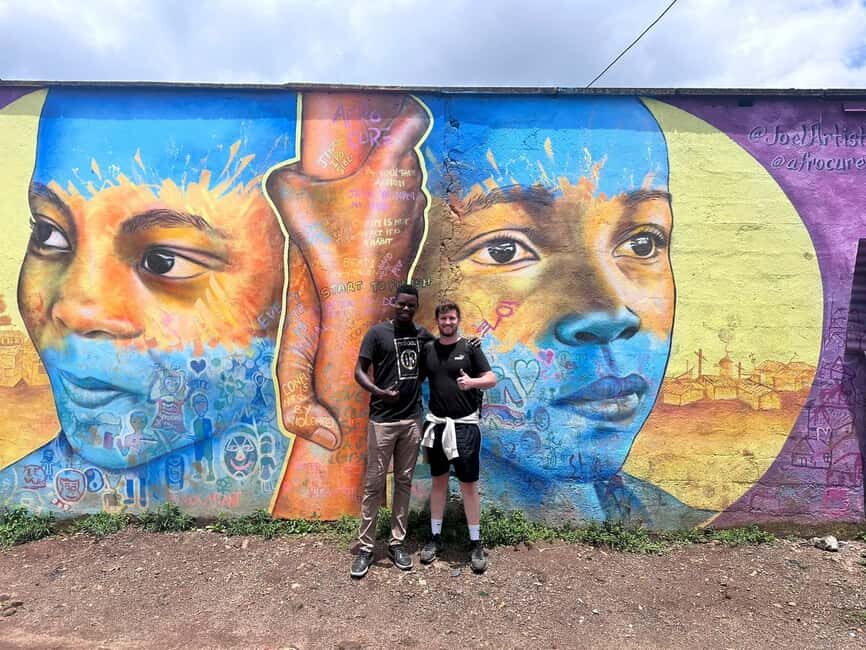
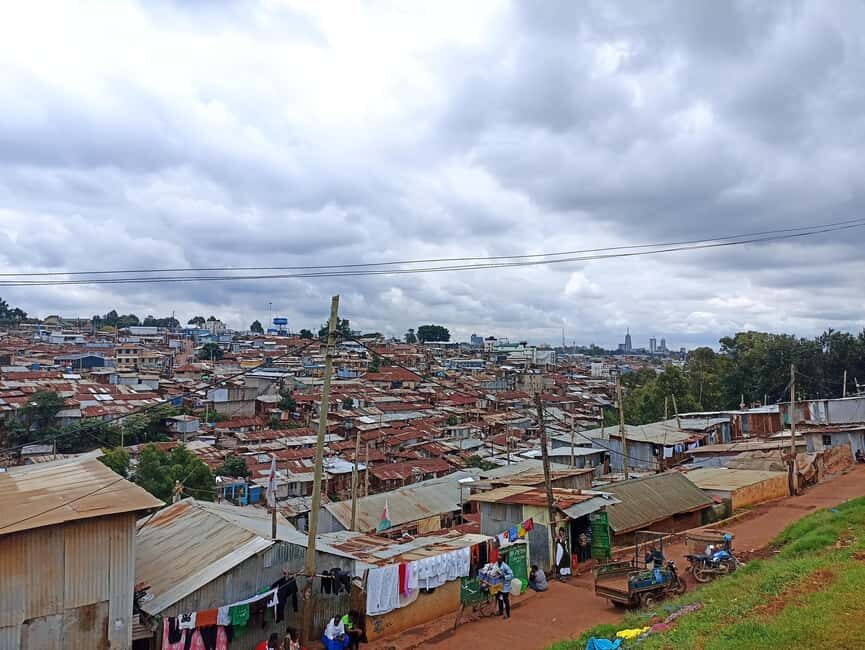
Kibera is Africa’s largest slum, with more than 300,000 people living in about 3 square kilometers. It sits close to Nairobi—roughly 7 km from the city center—and it’s dense enough that you can feel the scale shift the moment you enter.
This tour is designed to be short but meaningful. In a maximum of three hours, you’ll move through places that show different parts of the community: the market economy, child support systems, schooling, art, and local recycling jobs.
You’re not just walking through poverty. You’re seeing how people build routines, relationships, and livelihoods in a place with real constraints.
You can also read our reviews of more tours and experiences in Nairobi.



Getting started at Greenhouse Mall and finding your guide fast
The meeting point is straightforward: the entrance of Greenhouse Mall off Ngong Road at Adams Arcade. Your guide coordinates arrival details by WhatsApp, so it helps to have that app ready on your phone.
One practical detail I like: the guide is local, so you get context immediately instead of waiting for a lecture later. Also, the tour is flexible with scheduling, so if you’re juggling Nairobi plans, it’s easier to fit in.
At the end, you’ll order a taxi back out (Uber or Bolt) from the final stop, and the tour ends back at the meeting area. That structure matters when you’re touring a place new to you—you won’t be left wandering.
Toi Market: the second-hand cloth economy up close
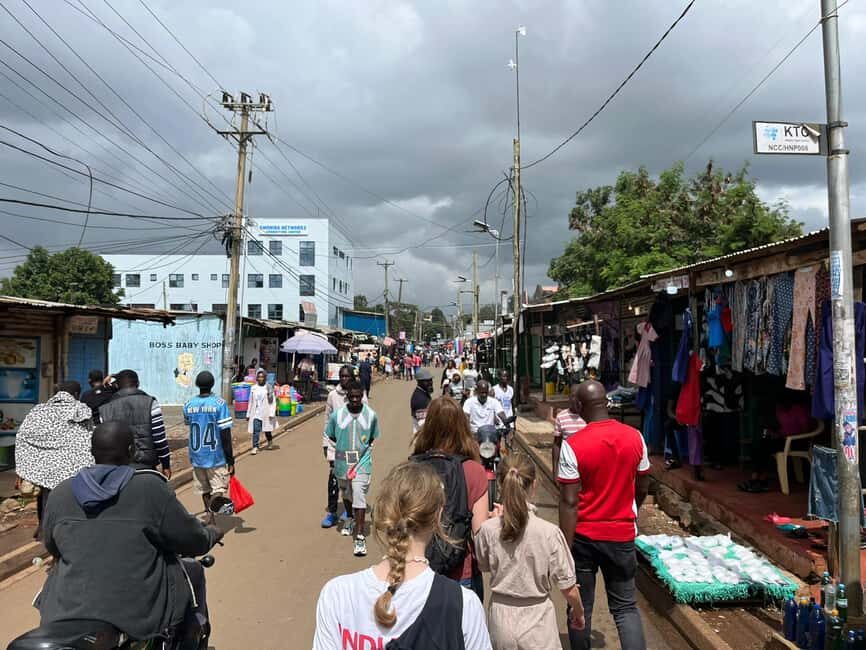
The first major stop after you enter the area is Toi Market, described as Nairobi’s second-largest open-air second-hand clothes market. Here, locals buy used clothing sourced from many places, including Europe, the UK, the USA, and China.
What I like about this stop is how it explains local purchasing power without pretending it’s simple. You’ll see how people stretch budgets and adapt what’s available, and you’ll understand Kibera’s connection to wider global supply chains.
A possible drawback: markets can feel loud and crowded, and you’ll need to keep your pace steady. If you get overwhelmed easily in busy spaces, plan to slow down and stick close to your guide.
A children’s home visit: care, schooling, and real human connection
One of the most impactful parts is a visit to a local children’s home inside the neighborhood. This home supports vulnerable kids from the slum with food, shelter, and education.
The children you meet may include total orphans or kids who were rescued from the streets. That matters, because you’re not viewing a single type of hardship—you’re meeting people who’ve had different starting points and are still building toward school-age life.
This stop is intentionally interactive. It’s also the part that can hit the hardest emotionally, so come with a gentle mindset. You’re there to listen, talk with care, and understand—then leave space for the children to just be children.
Uweza Art Gallery: creativity with a job attached
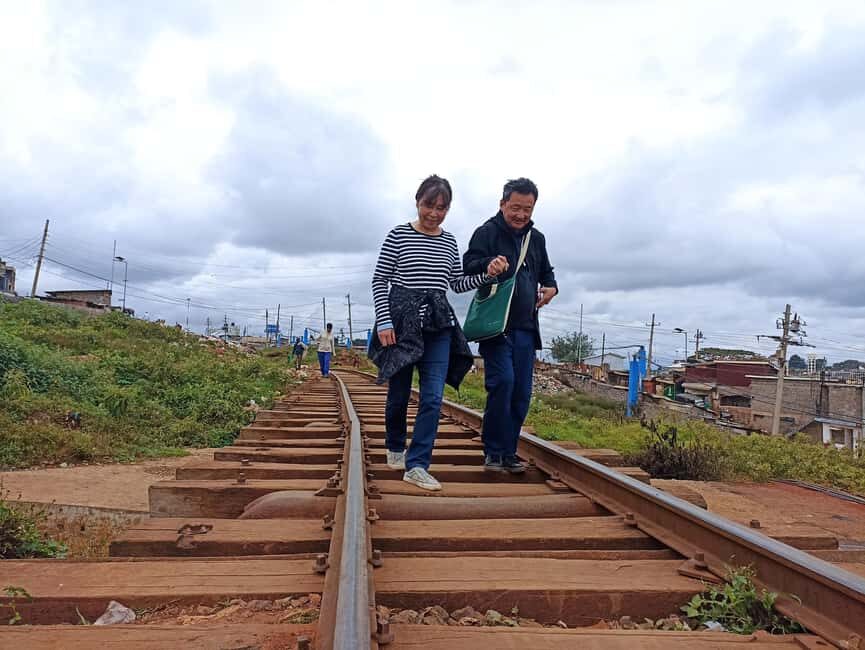
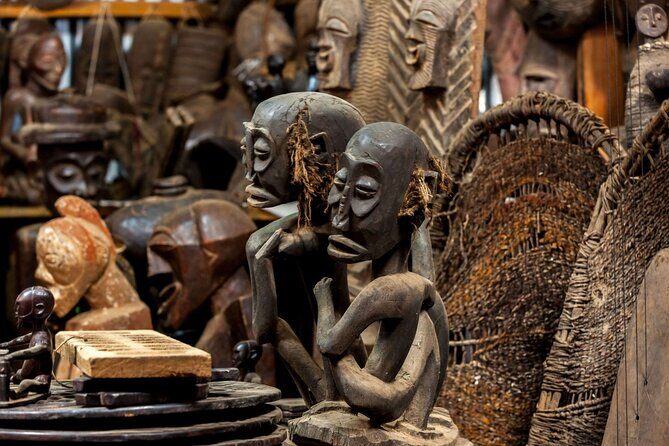
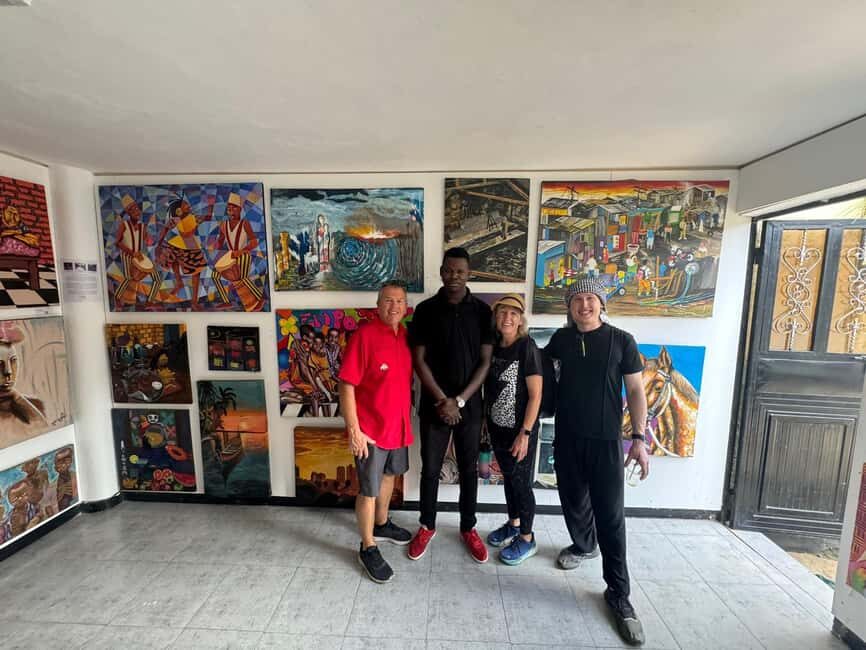
Next comes Uweza Art Gallery, an art center that supports both kids and artists from the slum. The goal isn’t only display. It’s a platform where art becomes a way to work, and where local talent gets seen.
You’ll view pieces made by artists tied to the community, and the guide explains what the art means in context. I like this because it flips the usual charity-only story. It shows skill, choice, and voice.
The practical side: plan to spend real time here. If you rush, you’ll miss the point. Art needs attention, even when you only have a few hours.

Kibera View Point: seeing how scale changes everything
Then you’ll head to a viewpoint near Kibera Town Centre for an aerial look at a section of the slum. The description places this viewpoint near the old Kenya–Uganda Railway line.
Seeing Kibera from above can be startling. From ground level, you experience it as streets, houses, people, and sound. From above, the density hits differently—and you start to understand why services like water, waste management, and power become such hard issues.
A fair consideration: the viewpoint can also make you feel helpless if you only think about what’s missing. Try to pair the view with the stops that follow—workshops and schools show what people do with what they have.
Inside a local house: the 4m × 4m reality check
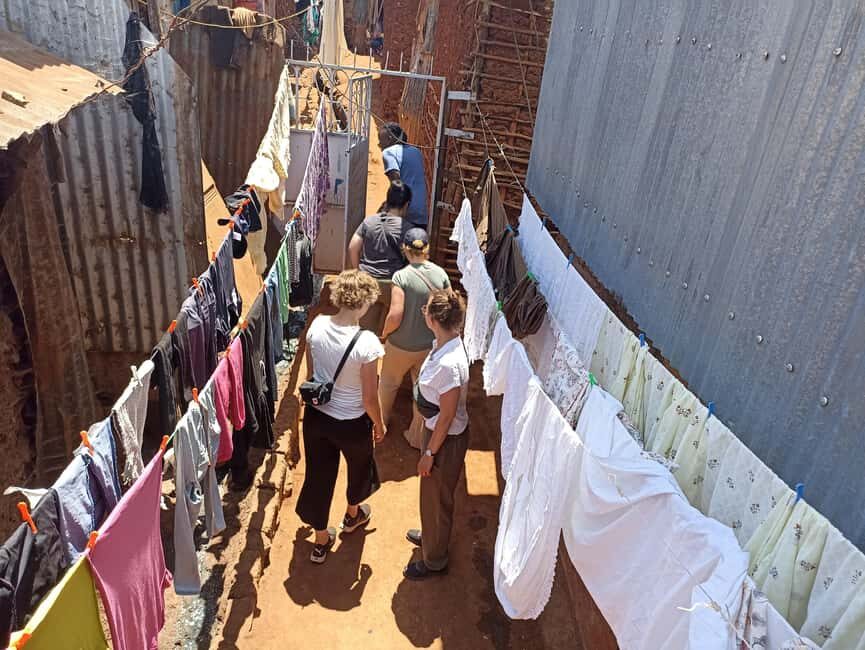
A standout part of this tour is the home visit. You’ll enter a local house to understand the layout of a 4m × 4m space and talk with the family about daily life.
This isn’t about sensationalizing small living quarters. It’s about appreciating how people organize routines—where things go, how space gets used, and how family life continues with dignity in tight conditions.
If you’re the type who needs privacy boundaries, this stop will teach you something fast: you’ll be guided in a respectful way, but you should stay mindful, quiet when appropriate, and follow your guide’s lead.
Fairview Academy: learning despite limited resources

After the home visit, you’ll go to Fairview Academy, a local school in the slum. This is where you get a direct view of resilience in action.
You’ll see children learning even though resources are limited. The guide frames what you’re seeing in terms of effort, persistence, and the practical reality of making education work.
A key thing to remember: a school visit is not a photo safari. You’ll get more from this stop if you ask questions about what school life looks like day to day—how routines run, what challenges exist, and what hope looks like from inside.
Victorious Bone Craft workshop: recycling that creates jobs
The last program stop is Victorious Bone Craft, a local workshop that recycles cow bones, cow horn, used brass padlocks, and camel bone into ornaments.
This is one of my favorite parts because it shows both sides of the same idea: conserving the local environment from pollution and creating jobs through craft.
You’ll learn how raw materials get transformed into items people can buy, which circles back to why visiting Kibera with local social entrepreneurs is different. It’s not only about “seeing.” It’s about understanding how work keeps families steady.
Price and value: what your $40 actually supports
The price is $40 per person, and the standout value point is the funding model. 30% of the tour revenue goes back to support a children’s home and local school, including stationeries and school items.
The tour also includes practical basics so you can focus on the experience: bottled water and the guided visits to Toi Market, the children’s home, Uweza Art Gallery, the viewpoint, a local house, Fairview Academy, and the bone-recycling workshop.
What’s not included is buying souvenirs or other products. If you want to purchase items, it’s your choice. The important part is that you’re not required to hand over extra money to make the tour “count.”
In Nairobi terms, this price feels fair for a short, structured route with a local guide who knows the community personally. The real question isn’t whether it’s “cheap.” It’s whether you’re the kind of person who will take the time to learn and treat the people you meet with respect.
Safety, respect, and how to get the most from Kibera
Based on the way this tour is described, your guide’s local roots are part of the safety equation. Luke grew up in Kibera and knows how to move through the area appropriately, and he also brings a local co-guide on some departures.
Respect here is not optional. Your best move is to approach the tour with humility. Ask questions, listen closely, and don’t push for access beyond what the day allows.
Another practical tip: be honest about your comfort level. The tour is interactive and story-driven, so if you’re tired or emotional, tell the guide. The pacing is short enough that you can still reset without breaking the whole schedule.
Who this tour suits best (and who should skip it)
This experience fits best if you want more than a quick glance. If you like education-through-relationships—markets, schools, art spaces, and workshops—this format will feel satisfying.
It’s also a good match if you’re interested in local social entrepreneurship. You’ll see how art and recycling become livelihoods and how education support ties into the tour’s revenue sharing.
It’s not suitable for children under 7, and it’s not suitable for babies under 1. People over 95 also aren’t the target audience. If you fall into either category, you’ll likely find the pace, walking, and interactive stops harder than expected.
Should you book this Kibera Slum Tour with a Social Entrepreneur?
Yes, if you want a structured, guided look at Kibera that connects daily life to education and work. The blend of market + school + art + workshop + viewpoint gives you a fuller picture than one single stop ever could.
Skip it (or choose a different style of tour) if you want a relaxed, low-emotion outing. This is interactive, personal, and it asks you to pay attention to people’s realities—not just scenery.
If you book, do it with the right mindset: you’re there to learn, not to collect souvenirs or sympathy. Then your visit can feel like the beginning of a real understanding of Nairobi beyond the usual city highlights.
FAQ
How long is the Kibera Slum Tour?
The tour is scheduled for a maximum of 3 hours.
Where do we meet, and how do we contact the guide?
Meet at the entrance of Greenhouse Mall, off Ngong Road at Adams Arcade. You’ll call your guide on the provided WhatsApp number.
What stops are included during the tour?
The included visits are Toi Market, a children’s home, Uweza Art Gallery, a Kibera View Point aerial stop, a local house/home visit, Fairview Academy (school), and the Victorious Bone Craft recycling workshop.
Does the tour price support local programs?
Yes. 30% of the revenue from the tour goes back to support a children’s home and local school, including items like stationeries and other school items.
What’s included in the $40 price?
Included items are the guide fee, bottled water, and the listed visits (market, children’s home, local house, art center, school, workshop, and the viewpoint).
What language is the tour offered in?
The tour is offered in English and Swahili.
Is the tour suitable for kids?
No. It is not suitable for children under 7 years. It is also not suitable for babies under 1 year.
Is there a minimum age for older adults?
The tour is not suitable for people over 95 years.
Can I reserve and pay later, and what’s the cancellation policy?
You can reserve and pay later, keeping plans flexible. Cancellations can be made up to 24 hours in advance for a full refund.