REVIEW · DIANI BEACH
Mombasa City Tour – Fort Jesus, Old Town, Spice Town & Craft
Book on Viator →Operated by Expedition Happy Hour · Bookable on Viator
A morning like this feels like a shortcut through Mombasa. You start at Fort Jesus National Museum, then walk the lanes of Old Town to see how the Kenyan coast has been shaped by Portuguese, Arab, and Asian trade over centuries. I especially like how the stops are paced for real looking, not airport-speed sightseeing, and I also like the mix of history plus hands-on culture at Akamba Handicraft. One thing to plan for: this is a long day because you’re driving from Diani Beach, so you’ll lose a chunk of time on the road.
If you want a city tour that gives you context fast—what you’re seeing and why it matters—this is the kind of route that helps your photos make sense later. Wear comfy shoes for uneven streets, and bring cash for small buys at the craft and spice stops since lunch is not included.
In This Review
- Key highlights to know before you go
- Getting from Diani Beach to the heart of Mombasa
- Fort Jesus: a fortress that explains the coast
- Mombasa Old Town: carved doors and layered cultures
- Marikiti Mtaani spice market: smell, talk, buy
- Pembe Mbili (Mombasa tusks): quick photos with real meaning
- Akamba Handicraft Centre: seeing making, not just buying
- Timing, comfort, and what to pack
- Value: is $98 per person a good deal?
- Service quality: the difference a good guide makes
- Should you book this Mombasa city tour?
- FAQ
- What time is pickup?
- How long does the tour take?
- How much does the tour cost?
- What’s included in the price?
- Is lunch included?
- Do I need to pay entry fees at the stops?
- Is this tour walking-heavy?
- Is it only my group?
- FAQ
- What’s the cancellation policy?
Key highlights to know before you go
- Fort Jesus Museum: Portuguese-built fortress (1593) and a museum stop with an included admission ticket
- Old Town walking: carved doorways and a neighborhood shaped by local, Arab, and Asian settlers
- Marikiti Mtaani spice market: spices, herbs, and everyday ingredients sold by local vendors
- Pembe Mbili tusks on Moi Avenue: four aluminum tusks in an M shape, with dates tied to Queen Elizabeth II’s visit and later renovations
- Akamba Handicraft Centre: see traditional craft from start to finish, plus buy a souvenir you actually want
Getting from Diani Beach to the heart of Mombasa
This tour starts early, with pickup at 7:30 AM and driving into Mombasa. The schedule has about 3 hours of travel time, so even though the sightseeing portion feels manageable, you should treat the whole day like a proper excursion rather than a quick add-on.
I like this setup for one reason: you get a full spread of Mombasa’s core sights in a single outing. You’re not bouncing between random locations on your own time. Still, the trade-off is fatigue. If you’re the type who hates long car rides, consider whether you want to save energy for the beach later.
The tour is also set up as a private tour/activity, meaning it’s just your group. That matters because it usually makes timing feel more flexible when you have questions or want a few extra minutes for photos.
You can also read our reviews of more tours and experiences in Diani Beach.


Fort Jesus: a fortress that explains the coast
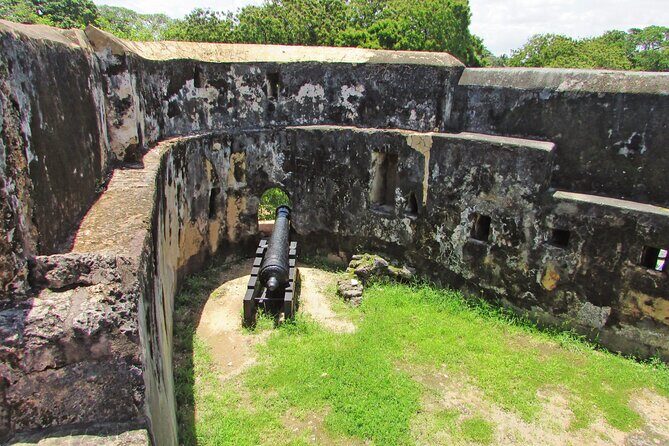
Fort Jesus National Museum is the anchor stop, and it’s an excellent way to begin. Fort Jesus was built by the Portuguese in 1593, designed by Italian architect Joao Batista Cairato, and it was meant to secure the safety of the Portuguese living along the east coast of Africa. You’ll get a focused hour here, plus your admission ticket is included.
What makes this stop click is that the fort is not just an impressive building—it’s a story you can walk inside. You see the kind of power that drove coastal control, and you also understand why the area attracted conflict over time. The fort has faced attacks and hostilities, yet it still stands, and the museum helps you connect the dots without turning the visit into a lecture.
Practical tip: If you like details, go slower than you think you need to. An hour is good, but forts reward curiosity. Also, it’s an indoor/outdoor mix, so bring a light layer you can adjust as temperatures change.
Mombasa Old Town: carved doors and layered cultures
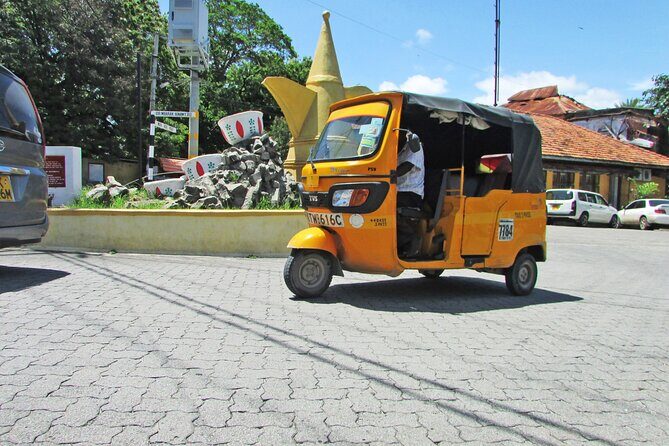
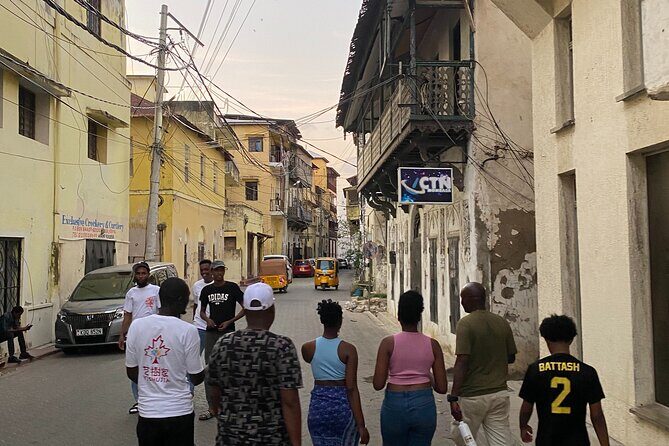
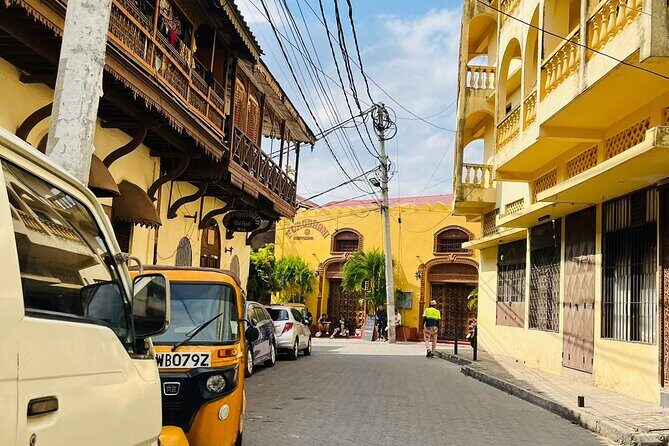
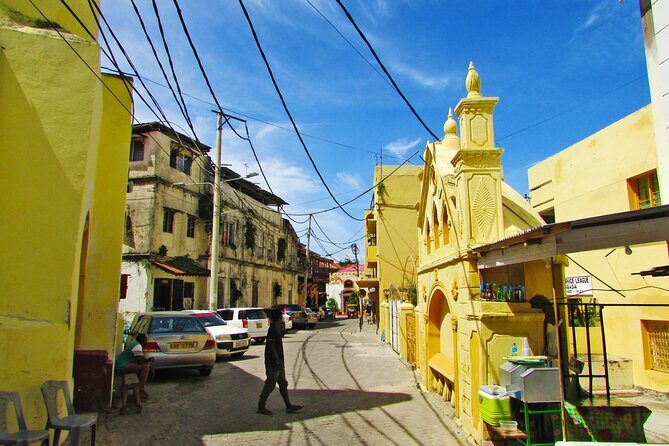
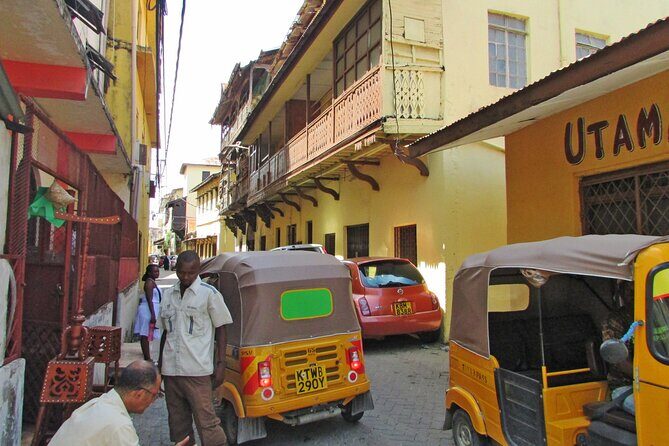
After Fort Jesus, you head into Mombasa Old Town, where the pace shifts from museum learning to street-level history. Old Town covers 72 hectares (180 acres) and is inhabited by a mix of local, Arab, and Asian settlers. Your time here is about 45 minutes, and the admission ticket is included.
The big draw is walking. This is the kind of place where the details do the talking: architecture, street layout, and those famous carved doors. One lesson you’ll come away with is how door design can signal status. Higher tenement buildings often had bigger gateways, heavier padlocks, and larger iron studs—details that reflect the owner’s dignity and security needs.
A consideration: Old Town walking means you should expect uneven streets. It’s not described as a strenuous hike, but it is real walking on real sidewalks. Comfortable shoes are the smart move, and sunglasses help if the street gets bright and open.
Why I think this stop is valuable: Fort Jesus gives you the big-picture conflict. Old Town shows you what the coast looked like for everyday people living through trade and change.
Marikiti Mtaani spice market: smell, talk, buy
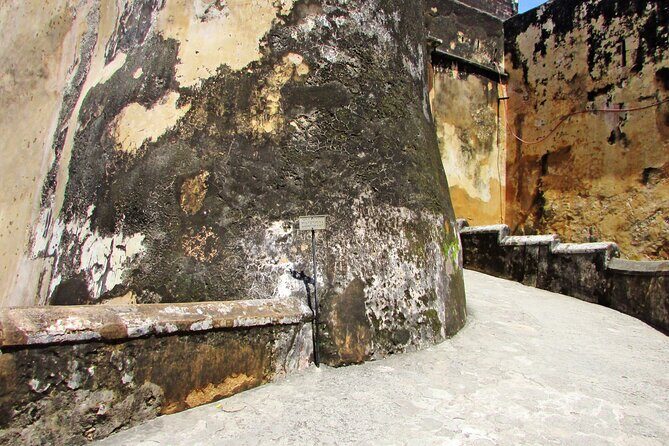
Next comes Marikiti Mtaani, Mombasa’s spice market in the city centre. You’ll spend about 45 minutes here with an included admission ticket. This stop is less about museums and more about the sensory side of trade: spices, herbs, and cooking ingredients sold in stalls that pull you in from the sidewalk.
What I like about adding a market is that it turns history into something practical. The coast didn’t just move ships and soldiers. It moved goods—spices being a major item from long ago to now. You can see how the marketplace works as a social space, not only a shopping stop.
You’ll likely notice that spice shopping is also conversation. Vendors tend to talk about how spices are used and why certain blends matter. Besides spices and herbs, you can find dried fruits, nuts, teas, and even local crafts—so you can build a small set of edible souvenirs if you prefer that to handmade items.
A helpful note: markets are busy for a reason, so keep your belongings secure and don’t rush. Give yourself permission to stop, smell, and ask. Even short visits get better when you talk to one or two vendors instead of grabbing the first thing you see.
Pembe Mbili (Mombasa tusks): quick photos with real meaning
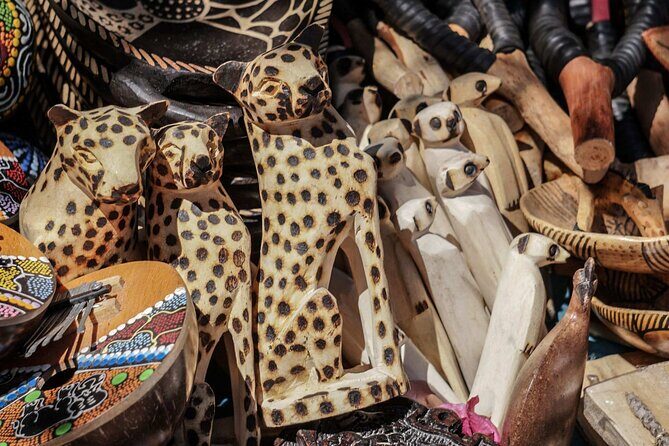
Then you head to the Mombasa tusks, also known as Pembe Mbili. This is a short stop—about 30 minutes—but it’s a great break between the older parts of town and the craft village.
The tusks are four aluminum sculptures arranged in an M shape, located over Moi Avenue, one of the city’s main thoroughfares. They’re the kind of landmark that makes your photos instantly recognizable, especially if you’re doing street-and-monument style travel shots.
Here’s the context that gives the landmark weight: the tusks were constructed in 1952 to commemorate the visit of Queen Elizabeth II. They were renovated and added to in 1956 and later in 2017. So it’s not just a quirky photo spot—it’s a timeline you can point to.
Cultural angle: the tusks are also described as a symbol with significance for people in Mombasa, including being a meeting place for residents. So even if you only spend half an hour, you’re stopping for a reason locals still use.
Photo tip: aim for a couple angles from the side streets if you can, so you’re not only photographing the monument straight-on from the road.



Akamba Handicraft Centre: seeing making, not just buying
Your final main stop is the Akamba Handicraft Centre. You’ll have about 1 hour here, and it’s an included admission stop. This part of the day shifts from viewing to making sense of traditional craft.
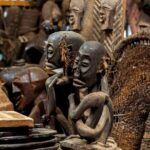
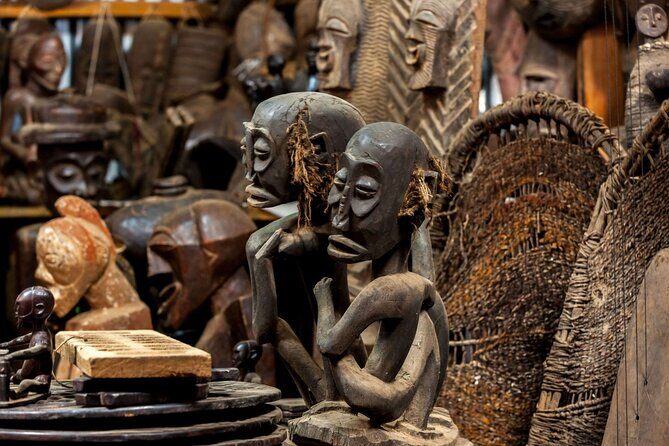
The goal is to show you how African traditional ornament and crafts are created from start to finish. You can expect to see items like carved wood sculptures and woven baskets. There’s also an emphasis on artisans and the fact that skills are passed down through generations.
I like this stop because it gives you a story to attach to the souvenir. Instead of buying something purely as a “thing,” you can buy it because you saw the process and understood what you were supporting.
You may also have the chance to participate in interactive workshops, depending on what’s running that day, and there’s an opportunity to take home a unique souvenir you’ll actually remember.
Practical note: this is where you’ll want some cash if you plan to buy. The tour price covers entry and fees for the stops, but lunch isn’t included, and craft purchases are naturally extra.
Timing, comfort, and what to pack
This tour is built to cover several areas without making you pick between “culture” and “market” and “landmark.” The route is organized, and the stops are timed in a way that keeps you moving. The main risk isn’t overdoing it on foot—it’s the long drive from Diani Beach plus the morning start.
Plan for:
- Comfortable walking shoes for uneven streets in Old Town
- A light layer for temperature swings between morning pickup and city walking
- Sunscreen and water, especially around outdoor sections like the tusks area
- Some cash for spice purchases and craft items
- No lunch included, so consider a quick plan for food before pickup or after drop-off
If you’re traveling as a couple or small family, the private format helps because you’re not trapped behind a large crowd. If you’re traveling solo, it can feel calmer than a packed group-style day.
Value: is $98 per person a good deal?
At $98 per person, the price can feel either steep or fair depending on what you’d otherwise pay to get there and what you care about.
Here’s why it can be good value: you get pickup and drop-off, private transportation, and activity fees, including Fort Jesus entry. Those basics can easily add up if you’re trying to arrange everything separately—especially when you’re starting from Diani Beach and spending hours on the road.
Also, your time is structured: Fort Jesus (1 hour), Old Town (45 minutes), Marikiti Mtaani spice market (45 minutes), Pembe Mbili tusks (30 minutes), and Akamba Handicraft (1 hour). Even with the travel time, you’re using a full day to hit the most recognizable parts of Mombasa’s cultural mix.
The main cost not covered is lunch. If you plan ahead—eat before you start, or grab something after—you’ll feel a lot better about the overall spend.
Service quality: the difference a good guide makes
A tour like this rises or falls on the person guiding the day. In past visits, guides like Moses have been praised for making the history feel connected, not just recited. When someone points out what to watch for—like how Portuguese-era power shows up at Fort Jesus, or why Old Town doors get attention—the stops feel less random and more meaningful.
Even if you’re not chasing deep explanations, a good guide keeps your visit efficient and helps you avoid wasting time on confusion. That’s especially useful when you’re moving between museum spaces, streets, and marketplaces.
Should you book this Mombasa city tour?
Book it if you want a single, well-paced day that covers Fort Jesus, Old Town, the spice market, Pembe Mbili tusks, and Akamba craft without the stress of planning each leg. It’s a strong fit for history-minded travelers who also like markets and souvenirs with a story.
Skip it (or swap the plan) if you hate long drives. From Diani Beach, you’re trading a big chunk of daylight for getting into the city. Also, if you’re sensitive to walking on uneven streets, bring the right shoes and expect slower movement in Old Town.
For most visitors, this tour hits a sweet spot: culture you can see in buildings, streets, and workshops—plus landmarks that make your photos look like you actually did something besides sit still.
FAQ
What time is pickup?
Pickup starts at 7:30 AM.
How long does the tour take?
The sightseeing portion totals about 4 hours, with around 3 hours of travel time, for an overall day of about 7 hours.
How much does the tour cost?
It costs $98.00 per person.
What’s included in the price?
Pickup and drop-off, private transportation, and all activity fees are included, including Fort Jesus entry fees.
Is lunch included?
No, lunch is not included.
Do I need to pay entry fees at the stops?
Activity fees are included, and Fort Jesus admission is included. The itinerary also lists admission tickets included at the other stops.
Is this tour walking-heavy?
There is walking involved on uneven streets, but it’s not described as too strenuous. You should have moderate physical fitness and wear comfortable walking shoes.
Is it only my group?
Yes. It’s a private tour/activity, so only your group participates.
FAQ
What’s the cancellation policy?
Free cancellation is available. You can cancel up to 24 hours in advance for a full refund, and cancellations less than 24 hours before the start time are not refunded.