REVIEW · MAASAI MARA NATIONAL RESERVE
Day Tour Nairobi National Park
Book on Viator →Operated by kenya tour budget safari · Bookable on Viator
A one-day safari can still feel big. With Nairobi National Park so close to the city, you get real wildlife time without a multi-day slog, plus a visit tied to animal rescue. I like that the tour keeps things small-group (max 15 people), so your guide can actually help you spot animals as the day unfolds.
The second thing I really like is the mix of classic game viewing and the safari walk. You’re on elevated wooden boardwalks that let you watch animals graze, feed, and drink from a different angle than a vehicle drive. That change of pace makes the day feel fuller, not just longer.
One thing to consider: this is a full outdoors day in all weather, and there’s walking involved on boardwalk paths. If you’re not feeling steady on your feet, you may want to plan extra time and take it slow, since the route is designed for moderate movement.
In This Review
- Key highlights that make this day tour worth your time
- A one-day safari that doesn’t eat your whole trip
- Morning game drive through savanna grassland and acacia trees
- Why the black rhino sanctuary is more than a photo stop
- The safari walk: watching animals from elevated boardwalks
- The orphanage visit and what it adds to the day
- Lunch timing and how to handle food without surprises
- Pickup, mobile ticket, and the small-group advantage
- Price and value: is $390 a fair deal?
- What to pack and how to get better sightings
- Who this day trip fits best
- Should you book this Nairobi National Park day tour?
- FAQ
- What time does the tour start?
- Is hotel pickup and drop-off included?
- How large is the group?
- What’s included in the ticket price?
- Is lunch included?
- Where does the safari walk take place?
- Does the tour run in bad weather?
- Is there a cancellation refund?
Key highlights that make this day tour worth your time
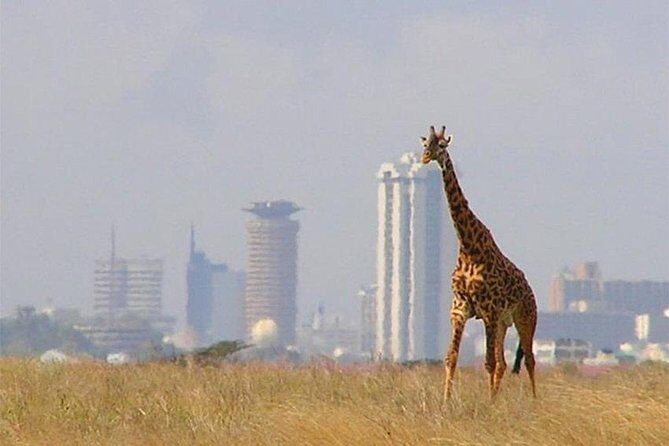
- Close to Nairobi: spend less time in transit and more time watching animals in the grassland
- Small group (max 15): easier spotting, easier questions, less crowding
- Black rhino sanctuary focus: breeding and restocking work you can connect to in real time
- Elevated safari walk: boardwalk viewpoints for lions, rhinos, cheetahs, and more from above
- Animal orphanage visit: rehab for injured animals that would otherwise have died
- 7:00 am start: earlier game-viewing hours when wildlife activity can be stronger
A one-day safari that doesn’t eat your whole trip
If you only have a day in Nairobi, this is a smart way to still see serious wildlife. Nairobi National Park sits about 15 minutes from Nairobi city, so you’re not spending your limited time stuck on long drives just to reach the park gates. The whole point here is simple: maximize time on safari.
Your day starts at 7:00 am, with hotel pickup and drop-off included. That matters more than it sounds. In Nairobi traffic, getting yourself to the park can be stressful, and stress is the enemy of good wildlife spotting. With pickup arranged, you can focus on what you came for: animals, habitat, and the rhythm of the day.
The park itself is old and well-known, and the setting is classic East African savanna. Think open grassland with acacia trees, plus a steady chance of seeing grazing animals at eye level or slightly below you while you scan the horizon for movement.
You can also read our reviews of more tours and experiences in Maasai Mara National Reserve.
Morning game drive through savanna grassland and acacia trees
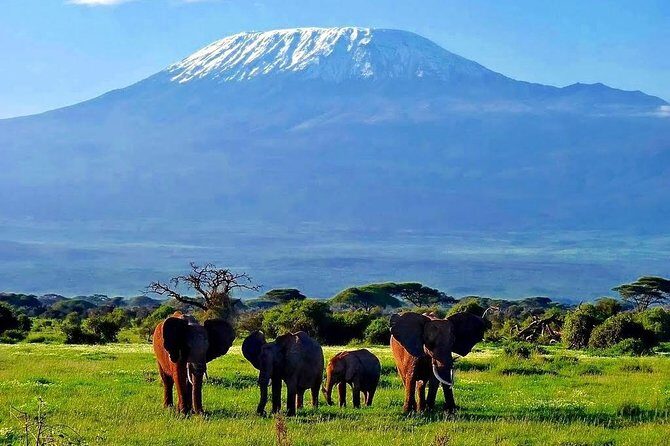
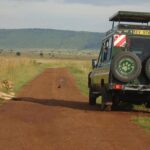
The main safari portion is a guided day tour inside Nairobi National Park, built for full exploration. This is not just a quick loop. You’ll be in the grasslands where wildlife moves through the open areas and around the acacia trees.
What I’d watch for most is the way the park rewards patience. Animals aren’t always in the center of the road where you’d expect them. The grass hides motion, and acacia trees break up sightlines, so a good guide really helps you learn where to look.
Here are some of the species you may encounter during the drive:
- Warthogs in and around grass edges
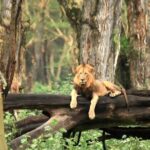
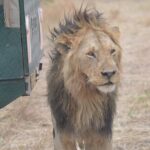
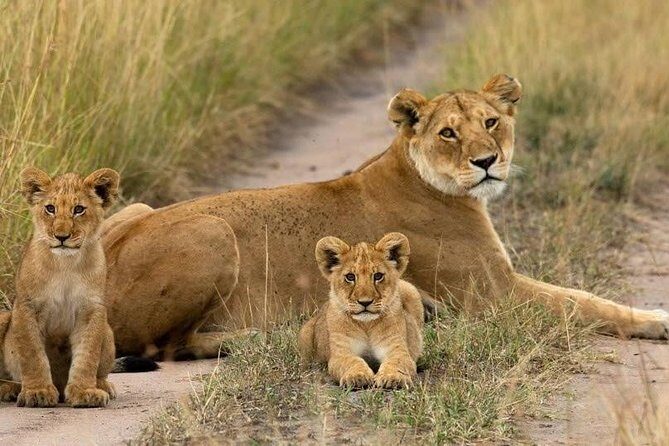
- Lions on lookout and resting spots
- Leopards that can appear when you least expect it (usually by using sightlines carefully)
- Hyenas and cheetahs when the timing is right
- African buffalo in groups
- Black rhinos in the sanctuary area
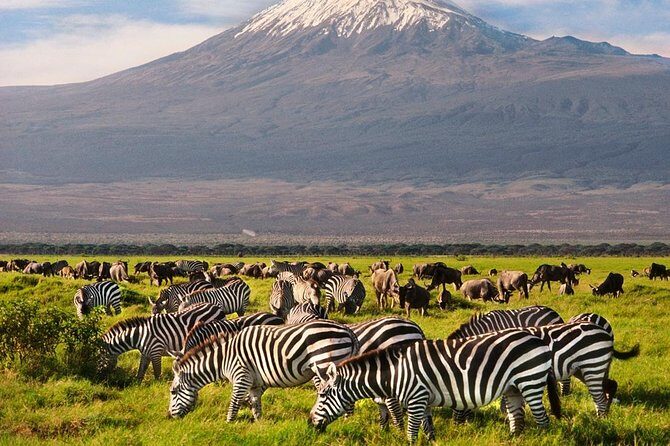
- Zebras and wildebeest depending on season
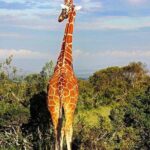
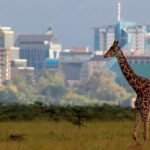
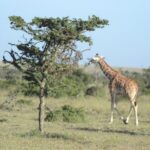
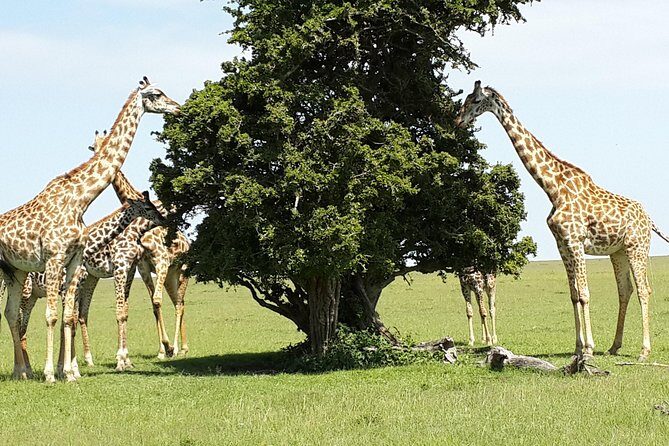
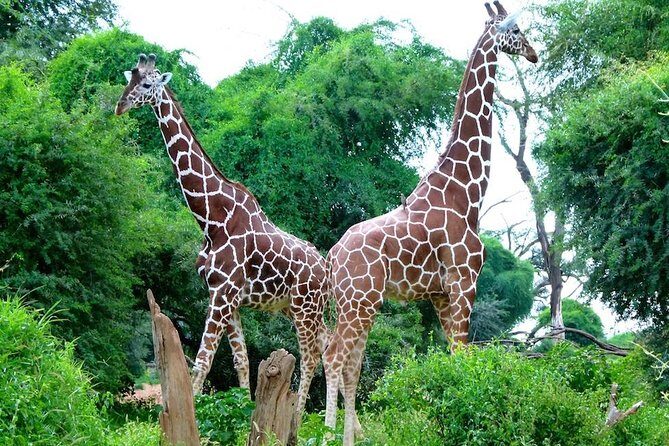
- Rothschild giraffes feeding among acacias
Nairobi National Park also has an added seasonal note: it’s known for wildebeest and zebra migration starting from July. You won’t be guaranteed to see that movement year-round, but if your timing lines up with July, the park becomes an even more exciting stop.
Why the black rhino sanctuary is more than a photo stop
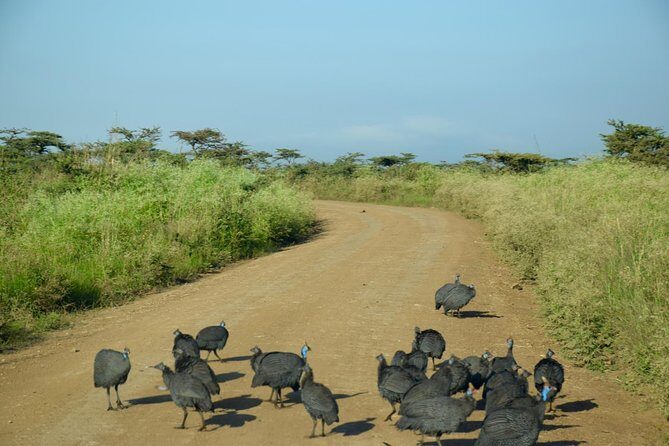
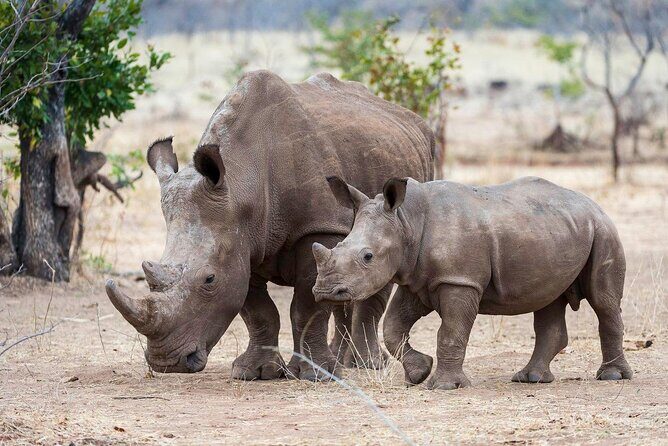
The park visit includes time connected to the black rhino sanctuary, with a focus on breeding and restocking of rhinos into other parks. This is the kind of detail that changes how you experience the day.
Seeing a rhino is impressive. Understanding the goal behind the sanctuary makes it more meaningful. Restocking efforts are about increasing numbers and improving survival chances, not just keeping animals in one place. When you connect that to what you’re seeing in front of you, the animal stops being a distant highlight and starts feeling like part of a living conservation plan.
If you’re the type who likes to connect wildlife to real-world conservation, this portion is one of the biggest reasons to choose a structured day tour instead of trying to wing it. You’re not just driving around hoping for a sighting—you’re being guided to a place with a clear purpose.
The safari walk: watching animals from elevated boardwalks
After the game drive, you’ll shift gears to a safari walk. This is inside the park and happens on elevated wooden boardwalks that wind through a safari area. The elevated view is a big deal because it changes the way animals interact with people and it changes what you notice.
From the boardwalk, you can spot animals as they graze, feed, and drink water. That means you’re not only chasing movement from a vehicle. You’re observing behavior that can look calm from a distance but is actually very active once you’re positioned above the scene.
The walk can include sightings such as:
- Lions, rhinos, cheetahs, and leopards
- Antelopes and gazelles
- Impala, buffalo, and warthog
- Spotted hyena
You’ll also likely notice how quickly animal behavior changes when the habitat is quiet and you’re not blasting along in a vehicle. Boardwalks help keep a slower pace. It’s also a good time to let your eyes adjust and learn the patterns—where animals rest, where they drink, and which routes they use to move through grass and shade.
One practical note: this part does involve walking, and the tour says you should have moderate physical fitness. So wear shoes you trust, keep your pace steady, and use the boardwalk railings when needed.
The orphanage visit and what it adds to the day
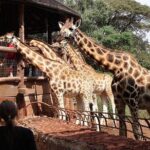
A standout feature here is that the day tour includes an animal orphanage visit. The goal is to rehabilitate injured animals that would otherwise have died. That’s the basic story, and it gives the whole safari day a stronger emotional backbone.
You don’t need to be an animal-rights expert to understand the value. Wildlife rehab is a tough process, and recovery takes time, staff effort, and careful decisions. When that connects to what you’ve already seen on the safari drive, it stops being a separate activity and becomes part of the same wildlife picture: wild animals, human help, and survival.
The orphanage portion also tends to shift your mindset from pure spotting to observation with context. You start paying attention to health and behavior—what an animal can do, how it moves, what it avoids, and what it seeks.
If your day is mainly about wildlife, the orphanage is the part that tends to make people reflect afterward.
Lunch timing and how to handle food without surprises
Lunch is handled at the park restaurant, and it’s scheduled before you visit the safari walk. The tour info is clear that food and drinks are not included, and it also says lunch isn’t included either.
So what does that mean in practice? Plan on eating inside the park, but bring extra cash and be ready to buy what you need on-site. If you like having a water bottle for the drive and walk, don’t assume it’s provided.
Also, remember you’re starting early. At 7:00 am, your body will want fuel by midday. Getting lunch right before the walk is a good rhythm, because it helps you stay focused during the quieter, observation-heavy part of the day.
Dress smart and keep it practical. The tour calls for smart casual, and since it operates in all weather, bring something for rain or cool air. Nairobi mornings can feel different than midday, especially when you’re outside for a long stretch.
Pickup, mobile ticket, and the small-group advantage
This day tour is built around hotel pickup and drop-off, which makes it easier to say yes to a safari when your schedule is tight. It also means you don’t have to arrange separate transport at the last minute.
Another nice touch: you’ll use a mobile ticket. That reduces paperwork friction and helps you stay focused on the day instead of logistics.
The small-group limit of 15 people is one of the best value signals in the whole listing. Big tours can be loud and slow, and wildlife spotting doesn’t work well when the group is spread out and impatient. In a smaller group, you can actually hear the guide, you can see what they’re pointing out, and you can react faster when something interesting moves into view.
That’s the difference between watching wildlife and getting a real safari experience.
Price and value: is $390 a fair deal?
At $390 per person for a one-day Nairobi National Park experience, you’re paying for more than a ride and an animal drive. You’re also paying for:
- National park fees
- A professional guide
- Hotel pickup and drop-off
Food and drinks aren’t included, and lunch isn’t included, so you’ll still need to budget for meals. But once you factor in fees, guide time, and transportation, the price makes sense for a day that’s close enough to avoid multiple-day costs while still delivering multiple safari formats (drive + safari walk + orphanage).
How to judge the value for you:
- If you only have one day, the hotel pickup and short transit time can be worth a lot of money in saved time and saved hassle.
- If you care about conservation meaning (black rhino sanctuary + orphanage), the guided structure gives context that self-guided plans might miss.
- If you prefer a calmer experience, the max 15 group size is the kind of thing you’ll feel on the day, not just read about later.
What to pack and how to get better sightings
You’ll likely be out in savanna conditions for most of the day. Pack for watching, not just for comfort.
Bring:
- Sun protection (it’s a lot of open grass and acacia shade won’t cover everything)
- Layers (since the tour runs in all weather)
- Comfortable walking shoes for the boardwalk section
- A small day bag so you can keep your hands free for spotting
And here’s a real-world tip you should follow: be friendly and respectful toward wildlife and nature. Animals in parks are not background scenery. Move quietly, keep your distance, and let the guide handle the timing.
If you do that, you’ll get more than just sightings. You’ll get better behavior—animals that feel less disrupted and more relaxed in their routines.
Who this day trip fits best
This is ideal if:
- You have limited time in Nairobi and still want wildlife without a multi-day commitment
- You like structured guidance, especially for spotting animals in open savanna
- You want both game viewing and a more reflective conservation element via the orphanage and rhino sanctuary
- You prefer a small group pace rather than a crowded bus vibe
It’s also worth noting the physical side. The tour says moderate physical fitness is required, and children must be accompanied by an adult. If you travel with kids, this can work well if everyone is comfortable walking and staying steady on boardwalk paths.
Should you book this Nairobi National Park day tour?
If you’re trying to squeeze a real safari into a tight Nairobi schedule, I think this is a strong choice. The combination of close proximity to the city, guided game drive, black rhino sanctuary, and an elevated safari walk gives you multiple wildlife angles in a single day. Add in the animal orphanage element, and the day feels bigger than a checklist outing.
Book it if you want:
- maximum wildlife time with less driving time
- a guide who can help you find animals in grass and around acacias
- a day that includes conservation context, not only photos
Skip it only if you can’t handle a full outdoor day with moderate walking, or if you’re hoping for meals and drinks to be fully included. Plan for lunch on your own, dress for weather, and you’ll be set.
FAQ
What time does the tour start?
The tour starts at 7:00 am.
Is hotel pickup and drop-off included?
Yes. Hotel pickup and drop-off are included.
How large is the group?
The tour caps at a maximum of 15 travelers.
What’s included in the ticket price?
Included are national park fees, a professional guide, and hotel pickup and drop-off.
Is lunch included?
No. Food and drinks are not included, and lunch is not included.
Where does the safari walk take place?
The safari walk is done on an elevated wooden boardwalk inside the park area.
Does the tour run in bad weather?
Yes. It operates in all weather conditions, so you’ll want appropriate clothing.
Is there a cancellation refund?
You can cancel for a full refund up to 24 hours before the experience starts. Cancellation within 24 hours isn’t refundable.