REVIEW · NAIROBI
Local Market Tour and Traditional Meal Cooking Class
Book on GetYourGuide →Operated by Nai Local Experience Tours & Safari · Bookable on GetYourGuide
Forget sightseeing. Taste Nairobi life instead. I like how the day starts at Westlands Square and turns fast into a local market walk for fresh ingredients with an English- and Swahili-speaking guide.
The best part is the hands-on cooking class in a real Nairobi home, where you shop, cook together, and then eat what you helped make. It’s also the kind of experience where food talk is part of the fun, not an afterthought.
One practical consideration: the apartment stop is on the 4th floor with stairs only, so plan for a bit of climbing (and wear comfy closed shoes).
In This Review
- Key takeaways before you go
- Westlands Square meet-up and the 3-hour rhythm
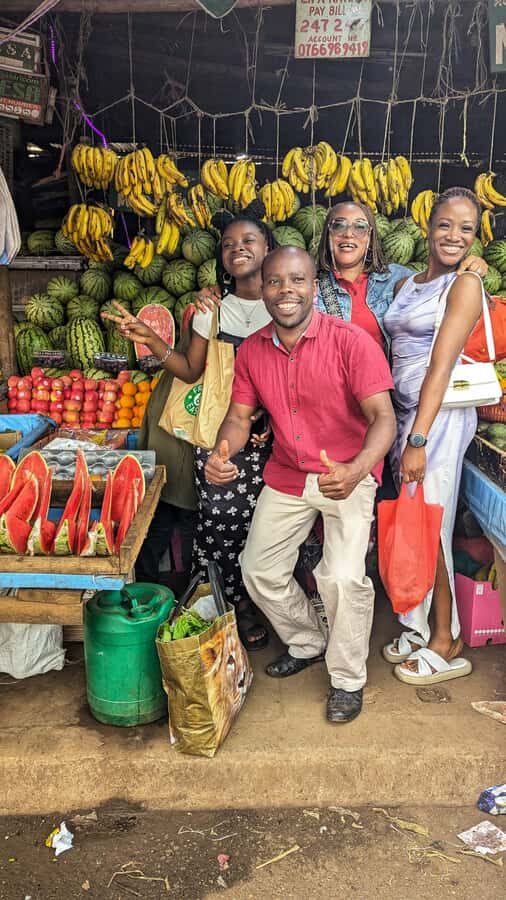
- Shopping at Nairobi’s African fresh market (and why it’s the point)
- Matatu ride and how locals move through Nairobi
- Cooking class in a real home (and the stairs reality check)
- The meal you cook: sampling, eating, and learning the food culture
- What I’d pack and wear for Nairobi market + kitchen time
- Who this tour suits best (and who should think twice)
- Price and value: what $64 gets you in Nairobi
- Should you book this Nairobi market and cooking class?
- FAQ
- Where is the meeting point?
- What time does the tour start, and how long is it?
- What’s included in the price?
- Does the tour accommodate different diets?
- Is hotel pickup or drop-off included?
- What should I bring or wear?
Key takeaways before you go
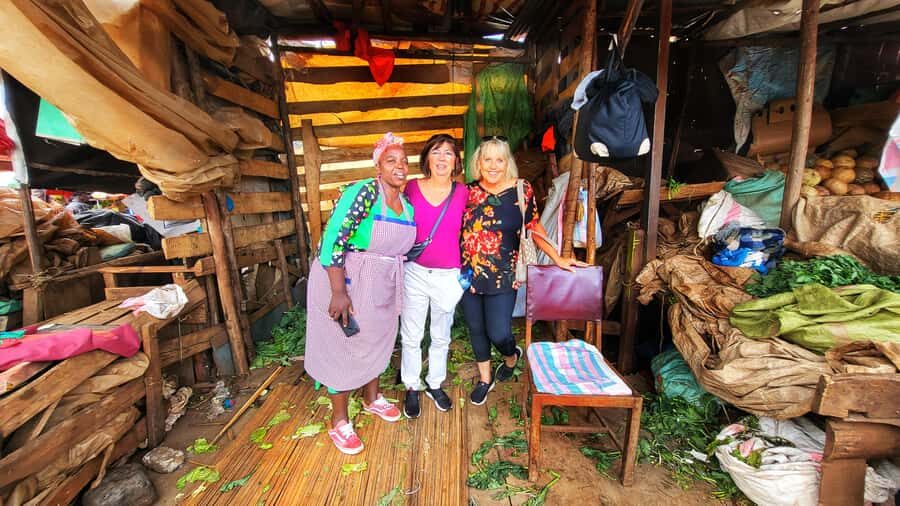
- Small group up to 6 people means more time with your guide and hands-on help in the kitchen
- Local farmers market shopping for fresh foods, not a staged supermarket stop
- Matatu ride experience (optional) for a real public-transport snapshot of Nairobi
- Cooking meals for multiple diets including meat-eaters, pescatarians, vegetarians, and vegans
- You eat and sample the Kenyan meal(s) you cook, with guidance on food culture
- WiFi and a clean washroom are available at the home base
Westlands Square meet-up and the 3-hour rhythm

This is a compact, focused Nairobi experience built around real daily life: a local market, a cooking session, and a meal. You’ll meet at Westlands Square, at the mall entrance near the cafe called Java, and your guide will be there to start you off. The tour runs for about 3 hours, with starting times at 11:30am or 5pm.
There’s no hotel pickup, so you’ll want to factor in how you’ll get to Westlands Square on your own. The upside is that you get going quickly once you’re there, and the schedule stays tight enough to be workable even if you’re only in Nairobi for a short stop.
The group stays small (up to 6 people), and that matters for a class format like this. You’ll be able to ask questions, get help while you’re cooking, and actually talk with your guide instead of watching from the sidelines.
You can also read our reviews of more shopping tours in Nairobi



Shopping at Nairobi’s African fresh market (and why it’s the point)
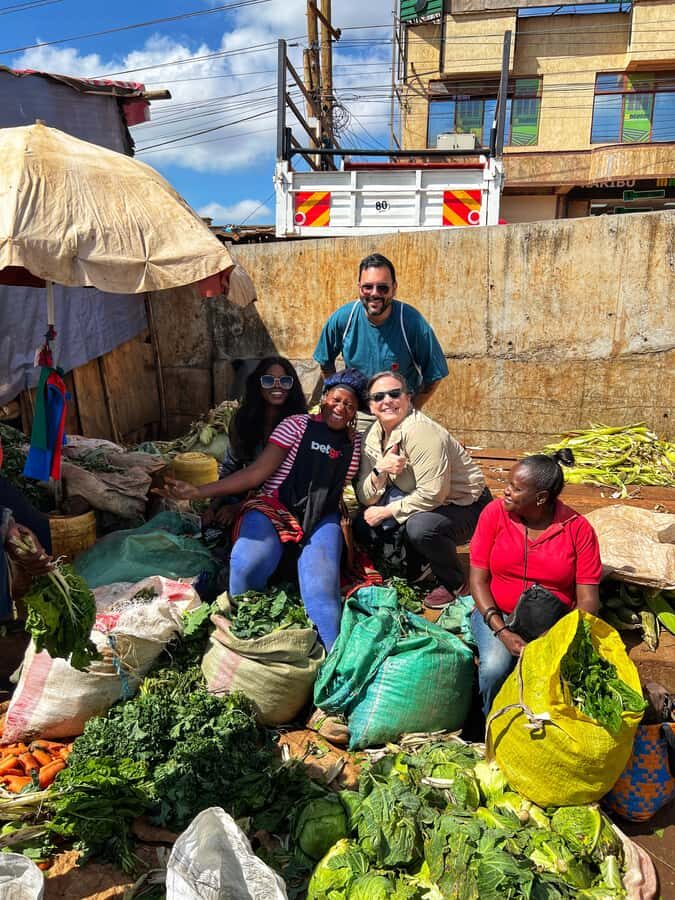
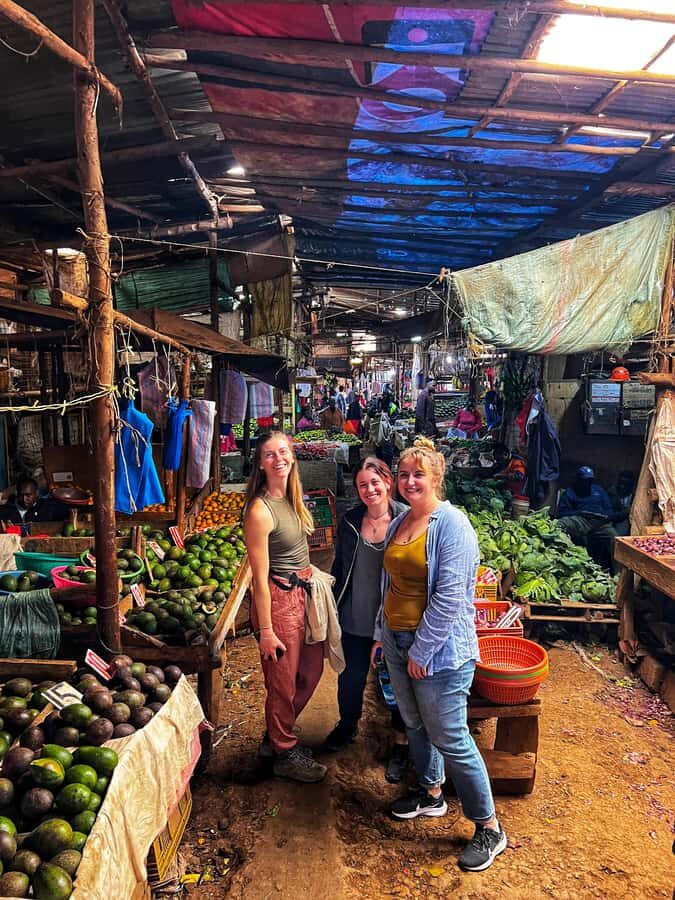
The day kicks off with a guided walk through a local farmers market where you’re shopping for fresh foods. This is one of those rare food experiences where the ingredient list is part of the lesson. Your guide helps you understand what’s in season, what locals look for, and how market shopping fits into everyday Kenyan meal planning.
What I like about this setup is that it connects culture to taste right away. You’re not just learning recipes. You’re learning how people choose ingredients, build meals, and think about food quality in a place where the supply is changing all the time.
You’ll also do the grocery shopping here, so expect to walk, handle items, and get practical guidance. If you’re the type who always wonders how a dish starts before it hits the pan, this is where your questions get answered fast.
A small caution: markets can be a little uneven, and you’ll be standing and walking. Wear flat, closed shoes you can move in comfortably, and bring an umbrella or raincoat if you’re traveling in rainy season.
Matatu ride and how locals move through Nairobi
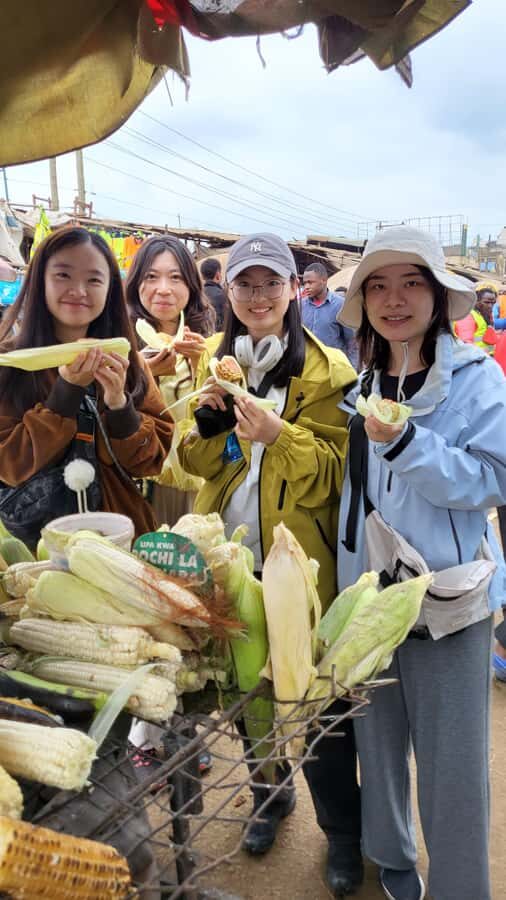
After the market, the day includes a public transport experience on a matatu. It’s listed as optional, so you’ll want to confirm what’s happening for your time slot. Even when it’s optional, the intent is clear: you’re getting more than a classroom view of Nairobi.
A matatu ride helps you understand the city beyond landmarks. You get a sense of timing, flow, and how people actually get from place to place. It’s also a good moment to ask your guide about Nairobi neighborhoods, daily routines, and where food fits into the day.
Depending on traffic, the ride from the market area to the home base is about 10 minutes. Nairobi traffic can be unpredictable, so if you hate delays, keep your expectations flexible.
Cooking class in a real home (and the stairs reality check)
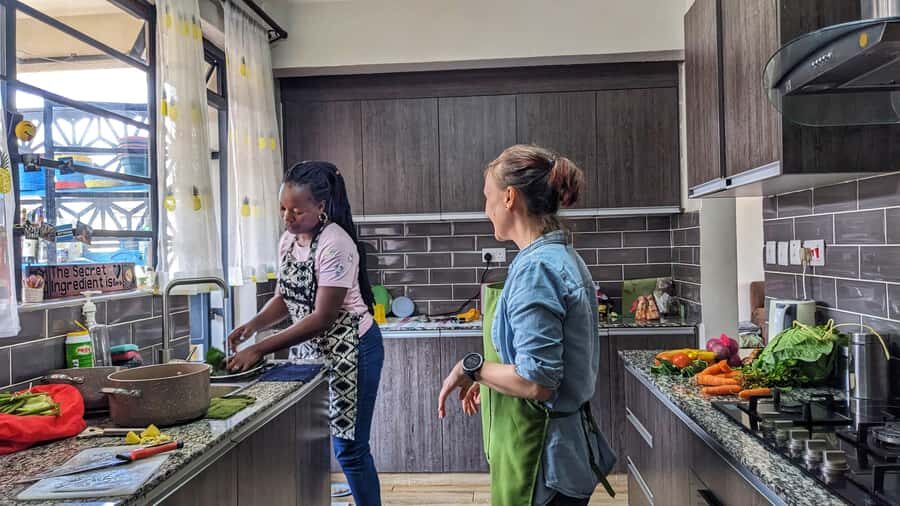
Next comes the cooking part at your guide’s home. The building is a 4th-floor apartment, and the note is plain: there’s no lift, only stairs. If stairs are a problem for you, bring that up early so you can decide if this experience matches your comfort level.
Once you arrive, you’ll settle in and start with refreshments, then begin the cooking lesson. This is a true hands-on class, and that’s where the day becomes more than a food tasting. You’ll be cooking together and you’ll get support as you go, including how to work with fresh ingredients.
The meals you’ll make are Kenyan traditional and national favorites, built from fresh and organic local ingredients. The class also promises dietary coverage: meals fit pescatarian, vegan, vegetarian, and meat-eater preferences. That flexibility is a big deal in a market-and-cooking experience, because it means you aren’t forced into a one-size-fits-all menu.
You might still want to mention any specific preferences ahead of time. If you have strong dislikes or want to adjust spice levels, this is the kind of class where communication helps.
The meal you cook: sampling, eating, and learning the food culture
After the cooking, the experience ends with you eating and sampling the Kenyan traditional meal(s) you helped prepare. This is one of the most satisfying formats: you do the work, you learn the steps, and then you sit down to enjoy the results.
What makes this more valuable than a typical cooking demo is the guided context around food culture. You’re not only repeating a recipe. You’re learning the why behind it—how food habits, market choices, and cooking methods connect.
In the past, guides connected the cooking session to real everyday life in Nairobi, including how people talk about food and the small routines that shape meals. That kind of conversation tends to make the dishes feel more personal, and it can help you make sense of what you’re seeing elsewhere in the city.
One more practical point: because you’re cooking with local ingredients and then eating, come ready to try new textures and flavors. If you’re cautious, tell your guide what you prefer and they can guide you through what’s safe for your tastes.
A few more Nairobi tours and experiences worth a look


What I’d pack and wear for Nairobi market + kitchen time
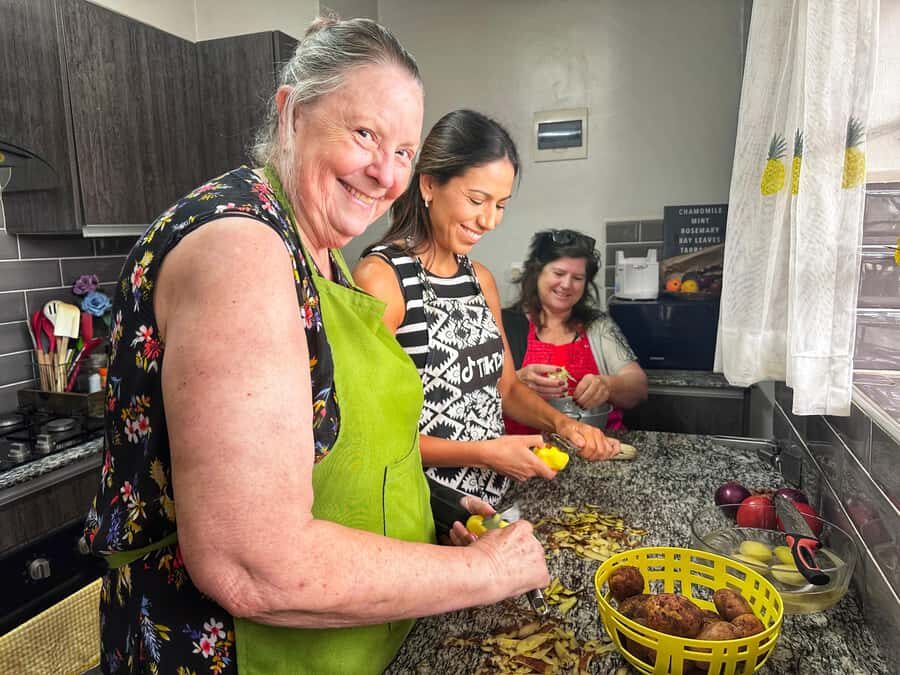
This isn’t a formal setting, but it does have dress expectations. Bring light, modest clothing—think trousers or a long skirt. The guidance is clear: avoid crop tops and shorts, and dress decently for the home setting.
Footwear matters more than you think. You’ll be walking in and around a market, then climbing stairs at the apartment. Wear flat closed shoes that won’t make you fight your way through uneven ground.
If you’re traveling during rainy season, bring an umbrella or raincoat. Even if the skies look calm, Nairobi weather can shift quickly. A light jacket is also a smart add-on for comfort.
Practical bonus at the home base: there’s WiFi and a clean washroom, which makes it easier to relax a bit after the cooking work.
Who this tour suits best (and who should think twice)
This is a good fit if you want Nairobi through daily routines: food shopping, kitchen time, and a shared meal. It’s especially ideal for couples or small groups who enjoy learning by doing, not just watching.
It also fits most diets, since the class is designed for vegan, vegetarian, pescatarian, and meat-eater participants. If you’re traveling with someone who has dietary limits, this format can be a relief because the plan is built to adapt.
Think twice if:
- Stairs are difficult for you. The home base is on the 4th floor with stairs only.
- You have animal allergies. The activity is listed as not suitable for people with animal allergies.
- You dislike public transport, since a matatu ride is included as an optional part of the experience.
Also, note the house rules are part of the experience. Nudity is not allowed, and you’ll be expected to dress modestly.
Price and value: what $64 gets you in Nairobi
At $64 per person for around 3 hours, this isn’t a “budget snack” deal, but it also doesn’t feel overpriced for what’s included. You’re paying for a full experience: market tour and grocery shopping, a cooking class, and then sampling the Kenyan meal(s) you cooked.
A big part of the value is that the experience bundles tasks that would otherwise cost you time and money separately. If you tried to copy the plan yourself, you’d still need local guidance for the market flow and ingredient choices, plus someone to walk you through the cooking steps.
The small-group size (up to 6) is also part of the value equation. With fewer people, you’re more likely to get real help and better conversation. Reviews highlighted professional guidance—people specifically praised guides like Gladys for being careful, prepared, and confident during the cooking and presentation. Others also pointed to Ninoh for warm, hands-on instruction and strong local insight during the market segment and meal conversation.
One more value note: you get help getting out at the end. After the experience, you can request a taxi/Uber at your own cost, and the guide will help you request it back toward your hotel.
Should you book this Nairobi market and cooking class?
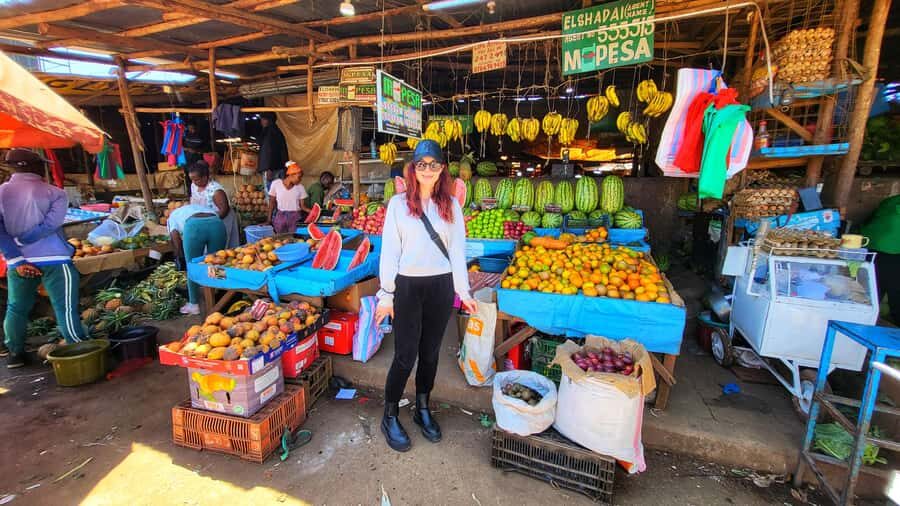
Book it if you want a practical, social way to understand Nairobi through food—starting with market ingredients and ending with a meal you helped cook. This is also a solid choice if you like small groups, hands-on learning, and you’re comfortable with public transport and stairs.
Pass or ask extra questions first if you have mobility limits or animal allergies, since the home base involves stairs and the activity is not suitable for animal allergy concerns. Also, if you’re the type who wants a very “sit and observe” tour, this one involves active participation, including cooking and moving through the market.
If your goal is to leave Nairobi with stories you can actually taste—plus a few cooking skills you can use later—this experience is a strong bet.
FAQ
Where is the meeting point?
You’ll meet at Westlands Square, at the mall entrance by the Java cafe.
What time does the tour start, and how long is it?
It starts at 11:30am or 5pm, and the experience runs for about 3 hours.
What’s included in the price?
The price includes the local farmers market tour and fresh grocery shopping, a cooking class for Kenyan traditional meals, sampling/eating the meals, and a matatu ride experience (listed as optional).
Does the tour accommodate different diets?
Yes. The meals are described as fitting pescatarian, vegan, vegetarian, and meat-eater diets.
Is hotel pickup or drop-off included?
No. Hotel pickup and drop-off are not included, and you’ll make your way to Westlands Square on your own. At the end, the guide can help you request an Uber or taxi at your own cost.
What should I bring or wear?
Wear flat closed shoes and dress modestly (no crop tops or shorts). Bring a light jacket, and if it’s rainy season, bring an umbrella or raincoat.