REVIEW · NAIROBI
6-Day Kenya and Tanzania safari
Book on Viator →Operated by RajaTours Tanzania · Bookable on Viator
Six days, two countries, one wildlife loop. This trip stitches together Masai Mara, Serengeti, and Ngorongoro with overnight stays in mid-range tented camps and safari lodges, using Land Cruisers and minivans for the long moves between parks. I especially like the smart rhythm: more than one day in both Mara and Serengeti, instead of rushing through everything in a blur. I also like that park entry is included (no extra line-item surprises), and the basic food plan is taken care of with breakfast, lunch, and dinner.
The one drawback is simple: travel days add up. Expect long drives, including the Kenya-to-Tanzania border process at Isebania, so you’ll trade a bit of downtime for more time chasing animals. If you want maximum comfort and minimum road time, this isn’t a slow-paced trip.
You’ll also want a good guide, and the experience here has strong proof of that. Names like Chris (Kenya) and Allen/Amani (Tanzania) show up in praise, along with Fredy for those who got him as their driver/guide—people notice because it directly affects where you stop and what you see. Pickup starts at 8:00 am in Nairobi, and the tour finishes in Arusha or the airport.
In This Review
- Key Highlights to Know Before You Go
- Kenya-to-Tanzania Route: Masai Mara, Serengeti, Ngorongoro in 6 Days
- Price and Logistics: Is $5,900 Good Value?
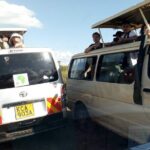
- Getting Around: Minivans, Land Cruisers, and a Border Change at Isebania
- Day 1: Nairobi to Masai Mara with Hot Lunch, First Game Drive, Prideinn Mara Camp
- Day 2: Big Five Chances in Masai Mara—A Full 8-Hour Day and Dinner Back at Mara Prideinn
- Day 3: Into Serengeti via Isebania—Evening Game Drive After Immigration
- Day 4: Serengeti Day with Picnic Lunch—More Hours, More Chances
- Day 5: Ngorongoro Crater Floor Descent—Packed Lunch, Big Herds, Farm of Dreams Lodge
- Day 6: Arusha Drop-Off After Breakfast and Picnic Lunch
- Mid-Range Safari Lodging: What to Expect from Prideinn, Osero, and Farm of Dreams
- Guides and Vehicles: Why Names Like Chris, Allen/Amani, and Fredy Matter
- What to Pack (and How to Stay Comfortable on Game Drive Days)
- Who This Safari Is Best For
- Should You Book This 6-Day Kenya and Tanzania Safari?
- FAQ
- FAQ
- Where does the tour start and end?
- What time is the pickup in Nairobi?
- How long is the safari?
- What parks and reserves are included?
- What vehicles are used during the safari?
- Are meals included?
- Are park admission tickets included?
- What costs are not included?
- Is it possible to cancel and get a full refund?
- Is this tour private?
Key Highlights to Know Before You Go
- Kenya and Tanzania in one loop: Masai Mara, Serengeti, and Ngorongoro all in a single 6-day format.
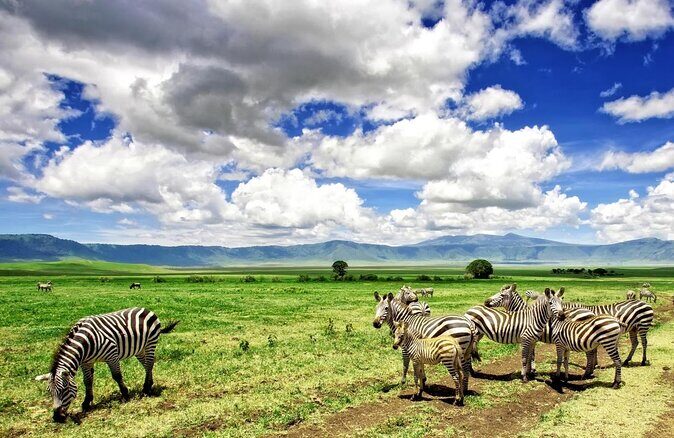
- More time where it counts: Two safari days in both Masai Mara and Serengeti, plus Ngorongoro crater for high-density wildlife viewing.
- Park entry included: Admission tickets are marked as free in the daily plan, so costs and admin are easier.
- Mid-range overnight stays: You’ll sleep in tented camps and safari lodges, not backpacker dorms or ultra-luxury bubbles.
- Guides make the hunt real: Chris, Allen/Amani, and Fredy are specifically mentioned for getting close to action.
- Long drives, built-in transfers: Land Cruisers for game viewing, plus minivans for repositioning and a border change at Isebania.
Kenya-to-Tanzania Route: Masai Mara, Serengeti, Ngorongoro in 6 Days
This is a classic East Africa safari combination, but the value is in how it’s sequenced and paced. You start in Kenya with Masai Mara, then cross into Tanzania to focus on Serengeti, and end with Ngorongoro Crater—a route that gives you multiple shots at big predator moments rather than only one quick scan.
The schedule gives you:
- 2 days in Masai Mara (including a full long day)
- 2 days in Serengeti (with an extra game drive day)
- 1 crater day at Ngorongoro
- 1 travel-and-transfer day each at the start and end
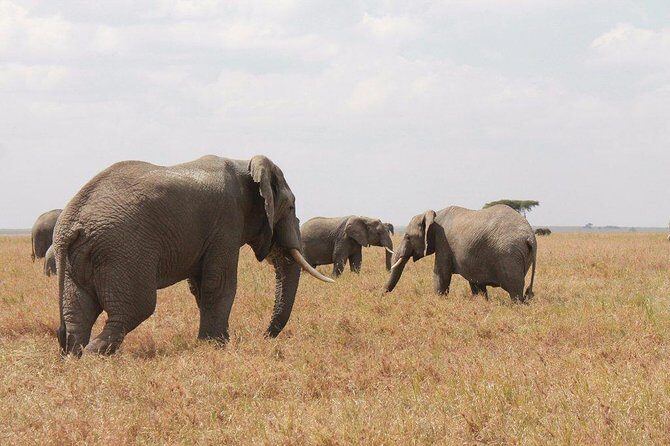
That matters because wildlife sightings are not predictable. More hours in the parks is the most realistic way to improve your odds—especially for the animals you came for: lions, leopards, elephants, buffalo, and rhinos.
Also, note the approach: you’re not just “going past” the parks. You’ll do drives inside the reserves and parks multiple times, with meals built around game-viewing windows so you don’t waste time.
A few more Nairobi tours and experiences worth a look
Price and Logistics: Is $5,900 Good Value?
At $5,900 per person for about 6 days, this isn’t a budget safari. But it can still feel like good value depending on what you normally pay when you piece things together yourself.
Here’s what the price covers based on the provided plan:
- Transport via minivan and Land Cruiser during the safari loop
- Park admissions marked as free in the daily schedule
- Meals: 5 breakfasts, 5 dinners, and 6 lunches
- Overnights in mid-range tented camps and lodges
- A mobile ticket and group discounts
- A private tour setup for your group (you won’t be mixed into unrelated groups in the same vehicle)
What’s not included:
- Tipping
- Personal items
So the “value” math here is mostly about the stuff that’s hardest to DIY cleanly: park entry, a working transport plan across two countries, and lodging that matches the safari pace. If you’ve ever tried to coordinate transport and game drives across borders, you already know it’s not just the cost—it’s the stress. This itinerary aims to remove that stress.
The main thing to check in your own planning is timing and energy. The route uses long drives, so if you’re the type who hates road time, you may feel the price more sharply.
Getting Around: Minivans, Land Cruisers, and a Border Change at Isebania
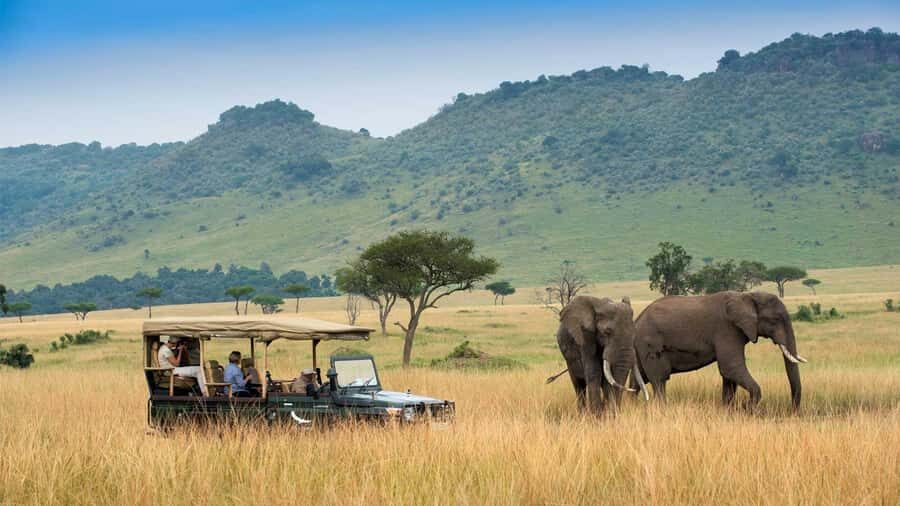
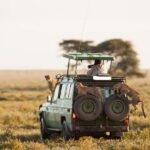
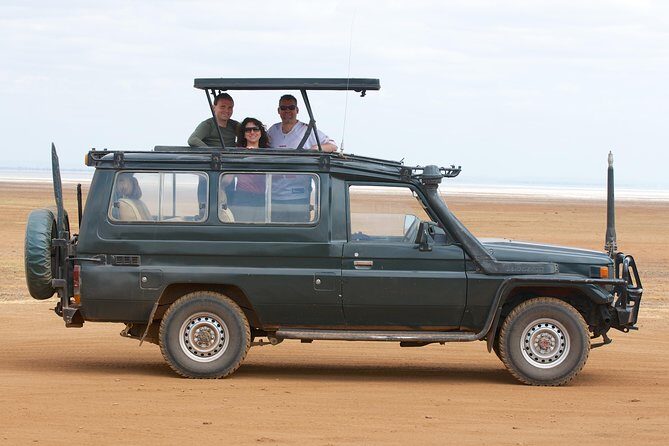
Safari success is partly about your vehicle and driver style. Here, you’ll use Land Cruisers for game viewing (typical for rougher roads and keeping you comfortable during long drives), plus minivans for repositioning between areas.
The biggest “logistics moment” is Day 3. You drive from Masai Mara toward Isebania, handle immigration, and then change vehicles before heading into Serengeti for an evening game drive. That’s the kind of transition that can add uncertainty if you’re traveling with fragile patience.
My practical take:
- Bring all required passport documents ready for quick checks.
- Pack light enough that you can access essentials without digging for them.
- Expect that border time is part of the day, not a bonus.
Even if you can’t control the process, a good guide and organized driver can keep the flow calm and minimize wasted waiting.
Day 1: Nairobi to Masai Mara with Hot Lunch, First Game Drive, Prideinn Mara Camp
You start with an 8:00 am pickup in Nairobi, then it’s a long drive—about 6 hours—to Masai Mara National Reserve. The plan is built to get you into the park soon after arrival: you’ll have hot lunch, then head out for an initial game drive.
This first afternoon matters. It’s not just about your first sightings; it’s about learning how the park feels. You get your bearings in the Mara—where to look, how the light changes, and how animals move around the open areas.
The schedule also includes a nice “real safari” moment: a sunset game-viewing experience from inside the reserve. Then you roll straight to dinner and overnight at Pride Inn Mara Camp.
One practical consideration for Day 1: you’ll likely feel the first big drive day. If you’re sensitive to motion, eat lightly before the road and drink water steadily.
Day 2: Big Five Chances in Masai Mara—A Full 8-Hour Day and Dinner Back at Mara Prideinn
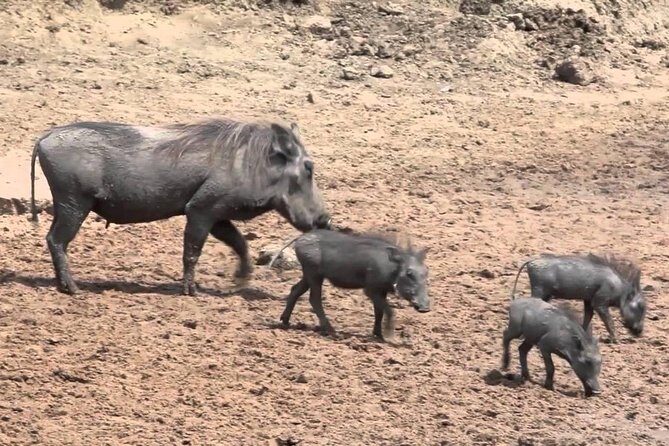
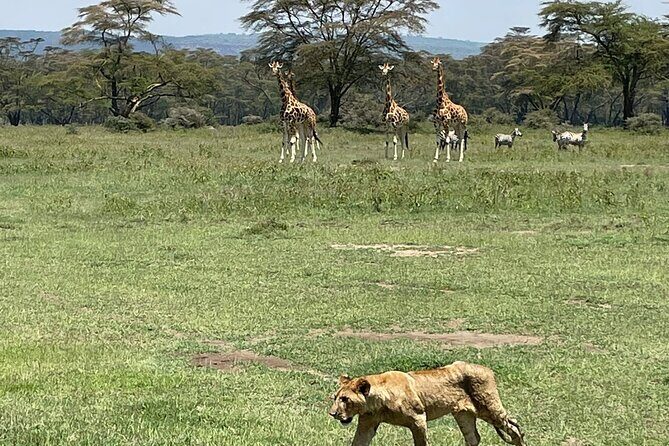
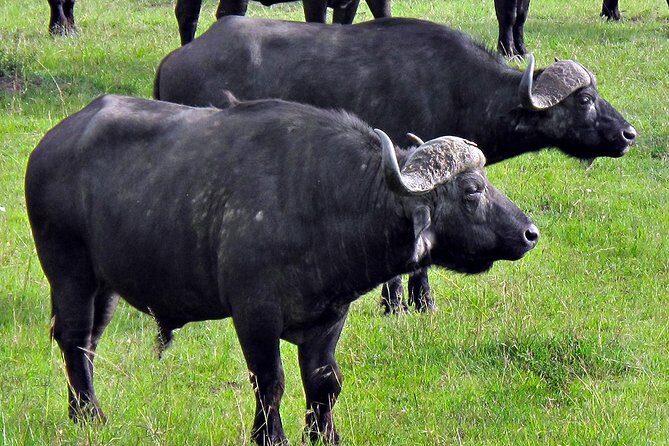
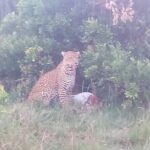
Day 2 is where you cash in on Masai Mara. You’ll spend about 8 hours in the reserve with game drives. The plan is specifically set up around high-profile wildlife viewing: you’ll have a strong opportunity for the Big Five—lion, leopard, buffalo, rhino, and elephant.
You don’t just do one long drive and call it a day. The itinerary includes lunch in the afternoon, then you continue with more game driving afterward. That rhythm is useful because animal sightings often change as the day shifts.
Back at camp, you’ll have dinner and another overnight at Mara Prideinn Camp.
A small detail that can make a big difference: in a long day like this, ask your guide when to switch focus. For example, predators often show up around particular times of day, while elephants and other large mammals can be more consistent. A guide who knows how to read the reserve pays off.
A few more Nairobi tours and experiences worth a look

Day 3: Into Serengeti via Isebania—Evening Game Drive After Immigration
After breakfast, you depart Masai Mara and start the big move—about 6 hours—toward the Kenya/Tanzania border at Isebania. You clear immigration, then change vehicles and continue to Serengeti.
You arrive for an evening game drive, which is a smart strategy. Late-day light often brings animals up and moving, and the park can feel very alive at that hour. You’ll have dinner and overnight at Serengeti Osero Camp.
This is also the day you’ll notice the “two-country” element most. If you’re the kind of person who hates paperwork on vacation, plan to stay calm and patient. The payoff is that you get two more days dedicated to Serengeti after you cross.
Day 4: Serengeti Day with Picnic Lunch—More Hours, More Chances
Day 4 continues the Serengeti focus. After breakfast, you have a picnic lunch, then you head out for game drives. The plan lists up to 8 hours, which is a solid chunk of time to search for predators and track herd movement.
Serengeti is the kind of place where sightings can happen in spurts. One hour you’re watching open plains and distant dots become real animals; the next hour you’re suddenly in the middle of activity. Extra time gives you room to catch those shifts.
Dinner and overnight are again at Serengeti Osero Camp.
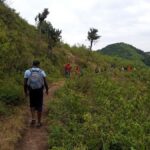
If you’re first-timing safari, this day is often when it starts to feel less like a checklist and more like a rhythm. You’ll learn what your guide is noticing—tracks, movement patterns, and where animals tend to collect.
Day 5: Ngorongoro Crater Floor Descent—Packed Lunch, Big Herds, Farm of Dreams Lodge
This is the day-trip style safari moment: short on driving time, heavy on wildlife viewing. You’ll leave after breakfast with a packed lunch, drive about 3 hours to Ngorongoro Crater, and then descend into the crater floor for your game drive.
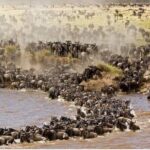
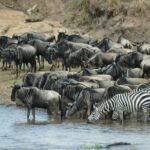
Crater safaris are different. Instead of wide open “wander and search,” you often get more concentrated animal viewing, plus big views of the crater and the lakes inside it. The plan calls out sightings like elephants, wildebeest, and zebra, and you’ll also be in the zone for other species that use this environment.
Then you’ll head to Farm of Dreams Lodge for dinner and overnight.
Practical note: crater descents often involve lots of looking—up at views, then down at the action. Wear layers you can adjust, and keep your camera ready during the transitions.
Day 6: Arusha Drop-Off After Breakfast and Picnic Lunch
On the final day, you’ll have breakfast and then packed/picnic lunch, followed by the drive back to Arusha or the airport. The timing in the plan is about 4 hours.
This day is straightforward, but it’s still a long drive day, so don’t schedule anything tight right after. Give yourself buffer time if you’re catching a flight.
Once you’re dropped, you can finally decompress—your body will feel it after a week of early starts and long, bouncy drives. But if you came for wildlife, you’ll also remember the slow buildup to those crater and Serengeti moments.
Mid-Range Safari Lodging: What to Expect from Prideinn, Osero, and Farm of Dreams
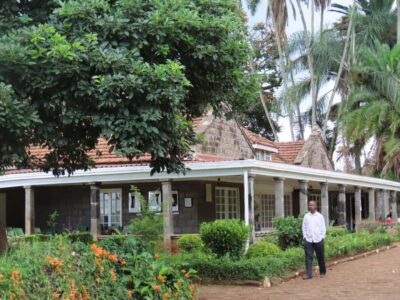
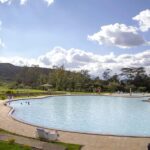
This tour stays in mid-range safari lodges and tented camps, which usually means comfort you can count on without turning the safari into a resort vacation.
Based on the provided names, your key overnights are:
- Pride Inn Mara Camp (Day 1)
- Mara Prideinn Camp (Day 2)
- Serengeti Osero Camp (Days 3 and 4)
- Farm of Dreams Lodge (Day 5)
The important thing is not luxury features you might not use. It’s that lodging quality supports the safari rhythm: you’ll have breakfasts, lunches, and dinners scheduled so you can maximize park time without hunting for meals.
If you’re sensitive to simple things like room temperature or nighttime sounds, bring earplugs and plan to pack smart for bush comfort. The tour’s value is in the time spent outdoors, not in staying awake inside a perfect hotel room.
Guides and Vehicles: Why Names Like Chris, Allen/Amani, and Fredy Matter
Safari guides don’t just “drive.” They make choices minute to minute: where to stop, when to move, and how to read animal behavior. That’s why you see specific guide names highlighted in praise, including:
- Chris for Kenya-side guiding and close sightings in Masai Mara
- Allen and Amani/Amani (names appear in the feedback in similar forms) for Tanzania-side guiding in Serengeti and beyond
- Fredy/Freddy for consistently strong Big Five sightings and even special touches like arranging celebrations
You can’t guarantee you’ll get the exact same guide, but the takeaway is useful: when the guide is good, your “chances” improve because you’re in the right place at the right time.
How to use this as a traveler:
- Ask your guide what they’re hoping to see that day, early in the morning.
- Stay flexible. If you want the animals, you may need to accept detours to better sighting areas.
- Bring patience for rest stops and repositioning. A good guide will explain why they’re moving, and it usually makes sense after the next sighting.
What to Pack (and How to Stay Comfortable on Game Drive Days)
The itinerary mixes long drives and full game-drive days, so comfort gear matters. You’ll be outside a lot, often under strong sun and in dusty conditions.
Pack basics that help anywhere on safari:
- Sunglasses and sunscreen
- A hat or cap
- Light layers (mornings and evenings can feel cooler)
- Binoculars if you have them
- A reusable water bottle
- A small day bag so you can keep essentials within reach during drives
- Charging adapters and a power bank for phones/cameras
Also, remember that lunch on driving days is often a “picnic/packed lunch” style setup. Keep your snacks minimal but useful—your guide can likely direct you on what’s available, but the safest move is to bring a few items you trust.
Who This Safari Is Best For
This works well if you:
- Want a big classic safari route without flying between multiple regions
- Like the idea of spending multiple days in both Kenya’s Masai Mara and Tanzania’s Serengeti
- Prefer mid-range lodges and tented camps instead of either camping-only or luxury-only
- Are okay with long drives and a border day at Isebania
It can also fit families and first-timers. The plan notes that most travelers can participate, and the private group style means your booking group stays together.
Should You Book This 6-Day Kenya and Tanzania Safari?
I’d book it if you want a strong safari “greatest hits” route—Masai Mara, Serengeti, and Ngorongoro—within a tight time window, with the major logistics handled for you. The included meals, park entry, and safari-focused driving plan are the kind of details that usually cost extra when you DIY.
Don’t book it if:
- You strongly dislike long driving days
- You’re looking for a super-relaxed pace with lots of free time in towns
- You expect ultra-high end lodge luxury as the main experience (this is mid-range by design)
If you’re unsure, ask yourself one question: do you want more game-drive hours and a well-run route, or do you want slower travel with more downtime? For most safari fans, this route hits the sweet spot.
FAQ
FAQ
Where does the tour start and end?
It starts with pickup in Nairobi, Kenya and ends in Arusha, Tanzania or at the airport.
What time is the pickup in Nairobi?
The start time is 8:00 am.
How long is the safari?
The duration is 6 days (approx.).
What parks and reserves are included?
You’ll visit Masai Mara National Reserve, Serengeti National Park, and Ngorongoro Crater, plus Lake Manyara is mentioned in the tour overview.
What vehicles are used during the safari?
The tour uses minivan and Land Cruiser safari vehicles.
Are meals included?
Yes. The plan includes breakfast (5), dinner (5), and lunch (6).
Are park admission tickets included?
The daily schedule indicates admission ticket free, suggesting park entry is included in the tour plan.
What costs are not included?
Tipping and personal items are not included.
Is it possible to cancel and get a full refund?
Yes. There is free cancellation, with a full refund if you cancel at least 24 hours in advance of the experience’s start time.
Is this tour private?
It’s listed as private, meaning only your group participates.