REVIEW · NAIROBI
6 Days of Kenyan Wonders: Amboseli, Lake Nakuru, and Masai Mara
Book on Viator →Operated by Dream Voyage Safaris · Bookable on Viator
One of Kenya’s best photo backdrops starts here. In this 6-day private safari, I like how Amboseli lines up big elephant herds with the silhouette of Mount Kilimanjaro, and I also like the mix of wildlife styles: flamingo crowds at Lake Nakuru, then predator action on the Masai Mara plains. The only real consideration is the travel time between parks, with long drive days that mean you’ll trade comfort for game-viewing.
You’re paying for a full wildlife circuit with guides who focus on getting you into the right areas early. The overall value is strong for the $2,000 per person price point because meals are included and park entry is listed as free on the itinerary—just confirm details when you book. The vibe is classic safari rhythm: early drives, big eyes on the horizon, and a final cultural stop that’s more than a quick photo.
In This Review
- Key things to know before you go
- First Nairobi pickup, then straight into safari mode
- Amboseli: where elephants share space with Kilimanjaro
- Lake Nakuru: flamingos, rhinos, and a tight focus on wildlife
- Masai Mara: big cat odds, open plains, and Mara River drama (seasonal)
- A final Mara morning plus a Masai village visit
- Price and logistics: what $2,000 buys you on a 6-day circuit
- Guides, comfort, and the small details that affect your day
- Practical tips that will make your safari smoother
- Should you book this 6-day Amboseli, Nakuru, and Masai Mara safari?
- FAQ
- How long is this safari?
- Where does the safari start and end?
- Is this tour private?
- What parks are included?
- Are meals included?
- Are park admission fees included?
- Do you get pickup in Nairobi?
- Will I definitely see the Great Migration?
- What’s not included in the trip price?
- What if I need to cancel?
Key things to know before you go
- Amboseli elephants with Kilimanjaro in the frame on multiple game drives
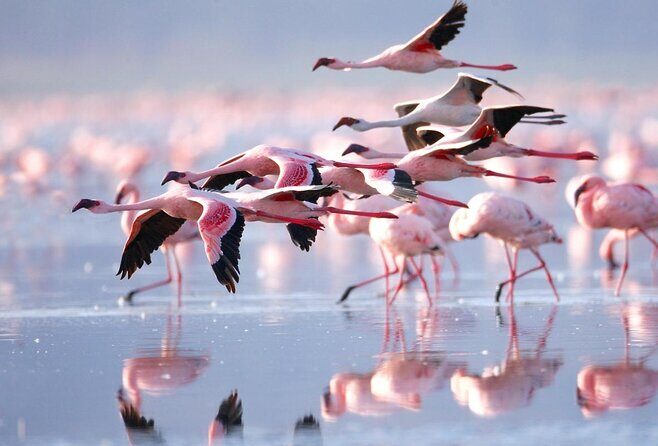
- Lake Nakuru’s flamingos and strong bird-and-rhino chances
- Masai Mara predator potential and Big Five opportunities
- Seasonal Great Migration window (roughly July to October) in the Mara
- A real Masai village visit, including homes (manyattas) and beadwork
First Nairobi pickup, then straight into safari mode
Your trip starts in Nairobi at Jomo Kenyatta International Airport (NBO). A driver and English-speaking guide pick you up and get you on the road to Amboseli, a drive of about 4–5 hours. It’s a good setup for first-timers: you arrive, you settle in, and you still get that first afternoon game drive while you’re fresh.
If you’re the kind of traveler who hates waiting around, this itinerary works. The first day doesn’t try to do everything in Nairobi—it gets you outdoors fast and puts you in position for elephant sightings with Mount Kilimanjaro showing in the distance.
A few more Nairobi tours and experiences worth a look
Amboseli: where elephants share space with Kilimanjaro
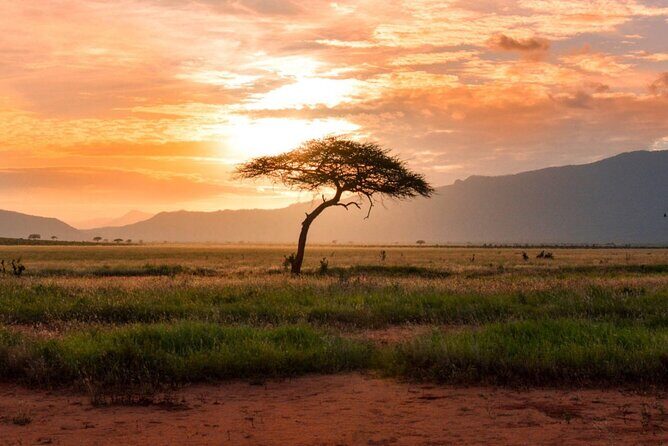
Amboseli is famous for one reason: elephants. And in this safari, you’re there long enough to enjoy them in different light and different animal moods—plus you get that big mountain backdrop that turns ordinary sightings into memorable shots.
Day 1 is your arrival-and-spotting day. After you settle into your lodge or camp, you head out in the afternoon searching for elephants, giraffes, zebras, and birds, with Kilimanjaro dominating the horizon. Day 2 gives you the real payoff: an early morning game drive, a lunch break back at camp, then another afternoon run.
What makes Amboseli especially fun is the variety of habitat. The park includes swamps, dusty plains, and acacia woodland, so you aren’t stuck watching one kind of scenery. That variety helps explain why you can see everything from large herds to smaller groups of animals and lots of birds, all within the same two days.
One small practical note: Amboseli can be hot and dusty. If you wear dark colors, keep in mind dust shows. I’d plan for a hat, sunglasses, and wipes, because you’ll be using them.
Lake Nakuru: flamingos, rhinos, and a tight focus on wildlife
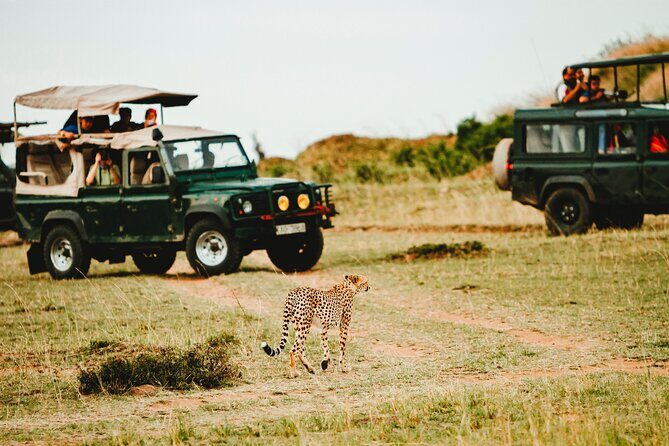
Lake Nakuru is a different kind of wildlife experience. Instead of the drama of open Mara plains, Nakuru brings concentration—flamingos, rhinos, and lots of birds in a compact area.
On day 3, you leave Amboseli after breakfast and drive roughly 6–7 hours to Lake Nakuru National Park. Once you check into your lodge, you get a late afternoon game drive. That timing matters: flamingos may still be active, but you’re also entering the park in the gentler light that makes everything easier to see and photograph.
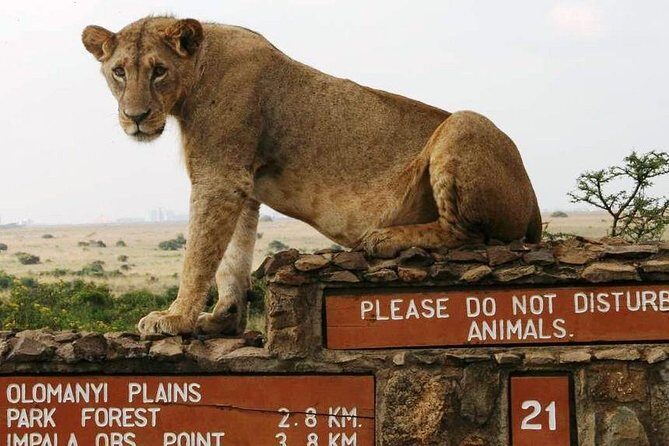
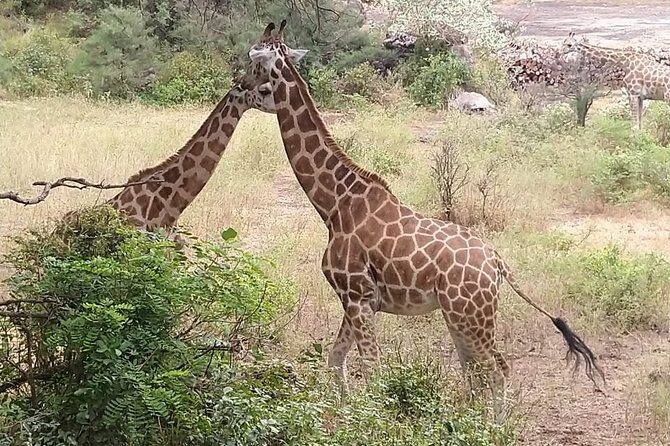
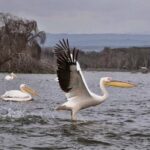
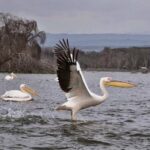
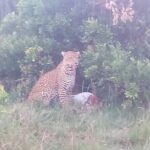
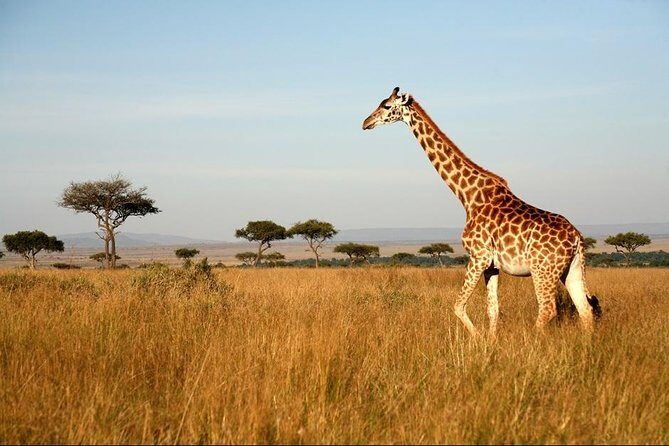
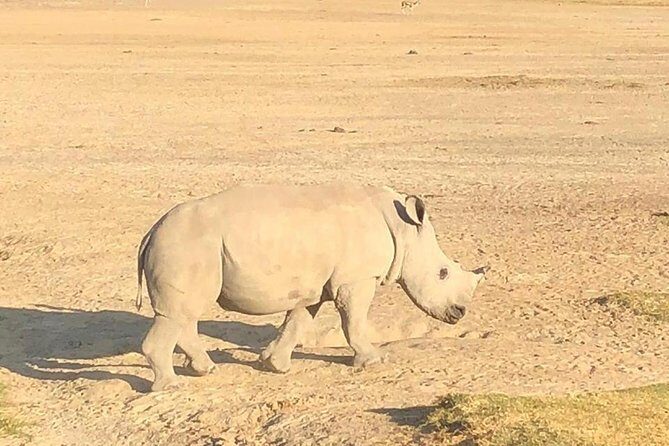
The highlights here are very clear. Lake Nakuru is known for thousands of flamingos that can make the lake look pink, and you also have chances to spot endangered rhinos (both black and white), Rothschild giraffes, lions, leopards, and a range of birdlife. It’s one of the parks where you can look up and down the food chain in the same outing—birds and big mammals in the same day.
The drawback is also predictable: if you’re arriving later in the day, you might miss some peak activity that happens earlier. But this is a trade many people want because it keeps the itinerary moving toward the Masai Mara spotlight.
Masai Mara: big cat odds, open plains, and Mara River drama (seasonal)
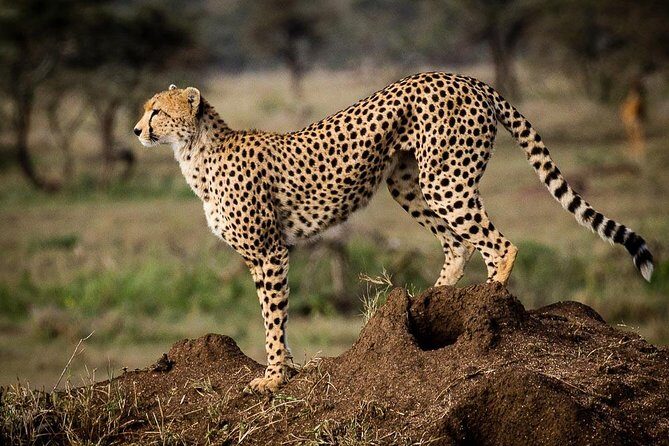
Masai Mara is where most people start talking about the Big Five. The reason is simple: the Mara concentrates animals and action, and it gives you multiple days to catch things that don’t happen on schedule.
Day 4 is a transition day. You do an early morning game drive around Lake Nakuru, then you head to Masai Mara, about 5–6 hours by road. After you arrive and settle into your lodge or camp, you go out again in the afternoon—so you still get time on the plains even if the day starts with driving.
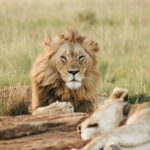
Day 5 is your full game-viewing day. The safari format here is flexible: you can do morning and afternoon game drives with lunch at your lodge, or you can choose a full-day option with a packed lunch. Either way, you’re spending long hours scanning for lions, leopards, cheetahs, and hyenas, since the Mara is known for higher predator concentration.
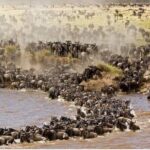
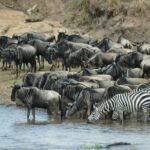
Then there’s the Great Migration angle. During roughly July to October, you can see millions of wildebeest and zebras crossing around the Mara River. It’s not something you should plan on if your travel dates fall outside that window, but it can be spectacular if you’re in the right months.
If you care about seeing a range of species, the Mara is a good bet: elephants, giraffes, zebras, and wildebeest can show up depending on season and where the animals are moving. You’re also in the territory where Big Five opportunities are part of the conversation—though no safari can promise a sighting.
A final Mara morning plus a Masai village visit
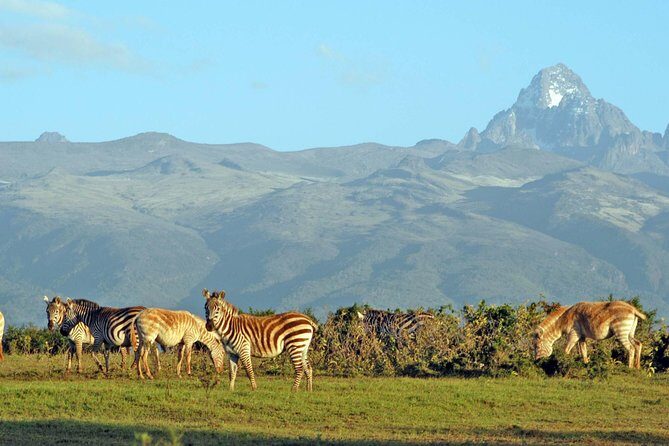
By day 6, the safari has a different feel. You’ve already seen a lot of wildlife, so the morning is about those last, satisfying views before the road back.
You start with an early breakfast and a final morning in the Masai Mara for one more game drive. Then you shift from animal watching to culture: you visit a traditional Masai village (manyattas), learn about customs and way of life, and you get to interact with villagers. The visit also includes seeing traditional homes and learning about beadwork and other crafts.
This cultural stop is most meaningful when you treat it as learning time, not a checklist. If you go in curious and respectful, it turns the last day into a reminder that the land you’re driving through is also home to living communities.
After the village visit, you drive back to Nairobi, about 5–6 hours, with lunch en route at Narok town. Then you’re transferred to Jomo Kenyatta International Airport (NBO) for your departure flight.

Price and logistics: what $2,000 buys you on a 6-day circuit
The price for this 6-day safari is listed as $2,000 per person. That sounds steep until you unpack what’s covered. This kind of itinerary takes real coordination: vehicle time, park time, guide time, and meal planning across multiple days.
A big value signal is that lunch and dinner are included, with breakfast on five days, lunch on six days, and dinner on five days. You also get pickup offered and a mobile ticket, which reduces the hassle of printed documents.
Even more important: the itinerary lists park admission as free for the park days. That usually means you’re not separately scrambling for entry fees once you arrive at the gates. I still recommend confirming what is included for your exact dates, but on the face of the plan, park entry is part of the deal.
This tour is also private, meaning it’s only your group. In safari terms, that can make a difference: you’re not sharing your game-viewing time with strangers, and your guide can tailor where you go based on what you’ve already seen.
One more small consideration: alcoholic drinks aren’t included, and tips aren’t included either. If you want wine or beer on drives or at the lodge, plan on buying it separately.
Guides, comfort, and the small details that affect your day
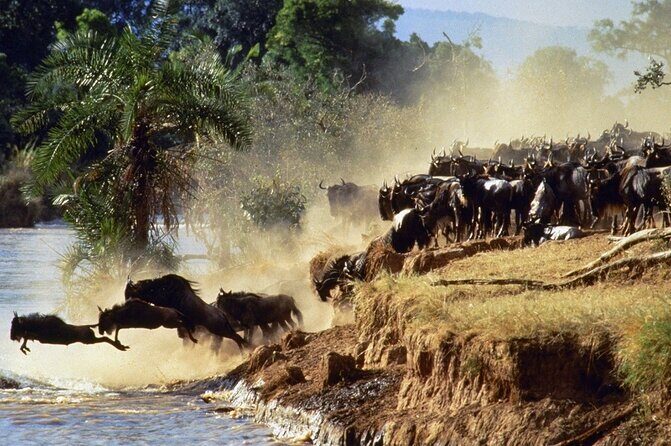
The success of a safari often comes down to two things: who’s driving and how they handle the timing. In the feedback I’ve seen connected to this safari style, the guides and drivers stand out as professional and careful, with names like Moses (planning) and drivers such as Jackson and Peter mentioned more than once. Ken is also referenced as a guide who did a strong job showing people around.
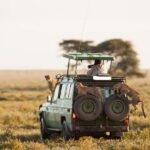
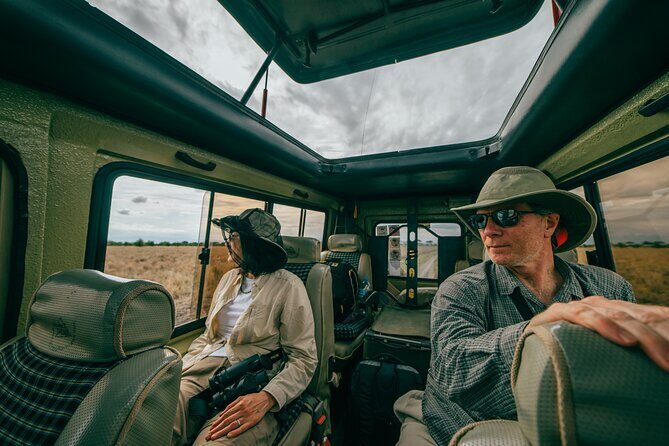
Comfort matters too. One recurring theme in the trip accounts is that the safari jeep is set up well for viewing, including large windows for scanning and photographing without constant repositioning.
Food also shows up as a positive. People talk about hospitality and good meals at the lodges, and that’s not a small thing after long drives and early mornings. When meals are included, you lose less time deciding what to eat and when.
Practical tips that will make your safari smoother
- Start early energy-wise. Game drives are timed to when animals are active, which means mornings can be early. If you’re not a morning person, that’s the price of seeing more wildlife.
- Pack for dust and sun. Hat, sunscreen, sunglasses, and a light layer for early cold can save your mood on road days.
- Use a small day bag. You’ll want quick access to water, snacks, and camera gear while you’re on and off the vehicle.
- Plan for long drive days. Day 1, day 3, and the Mara transition each include several hours on the road. Bring something for the travel time, because you’ll want your brain ready when the spotting starts.
- Bring patience for the village visit. If you want photos, ask in a respectful way. If you want conversation, go slowly and listen.
Should you book this 6-day Amboseli, Nakuru, and Masai Mara safari?
If you want a classic Kenya circuit in one week, with elephants, flamingos, and Mara predator potential, this tour is a strong choice. The itinerary hits three of the most iconic parks—Amboseli for elephant-and-Kilimanjaro drama, Nakuru for flamingos and rhino chances, and the Mara for big cat odds and seasonal migration timing.
I’d especially recommend it if you value structure: pickup, a guide who plans the drives, meals included, and enough time in each place to make sightings feel less rushed. It also fits solo travelers and families, since it’s a private safari and children must be accompanied by an adult.
The only reason to pause is if you hate road time. This plan includes multiple long drives, and that’s part of how you get such a wide sweep of wildlife areas in just 6 days.
FAQ
How long is this safari?
It’s listed as 6 days, with each day’s activities running into roughly long game-drive schedules and several hours of driving between parks.
Where does the safari start and end?
You start with pickup from Jomo Kenyatta International Airport (NBO) in Nairobi, and the safari ends with a transfer back to Nairobi for your departure flight from NBO.
Is this tour private?
Yes. It’s described as a private tour/activity, with only your group participating.
What parks are included?
The safari covers Amboseli National Park, Lake Nakuru National Park, and Masai Mara National Reserve.
Are meals included?
Yes. Breakfast is included for five days, lunch for six days, and dinner for five days.
Are park admission fees included?
The itinerary lists Admission Ticket Free for the park days, which suggests park admission is covered on this schedule. It’s still smart to confirm for your exact booking.
Do you get pickup in Nairobi?
Pickup is offered, and the first day begins after arrival at NBO.
Will I definitely see the Great Migration?
No. The Great Migration is described as seasonal, roughly July to October, so sightings depend on the time of year and conditions.
What’s not included in the trip price?
Alcoholic drinks are not included, and tips/gratuities are not included.
What if I need to cancel?
You can cancel up to 6 days in advance for a full refund, 2–6 days in advance for a 50% refund, and less than 2 days before the start time is not refundable.