REVIEW · NAIROBI
6-Day 5 Nights Masai Mara, Lake Nakuru & Amboseli Budget Safari
Book on Viator →Operated by Grayton Expeditions · Bookable on Viator
Safari timing can make or break your photos. This 6-day, 5-night run strings together Masai Mara, Lake Nakuru, and Amboseli for big-animal sightings, birding, and that iconic Kilimanjaro backdrop in a way that still feels doable at a budget price. I like that you’re in a small group (max 8) with an English-speaking driver-guide, so the day doesn’t feel like chaos. I also like the practical inclusions like meals, daily water, and Nairobi transfers, which helps you avoid the usual surprise add-ons. One thing to consider: this is a shared, budget-style safari, so comfort and flexibility are more limited than in private tours.
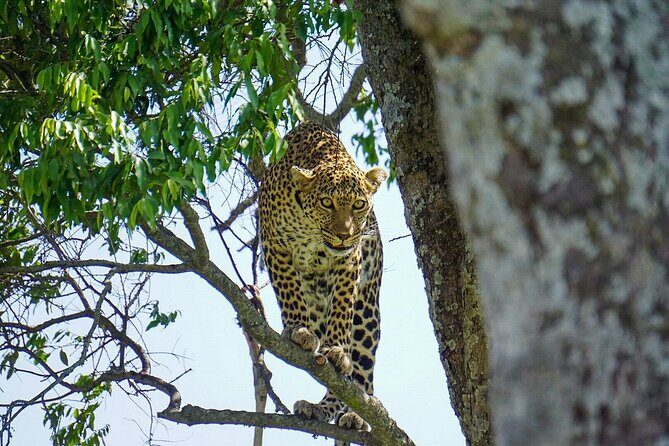
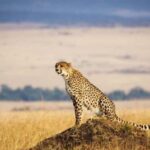
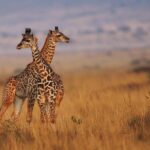
You’ll spend the bulk of your time on game drives where Kenya’s wildlife is the main event. Masai Mara gives you the classic savanna drama—Mara River chances, river-driven sightings, and long search sessions for the hard-to-see cats. Lake Nakuru brings a different pace with a huge bird scene and the chance to see endangered rhinos. Then Amboseli does what it does best: elephants close-up with wide-open views of Mount Kilimanjaro.
In This Review
- Quick Hits: What Makes This Safari Work
- Nairobi Pickup and the Shared Pop-Top Van (Expect More Driving Than You Think)
- Masai Mara: Two Big Wildlife Days and the Mara River Odds
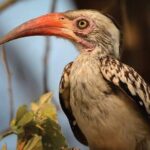
- Lake Nakuru National Park: Rhinos, Flamingos, and Birding That Feels Almost Easy
- Amboseli: Elephants, Five Habitats, and Kilimanjaro Views From the Right Angles
- Meals, Budget Camps, and What Is Actually Included
- The Real Value Question: How $585 Adds Up
- Who This Safari Is Best For (And Who Might Want More Comfort)
- Should You Book This 6-Day Masai Mara, Lake Nakuru, and Amboseli Safari?
- FAQ
- What is included in the price?
- What are the main things not included?
- How many people are on this safari?
- Which parks do you visit during the trip?
- How do pickup and drop-off work in Nairobi?
- What kind of vehicle do you use for game drives?
- Can I cancel for a full refund?
Quick Hits: What Makes This Safari Work
- Small group (up to 8 travelers): easier conversation, less waiting, more time scanning the grass.
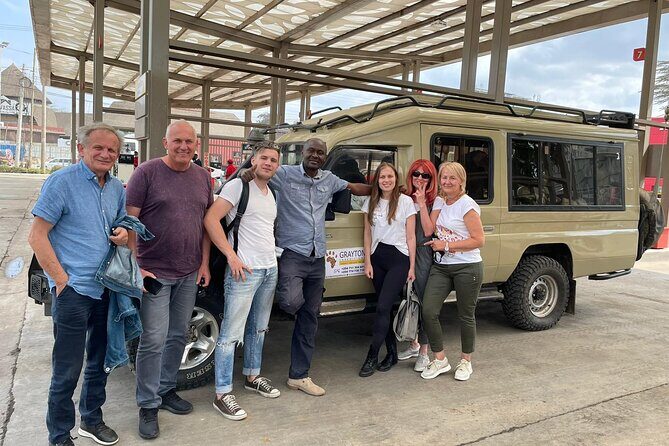
- Pop-up-roof 7-seater van: better sightlines for wildlife and photos, without paying for a private vehicle.
- Masai Mara twice: one full day plus another drive period helps you catch more of the action.
- Lake Nakuru morning focus: birds first thing tends to be when the park feels most alive.
- Amboseli elephants + Kilimanjaro views: you’re positioned for those famous mountain-and-herd moments.
- Nairobi transfers and daily essentials: pickup/drop-off plus lunch boxes and bottled water reduce hassle.
Nairobi Pickup and the Shared Pop-Top Van (Expect More Driving Than You Think)
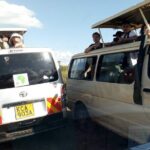
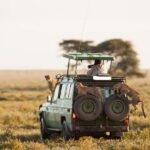
Your safari starts in Nairobi with pickup from the Nairobi CBD meeting point at Portal Place House (Shop 31st floor). The trip uses a shared safari van with a pop-up roof, which matters more than people expect. You’ll stand higher (within safety rules) and your view over the vehicle improves, especially when animals are just beyond the edge of the road.
This also means you’re coordinating with others. In a small group of up to 8, that’s usually manageable. But it still affects timing—departures and stops are “together,” not “whenever you feel like it.” If you hate waiting, bring patience (and snacks beyond what’s included if you know you’ll want them).
A few more Nairobi tours and experiences worth a look
Masai Mara: Two Big Wildlife Days and the Mara River Odds
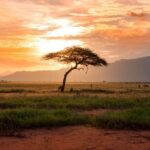
Masai Mara is where most first-timers lock in their wow moment. Day 1 gets you from Nairobi into the Mara region, with a brief stop at a Great Rift Valley viewpoint for photos and then onward toward Narok Town for lunch before you settle into your first game drive. Even that first afternoon drive can set the tone: savanna light, scattered acacias, and wildlife that seems to appear the second you stop expecting it.
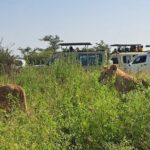
Day 2 is the heavyweight day. After breakfast, you’re back into the reserve for a full day of game driving, with a picnic lunch box so you’re not losing half the day to meal logistics. Mara’s terrain mixes hilly savannah, rolling grasslands, and forest along the Mara River and tributaries. That variety matters because animals don’t spread evenly—when the habitat changes, your chances shift too.
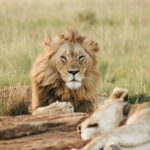
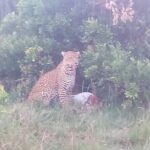
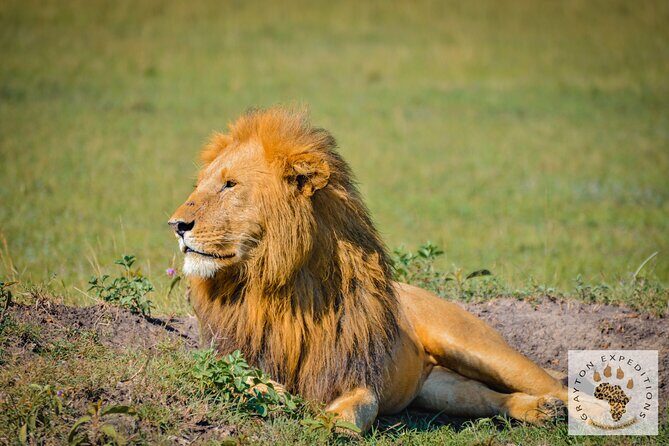
A fun detail you’ll be targeting is the black maned lion search in the Mara. You may or may not see it, because wildlife doesn’t schedule itself. But building a dedicated afternoon focused on lions tells you the guide is thinking like a hunter: watch patterns, scan for pride behavior, and reposition when the road goes quiet.
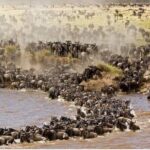
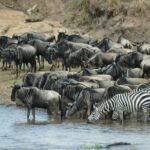
Also, Mara is a reserve where river timing can help. Over your stay, the route includes drives that are known for river-side wildlife viewing. The best tip here is simple: when the guide stops and the spotting gets intense, don’t fumble your camera. Get ready fast, stay still, and let your eyes adjust. The best animal sightings often happen in a narrow window.
Possible drawback: Mara days can be long and dusty. You’ll be sitting for hours in an open savanna environment, so dress for sun and heat, not “city weather.”
Lake Nakuru National Park: Rhinos, Flamingos, and Birding That Feels Almost Easy

After Masai Mara, the route shifts toward Lake Nakuru. You leave the Mara area and travel onward with a lunch break along the way. When you arrive, you check in to your lodge or hotel and get the evening to reset—dinner, then sleep.
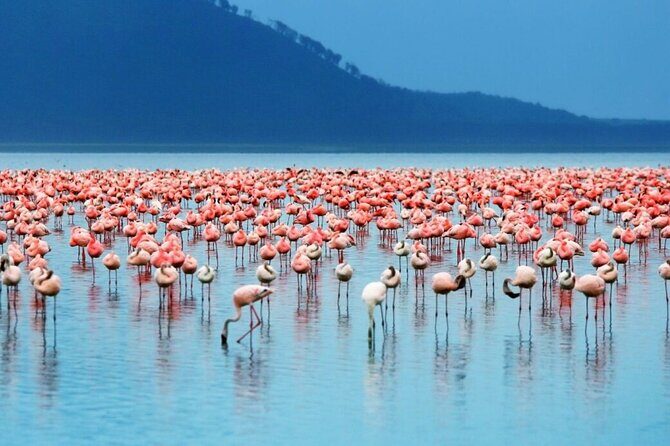
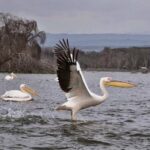
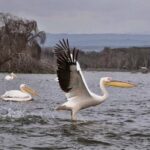
The next morning is built around Lake Nakuru’s strengths. This park is famous in part because bird life can be intense, and your drive starts early. One reason that’s smart: birds move with light and temperature, and mornings often feel calmer on the viewing roads.
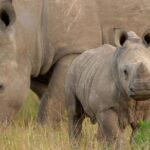
You’re also set up for the rhino angle. Lake Nakuru National Park is highlighted here for endangered black and white rhino viewing in a sanctuary context. That doesn’t mean a guaranteed sighting—rhinos can be hard to predict—but it does mean you’re in the right place and schedule.
Then comes the shift to the broader “Great Rift Valley” story. The lake, the surrounding habitats, and the frequent bird activity change the feel of the safari. Masai Mara is big-cat pacing. Lake Nakuru is more about scanning: shoreline action, flocks, and the occasional moment where a rhino or another large animal breaks the rhythm.
Good practical note: bring binoculars if you own them. The birding component is described as a main attraction, and spotting small movements is easier when you can focus without constantly swapping between camera and eyes.
Amboseli: Elephants, Five Habitats, and Kilimanjaro Views From the Right Angles
Amboseli National Park is a different kind of “Africa picture.” You arrive in the evening after departing Lake Nakuru with a picnic lunch on the way. Your camp or lodge evening includes that classic setup: a view of Mount Kilimanjaro depending on skies and conditions.
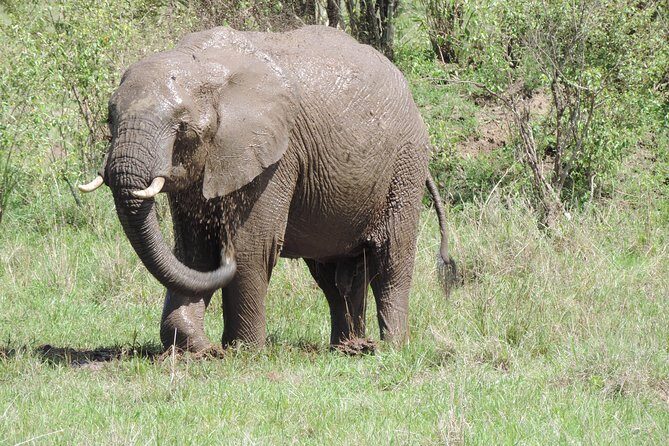
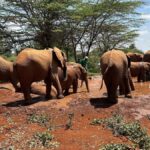
The next day is a full day in Amboseli with game drives in the morning and afternoon. The park is known for large herds of elephants, and that’s one of the few safari themes that consistently delivers a strong emotional reaction. You see them as a group, you see how they move through open space, and you often notice how much of the ecosystem revolves around water points and pathways.
Amboseli also gets a habitat variety angle—described here as everything from the dried-up bed of Lake Amboseli to wetlands with sulfur springs, plus savannah and woodlands. That habitat spread matters because it changes what you spot where. In other words, you’re not just chasing elephants; you’re chasing the story of how animals use different ground types.
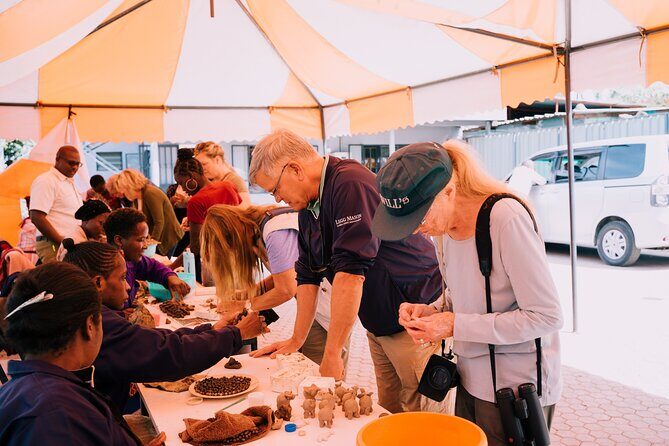
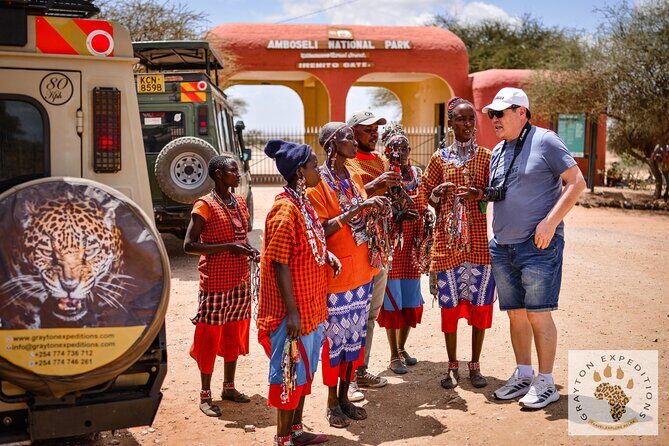
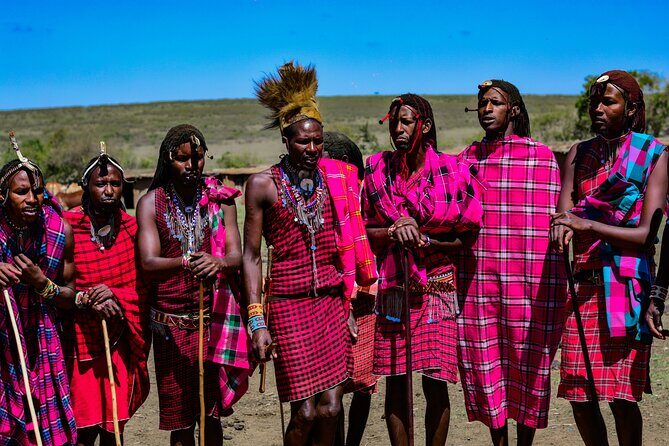
There’s even room for a local cultural visit: you can visit a Maasai community that lives around the park, if included in your specific schedule. When that happens, treat it as a chance to understand how people interpret the land you’re driving through—not as a quick photo stop.
Finally, your last morning in Amboseli includes an extended drive before heading back to Nairobi for airport or hotel drop-off.
Possible drawback: Kilimanjaro views depend on weather. If clouds roll in, you’ll still get a strong safari, but the mountain “pop” might be less dramatic that day.
Meals, Budget Camps, and What Is Actually Included
This safari is set up for “value with the basics done right.” You’ll have accommodations in a budget tented camp or hotel style setup (depending on the night). That’s part of how the price stays reasonable. It also means you should calibrate your expectations: comfort exists, but it’s not the goal. The wildlife drives are the goal.
Inclusions are solid and practical:
- Breakfast (5), lunch (6), dinner (5)
- 1 liter of bottled drinking water daily
- Transport in a shared pop-top van
- Driver-guide service in English
- Complimentary Nairobi CBD transfers to/from the pickup point
Meals being included helps you avoid the most expensive safari “leaks,” like spontaneous stops for lunch or drinks. Lunch boxes on drive days also reduce the stress of timing.
One more practical point: alcohol and soft drinks aren’t included. If you drink more than the occasional soda, plan ahead.
A few more Nairobi tours and experiences worth a look

The Real Value Question: How $585 Adds Up
At $585 per person, the biggest value feature is not just the nightly stays—it’s that you’re bundling transport across three major parks, plus daily meals and the driver-guide service. That’s a lot of logistics that would cost money and time if you pieced it together yourself.
But here’s the part you should calculate carefully: park entry fees are not included, and tips and gratuities are not included either. Those two can shift the total cost meaningfully. Travel insurance, flights, and personal expenses also sit outside the package. In plain language: $585 is the “trip engine,” but your final bill depends on what you add at the gate and what you choose to tip.
Still, the structure is sensible for a first safari. You don’t have to negotiate schedules between parks, and the day is paced around wildlife drives rather than paperwork. The small group size also helps. A max of 8 travelers is a sweet spot for many people who want social energy without feeling trapped in a crowd.
Who This Safari Is Best For (And Who Might Want More Comfort)
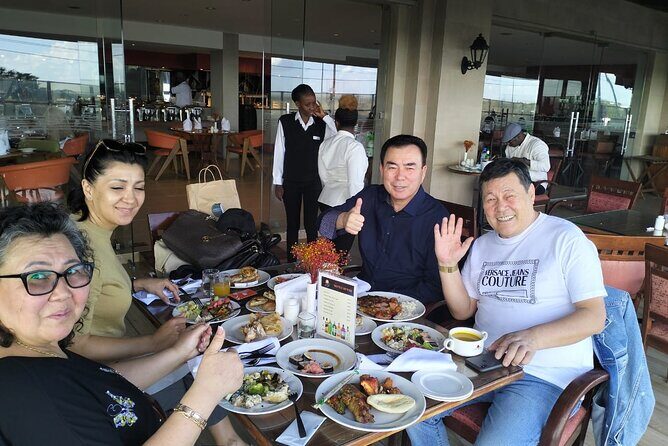
This is a strong fit if you:
- Want the big-three parks in one trip without private-safari pricing
- Are comfortable sharing a van and spending long hours on the road
- Enjoy wildlife drives and can keep your focus through heat and sun
- Want birding and rhino chances as part of the mix, not only big cats
You might choose a different style if:
- You expect premium accommodation every night
- You dislike group coordination and shared pacing
- You want more off-road flexibility or customized game-drive timing
If it’s your first safari, this route is beginner-friendly because each park “teaches” you something: Mara is about big-cat drama, Nakuru is about birds and rhinos, and Amboseli is about elephants and wide views.
Should You Book This 6-Day Masai Mara, Lake Nakuru, and Amboseli Safari?
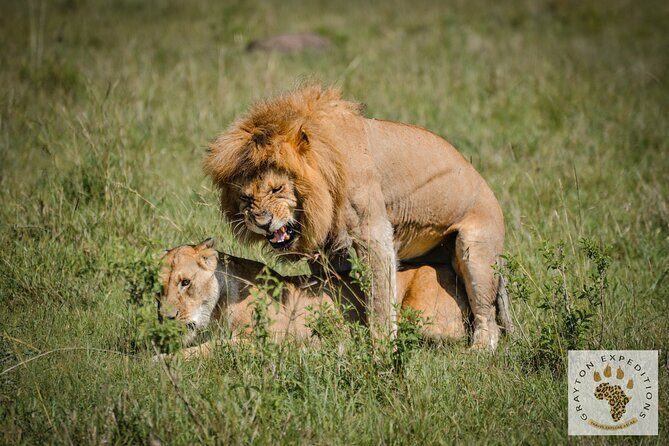
If you want an efficient, wildlife-focused safari that hits the famous parks and keeps the logistics under control, I’d call this a smart budget option. The strengths are clear: small-group format, a pop-top vehicle for better viewing, and a schedule that gives you more than one meaningful shot in Masai Mara plus full-day time in Amboseli.
If you’re the type who will feel irritated by shared vehicles, basic camp standards, or weather-dependent views of Kilimanjaro, then you should compare against a more comfort-forward or private safari.
My rule of thumb: book it if you’re excited to trade luxury for more time watching animals. Pick a higher-comfort alternative if comfort is your top priority.
FAQ
What is included in the price?
Your package includes accommodations in budget tented camp/hotel style, transport in a shared pop-up roof safari van, an English-speaking driver-guide, and complimentary airport/hotel transfers to the pickup point in Nairobi CBD. It also includes meals (breakfast 5, lunch 6, dinner 5) and 1 liter of bottled drinking water daily.
What are the main things not included?
Park entry fees, tips/gratuities, alcohol and soft beverages, travel insurance, government-imposed increases in park fees/taxes, domestic or international flights, and personal items are not included.
How many people are on this safari?
The tour has a maximum of 8 travelers.
Which parks do you visit during the trip?
You visit Masai Mara National Reserve, Lake Nakuru National Park, and Amboseli National Park, with Nairobi as your start and end point.
How do pickup and drop-off work in Nairobi?
Pickup is offered from your Nairobi hotel or the airport on arrival (meeting point is Portal Place House, Shop 31st floor). The tour ends back at the meeting point, with drop-off available to the airport or hotel as part of the final day’s return.
What kind of vehicle do you use for game drives?
You travel in a customized 7-seater safari minivan with a pop-up roof, used for shared group transport and game drives.
Can I cancel for a full refund?
Yes. You can cancel up to 24 hours in advance for a full refund, and cancellation due to poor weather may lead to a different date or a full refund.