REVIEW · NAIROBI
2 Days Masai Mara Private Safari From Nairobi
Book on Viator →Operated by day to day Tours and safaris, Kenya · Bookable on Viator
Two days, one wildlife mission. Masai Mara makes it easy to chase the Big Five without stacking every hour into one long day, and I like the way this trip stays practical with included accommodation in the reserve area. You also get a professional English-speaking guide and binoculars, so you’re not just driving around hoping you notice something.
The main thing to consider is timing. The schedule is built around early starts and road transfers, and if rain slows the drive from Nairobi, your actual time on safari can feel shorter than you hoped—especially on day one’s afternoon drive.
In This Review
- Key Takeaways Before You Go
- Why Masai Mara Works Better in Two Days Than One
- Nairobi Pickup and the Real Meaning of the Early Start
- Day 1 in Masai Mara: Afternoon Game Drive With Big Five Energy
- Overnight Camps: Comfortable Enough, Designed for Safari Days
- Day 2 Sunrise Game Drive: When Lions and Cheetahs Move
- Wildlife Chances: Big Five Plus the Mara Favorites
- What You Get for $750: Value in the Details
- How to Pack for Smart Casual and Long Safari Hours
- Small-Group Dynamics: Max 8 People and a Standard Schedule
- The One Concern I Would Plan Around: Safari Time Can Shrink
- Should You Book This Two-Day Masai Mara Safari From Nairobi?
- FAQ
- What time does the safari start?
- How many people are in the group?
- Is accommodation included?
- Are meals included?
- Are park or entry fees included?
- What wildlife can I hope to see?
- Is the cancellation policy free?
Key Takeaways Before You Go
- Small group size (max 8 people): You keep a more manageable pace on safari and in camp.
- Two game-drive blocks: An afternoon drive on day one, plus a sunrise-focused morning drive on day two.
- Accommodation and meals are handled: You don’t need to hunt for a camp or restaurant plan.
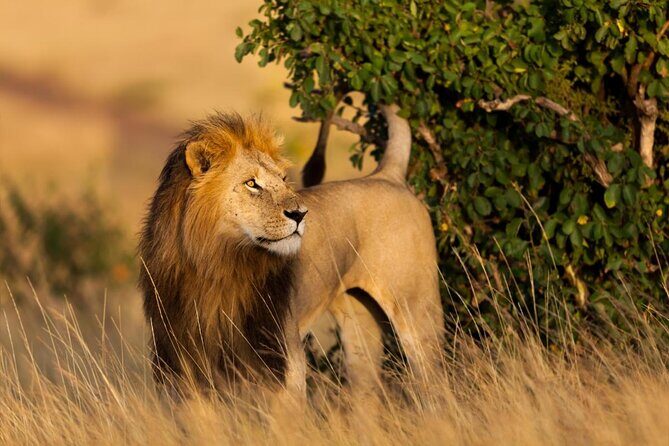
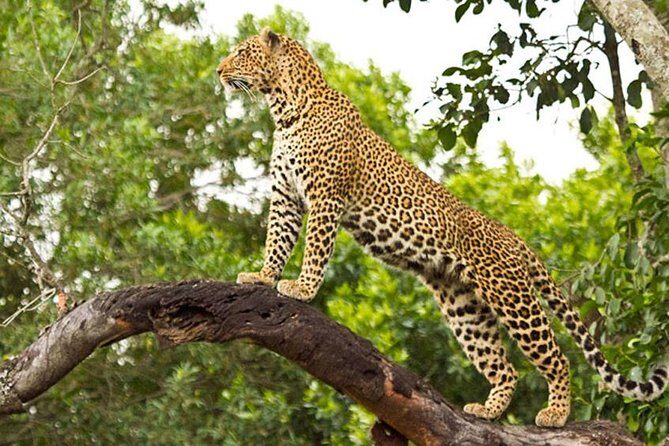
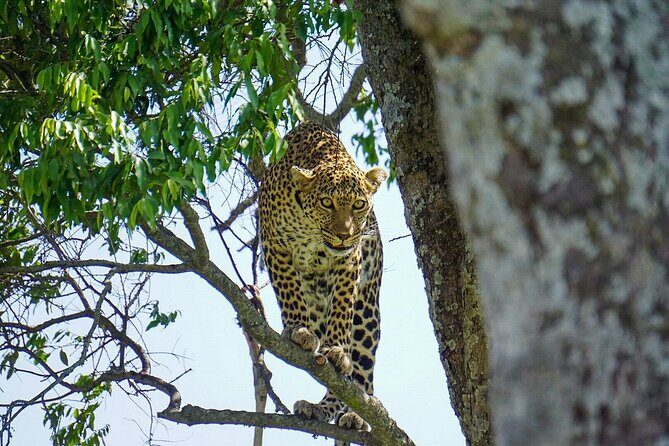
- Big Five and classic Mara predators: Expect chances at lions, cheetahs, leopards, hyenas, plus elephants and buffaloes.
- Road delays can steal safari time: Rain or heavy traffic can tighten the afternoon and morning hours.
Why Masai Mara Works Better in Two Days Than One
Masai Mara is famous for a reason: you can see a lot of animals in a wide, open setting where predators move with purpose. The challenge is that safari time is never just sitting still. It’s watching, scanning, repositioning, and hoping you time your sightings right.
That’s why I like the two-day structure. It gives you an afternoon window when animals often feel more active, then a morning slot when the air is cooler and predators may be more visible. You also get a real night in the area, rather than bouncing back to Nairobi the same day.
This trip is also designed to be budget-friendly, which usually means a more standard routing and a “good enough” level of comfort. The upside is you get the core safari ingredients: transport, a guide, and time in the reserve. The catch is you’re not buying extra hours of flexibility.
You can also read our reviews of more private tours in Nairobi


Nairobi Pickup and the Real Meaning of the Early Start
You start early. The plan kicks off at 6:00 am, with pickup offered and a handoff that keeps you moving between Nairobi and the reserve by road. From a comfort standpoint, that’s great: you’re not trying to coordinate multiple rides before the first game drive.
But here’s what you should mentally budget for: road travel affects your wildlife time. One of the frustrations that pops up in this kind of itinerary is when delays eat into the drive window you expected. Rain can make the road slower, and that can push the day-one afternoon drive later than planned, which can reduce the total time you spend scanning the reserve.
The good news is the trip is set up as door-to-door style transport, so you’re not adding your own logistics stress. Bring patience for the drive and you’ll enjoy the safari more once you’re in the Mara routine.
Day 1 in Masai Mara: Afternoon Game Drive With Big Five Energy
On day one, you head to Masai Mara National Reserve by road and settle into the park rhythm. The key idea is that the Mara is a huge, open place, and sightings come from being in the right areas at the right times—not from clicking through a checklist.
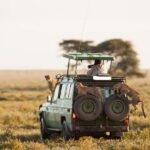
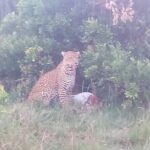
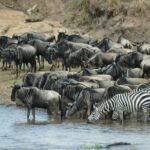
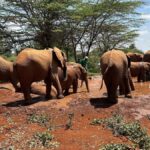
After lunch, you go out with your driver guide for an afternoon game drive. This is where you’re aiming for the big headline animals. Expect the possibility of elephants and buffaloes, and keep your eyes open for predators like lions and cheetahs when movement patterns line up. If you’re lucky, you’ll see other classic Mara residents too, like hyenas and crocodiles along water edges, depending on where wildlife concentrates that day.
Accommodation is included in self-contained camps. That matters more than it sounds. When your camp is already lined up, you avoid the usual travel scramble after a long day of driving and scanning.
One practical note: afternoon light can be tricky for photography and viewing. The sun angle changes quickly, and dust can reduce visibility. I’d plan to do less “perfect photo” thinking and more “find the animal and watch behavior” thinking. Behavior often tells you more than distance does.
Overnight Camps: Comfortable Enough, Designed for Safari Days
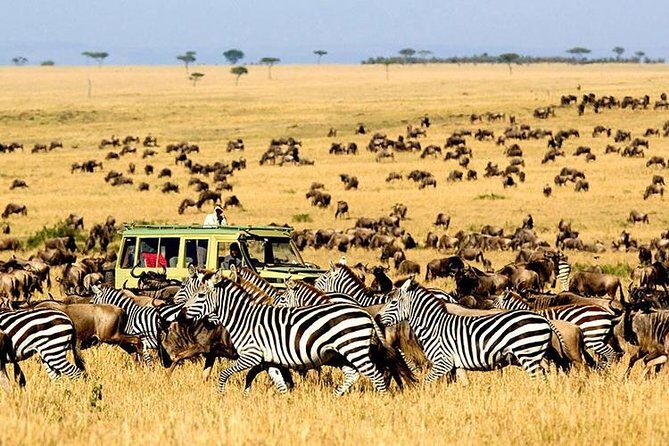
The overnight stay is described as budget but comfortable self-contained camps. I take that to mean you’ll have the basics you need to reset after a day in the field: a place to sleep, facilities to refresh, and the peace of not having to coordinate dinner plans.
Safari camps tend to be simple by design. You’re not going there for luxury; you’re going there to sleep close to where wildlife happens and wake up ready to go. This trip matches that philosophy. Even the included items—like caps and bottled water—feel aimed at making your daytime drives easier rather than turning it into a long sightseeing tour with stops everywhere.
If you’re the type who needs a very high-end hotel experience, you might find the camp level humbler than you expected. If you want a straightforward safari base, this is the right kind of setup.
Day 2 Sunrise Game Drive: When Lions and Cheetahs Move
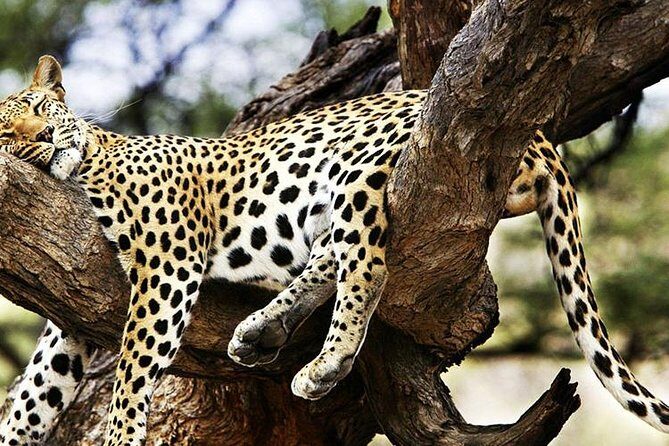
Day two starts with a wake-up call at 0600 hours for early breakfast, followed by check-out and then an early morning game drive until around 0900. The timing is deliberate. Early hours often mean cooler conditions, and animals may be easier to spot before the heat pushes them into more shaded, less visible behavior.
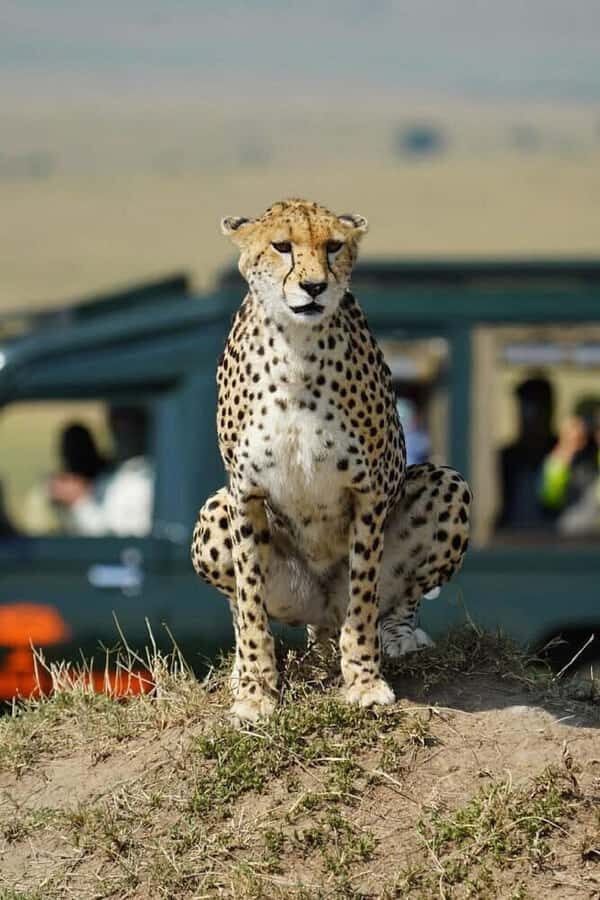
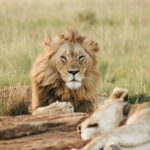
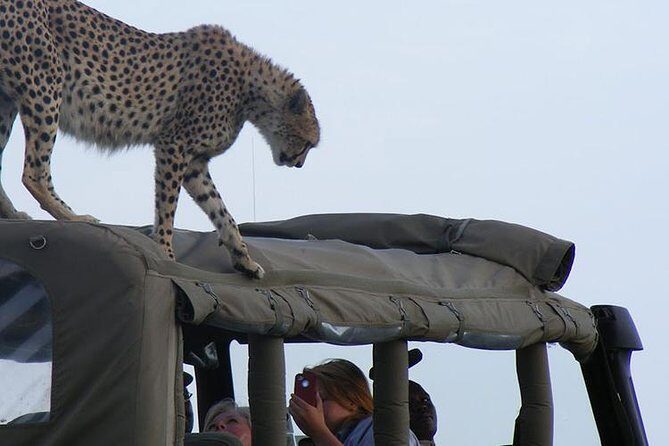
There’s also a pattern to early morning drives: predators and active hunters can be easier to find when the grass is wet and when animals are moving between feeding and resting areas. The trip notes that if you’re lucky, you may catch early-day Big Cats—especially lions and cheetahs—since they may be on tracks tied to movement and hunting routines.
This is also your best chance to catch sunrise. The morning light can make the savanna look dramatic, and it’s one of the best times to relax into the experience. Don’t treat sunrise like a photo assignment. Treat it like a chance to slow down mentally—because once you see an animal, your best tool becomes attention.
After the morning drive, you return toward Nairobi. Lunch is included (and meals are listed as included during the safari portion), so you’re not forced into “find food fast” mode at the end of the drive.
A few more Nairobi tours and experiences worth a look

Wildlife Chances: Big Five Plus the Mara Favorites

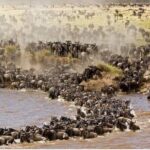
This safari is built around the Big Five concept, which is Kenya’s classic benchmark for wildlife concentration: lions, leopards, elephants, buffaloes, and rhinos. The trip also explicitly points to chances at other well-known Mara animals like hippos, baboons, hyenas, and crocodiles.
What you should understand is how wildlife viewing works here. You’re not guaranteed a specific species on a specific timetable. Instead, your guide and driver are trying to use animal movement patterns and sightings on the day to put you in the best position.
That’s why the timing matters so much. A short, delayed afternoon drive can cut down the odds of a major predator sighting. An early morning window can increase your chances for active cats, particularly when conditions make animals easier to spot.
I also suggest you bring binoculars-friendly habits even though binoculars are included. Scan methodically: start wide, then zoom in when you spot movement, then watch for subtle changes—ears turning, animals standing, or predators pausing as if they’ve locked onto something.
What You Get for $750: Value in the Details
The price is $750 per person for about two days. On paper, that sounds straightforward. In safari pricing, the real question is what you’re not paying for yourself.
Here’s what’s included based on the package details:
- Overnight accommodation
- Transport with pickup offered and door-to-door style transfer
- Breakfast and bottled water
- Lunches listed as included (2)
- All meals during the safari portion
- Binoculars
- Professional English-speaking guide
- Caps
- Internet access where applicable
- Mobile ticket
What’s not included:
- Souvenir photos (sold separately)
- Entry/park fees
There’s one small tension in the information: the day-one notes say admission ticket free, while the package list says park fees aren’t included. That doesn’t automatically mean something is wrong, but it does mean you should confirm what fees you’re actually covered for before you pay in full. Ask plainly which park fees are included and whether any reserve entrance is still payable on arrival.
If park fees and entry costs are minimal on your booking, $750 can feel like decent value because your biggest costs—driving time, guide time, camp, and meals—are already in the total. If you end up paying sizable entry fees on top, the value drops a bit.
Still, you’re getting the heart of a safari: a real overnight base and two wildlife windows rather than one long day.
How to Pack for Smart Casual and Long Safari Hours
Dress code is smart casual. That’s a helpful guide, but safari days run on real-world weather and dust. Plan for the sun and occasional wind, not for a city dinner outfit.
A practical approach:
- Wear light layers you can handle in changing temperatures.
- Use the included caps as your first line of sun protection.
- If you wear glasses, keep cleaning cloths handy for dust.
- Bring a camera strap and a way to secure your phone so you don’t fumble while watching animals.
You’ll also want comfortable footwear with grip. The ground around camps and viewing areas can be dusty, and you’ll likely step in and out of the vehicle repeatedly.
Also: bottled water is included, which is great. Still, drink steadily, especially on early morning drives when you might not feel thirsty yet.
Small-Group Dynamics: Max 8 People and a Standard Schedule
This works best when you’re happy with a group safari rhythm. The group size is capped at eight, and the setup is meant for people who want to share the experience and keep the cost down.
The trade-off is that standard itineraries move on a fixed plan. That means your driver guide is making decisions based on the day’s wildlife and conditions, but you’re also staying within the timeline of a group itinerary. If you want a fully flexible, custom safari with extra hours in one area, this style may feel a little tight.
It’s not a bad thing—it’s just a different product. For many people, the tight plan is the point: you know what you’re buying, you get your two days, and you don’t spend a vacation day managing logistics.
The One Concern I Would Plan Around: Safari Time Can Shrink
One of the most important realities from the operation is simple: delays happen. Rain can slow the Nairobi-to-Masai Mara road trip, and that can shift the schedule. When that happens, you may lose some game-drive minutes—particularly if day one ends up later than expected.
So I’d go in with a mindset that the experience is the journey between sightings, not just a guaranteed number of hours inside the reserve. If your expectations are super strict (for example, you’re counting on a full day on day one), you can get disappointed.
If you’re flexible and focus on seeing animals and learning what the guide is doing with timing, you’re far more likely to feel satisfied.
Should You Book This Two-Day Masai Mara Safari From Nairobi?
Book it if you want:
- Two safari windows with an overnight camp base
- Included accommodation and meals
- A small-group setup that keeps the cost down
- A guide with professional English plus binoculars and a straightforward plan
Consider skipping or upgrading if:
- You need maximum time in the reserve and can’t handle schedule compression
- You’re very sensitive to the idea of early mornings and road delays
- You’re unsure about whether entry/park fees are truly covered—since that could change the value of the $750 price
My take: this is a solid, practical way to experience Masai Mara without turning your trip into a DIY project. Just go in expecting a “two-day safari rhythm,” not a perfect, uninterrupted wildlife marathon.
FAQ
What time does the safari start?
The experience is scheduled to start at 6:00 am, with pickup offered.
How many people are in the group?
The tour has a maximum of 8 travelers.
Is accommodation included?
Yes. Overnight accommodation is included.
Are meals included?
Yes. Breakfast is included, and meals during the safari are listed as included, including lunch (2).
Are park or entry fees included?
Entry/park fees are listed as not included. One note also mentions admission ticket free on day one, so you should confirm what fees you’re actually covered for.
What wildlife can I hope to see?
You’re aimed at classic Mara sightings, including the Big Five, plus other animals mentioned such as hippos, baboons, hyenas, and crocodiles.
Is the cancellation policy free?
The experience offers free cancellation up to 24 hours in advance for a full refund.