REVIEW · NAIROBI
13 Days Best of Kenya and Tanzania BudgetSafari
Book on Viator →Operated by EXCITING AFRICA HOLIDAYS LTD · Bookable on Viator
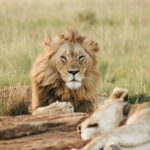
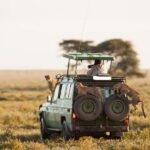
Big Five sightings start early in Nairobi. This 13-day Kenya-to-Tanzania trip strings together Masai Mara, Serengeti, and the Ngorongoro Crater with private transportation and guided game drives that keep you focused on wildlife instead of logistics. Along the way you also get cultural and scenery stops that make the long drives feel less like just driving.
I also like the small group size (max 7 travelers). That matters on safari, because you want your guide to have room to chase sightings, adjust timing, and still give you decent photo moments without feeling rushed.
The trade-off with the price is comfort style. Nights range from tented camps with mosquito nets and flush toilets in some places to simpler campsites in others, so you’ll want to plan your expectations around “adventure first.”
In This Review
- Key highlights that make this safari work
- Big Five Safari From Nairobi: 7:30am Start and Rift Valley Stops
- Masai Mara Savannah and the Masai Market Warm-Up
- Two Full Mara Days: Hippo Pools and Close-Range Roads
- Lake Nakuru for Birds, Flamingoes, and Rhino-Safety
- Amboseli and the Kilimanjaro Peak Check
- Namanga Border to Arusha: Visa Moment and a Reset
- Lake Manyara Afternoon Drive on the Way to Serengeti Plains Camps
- Olduvai Gorge to Serengeti Plains Camps: Big Cats Country
- Ngorongoro Crater Descent: 2000 Feet Down by 4×4
- Tarangire Elephants, Baobabs, and Tree-Climbing Lion Odds
- Comfort on a Budget: Tented Camps, Mosquito Nets, and Campsites
- Price Value Breakdown: What $3,895 Really Buys
- Who This Safari Fits Best (and Who Should Rethink It)
- Should You Book This Kenya and Tanzania Budget Safari?
- FAQ
- What time does pickup happen in Nairobi?
- Is pickup from my Nairobi hotel included?
- How many people are in the group?
- What’s included for meals?
- Are alcoholic drinks included?
- Are visas included in the price?
- Is the Masai Village visit included?
- Are admission tickets included?
- Does this safari run in all weather?
- Is vegetarian food available?
Key highlights that make this safari work
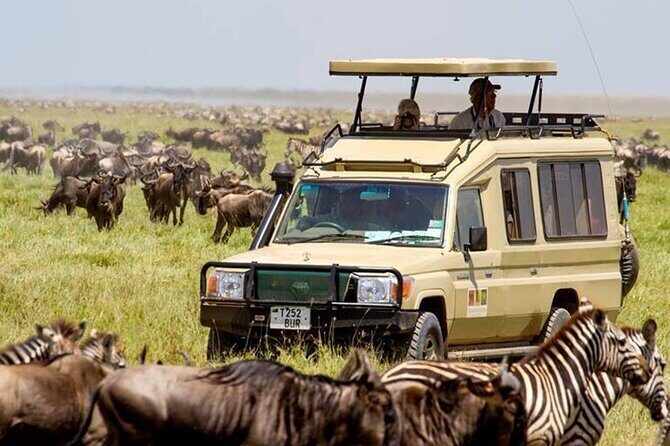
- Masai Mara twice for more chances at the classic sightings
- Ngorongoro Crater descent by 4×4 to about 2,000 feet down
- Olduvai Gorge stop en route to Serengeti, tied to Leakey-family fossil discoveries
- Max 7 travelers, which usually means smoother guiding and less crowding
- Most meals included (lunch, dinners, and 11 breakfasts), so you’re not hunting down food daily
- Big Five parks across Kenya and Tanzania, stitched together into one route
Big Five Safari From Nairobi: 7:30am Start and Rift Valley Stops
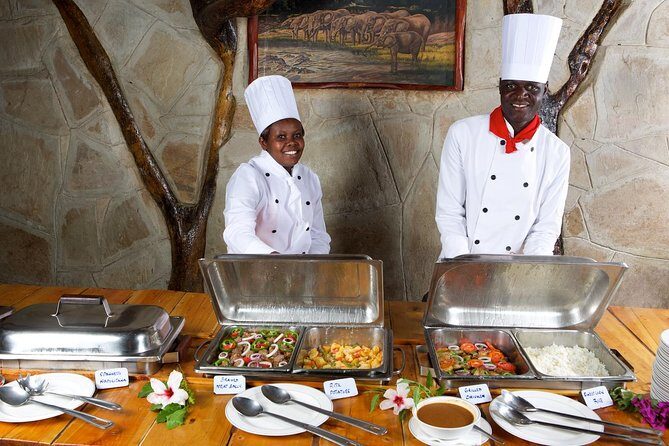
Your day starts with a practical 7:30am pickup in Nairobi. You’re not getting a vague “sometime in the morning” plan—this schedule is built to get you to the parks while animal activity is still climbing. If you’ve ever watched people drift into safari time late, you’ll appreciate how tight the timing is here.
The first drive also includes a Mara Savannah Masai Market stop, plus viewpoints over the Great Rift Valley and a pass through Narok town for lunch. That mix helps you get your bearings before the game-viewing rhythm kicks in. It also breaks up the “sit in a vehicle all day” problem that can happen on budget safaris.
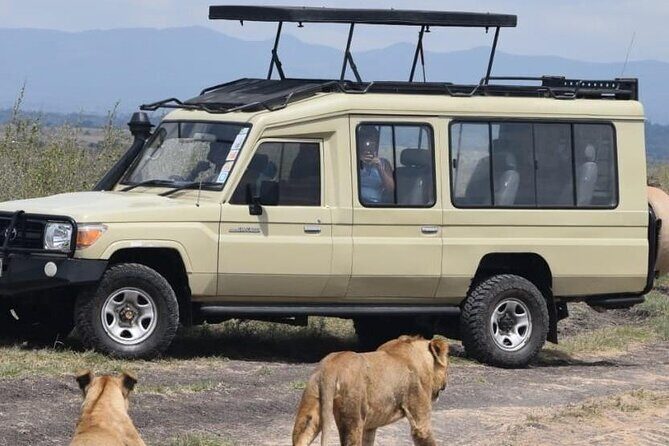
One other value point: the tour details call out private transportation. Even though you’re in a group, you’re not dealing with shared shuttles that slow you down at every turn.
You can also read our reviews of more tours and experiences in Nairobi.

Masai Mara Savannah and the Masai Market Warm-Up
The Masai Mara portion starts with more than wildlife. You begin at the Mara Savannah Masai Market, which can be a nice first taste of local life before the long hours scanning savannah for action. If you like travel that includes people and not just animals, this stop helps.
After that, the route heads through the Great Rift Valley viewpoint area and Narok town before lunch. Those viewpoint bits are useful in a simple way: they help you understand what you’re looking at when the terrain opens up—plains, rolling ground, and the natural corridors where animals move.
When you finally reach the reserve, you jump into a game drive right away. That’s a smart pacing choice. Your first night is in camp tents with showers and a flush toilet, and the beds use mosquito nets. That’s a welcome combination on a budget trip: basic, but not miserable.
Two Full Mara Days: Hippo Pools and Close-Range Roads
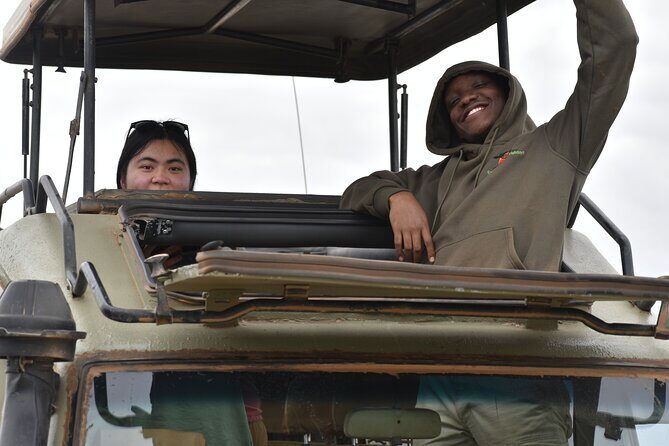
Spending two full days in Maasai Mara National Reserve is a major reason this trip earns a high rating. One day is never “enough” in Mara, because sightings can change fast and animals don’t follow your schedule. Two days give you a second shot—especially if weather or timing affects where the action is.
Mara is also described as having an extensive road and track network. Translation: your guide can reposition quickly, and you can often get closer, which matters for both viewing and photography. You’re not stuck far out on a single road all day.
You’ll also get a specific wildlife-feeding kind of break: a picnic lunch at the hippo pool area. That’s the kind of stop that makes safari feel alive, because it’s not just “drive and scan.” You also get time to watch hippos and (when luck is with you) crocodiles in the water nearby.
Night two is back at the camp, so you’re staying in the same overall style for both Mara days. That consistency helps. You’re not constantly switching accommodation setups while still adjusting to new park rules.
Lake Nakuru for Birds, Flamingoes, and Rhino-Safety
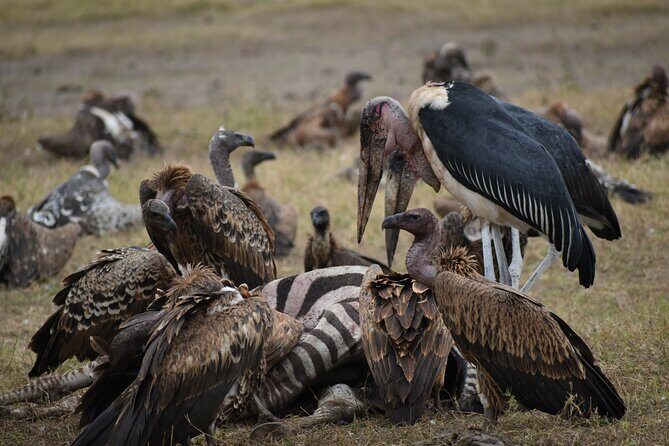
After Mara, you head toward Lake Nakuru with an early pre-breakfast game drive, then breakfast, then departure to Nakuru. The drive is framed by scenic viewpoints of Mt. Longonot and Lake Naivasha from afar. You don’t need perfect visibility for that part to be interesting. Even hazy viewpoints give you a better sense of scale.
Lake Nakuru’s big theme is birds, and the tour details also highlight flamingoes elsewhere, along with a white rhino sanctuary tied to Amboseli. So in Nakuru, think “birdwatching energy,” plus chance sightings of animals that share the lake edges.
Logistically, this day is a shift: you’re moving from Mara’s camp structure to a budget hotel for the night. That’s not a downgrade if you see it as a reset. You get a more standard bed setup compared to tents, which helps your body recover for the next long park days.
Also, the itinerary includes a lunch en route. On a day like this, it helps you avoid the common safari trap of arriving hungry and running late.
Amboseli and the Kilimanjaro Peak Check
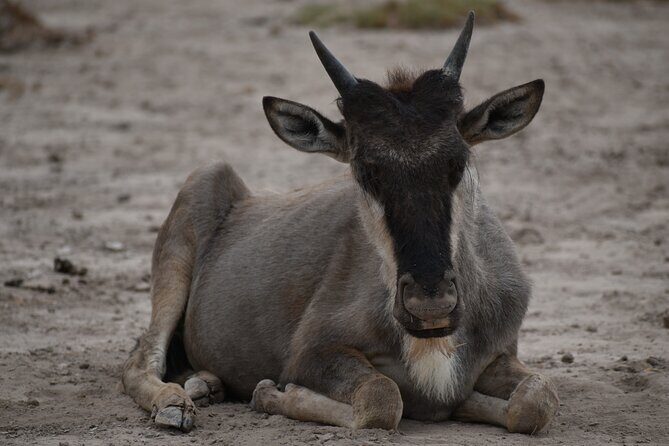
Amboseli National Park is one of those places where animals and scenery show up together. You get game drives after breakfast, and the park is known for prolific birdlife—including flamingoes—and a conservation sanctuary for the white rhino. You’re not only looking for big mammals here; you’re also in a place where birds can keep the day moving when larger sightings are slower.
Then there’s a second Amboseli day with swamp grounds where elephants and hippos bathe. Swamps change the whole feel of a game drive. Instead of only scanning dry plains, you’re watching behavior around water—dust baths, cool-down rhythms, and animals gathering where they can stay comfortable.
Mt. Kilimanjaro’s peak is mentioned as something you might see if weather allows. So treat that as a real possibility, not a guarantee. On safari, clouds can be dramatic, and the mountain can disappear quickly. Still, it’s a nice carrot to keep in view as you scan the horizon.
You’ll also get picnic lunch during the drive days. That’s practical and keeps your timing flexible, which helps when a sighting pulls your group forward.

Namanga Border to Arusha: Visa Moment and a Reset
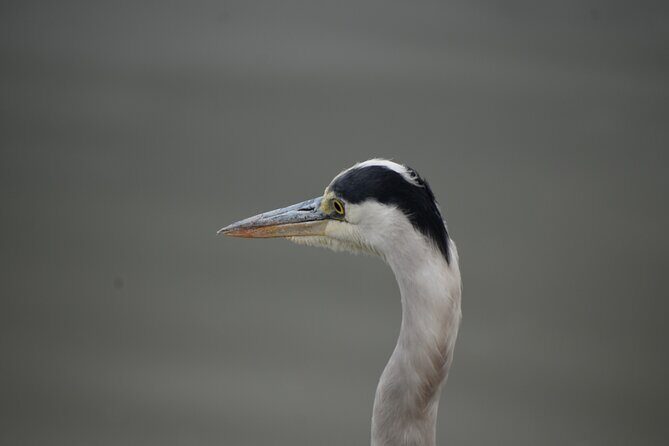
Crossing from Kenya to Tanzania is its own event, and the tour builds it into the schedule. You’ll do a final morning game drive and then drive out toward the Namanga border point. This is where visas come into play, and the tour states that you handle visas there and then board a shuttle bus to Arusha.
Two practical notes here:
- If you’re traveling on a tight plan, double-check your paperwork well before travel.
- Border days can run differently than expected. Even with a plan, queue time happens.
Once in Arusha, you’re dropped at an Arusha tourist inn on bed and breakfast. That gives you a more normal hotel routine for a night—shower, rest, and food you can eat without thinking too hard.
It also helps you mentally shift from “safari vehicle life” into “connection town life” before the next parks.
Lake Manyara Afternoon Drive on the Way to Serengeti Plains Camps
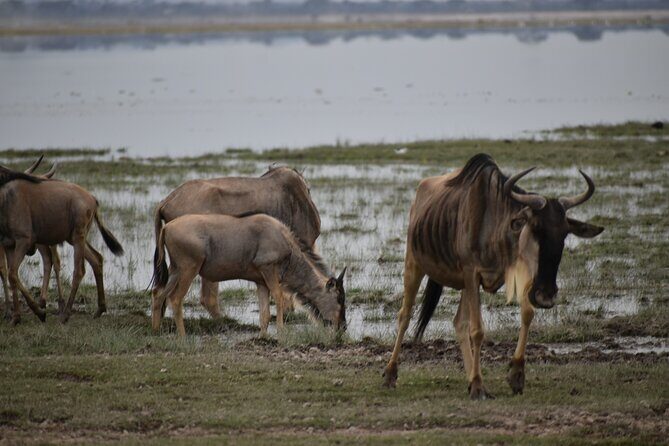
After breakfast, you drive to Lake Manyara National Park for an afternoon game drive. Afternoon drives can be a sweet spot in wildlife watching because animals are active, and you get warmer light for photos—though heat and glare can also be factors.
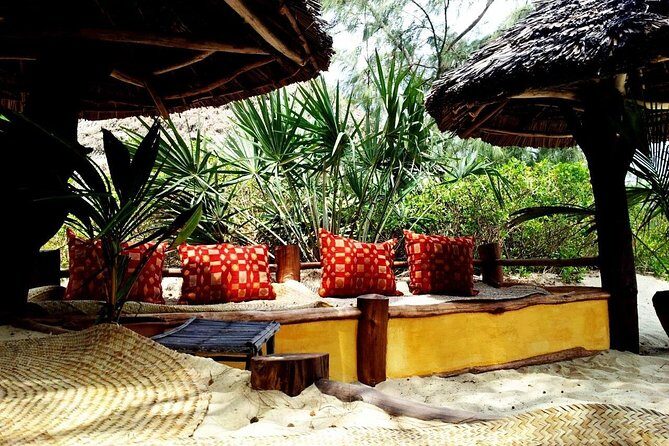
Dinner and overnight are at a campsite. On budget trips, campsites can vary a lot in comfort level depending on location and how busy things are. Here, the key is to plan for simpler evenings. Bring a dry bag for essentials and keep your valuables close—basic habits that help anywhere.
Then you move on toward Serengeti.
Olduvai Gorge to Serengeti Plains Camps: Big Cats Country
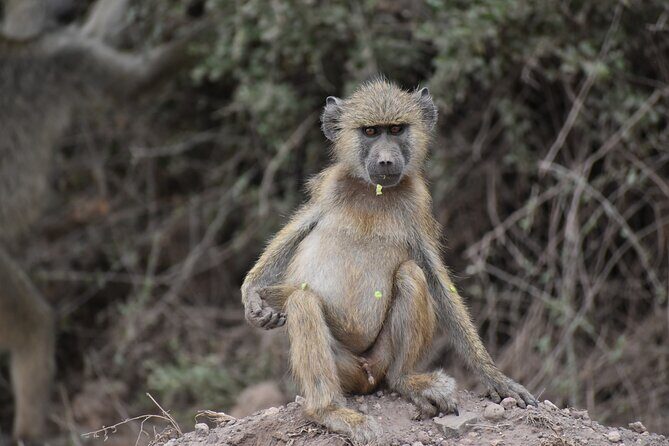
This is one of the more interesting drive days on the whole route. You depart for Serengeti and pass through Olduvai Gorge, described as the Leakey family fossil discovery site about human and animal ancestors dating back almost two million years. Even if you only get a short stop, it adds a human-time layer to the safari. You’re not only watching wildlife; you’re thinking about how long life has been changing here.
Serengeti comes with two full days of game viewing, and your nights are at campsites with meals provided. The best practical advantage of that: you’re not constantly changing accommodation during your most wildlife-heavy part of the trip. You’ll likely feel the days blend together into one long safari rhythm.
You also have both morning and afternoon game drives on the second Serengeti day. That’s good planning. Some animals react to the sun and movement patterns. If you only get one drive per day, you can miss the timing that works for particular sightings.
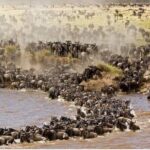
In terms of what you might see: Serengeti is the place where classic scenes happen when conditions align—lions on kopjes and cheetahs sprinting across open plains. You can’t control those moments, but getting two dedicated days helps your odds.
Ngorongoro Crater Descent: 2000 Feet Down by 4×4
Then you hit the biggest wow-factor mechanic on the route: the Ngorongoro Crater descent. You go down around 2,000 feet in a 4-wheel drive vehicle, then enjoy a picnic lunch inside the crater before ascending back to the campsite.
This is one of the days where the format matters. Being taken down by 4×4 changes what you see because you’re dropping into a different ecosystem, not just driving around the rim. The crater can feel like stepping into a smaller world with its own rules.
The itinerary keeps the day focused: descent, lunch, ascend. That’s smart for a day like this because you’re not stacking too many extra transitions on top of the climb and route changes.
For many people, this is the single day that feels most different from the savannah drives. It’s also the day where you’ll want to be dressed for temperature swings—crater areas can feel cooler than plains.
Tarangire Elephants, Baobabs, and Tree-Climbing Lion Odds
After Serengeti and Ngorongoro, you shift to Tarangire National Park. The tour notes elephants and birds as major themes, plus the park is a haven for bird enthusiasts even in the dry season. You’re also told there are swamps that focus on breeding birds anywhere in the world—so if you love birds, this is a meaningful add-on day.
You’ll have dinner and overnight at a campsite here as well.
Then there’s a final game viewing portion described as famous for huge numbers of elephants, baobab trees, and tree-climbing lions, plus mention of 550 species. Yellow-collared lovebirds are called out as common, along trees along the Tarangire River. That’s specific enough to help you tune your attention: slow down for branches, not just ground-level movement.
After the final drive, you return to Arusha for the night, then later depart toward Nairobi or your next destination.
Comfort on a Budget: Tented Camps, Mosquito Nets, and Campsites
You’re not booking a single hotel standard across the entire trip. You’ll see three main accommodation modes:
- Tented camps with showers and flush toilets (at least on the first camp night)
- Budget hotels (like the Nakuru stop)
- Campsites (during parts of the Serengeti and other park nights)
That’s normal for this type of safari, but it’s still the biggest practical “gotcha” on budget trips: don’t pack like you’re staying in one consistent property.
A few things I’d treat as non-negotiable:
- Mosquito protection. The first camp notes mosquito nets, but insects don’t respect schedules.
- A small kit for dust. Safari days mean dust. Keep your skin and camera gear protected.
- Flexibility with bathroom setups. Flush toilets exist in some camps, but campsites can be more basic. Expect real outdoors logistics.
The tour also says it operates in all weather conditions and you should dress appropriately. That means bring layers. Your “morning chill” and your “midday sun” might both be real.
Price Value Breakdown: What $3,895 Really Buys
At $3,895 per person, this isn’t the cheapest way to do Kenya and Tanzania. But it’s also not trying to sell you luxury for the whole journey. The value shows up in what’s included and what isn’t.
What you get included:
- Lunches and dinners, plus breakfast (11) times
- Private transportation
- Guided game drives
- Parking fees
- Some admission ticket entries listed as included across parks
What you still pay separately:
- Visas
- Tips and gratuities to the safari crew
- Alcoholic drinks (available to purchase)
- Masai Village visit (listed at USD 10 per person)
There’s also a small but meaningful highlight in the reviews: people liked the fact that the vehicle was in good shape and guides were flexible. Names like Zack and Sammy came up as knowledgeable and good at adjusting when weather threw a curveball. That kind of guiding matters because animal sightings often depend on timing, road conditions, and where your guide decides to reposition.
One additional value reality: the tour limits group size to 7 travelers. More privacy in a safari vehicle can reduce stress and make game drives more comfortable.
If you hate uncertainty, you should be aware that long-route safari vehicles can have delays if repairs are needed. One trip example mentioned a roughly three-hour wait when a safari truck needed repairs. That’s not something you can plan away, but it is something you can emotionally budget for: don’t schedule your life tight on safari days.
Who This Safari Fits Best (and Who Should Rethink It)
This Kenya and Tanzania route is best for you if you:
- Want Big Five parks in one trip without building a plan from scratch
- Like guided days where someone else handles the driving and park access
- Can handle a mix of accommodations and want the savings instead of full luxury
You might rethink it if:
- You need a consistent hotel standard every night
- You’re very strict about no vehicle delays whatsoever
- You’re not comfortable with a long day of driving tied to game viewing schedules
Solo travelers can work well too. Past guests described feeling safe and supported moving between Kenya and Tanzania, even when joining a small group portion.
Should You Book This Kenya and Tanzania Budget Safari?
I’d book it if you want a practical, wildlife-first safari that links Kenya’s top parks to Tanzania’s crater and plains without turning the trip into a spreadsheet project. The combination of two Serengeti days, the Ngorongoro crater descent, and Mara twice is strong.
Before you say yes, do three things:
- Budget separately for visas, tips, and alcohol, plus the optional Masai Village visit fee.
- Pack for dust and mosquito season, even if your camp has nets.
- Go in with patience for long drives and the fact that sightings are never guaranteed.
If that sounds like your style, this is a solid way to get serious safari time while still keeping the overall cost in the “budget-friendly but not bare-bones” zone.
FAQ
What time does pickup happen in Nairobi?
The tour starts at 7:30am in Nairobi.
Is pickup from my Nairobi hotel included?
Pickup is offered from your Nairobi hotel to depart for the safari.
How many people are in the group?
This tour has a maximum of 7 travelers.
What’s included for meals?
The tour includes lunch and dinners, plus breakfast 11 times.
Are alcoholic drinks included?
No. Alcoholic drinks are available to purchase.
Are visas included in the price?
No. Visas are not included, and the route notes visa handling at the Namanga border point.
Is the Masai Village visit included?
No. The Masai Village visit is listed as USD 10 per person.
Are admission tickets included?
Admission ticket inclusion varies by day in the tour details: Mara, Lake Nakuru, Amboseli, Ngorongoro, and Tarangire are listed as included on specific days, while Serengeti days are marked free on the schedule. The Arusha shuttles portion says admission ticket not included.
Does this safari run in all weather?
Yes, it operates in all weather conditions. The tour notes to dress appropriately.
Is vegetarian food available?
Yes. A vegetarian option is available if you advise the operator at booking.