Big cats start before breakfast. This 3-day Maasai Mara adventure pairs Nairobi pickup with a Spanish-speaking guide option, so you get clear info on what you are seeing.
You also get a smart mix of travel time and game time: a Rift Valley viewpoint stop on the way in, then multiple drives in the reserve, plus a visit to the Mara River area.
One consideration: wildlife sightings are never guaranteed, and weather can shift how the days go.
In This Review
- Key highlights you should care about
- Nairobi to Maasai Mara: the Rift Valley viewpoint that sets the mood
- Day 1 in Maasai Mara: lunch, rest, then your first reserve drive
- Day 2: morning and afternoon game drives plus Mara River hippos and crocs
- Day 3 early morning drive (06:30–09:30) and the ride back to Nairobi
- Price and logistics: where the $950 really goes
- Group size and the role of your guide
- What you should pack for this kind of 3-day Maasai Mara trip
- Should you book this 3-day Maasai Mara safari?
- FAQ
- FAQ
- Is pickup included for this Maasai Mara tour?
- Are there Spanish-speaking options on this trip?
- How many game drives do you get?
- Do I get to visit the Mara River?
- Are meals included in the price?
- Is a balloon safari included?
- What happens if weather is poor?
- What is the cancellation window for a full refund?
Key highlights you should care about
- Private Nairobi pickup and drop-off keeps the start and finish easy
- Spanish-speaking guide option if you book with Spanish language needs
- Two longer reserve days with both morning and afternoon game drives
- Mara River time aimed at seeing hippos and crocodiles sharing the water
- Early morning drive on Day 3 (06:30–09:30) for fresh chances and better light
- Meals and water included (breakfasts, lunches, dinners, plus drinking water)
Nairobi to Maasai Mara: the Rift Valley viewpoint that sets the mood
The tour is built around one big idea: get you out of Nairobi in a practical way, without turning the day into a stressful sprint. You start at City Market, Muindi Mbingu St, Starehe, and you end back there at the close. That round-trip structure is underrated. In real safari travel, it is the little time-sinks that can ruin your calm.
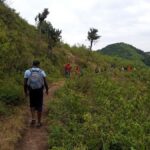
On Day 1, you leave Nairobi and make a brief stop at the Great Rift Valley View Point. This is not a long detour. It is a quick moment to understand the scale of what you are heading toward. The Rift Valley stretches across countries and acts like a giant divider in the region. Even if you have seen photos before, standing there helps you understand why the Mara area feels so alive.
Then you continue on toward Maasai Mara, aiming to arrive in time for lunch at the lodge/camp. After lunch, you get to settle for a short break before the first afternoon game drive in the reserve. That “food first, eyes on animals second” rhythm matters. It keeps your energy steadier, especially after a drive day.
A few more Nairobi tours and experiences worth a look
Day 1 in Maasai Mara: lunch, rest, then your first reserve drive
Day 1 is about transition and momentum. You are traveling from Nairobi, then stepping straight into the Mara’s rhythm. The plan is simple: arrive, eat, reset, and go hunting for animals with a guide.
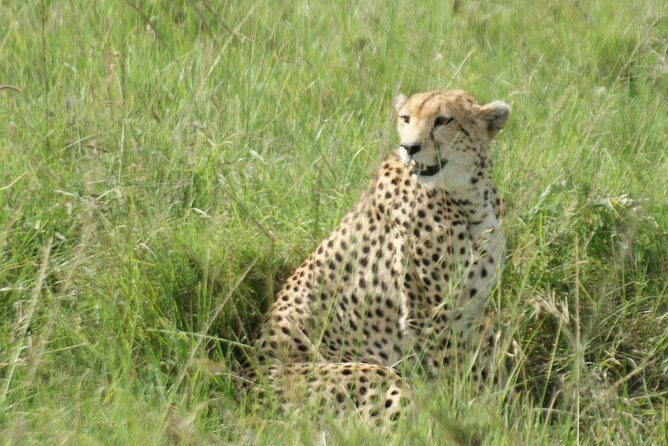
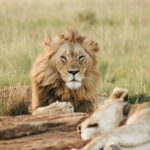
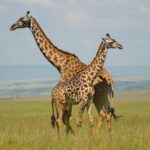
The afternoon game drive is the key payoff. This is when the reserve starts to feel real: grassland that changes color with the light, animals moving at different speeds, and birdlife showing up in the spaces between bigger sightings. If you are coming for the Big Five, this first drive is your warm-up. Even when you do not hit every target right away, it helps you learn how your guide reads the terrain.
A practical tip: because it is an afternoon drive, dress for shifting temperatures. Start comfortable, then plan for a cooler period as the day moves toward evening. Bring layers you can actually adjust in a vehicle.
What I like about the way Day 1 is structured is that you are not wasting the Mara daylight sitting around. You get lunch, then you go. That is a better use of time than long check-in delays and waiting-room vibes.
Day 2: morning and afternoon game drives plus Mara River hippos and crocs
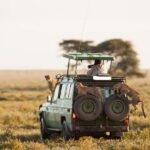
Day 2 is the busiest “wildlife day” of the trip. You start with a morning game drive, then you return for lunch, and you go out again for an afternoon game drive. Doing two drives in one day increases your chances. Animals do not perform on a schedule, but time on the road with a trained eye does boost your odds.
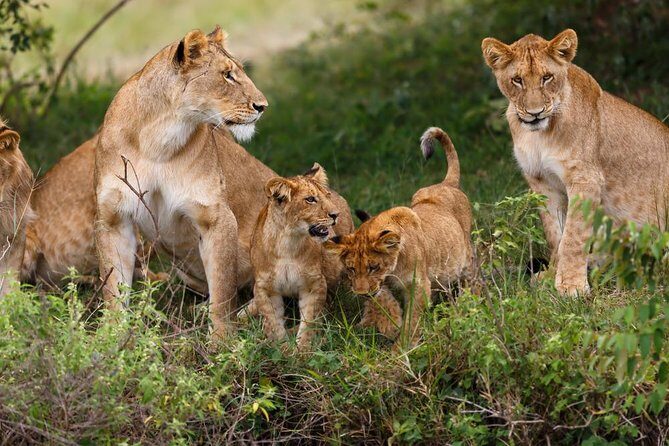
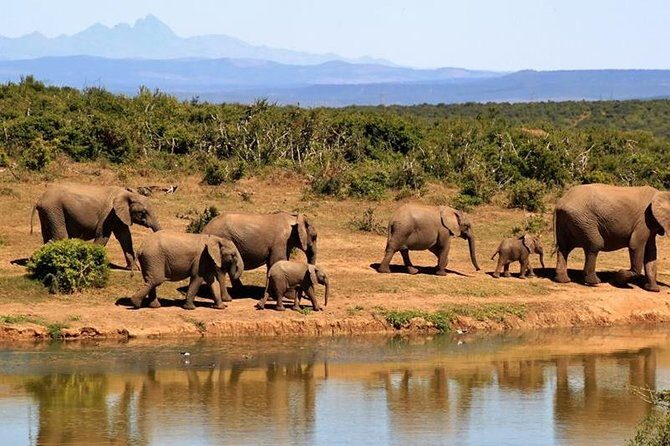
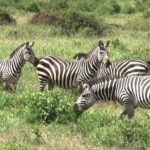
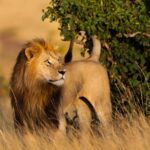
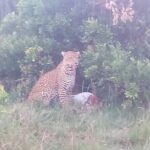
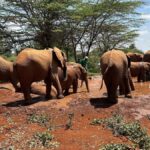
This is also the day when the tour focuses hard on the big targets. You are searching for the Big Five (elephant, lion, buffalo, leopard, rhinoceros), plus plenty of other plains species. In a place like the Maasai Mara, the point is not only to spot famous animals. It is to watch the way they interact with each other and the grassland. A good guide helps you see patterns you would miss on your own.
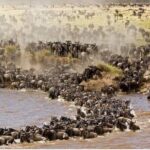
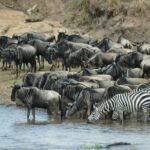
Then you get something very specific: a trip to the Mara River area, where hippos and crocodiles share the water. That is not just a cool stop; it is a reminder that different animals use the same space in very different ways. Hippos move and lounge with confidence, while crocodiles are often easier to spot once your guide knows where to scan.
You also have an optional Maasai Village visit. Since it is optional, you can choose based on your interests and energy level. If you like cultural add-ons that are short and respectful, it can be a good contrast to the wildlife focus. If you would rather stay on the reserve, you can skip it and keep the day more strictly about animals.
By the end of Day 2, you return for dinner and overnight at your camp. This is where the tour’s “no-drama” logistics help. You are not managing your own vehicle, figuring out timing, or chasing meal arrangements while you are excited from sightings.
In some safari groups, I have seen how guides can make or break the experience by helping you see more without pushing you to hurry. On this route, guides like Christopher and Bernard have been singled out for keeping things organized and helping the group make the most of the drives. You want that kind of competence when you are aiming for spotted success in a massive reserve.
Day 3 early morning drive (06:30–09:30) and the ride back to Nairobi
Day 3 starts early, between 06:30 and 09:30 for the morning game drive. Early light is a real thing in safari photography and animal visibility. You also tend to get a calmer feel at that hour. The animals are active, and the drive is usually less chaotic than later in the day.
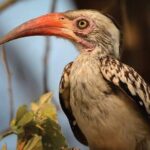
This drive is again aimed at the Big Five and bird species. Even if a big mammal is not in the mix that morning, birdlife can be the “quiet win” that makes the experience feel complete. Guides often notice small movement first, and that is where your best surprises come from.
After the morning game drive, you return to the camp for breakfast. Then you switch gears: you leave for Nairobi with lunch boxes. That detail matters because you avoid the hungry, tired scramble that can happen on long rides.
You stop for lunch and a brief rest en route, then arrive in Nairobi for drop-off at your agreed point. Since the tour ends back where it starts, you do not have to worry about guessing a new finish location.
My advice for Day 3 is to treat the morning drive like it is the main event. If you are tempted to sleep in once the schedule feels routine, resist it. Early hours are when the Mara often feels most alive.
Price and logistics: where the $950 really goes
At $950 per person for a roughly 3-day safari, you should think of this as paying for the whole machine, not just for time in the reserve. The tour includes private transportation, all fees and taxes, and drinking water. It also includes the meal plan: 3 lunches, 2 dinners, and 2 breakfasts.
That is key value. Safari pricing can be confusing because the costs are scattered: park access, transport, meals, and guide time. Here, those basics are bundled. You are less likely to arrive and then realize you forgot a key cost item.
What is not included is also worth noting. You are on the hook for tips, laundry, and international airfare. Also, balloon safaris are not included. If a balloon is a “must,” you would need to book it separately.
Here is how I would judge the value: if you want a smooth experience with pickup, drive planning, and meals handled, this package style fits well. If you prefer a totally independent safari with your own vehicle and lodge choices, then you may compare differently. But for many visitors, the appeal is that you spend your attention on animals, not on logistics.

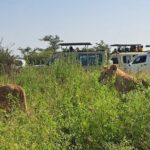

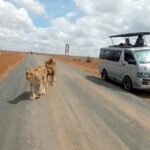
Group size and the role of your guide
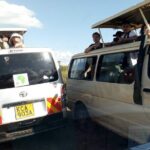
This tour caps at 15 travelers. That is a manageable number for a shared safari vehicle experience. It also helps keep the atmosphere comfortable: small enough for personal guidance, big enough that you are not alone.
The biggest differentiator, though, is the guide setup. If you speak Spanish, the tour offers Spanish-speaking options and a Spanish-speaking guide throughout. That can be a huge quality-of-life improvement. On safari, you are often hearing fast explanations about behavior and habitat. When language clicks, you do not have to pretend you understand.
Even when you are not using Spanish, the guide matters for spotting. A good guide helps you look in the right places, at the right moments, and not waste daylight. In the feedback I’ve seen connected to this safari style, guides such as Christopher and Bernard have been praised for helping the experience run smoothly and for making sure the group gets as many chances as possible.
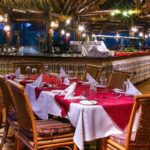
Also, a quick word on camps. One praised stay mentioned Mara Sopa by name in the feedback. Your exact camp may vary, but the point is that the overnight lodging can make a difference in comfort after long days.
What you should pack for this kind of 3-day Maasai Mara trip
The tour data you have does not spell out a packing list, so I will stick to what you can safely assume from the schedule: you are doing early mornings, long drives, and game viewing that may involve waiting.
Plan for:
- Comfortable closed shoes for getting in and out of vehicles
- Layers for early and evening temperatures
- A hat and sunscreen for daylight drives
- A light rain plan, because the tour depends on weather
And because drinking water is included, you can focus on hydration without worrying about constant purchases.
If you are adding the optional Maasai Village visit, pack in a way that supports walking short distances and staying respectful of local rules you might be given on arrival.
Should you book this 3-day Maasai Mara safari?
Book it if you want:
- A practical Nairobi-to-Mara plan with pickup and drop-off
- A safari that gives you multiple drives, not just one long shot
- The option of a Spanish-speaking guide
- Included basics like meals, water, and park/fee coverage
Consider skipping (or at least adjusting expectations) if:
- You need guaranteed Big Five sightings. No itinerary can promise that.
- You dislike early mornings. Day 3 is a true early start.
- You are hoping for a balloon safari in the same price. That is not included.
If you fit the first list, this tour style is a strong bet. You get real time in the reserve, a Mara River stop with dramatic potential, and a travel rhythm that keeps you from burning out before the best animal moments.
FAQ
FAQ
Is pickup included for this Maasai Mara tour?
Yes. Pickup is offered, and the tour starts at City Market, Muindi Mbingu St, Starehe, Kenya with drop-off back at the meeting point or an agreed spot.
Are there Spanish-speaking options on this trip?
Yes. If you book with Spanish language needs, you get a Spanish-speaking guide throughout the tour.
How many game drives do you get?
You get game drives on Day 1 (afternoon), Day 2 (morning and afternoon), and Day 3 (early morning between 06:30 and 09:30).
Do I get to visit the Mara River?
Yes. Day 2 includes a visit to the Mara River area to see hippos and crocodiles, which share the water.
Are meals included in the price?
Yes. The tour includes 3 lunches, 2 dinners, and 2 breakfasts, plus drinking water.
Is a balloon safari included?
No. Balloon safaris are not included.
What happens if weather is poor?
This experience requires good weather. If it is canceled due to poor weather, you will be offered a different date or a full refund.
What is the cancellation window for a full refund?
You can cancel up to 6 days in advance for a full refund, and refunds are tied to local time cut-offs.