REVIEW · KENYA
12 Days Samburu Ol-pejeta lake Nakuru Masai Mara lake Naivasha Amboseli safari
Book on Viator →Operated by Direct Kenya Safaris Ltd · Bookable on Viator
Kilimanjaro views start with the clouds. This 12-day Kenya circuit stitches together Samburu, Ol Pejeta, Lake Nakuru, Masai Mara, Lake Naivasha, Green Crater Lake, and Amboseli, with plenty of morning-and-afternoon game drives and a real shot at classic wildlife sightings. I like the pace: you’re not rushed through every park, so the animals have time to show up on your schedule. I also like the guiding setup—the tour is built around a driver-guide who knows how to read animals and terrain fast.
The main drawback to plan for is weather-dependent mountain viewing and big-picture timing: you’ll hear that the best views of Mount Kenya and Kilimanjaro often happen when skies clear, so some days may be less dramatic than others.
In This Review
- Key things that make this safari worth your time
- The route: Samburu to Amboseli with Nairobi bookends
- Nairobi night at 67 Airport Hotel and how the timing fits
- Samburu National Reserve: reticulated giraffes, the Ewaso Nyiro River, and two big-drive days
- Ol Pejeta Conservancy: a privately run equator plateau with primates and big-five odds
- Lake Nakuru National Park: pink flamingos, rhinos, and a birds-first vibe
- Masai Mara: the Big Five game-drive focus plus optional balloon sunrise
- Lake Naivasha, Green Crater Lake walking safari, and the value of slow time
- Amboseli: elephants, Kilimanjaro dome views, and optional Masai culture
- Price and value: what $3,590 covers for 12 days
- Should you book this 12-day Kenya safari?
- FAQ
- FAQ
- How long is the safari?
- Do you get picked up from the airport?
- Where is the first overnight stop in Nairobi?
- Is this tour private?
- Are park entrance fees and game drives included?
- Are meals included?
- Is bottled water included?
- Is the Masai village visit included?
- Is the Masai Mara balloon safari included?
- Are international flights included?
Key things that make this safari worth your time
- Two-game-drive rhythm at the big parks, which boosts your odds of great sightings
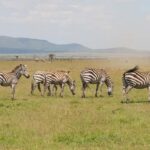
- Samburu specialties like Reticulated giraffes and Grevy zebras in northern Kenya
- Ol Pejeta on the equator with chances for primates and big-five style wildlife spotting
- Lake Nakuru’s flamingos and rhino country in one park stop
- Masai Mara full-day wildlife time plus an optional balloon sunrise add-on
- Amboseli elephant country with Mount Kilimanjaro views when clouds lift
The route: Samburu to Amboseli with Nairobi bookends
This trip is a classic Kenya loop, but it’s built with a clear logic: start with the northern savannah personality in Samburu, move south to conservation and lake birds around Ol Pejeta and Lake Nakuru, then swing into the big-cat and big-herd energy of Masai Mara. After that, you slow things down with Lake Naivasha and a walking safari at Green Crater Lake, then finish in Amboseli, where elephants and mountain views are the headline.
You’ll be traveling by 4×4 Toyota Hiace minivan with two-way radio. That matters because safaris in Kenya are about positioning—being able to communicate quickly helps your driver keep the group on the right tracks when animals move.
Value-wise, what you’re really paying for is time in the field. Twelve days sounds long, but on safari that time turns into sightings you can actually enjoy instead of just snap-and-go photo stops.
A few more Kenya tours and experiences worth a look
Nairobi night at 67 Airport Hotel and how the timing fits
Your trip begins with an airport pickup on arrival, a tour briefing, and then a night at 67 Airport Hotel in/near Nairobi. The next day is when you start the safari proper, so you don’t have to do logistics while jet-lagged and hunting for the right vehicle.
There’s also a stated 12:00 pm start time for the experience. In real life, that usually means your schedule is set for a midday handoff—helpful if your arrival window is tight—while the airport pickup still depends on when you land.
If you want a smooth start, use that Nairobi night well: eat early, pack your essentials in an easy-to-reach bag, and keep your camera batteries charged. Safari days can begin before you feel fully awake.
Samburu National Reserve: reticulated giraffes, the Ewaso Nyiro River, and two big-drive days
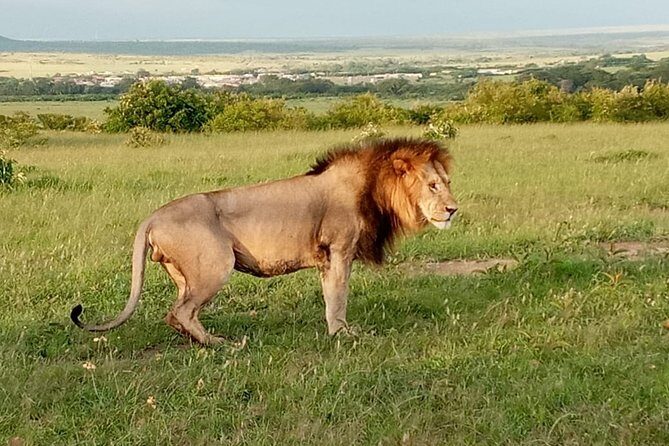
Samburu is one of my favorite kinds of safari stops because it has a distinct cast of characters compared to the central parks. You’re driving from Nairobi through the Equator area and past Mount Kenya on the way north, then arriving for lunch at Samburu Sopa Lodge. After lunch, you get an evening game drive—good for that first taste of northern Kenya wildlife.
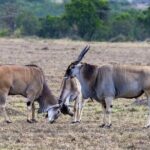
Samburu’s big advantage is the species mix. This reserve is known for Reticulated giraffe (described as rare and found in northern parks), plus Grevy zebras, Gerenuk gazelles with that long, upright neck posture, and Beisa Oryx. You also have river-and-scrub life in the Ewaso Nyiro River area, where the itinerary calls out animals like crocodiles, hippos, elephants, leopards, and lions.
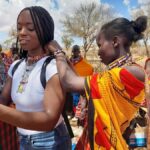
You’ll spend a full day here with morning and afternoon game drives, and there’s an optional cultural visit to a Samburu Village later in the day for USD 20 per person. If you’re doing it, go in with the right mindset: treat it as a cultural exchange, not a quick photo stop.
Possible drawback: Samburu is excellent, but it’s not built around the same famous herd spectacle as the Mara. If you only care about the largest predator action, you might feel Samburu is more “special species” than “nonstop drama.” Still, the payoff is real if you enjoy variety.
Ol Pejeta Conservancy: a privately run equator plateau with primates and big-five odds
After breakfast you head to Ol Pejeta Conservancy, previously known as Sweetwaters, a privately owned 90,000-acre wildlife area. It sits high on a plateau on the equator between the foothills of the Aberdares range and Mount Kenya, so even the drive has a sense of scale.
One detail I really like: Ol Pejeta is described as a place where cattle and wildlife can graze side by side in some areas. That gives you a more grounded view of how people and wildlife share space here, rather than a fenced-off bubble.
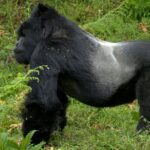
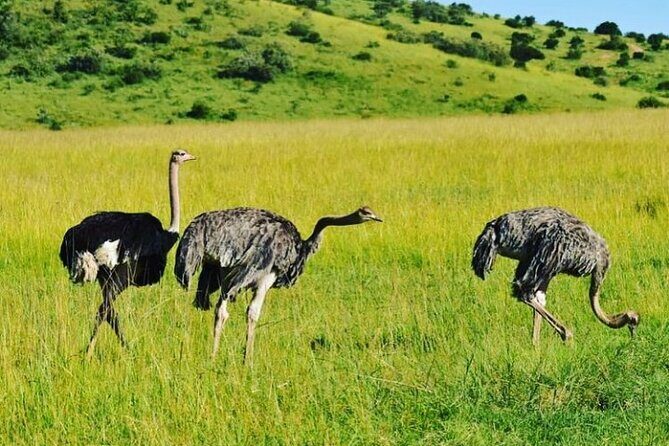
Wildlife and birdlife are the headline. The itinerary notes the conservancy hosts animals including the big five and many bird species. It also emphasizes primate viewing opportunities, which is a nice change from the usual focus on hoofed animals and predators.
Bonus for photographers: you may get panoramic Mount Kenya views on clear mornings. Since this is “may” dependent, don’t plan your entire expectations around it, but do set yourself up for a chance—clear mornings can be a gift.
Lake Nakuru National Park: pink flamingos, rhinos, and a birds-first vibe
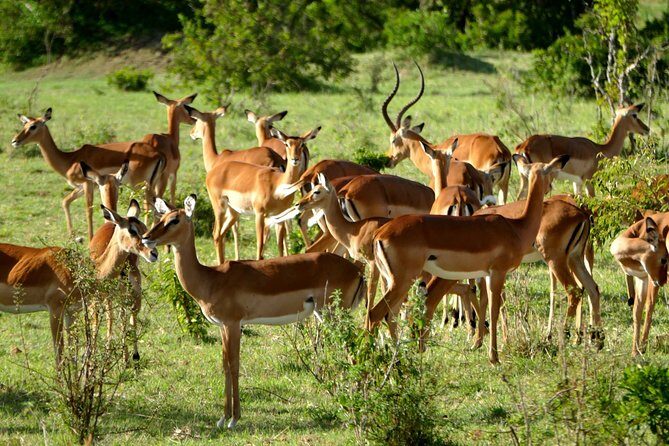
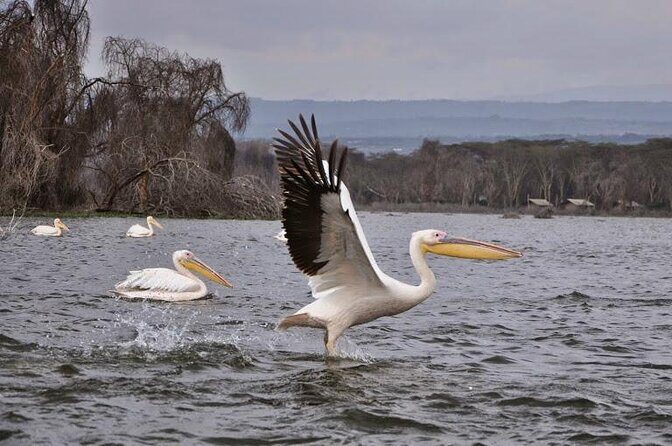
Then you move into Lake Nakuru National Park, arriving for lunch and check-in before heading out for an afternoon drive. Lake Nakuru is built around waterbird drama, and the itinerary calls out flamingos and pelicans as the star attractions. That means you don’t always have to wait for a cat on a kill to get a great moment.
The park is also described as rhino and large-mammal country. You’ll be looking for white/black rhinos, plus wildlife like Rothschild giraffe and waterbucks. The lake forest is noted for drawing in a wide variety of birds, which makes it a strong day if you like smaller wildlife, not just the big-ticket mammals.
Practical tip: bring binoculars if you have them. Flamingos and pelicans can be amazing even when animals aren’t close, and birds are where Lake Nakuru pays off.
Possible drawback: because Lake Nakuru is a birds-and-lake style park, your best action might feel less dramatic than the Mara if you’re chasing constant predator sightings. The trade is that you get beautiful variety and an iconic look at the park’s namesake ecosystem.

Masai Mara: the Big Five game-drive focus plus optional balloon sunrise
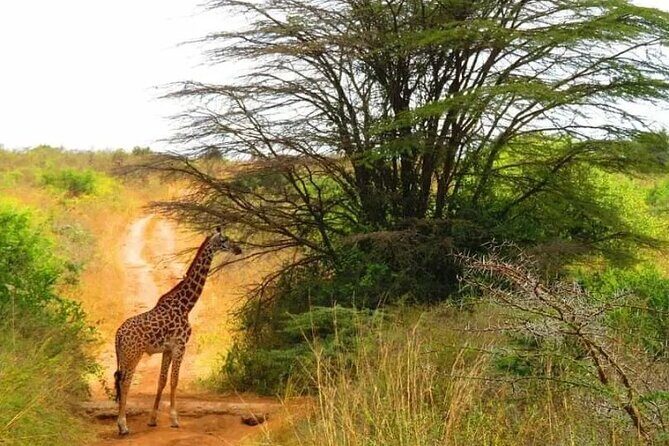
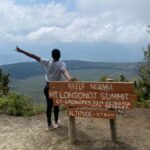
Masai Mara is the part of the trip that most people picture when they think of Kenya. You’ll drive there via the Great Rift Valley area, passing Mount Long’onot, then arrive for lunch and afternoon game viewing.
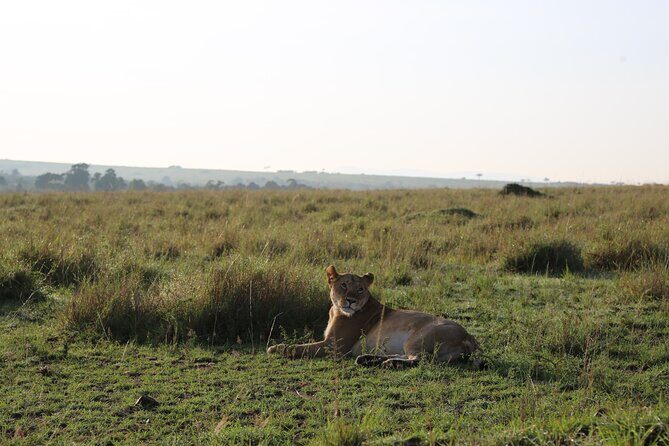
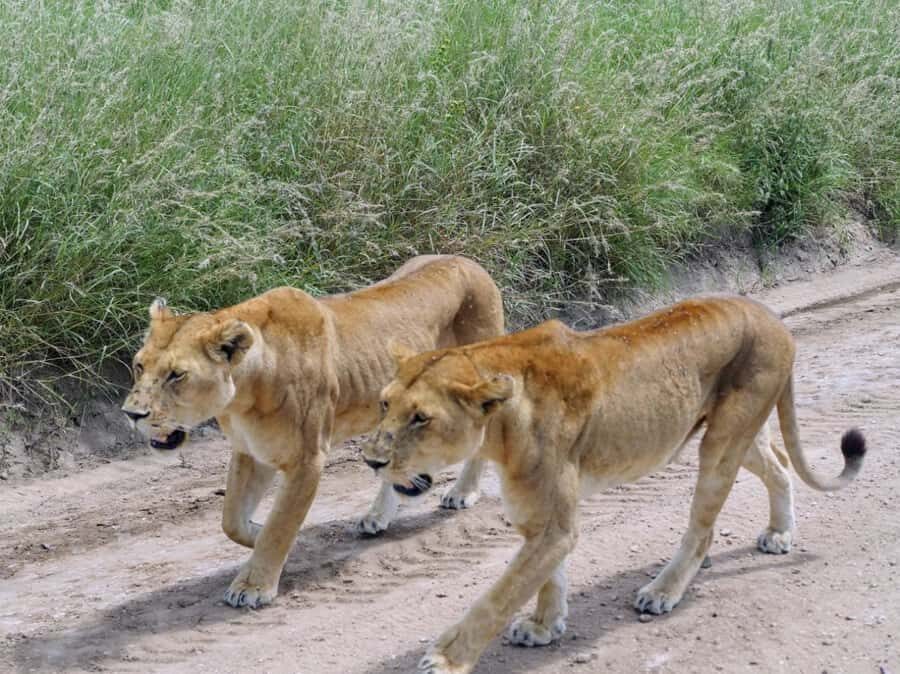
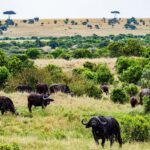
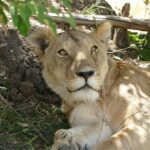
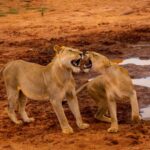
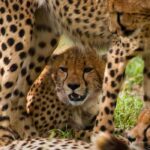
The itinerary gives you two full Mara days. Day one is afternoon driving, then day two is a whole day with morning and afternoon game drives—the best kind of schedule if you want both action and patience. You’re specifically in Big Five territory here: the itinerary lists Lion, Elephant, Rhino, Buffalo, and Leopard as possible sightings.
This is also where you’ll appreciate strong guiding. In the reviews connected to this safari, guides such as Davide, Paul, and Paul Ovolemi are singled out for spotting and getting people up close to big cats and even less common sightings like a caracal. I can’t promise the same exact moments will happen for you, but I can say that a guide who understands animal movement changes your odds in a real way.
And yes, there’s an optional headline add-on: a balloon safari in Masai Mara for USD 475 per person per ride, described as offering a breathtaking sunrise. Balloon rides are weather-dependent, so keep expectations flexible, but if sunrise is your thing, this is the one extra worth considering.
Possible drawback: Mara is popular, and wildlife viewing can become a bit of a crowd scene depending on where animals are that day. That’s not a reason to skip it—it’s just good to know what kind of park energy you’re stepping into.
Lake Naivasha, Green Crater Lake walking safari, and the value of slow time
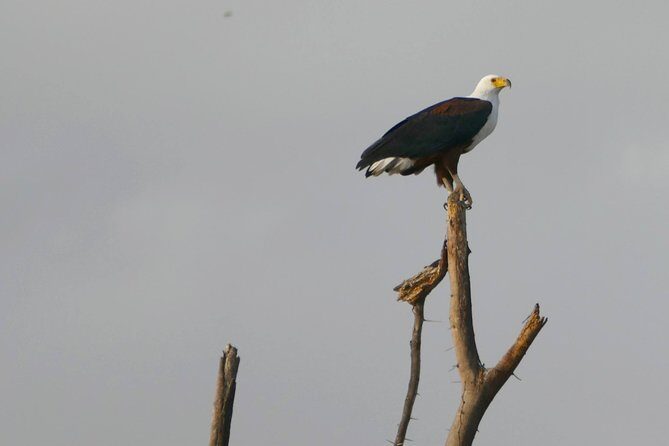
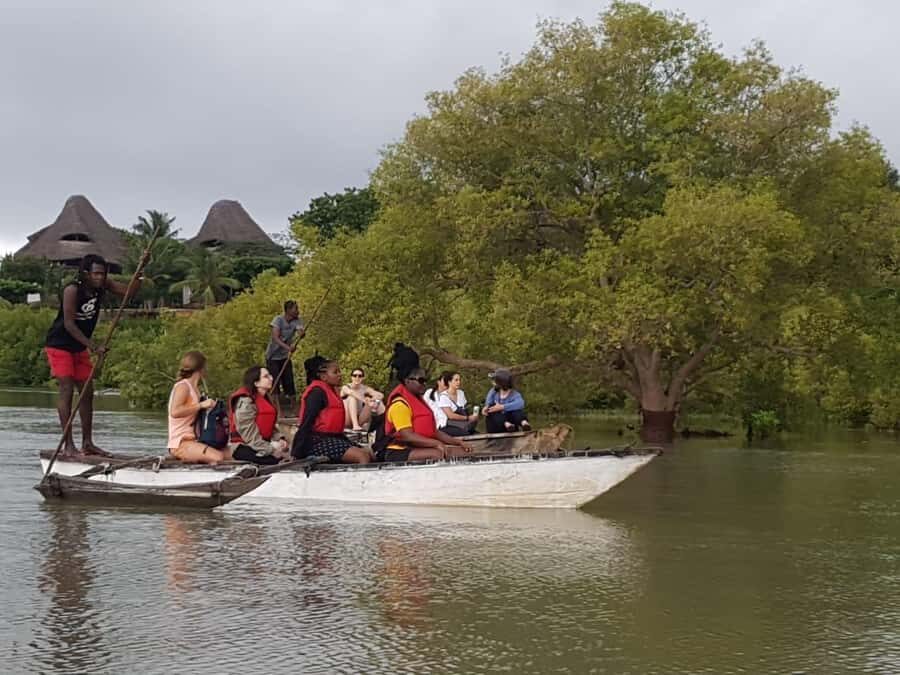
After Mara, you head to Lake Naivasha. The itinerary calls for an early breakfast and an early morning game drive before leaving the park, then you arrive in the afternoon and get time to relax. There’s an optional boat ride, but it’s not included, so you’ll decide based on your energy and comfort with water trips.
Naivasha is a welcome break because it shifts the experience from pure vehicle-based scanning to more “take your time” wildlife. If you like scenery and birds and you’re open to a calmer pace, this stop works well.
Then comes one of the more unique parts of the itinerary: Crater Lake Game Sanctuary at Green Crater Lake. After an early pick-up at 7:30 am, you take a rougher, bumpy drive along the edge of Lake Naivasha, with stops described for huge greenhouses where flowers (roses and other blooms) are grown for export. That detail is more than trivia—it’s a reminder Kenya isn’t just parks and wildlife; it’s also farming and industry in the same region.
At Green Crater Lake, the group begins a morning game walk. The itinerary notes the lake was formed by volcanic activity, and you’ll have a guide walking you through the area while you look for giraffe and many types of antelope. Since this is a walk, it can be more intimate for photos, and you get a different feel for animal behavior because you’re not separated by distance in the vehicle.
Possible drawback: walking safaris require you to be comfortable moving for several hours. If you prefer your wildlife sightings from a vehicle only, you might find this day more tiring than the others.
Amboseli: elephants, Kilimanjaro dome views, and optional Masai culture
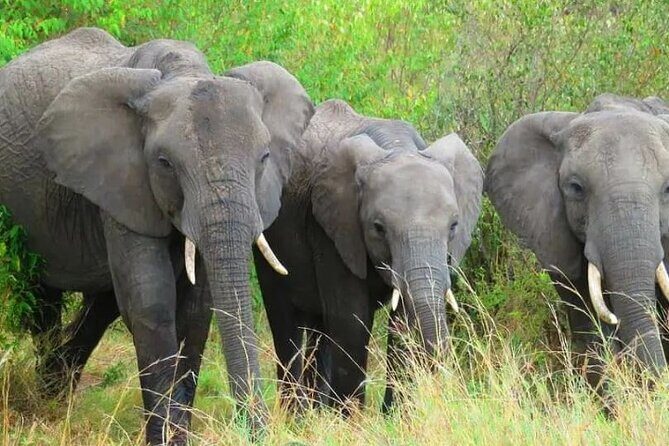
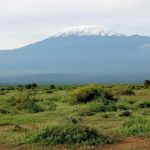
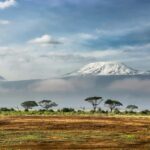
Amboseli is a finish that people love because it blends animals and scenery. You leave early and drive toward the park, passing through Masai land. You’ll do game drives en route and check in for lunch, then start afternoon viewing around 16:00. The itinerary emphasizes that as clouds clear later, you may see the snow-capped dome of Mount Kilimanjaro.
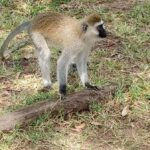
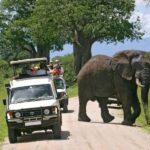
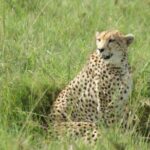
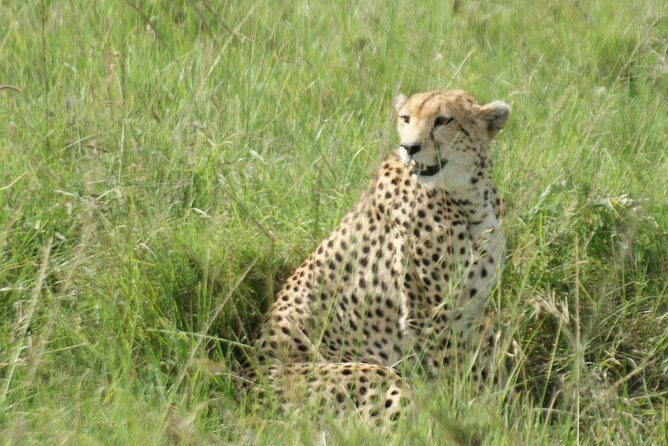
Amboseli is described as an animal paradise with elephants front and center, plus wildlife like wildebeest (gnu), buffalo, gazelles, lions, cheetahs, and monkey families. Birdlife is mentioned too, though the elephant focus is clearly the draw.
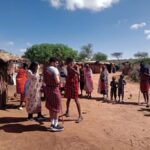
You’ll spend another full day in Amboseli with morning and afternoon game drives. There’s also an optional Masai village visit here at an extra cost.
I like ending with Amboseli because it often feels like a “big final act.” If your earlier parks give you the species variety, Amboseli is where the elephants and the mountain-view payoff can lock the whole trip into your memory.
Possible drawback: Kilimanjaro views depend on cloud cover, and the itinerary makes that clear. If the weather doesn’t cooperate, the elephants will still deliver, but you might miss the iconic skyline moment.
Price and value: what $3,590 covers for 12 days
At $3,590 per person for about 12 days, the big value question is what you get for that money beyond just vehicle transport and park names. Here’s what stands out as tangible:
- Park entrance fees and game drives as noted in the itinerary are included
- Pick-up and drop-off transfers are included
- Unlimited bottled mineral water during game drives
- You travel in a minivan with radio, plus a first-aid kit, ice chest, and fire extinguisher
- The tour notes each passenger is guaranteed a window seat, which matters on long drives
Meals are also handled. The included list says breakfast, lunch, and dinner are provided across the trip, and the day-by-day plan specifically includes breakfast/lunch on the final day. The itinerary also clarifies that drinks other than water aren’t included, so if you like soft drinks or alcoholic drinks, plan on paying for those separately.
What you should budget for on top:
- Balloon safari in Masai Mara: USD 475 per person per ride (optional)
- Masai village visit: USD 20 (optional, at least one place on the itinerary lists it)
- Tips for your driver/guide (not included)
- International flights and departure taxes (not included)
When this is worth it: if you want a guided circuit that hits Kenya’s top variety—northern specialties in Samburu, conservation work at Ol Pejeta, lakes and birds at Nakuru and Naivasha, big-cat time in Mara, and elephant-and-mountain flavor in Amboseli—this price starts to make sense. You’re buying convenience plus enough time in each region to actually enjoy what each park is best at.
When it’s not: if you only care about one park (say, only the Mara), you might prefer a shorter, cheaper trip focused on fewer days in fewer locations. This itinerary gives breadth over single-park depth.
Should you book this 12-day Kenya safari?
I’d book it if you want a well-paced route that covers multiple Kenya highlights without feeling like a constant rush. The combination of Samburu’s unique species, Ol Pejeta’s conservation setting, Lake Nakuru’s flamingos and rhinos, and Masai Mara’s full wildlife days is a strong mix, and the ending in Amboseli is a satisfying closer.
I’d think twice if walking isn’t your style or if you’re highly dependent on mountain views. Since the itinerary signals that sightings like Mt Kenya and Kilimanjaro are tied to clear conditions, treat those as bonuses, not guarantees.
If you’re the type of traveler who likes being out in the field with a good guide—someone who can spot the interesting stuff fast—this kind of safari route is exactly where you’ll get your money’s worth.
FAQ
FAQ
How long is the safari?
It’s listed as 12 days (approx.).
Do you get picked up from the airport?
Yes. On arrival, you’re picked up at the airport and taken for a tour briefing, then dropped at your hotel.
Where is the first overnight stop in Nairobi?
The itinerary specifies an overnight at 67 Airport Hotel in or near Nairobi.
Is this tour private?
Yes. It’s described as private, with only your group participating.
Are park entrance fees and game drives included?
Yes. Park entrance fees and game drives as noted in the itinerary are included.
Are meals included?
The included details say breakfast, lunch, and dinner are provided, and the itinerary also specifies breakfast and lunch on the final day. Drinks are not included except for bottled water during game drives.
Is bottled water included?
Yes. Unlimited bottled mineral water is included during game drives.
Is the Masai village visit included?
No. The cultural visit is optional and listed as USD 20 per person.
Is the Masai Mara balloon safari included?
No. The balloon safari is optional and listed as USD 475 per person per ride.
Are international flights included?
No. International airfares and departure taxes are not included.