REVIEW · NAIROBI
3 days Maasai Mara private Lodge safari at Keekorok from Nairobi
Book on Viator →Operated by Perfect Safaris · Bookable on Viator
Safari magic starts with a good plan. This 3-day private Maasai Mara lodge trip from Nairobi is built around multiple game drives and no crowded-bus chaos, with door-to-door transfers included. I also like that you’re not rushed: you get time to settle in at Keekorok Lodge, then ease into the reserve with an afternoon drive.
My other favorite part is the meal support. Breakfast, lunch, and dinner are included across the days, plus bottled water on the safari side—so you’re not constantly hunting for food after a long day. One thing to keep in mind: the return day is about 7 hours of driving back to Nairobi, and you’ll start early.
In This Review
- Key highlights worth paying attention to
- Nairobi to Keekorok: your Rift Valley start
- Day 1 in Maasai Mara: check in, then go light-hunting
- The full Big Five day: your best odds for a rare sighting
- Mara River stop: hippos and crocodiles on the migration route
- Day 3 morning: early start, then the return drive
- Lodge base at Keekorok: why it improves your safari pace
- Price and value: what you’re really paying for
- Guides that make or break your day: Sammy, George, and Nathan
- Optional extras: balloon safari and Masai Village
- Who this Maasai Mara private lodge safari suits best
- Should you book this safari?
- FAQ
- What is included in the safari price?
- Do you offer airport pickup from Nairobi?
- What time do you pick people up in Nairobi if they are not flying in?
- What game-drive timing is scheduled on the first day?
- Is the wildebeest migration part of the experience?
- How long is the Mara River segment?
- Are there optional add-ons and what do they cost?
- What is the cancellation policy?
Key highlights worth paying attention to
- Private door-to-door transfers from Nairobi, with complimentary airport pickup when you arrive on Day 1 by morning flight
- Sunset game drive on Day 1 (4:00 to 6:00 p.m.) for prime light and calmer wildlife movement
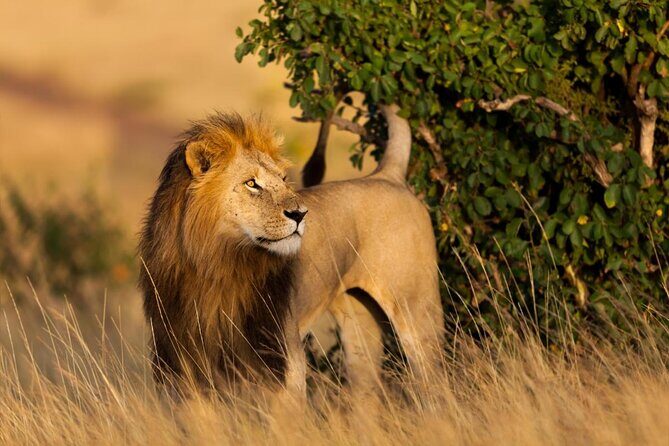
- Big Five focus plus wildebeest migration timing (best chance July to November, with migration of about 1.5 million animals mentioned)
- Mara River stop (about 2 hours) where hippos and crocodiles are commonly seen along the migration route
- Keekorok Lodge base with included meals (2 breakfasts, 2 lunches, 2 dinners) and bottled water
- Guide talent is a big deal, with past guides including Sammy, George, and Nathan credited for animal spotting and making the drives work for the group
Nairobi to Keekorok: your Rift Valley start
Getting out of Nairobi smoothly matters, and this trip handles it with set pickup options. If you’re arriving by flight in the morning of Day 1, there’s complimentary airport pickup at 6:00 a.m. to the departure point in Nairobi city. If you’re already in town, you’re picked up from your Nairobi accommodation at 8:00 a.m.
Before you reach Maasai Mara, there’s a quick stop at the great Rift Valley viewpoint. It’s short—about 10 to 15 minutes—but it’s a helpful reset: you’re moving from city pace into the scale of the Great Rift Valley long before your first game drive.
Then the day turns practical: lunch happens at the lodge area in Maasai Mara, and after that you check in and switch gears to wildlife time. That rhythm is important because it prevents the common safari problem of arriving exhausted and cranky when the best hours for animals are already ticking away.
You can also read our reviews of more private tours in Nairobi
Day 1 in Maasai Mara: check in, then go light-hunting
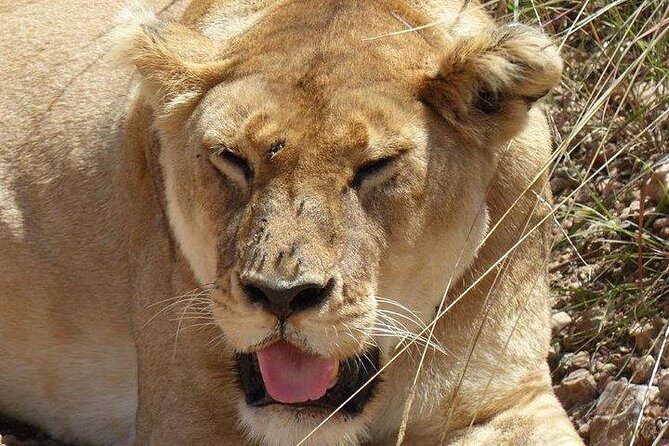
Your Day 1 afternoon is all about the reserve, with a sunset evening game viewing drive scheduled for 4:00 to 6:00 p.m. That timing is a smart use of daylight. Wildlife activity often picks up as temperatures cool, and the light tends to make spotting easier and photography less miserable.
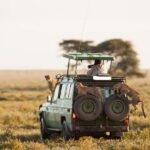
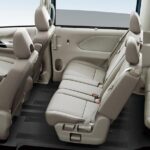
This is also when your private setup really shows. With a private safari vehicle and only your group, the guide can spend more time working a sighting instead of moving everyone along at the speed of the slowest person. The reserve itself is the big draw, and Maasai Mara is Kenya’s most popular tourism destination for a reason: the chance of seeing major animals is simply higher here than in many alternatives.
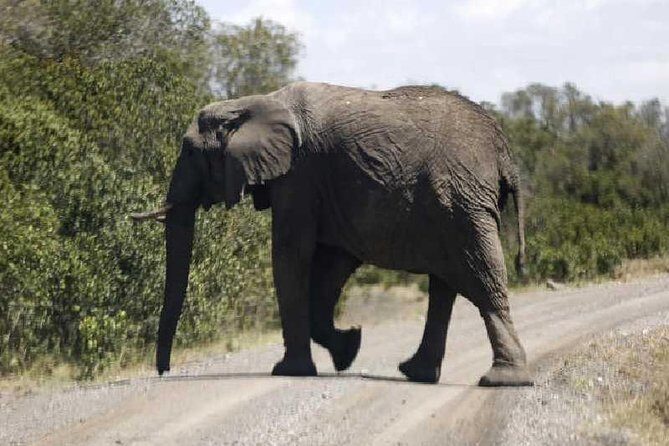
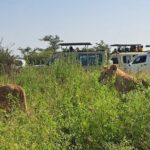
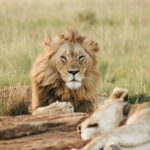
What you should expect on Day 1 is variety, not guarantees. The tour is set up to look for big cats and large mammals—lions, leopards, buffaloes, elephants, cheetahs, and rhinos are specifically mentioned—but the order of sightings depends on where animals are at that moment.
The full Big Five day: your best odds for a rare sighting
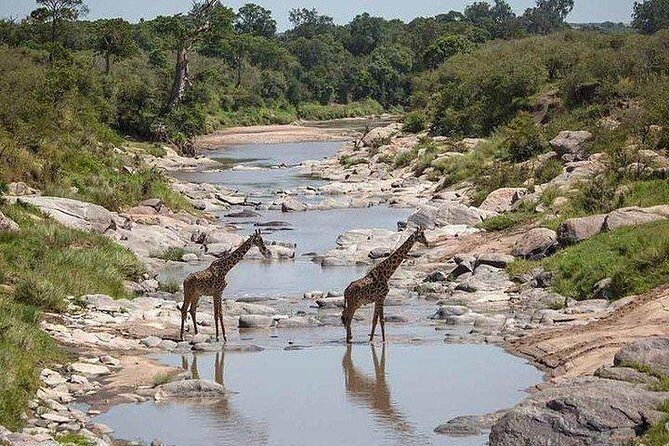
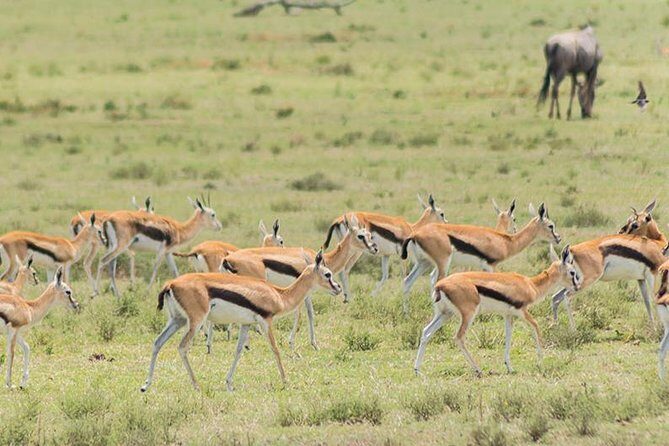
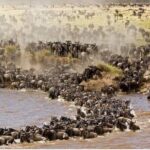
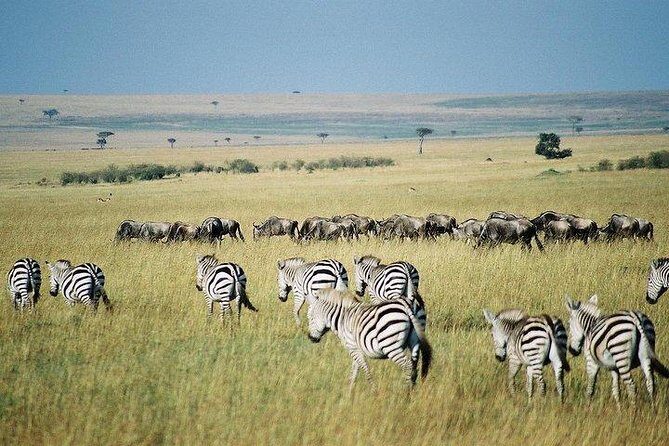
Day 2 is the long one. After breakfast, you head out for a full day exploring the Maasai Mara National Reserve in search of the Big Five. You’re also targeting one of the most famous natural events on Earth: the annual wildebeest migration. The trip highlights that migration season, with wildebeest arriving in July and departing in November, and it mentions the movement of over 1.5 million animals.
Here’s why that matters for how you experience the reserve. During migration months, the ecosystem changes day by day. Predators adjust their hunt patterns, river crossings concentrate activity, and you’ll often feel like the safari is following a living highway—not just wandering among grassland.
At midday, you stop for a picnic lunch in the park (provided by the tour). That’s a simple detail, but it’s genuinely useful. You avoid the scramble of searching for food in remote areas, and you stay in the game-viewing zone instead of losing hours to logistics.
After lunch, you visit the migration area and continue driving. The plan also includes time for the resident animals that hang around water, including crocodiles and hippos along the Mara River banks.
Mara River stop: hippos and crocodiles on the migration route
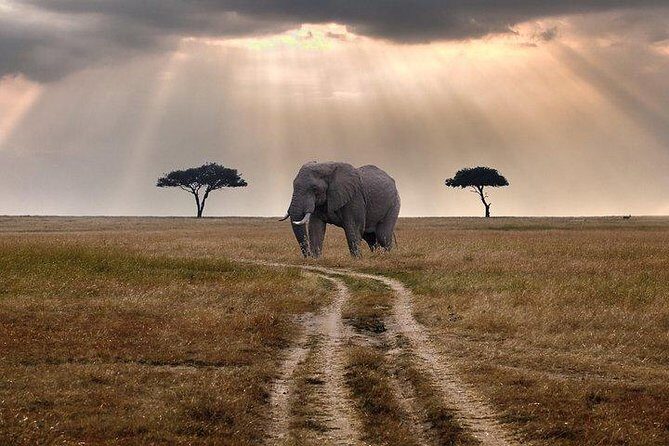
One of the most practical parts of this safari is the Mara River segment on Day 2. It’s scheduled for about 2 hours and is marked as included.
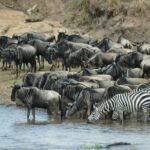
This stop isn’t random sightseeing. The Mara River is described as lying across the migration path of ungulates in the Maasai Mara/Serengeti game reserves. When wildebeest are moving, the river corridor becomes a focal point—often where you’ll find repeated action, especially around water.
And the tour also points out what you can look for here: resident hippos and crocodiles. Even if the migration is quieter than peak moments, water attracts animals, and these two are among the most obvious.
If you’re the kind of traveler who likes a safari that makes sense, this is that kind of stop. It connects the headline migration story to what you can actually spot with your own eyes.
Day 3 morning: early start, then the return drive
Day 3 is built to finish cleanly. You have early breakfast, check out, and then head back toward Nairobi. On the road, you get a simple complimentary snack lunch at Travellers motel, and then it’s straight back to Nairobi with drop-off at your hotel or the airport.
The timing is clearly set: Day 3 includes about 7 hours of driving. That makes packing smart worth it. You’ll likely want a warm layer even if Nairobi feels mild, plus something for long-road comfort (snacks from the included snack lunch are helpful, but your own small extras can be nice).
One more point: the tour’s last day is shorter on game time, so your best odds for the Big Five are really Day 1 and Day 2. If you’re serious about spotting something like a rare leopard, you’ll want to treat Day 2’s full-day drive as your main mission.
A few more Nairobi tours and experiences worth a look
Lodge base at Keekorok: why it improves your safari pace
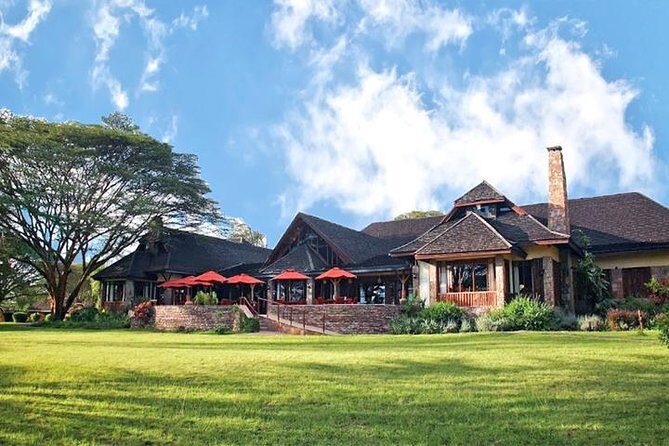
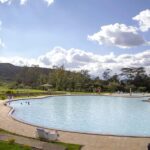
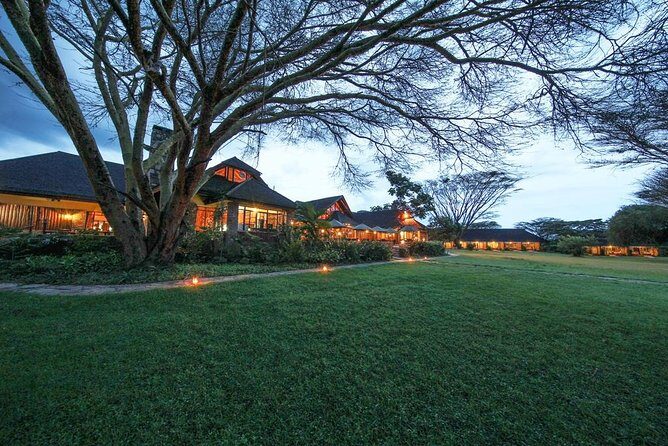
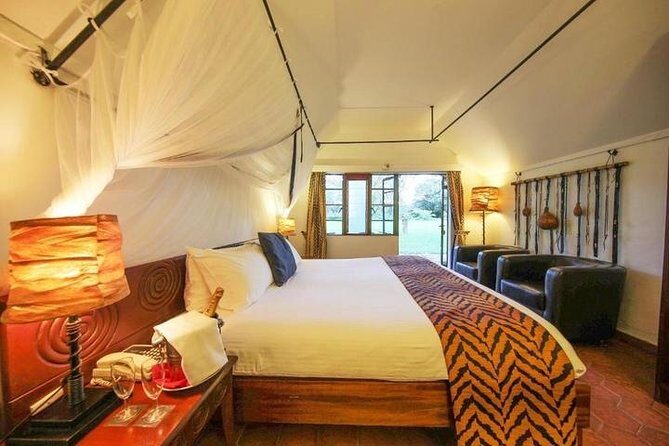
This trip is a private lodge safari at Keekorok, and that “lodge base” concept matters. You’re not constantly changing accommodation, and you can settle into a routine: game drives, meal breaks, then back out again.
The included meal plan is two of each category: 2 breakfasts, 2 lunches, and 2 dinners. Add bottled water to that and you’re set up for long days without constant stop-and-go.
I also like that the itinerary includes meals at sensible moments: lunch at the lodge on Day 1, picnic lunch in the park on Day 2, and then a snack lunch on the return day. It keeps the safari moving and reduces that awkward feeling of arriving somewhere hungry and late.
Also, you’ll be dealing with a private guide and private vehicle, which tends to make lodge time feel more relaxed. You’re not sharing attention with a whole crowd, so your schedule follows the day’s wildlife opportunities.
Price and value: what you’re really paying for
The price is $1,284.42 per person for the 3-day safari. You can also see that it’s often booked about 62 days in advance, which usually signals that people plan for migration-season timing and availability.
Here’s how I’d judge value with the info provided. This price includes:
- Park fees
- Professional guide
- Hotel pickup and drop-off
- Complementary airport pickup (for the specific Day 1 morning-arrival case)
- Breakfasts, lunches, dinners as mentioned above
- Bottled water
- A private setup (only your group participates)
What’s not included is also clearly stated:
- Tips
- Drinks like alcohol
- Balloon safari (listed at $420)
- Optional Masai Village visit (listed at $20)
So the value story is pretty straightforward: you’re paying for the big moving parts—getting you in and out of the reserve, covering park fees, and keeping you fed—while leaving add-ons optional. That’s often the best way to do a safari because you can decide how much extra adventure you want without turning the base trip into a complicated spreadsheet.
Guides that make or break your day: Sammy, George, and Nathan
On a safari, the vehicle is the vehicle, but the guide is the engine. In the experiences tied to this tour style, guides like Sammy, George, and Nathan come up for a reason: strong animal knowledge and the ability to keep the drive productive.
One common praise point is that guides don’t just point out animals—they connect sightings to behavior and location. Another is flexibility for groups, including larger groups traveling with multiple vehicles and adjusting plans when schedules change.
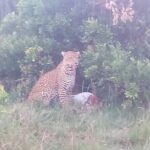
If you care about spotting the full range (including the rare stuff), the guide’s approach matters. A leopard is the classic example: it can be a quick glimpse or a longer wait, and the only way to improve odds is to spend time where the guide thinks it’s worth it.
Optional extras: balloon safari and Masai Village
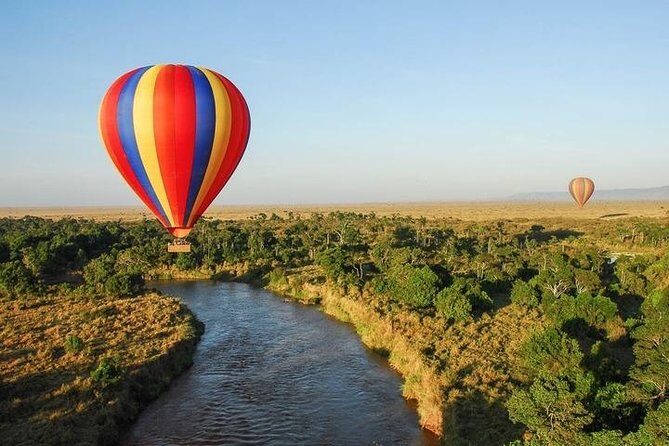
If you want one more wow-factor day, there’s an optional hot air balloon safari listed at $420. It’s not included in the base price, but it’s a common add-on people look at when they want sunrise views over the Mara.
There’s also an optional visit to a Masai Village listed at $20. That’s a cultural add-on, but you should treat it as exactly that: a structured stop separate from the wildlife focus. If your priority is staying in the reserve for game drives, you can also skip it and keep the schedule tightly safari-only.
Who this Maasai Mara private lodge safari suits best
This trip fits travelers who want:
- Private, door-to-door logistics from Nairobi without sharing game-drive time with strangers
- A three-day rhythm that includes both an early-arrival day and a full Big Five push
- Included meals so your schedule stays clean during long driving days
- A strong chance at major sightings in the Maasai Mara National Reserve
If you’re traveling as a couple, this is a great “set it and go” option. If you’re a small group of friends, the private format can also work well because the guide can adapt pacing to your group’s energy level.
If you’re a first-time safari person, the schedule is also sensible: you get a sunset drive early, then a full Big Five day, then you return without dragging the final day into extra complexity.
Should you book this safari?
Yes, I’d book it if you want a well-paced private Maasai Mara experience with included park fees and meals, and you’re okay with the fact that Day 3 includes a long return drive.
I’d think twice if you’re looking for a purely minimal, ultra-short safari. This is built for quality time, not for squeezing in the cheapest possible weekend. You’ll trade travel effort for more game-drive coverage, a lodge home base at Keekorok, and guides who focus on getting you good sightings.
If your dates align with the wildebeest migration months (July to November), you’re also aiming at the seasonal storyline that Maasai Mara is famous for—so you’re not just visiting, you’re timing the ecosystem.
FAQ
What is included in the safari price?
The tour includes park fees, a professional guide, bottled water, hotel pickup and drop-off, and complimentary airport pickup (for the Day 1 morning-arrival case). Meals are included too: 2 breakfasts, 2 lunches, and 2 dinners.
Do you offer airport pickup from Nairobi?
Yes. There is complimentary airport pickup for guests arriving by flight in the morning of Day 1, with pickup time at 6:00 a.m. from the airport to the departure point in Nairobi city.
What time do you pick people up in Nairobi if they are not flying in?
The stated pickup for Nairobi accommodation is 8:00 a.m. on Day 1.
What game-drive timing is scheduled on the first day?
On Day 1, the sunset evening game viewing drive is scheduled for 4:00 to 6:00 p.m.
Is the wildebeest migration part of the experience?
The tour specifically mentions the wildebeest migration, noting that wildebeest arrive in July and depart in November. The plan includes visiting the migration area during Day 2.
How long is the Mara River segment?
The Mara River stop is listed for about 2 hours on Day 2 and is marked as included.
Are there optional add-ons and what do they cost?
Yes. A hot air balloon safari is listed at $420, and an optional Masai Village visit is listed at $20.
What is the cancellation policy?
Free cancellation is offered up to 24 hours in advance for a full refund. Within 24 hours of the experience start time, the amount paid is not refunded.