REVIEW · NAIROBI
3 days Masai Mara on Private 4×4 Land Cruiser
Book on Viator →Operated by Flexivel Kenya Safaris · Bookable on Viator
Big cats in three days.
This private Maasai Mara safari is built around easy Nairobi pickup and nonstop time in the reserve, starting with a full day of game drives and ending with one last morning before heading back. It’s a tight schedule, yes, but it’s also the kind of plan that helps you focus on what matters: wildlife sightings, good guiding, and getting there without stress.
I love that you travel in your own private 4×4 Land Cruiser with an experienced driver/guide, so you’re not stuck reacting to other people’s timing. I also love the “all-in” approach: park entrance fees, accommodations, and meals are included, which makes the budget easier to manage when you’re in safari mode.
One possible drawback: sightings are never guaranteed in the real wild. If conditions are rough or you’re chasing specific animals like leopard, weather can reduce the odds—so go with flexible expectations, not a rigid checklist.
In This Review
- Key highlights you’ll care about
- Nairobi pickup to Masai Mara gates: how this trip actually feels
- The Day 1 drive: Great Rift Valley views without wasting time
- Day 2 early game drive: where the Mara does its best work
- Day 3: one last morning, then Nairobi reality
- Lodging and meals: what all-inclusive means on the ground
- Guides and game-drive know-how: why private matters
- Big Five odds, leopard dreams, and managing expectations
- Price and value: is $3,360 per person a fair deal?
- Who this safari fits best
- Should you book this 3-day private Masai Mara safari?
- FAQ
- Where does the safari pick me up?
- What vehicle will I use?
- Is the tour private or shared?
- Are park entrance fees included?
- Are meals included?
- What are the main wildlife themes for this safari?
- What is the duration?
- Is bottled water or soft drinks included?
- Can I cancel for a full refund?
Key highlights you’ll care about
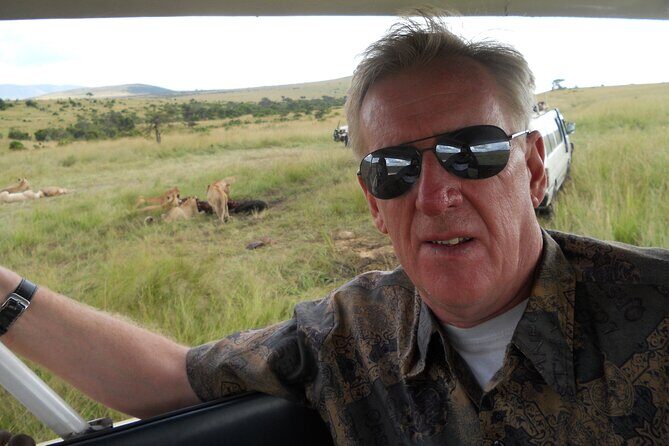
- Door-to-door pickup in Nairobi (airport, hotel, or residence) in a private Land Cruiser.
- All-inclusive safari basics: park entrance fees, game drives, accommodations, and breakfasts, lunches, and dinners.
- Early starts on Day 2 and Day 3 to maximize your best wildlife-viewing hours.
- Big Five focus plus migration timing knowledge for July to October.
- Guides with a strong track record, with names like George, John Njogu, and Peter showing up again and again in customer feedback.
- Flexible accommodation levels you can tailor by season and budget (economy to luxury, lodges or tented camps).
Nairobi pickup to Masai Mara gates: how this trip actually feels
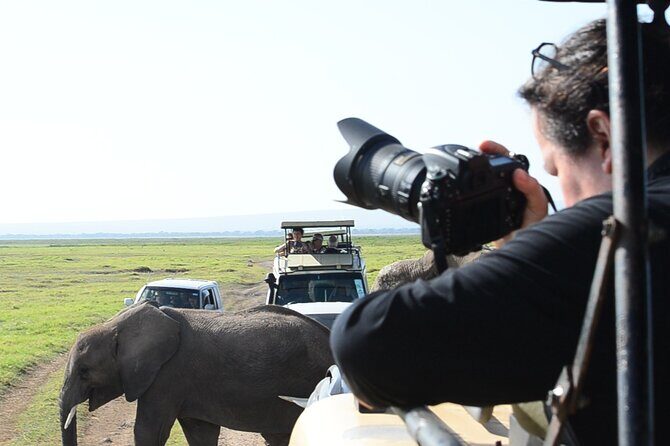
The biggest practical win here is how cleanly the safari begins. You get picked up in Nairobi—at Jomo Kenyatta International Airport, your hotel, or your residence—then you’re put straight into the reserve-ready routine. That matters more than most people think. Safari days start early, and the less time you spend coordinating buses, meeting points, or last-minute confusion, the more energy you have for game drives.
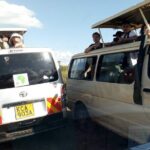
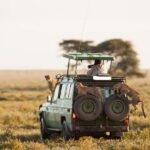
The vehicle is a private 4×4 Land Cruiser Jeep, which is exactly what you want for this type of terrain. Kenya’s safari roads can be bumpy and slow, and a proper safari vehicle gives your driver the comfort and control to move when the action calls. You also get your own driver/guide who can work in English (and another language if requested). That language detail is not just about comfort; it affects how much you understand what you’re seeing—tracks, behavior, and the “why” behind where the car is positioned.
Another detail that simplifies your day-to-day: the safari includes park entrance fees and the core safari elements (game drives, accommodations, and meals). That means you’re not constantly doing math in the middle of your trip. You’ll still want to budget for bottled drinks and tips, but the major costs are handled.
You can also read our reviews of more private tours in Nairobi
The Day 1 drive: Great Rift Valley views without wasting time
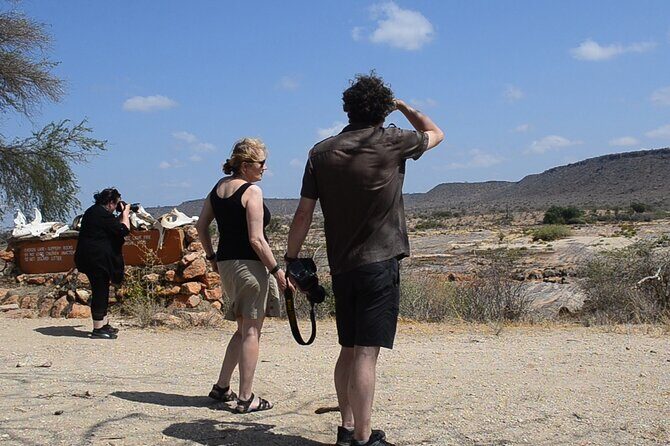
Day 1 is essentially your transfer + first reserve time, which is the right way to do a 3-day safari. You leave Nairobi around 07:30, then settle into the long but scenic route to the Masai Mara National Reserve.
Along the way, the plan includes passing local farming communities and pausing to enjoy dramatic Great Rift Valley views. Those breaks are useful because they reset your expectations. You’re not just staring out a window for hours; you’re getting the geography of where you are. It also helps you arrive mentally ready for the reserve instead of half-tired and checking your watch.
One thing to consider: because this is only 3 days, you should assume Day 1 is not about deep luxury downtime. It’s about getting you into position early enough to start seeing wildlife on your terms. That’s not a complaint. It’s the trade-off you’re making for a short, high-focus trip.
Day 2 early game drive: where the Mara does its best work
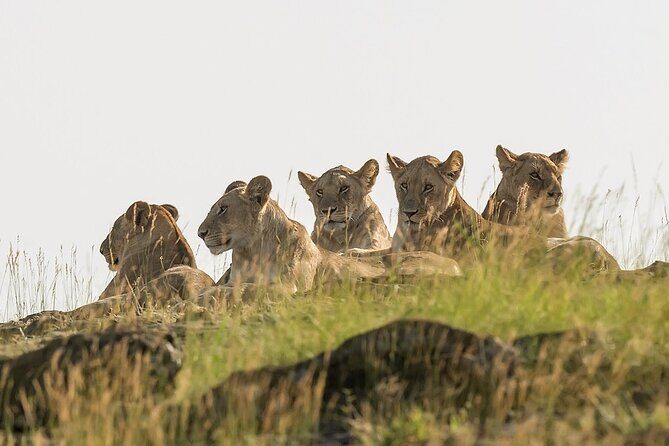
Day 2 is where the safari really flexes. You’ll rise early to get into the park when wildlife is most active and the light is better for spotting. The emphasis is on abundance and continuous driving—described as unlimited game drives during this day.
This matters because wildlife watching is rarely a straight line. Animals move, predators hunt, and prey reacts. A good driver doesn’t just “drive around,” they position the vehicle where sightings are likely. With a private setup, you can stay on a promising area longer, then reposition when the signal changes.
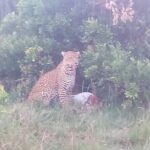
This day also puts the Big Five on your radar: lion, leopard, elephant, buffalo, and rhino. Even if you don’t see all five (and plenty of people don’t), the way the day is planned helps you maximize your odds across different habitats and behaviors.
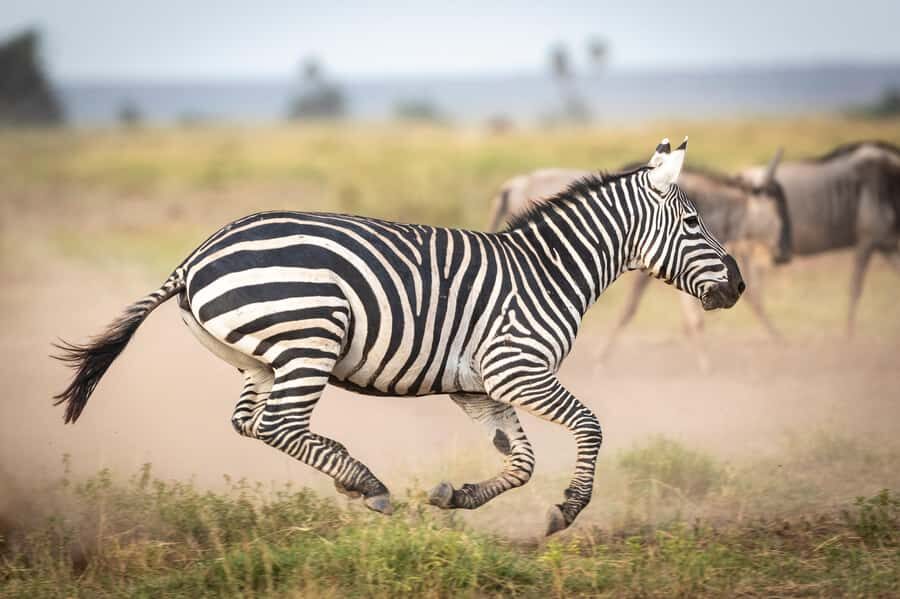
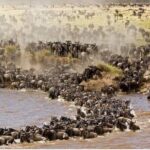
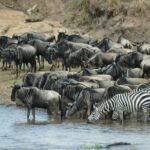
If you’re traveling between July and October, pay special attention to the Great Migration angle. The plan calls out the Mara River as a key crossing area where wildebeest and zebra enter the park in large numbers. That’s also where you can find hippos and crocodiles waiting nearby, which is the Mara’s way of saying: yes, nature can be dramatic.
Practical note: migration season can be amazing, but it also can mean heavier competition for prime viewing spots in general. A private driver helps, even if it can’t fully remove crowds or positioning challenges in peak areas.
Day 3: one last morning, then Nairobi reality
On Day 3, you’ll have one more early game drive inside the reserve. By this point, you’re usually less worried about whether you’ll see something and more focused on checking off that one last animal you haven’t had yet—cheetah, for example, plus jackal or hyena.
The plan includes one last drive after which you exit the park back toward Nairobi. Lunch breaks up the road back to town, which is smart for the energy level that comes with back-to-back safari mornings. By the time you’re headed out, you’ll also understand the Mara rhythm: early sightings are often different from midday sightings, and the best moments tend to happen when you’re not rushed.
A mild drawback of a short safari like this is that you don’t get a “recovery day.” If you’re prone to motion sickness or sleep-light travel, it’s worth planning your comfort items carefully. But if you’re the type who loves starting early and squeezing in as much as possible, this pacing is a good match.
Lodging and meals: what all-inclusive means on the ground
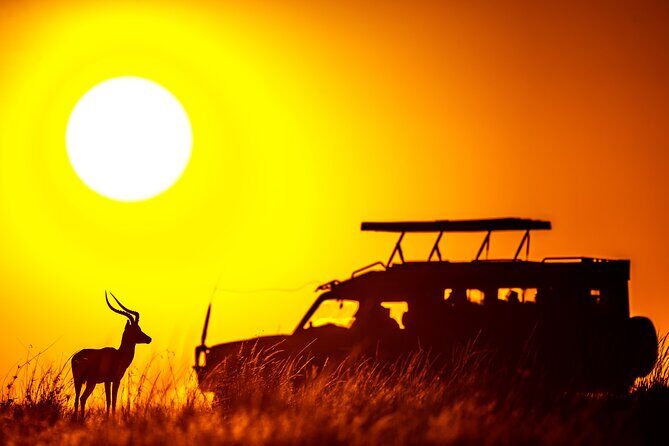
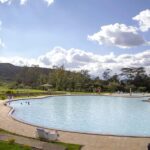
Accommodation is included, and you can tailor it by season and budget into economy, comfort, or luxury levels. You can also choose between lodges and tented camps depending on your style. That’s important because in Maasai Mara, lodging quality and location can shape your overall vibe. Some people want the tented-camp feeling; others want a solid lodge base with more predictable comforts.
The accommodation choices mentioned in past customer experiences include places like Mara Simba Lodge and Keekorok Lodge. You shouldn’t treat those as guarantees for your booking, but they do show the range of property styles that can appear on this route.
Meals are also included: breakfasts, lunches (listed as two), and dinner. This is a big deal for value. On safari, food logistics can become annoying fast—finding meals, paying for extras, and trying to keep snacks handy. With meals built in, you can focus on game drives rather than restaurant math.
What’s not included: bottled and soft drinks, plus tips and personal items. That’s standard, but it’s worth planning for. Safari vehicles and lodges aren’t built around giving you free unlimited drinks, so if you’re a water-sipper, pack a plan.
A few more Nairobi tours and experiences worth a look
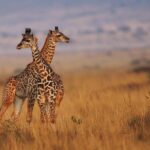
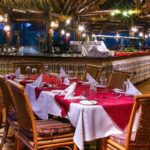
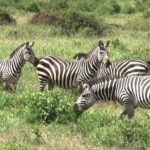
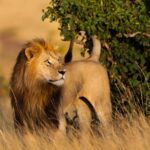
Guides and game-drive know-how: why private matters
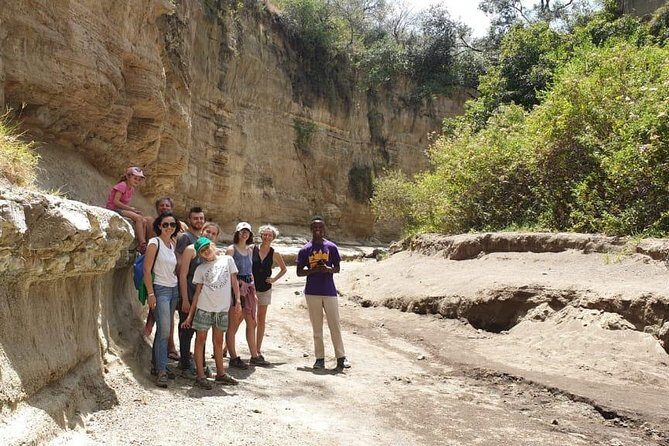
The driver/guide is your main ingredient here. The trip is set up so you’re guided, hosted, and looked after by your own experienced driver/guide. In customer feedback, guides like George, John Njogu, and Peter come up repeatedly for strong spotting and smart positioning.
Here’s what that means in real terms. In a reserve as big as the Mara, “just driving” isn’t enough. You need someone who can read movement—fresh tracks, bird calls, predator behavior, and where animals are likely to be at different times of day. Even if you can’t name every animal in the moment, good guiding helps you understand what you’re seeing, and that makes the sightings more satisfying.
Private also affects patience. If something interesting happens, you don’t have to wait for a group to catch up or negotiate the timing. That flexibility can be the difference between watching 30 seconds and staying for the sequence.
Big Five odds, leopard dreams, and managing expectations
Let’s talk reality. The plan clearly frames the hunt for the Big Five, but no safari can guarantee every animal in every season. That’s not a sales trick. It’s how wildlife works.
One practical consideration that shows up in real experiences: weather can affect sightings. Rain can make visibility harder, roads slower, and animal behavior shift. In one account, a leopard sighting didn’t happen because of weather. That’s a reminder to plan for the Mara as a living system, not a theme park.
So how should you think about it?
- Go in expecting lots of animal sightings, because the Mara is known for that.
- Treat the “missing animal” as part of the story, not a failure.
- If leopard is the top target on your list, consider extending your safari time or traveling at a time when conditions typically support better visibility.
Price and value: is $3,360 per person a fair deal?
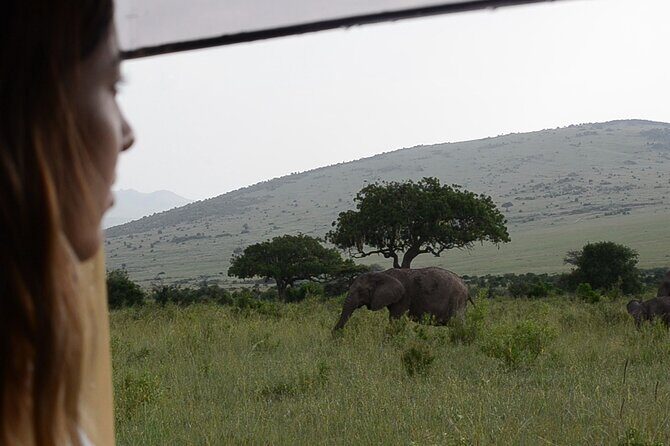
At $3,360 per person, this is not a budget safari. But it is also not just a ticket to ride a vehicle. Your price includes the big heavy hitters: park entrance fees, game drives, accommodations, and meals. You also get private transport in a Land Cruiser with a guide.
Value depends on what you’d otherwise pay if you booked each piece separately:
- If you were to arrange private transport, park fees, lodging, and meals separately, costs can add up quickly.
- Here, the “bundle” reduces surprise expenses and makes it easier to compare apples to apples.
The tour also mentions that the cost can be customized based on season, number of travelers, and accommodation choice (economy to luxury; lodge vs tented camp). That flexibility is a big plus. The same safari can feel very different depending on where you sleep and how often you get breaks.
If you’re a solo traveler or a small group, private safari value often rises because you’re not splitting a lot of fixed costs among many people. If you’re traveling as a larger group, you may find better price efficiency—but you’d need to confirm what your final itinerary looks like.
Who this safari fits best
This 3-day private Maasai Mara experience is a great fit if you want:
- A focused wildlife schedule without logistics stress.
- Private time with a driver/guide who can reposition and explain what you’re seeing.
- All-inclusive meals and park fees so you’re not tracking every expense while on safari.
It’s also a good choice for families and couples who want a “big safari experience” in a short timeframe—especially if you’re excited by early mornings and lots of time outdoors.
If you prefer slow travel, long afternoons at camp, or you get overwhelmed by early starts, you might feel compressed by the 3-day structure. In that case, a longer itinerary usually makes the experience calmer.
Should you book this 3-day private Masai Mara safari?
Yes, if you want a high-output safari with less friction. The strongest reasons to book are the private Land Cruiser, the fact that park fees and meals are included, and the early-morning structure that gives you real chances at wildlife.
I’d think twice only if leopard or specific animals are your non-negotiable targets, or if you’re traveling during a period where rain would likely ruin your tolerance for rougher viewing conditions. For most people, the Mara is worth it anyway—because even when one animal doesn’t show up, you still get the Mara’s core magic: predators and prey, river drama, and that steady sense that the reserve is always doing something.
If you’re ready to trade a bit of downtime for more game-drive time, this is a solid way to do it.
FAQ
Where does the safari pick me up?
Pickup is offered from Nairobi airport, your hotel, or your residence in Nairobi.
What vehicle will I use?
You’ll travel in a private 4×4 Land Cruiser Jeep.
Is the tour private or shared?
It’s private. Only your group participates.
Are park entrance fees included?
Yes, admission ticket/park entrance fees are included.
Are meals included?
Yes. Breakfast, lunch, and dinner are included.
What are the main wildlife themes for this safari?
The itinerary focuses on Big Five sightings (lion, leopard, elephant, buffalo, rhino) and also the Great Migration timing from July to October.
What is the duration?
The safari is about 3 days.
Is bottled water or soft drinks included?
No. Bottled and soft drinks are not included.
Can I cancel for a full refund?
Yes, you can cancel up to 24 hours in advance for a full refund.