REVIEW · MOMBASA
7 Days Tsavo East, Taita, Amboseli & SanctuarySafari from Mombasa
Book on Viator →Operated by FRENZY ADVENTURES LIMITED · Bookable on Viator
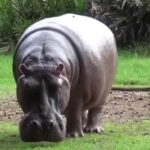
Rhino and leopard sightings are never guaranteed, but this safari is built to maximize your chances with a smart mix of national parks and private sanctuaries. You get seven days of game drives and scenic stops, plus time at places like Mzima Springs for hippos and crocodiles, and Amboseli’s famous Kilimanjaro views.
Two things I really like: first, the trip keeps you in small company (capped at just six travelers), so your guide can actually interact with you and adjust the pace. Second, the itinerary is designed around variety: private sanctuaries like Ngutuni and Taita Hills for close-up wildlife viewing, then the bigger ecosystems of Tsavo and Amboseli where the animal density can be eye-opening.
One consideration: it’s an early-start, go-go-go style of safari. With frequent morning game drives and long transfer days, you’ll want to be okay with a packed schedule—and remember that leopards and rhinos are still wild-card sightings.
In This Review
- Key points worth knowing before you go
- Kicking off at 6:00 am: the safari pace from Mombasa
- Ngutuni Wildlife Conservancy: big-cat hunting in a smaller setting
- Taita Hills Wildlife Sanctuary: mammals at the water ponds
- Ziwani Sanctuary and the nature walk: hippos and crocodiles without the big-park rush
- Amboseli National Park: Kilimanjaro views you plan around
- Tsavo West: Shetani lava flow and Mzima Springs hippos
- Tsavo East and Voi: Big Five focused driving to the lodge
- Day 7: your last early drive out toward Mombasa
- Price and what you actually get for $3,061 per person
- Guides and lodge days: the difference between seeing and learning
- Is this the right safari for you?
- Should you book this 7-day Tsavo and Amboseli combo?
- FAQ
- FAQ
- What time is the pickup in Mombasa?
- Is this safari a private tour?
- How many travelers are in the group?
- Which places will I visit during the week?
- Does the price include meals and accommodation?
- Are park entry tickets and transfers included?
- Do I need to pay extra for a guide?
- What can I expect at Mzima Springs and Ziwani?
- Can I cancel for a full refund?
- Is this tour suitable for most travelers?
Key points worth knowing before you go
- Small group cap (six travelers): more personal guiding and less waiting around during game drives.
- Two Tsavo experiences: Tsavo West for Shetani lava flow and Mzima Springs, Tsavo East for more Big Five focused driving.
- Private sanctuary rhythm: Ngutuni and Taita Hills often feel calmer than the big parks, with chances for mammals coming to water ponds.
- Kilimanjaro from Amboseli: snow-capped views are part of the daytime plan, not an afterthought.
- Hippos and crocodiles built into the itinerary: Mzima Springs and Ziwani are specifically time-well-spent stops.
- Experienced guides you can learn from: names like Agrey, John, and Frank show up in real guest experiences for good reason.
Kicking off at 6:00 am: the safari pace from Mombasa
This is the kind of safari where the day starts early because wildlife is usually most active in the cooler morning hours. You’ll have a pickup around 06:00 from the Mombasa location you choose, then head out to your first wildlife stop. The rhythm continues for the week: breakfast, then game drives, then lodge downtime and another round of driving later in the day.
That schedule matters more than people think. If you’re hoping for clear sightings of cats, herds moving through open ground, or birds using predictable routes, morning drives are when your odds climb. If you hate mornings, plan on building in a little flexibility once you’re on safari. Lodges are where you reset: you’ll have time for meals and evening wind-down before the next drive.
Also, this is a private setup in the sense that only your group participates. And since the group is capped, you won’t feel like you’re sharing a cramped spotlight with a bus tour.
You can also read our reviews of more tours and experiences in Mombasa.
Ngutuni Wildlife Conservancy: big-cat hunting in a smaller setting
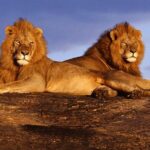
Day 1 starts with a drive into Ngutuni Wildlife Conservancy, check-in, and then game driving on the way to lunch at Ngutuni Safari Lodge. In the afternoon, you’ll do more game driving searching for predators and classic savanna animals—lions are specifically part of the plan, along with leopards, buffalos, giraffes, zebras, and a mix of antelopes.
Ngutuni is one of those places where “small” can be a big advantage. You’re not only in a different area—you’re also moving through a conservation space where you might get quicker access to sightings compared with larger, busier areas. Your guide’s job is to put you where animals are likely to be, not just where vehicles can drive.
Practical tip: keep your camera ready, but also take moments to just watch. In conservancies, motion can be subtle—small movements in brush or a distant silhouette can turn into a great sighting if you’re paying attention.
Taita Hills Wildlife Sanctuary: mammals at the water ponds
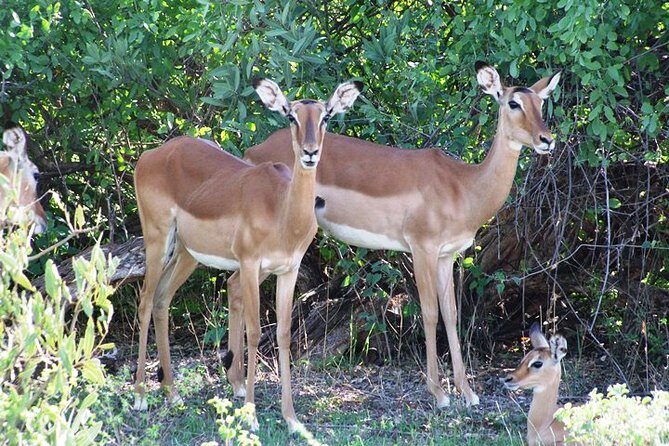
Day 2 is a shift in feel, and I like that. You drive into Taita Hills Wildlife Sanctuary and spend part of the day settling in, then go for an afternoon game drive. The standout detail here is the sanctuary’s water ponds—many animals come in to drink, which makes for more predictable viewing than you might get in random wide open grassland.
This sanctuary is described as home to 50+ species of large mammals and about 300 bird species. That birdlife matters because it changes what the drive feels like. Instead of only scanning for large mammals, you can also focus on smaller moments: calls, movement in trees, and those birds that show up when the light is right.
You’ll have a mix of species in the plan: Cape buffalo, elephant, Masai lion, leopard, hartebeest, impala, waterbuck, Thomson’s gazelle, dik-dik, lesser kudu, and more. In plain terms: you get both the big names and the smaller, more interesting discoveries that keep a safari from feeling repetitive.
Potential drawback: because the day centers on game drives with a lot of observation, you’ll want comfortable clothes and a willingness to sit quietly for stretches. That’s not a flaw—just the reality of wildlife viewing.
Ziwani Sanctuary and the nature walk: hippos and crocodiles without the big-park rush
Day 3 focuses on Ziwani. After breakfast you drive to the sanctuary area, then check in and head toward lunch at Voyager Ziwani Tented Camp. The best part is the afternoon nature walk, where you’re looking for hippos, crocodiles, monkeys, antelopes, and birdlife.
A nature walk adds a different layer to the trip. Game drives give you speed and distance; a walk gives you a chance to notice tracks, small activity, and how animals behave when they’re not just at the end of a spotting scope. Even when you’re not seeing “the big thing” immediately, you’re often learning how the habitat works.
The tradeoff is that a walk means you’re out of the vehicle for a while. If you’re not comfortable walking in warm conditions or on uneven ground, plan for that. On the plus side, this is one of the rare parts of a safari week that feels less like “driving and watching” and more like “experiencing the area.”
Amboseli National Park: Kilimanjaro views you plan around
Day 4 takes you to Amboseli National Park, riding on the slopes of Kilimanjaro as you head in for game drives. The timing is set up so you can enjoy Kilimanjaro views during the day—especially in the afternoon drive when the snow-capped peaks can be stunning with the right light.
Amboseli is also one of the best places to mix big animals with big photography. The plan specifically calls out elephants, lions, buffalo, leopards, spotted hyena, and cheetah, plus about 300 bird species. You’ll see birds like crowned cranes and kingfishers mentioned in the route.
Here’s why I think Amboseli is a strong “value” day: you’re not only chasing animals—you’re also getting one of Kenya’s most iconic backdrops. If you’re the type who wants your safari memories to include at least a few images where the mountains are part of the story, this is the day that delivers.
Practical note: mountain weather can change fast. You’ll want layers—even if it’s warm in the lodge area—so you can stay comfortable during morning and evening driving.
Tsavo West: Shetani lava flow and Mzima Springs hippos
Day 5 is Tsavo West, and it’s packed in a good way. You start with an early drive for a view tied to Kilimanjaro’s snow caps, then return for breakfast and head into Tsavo West.
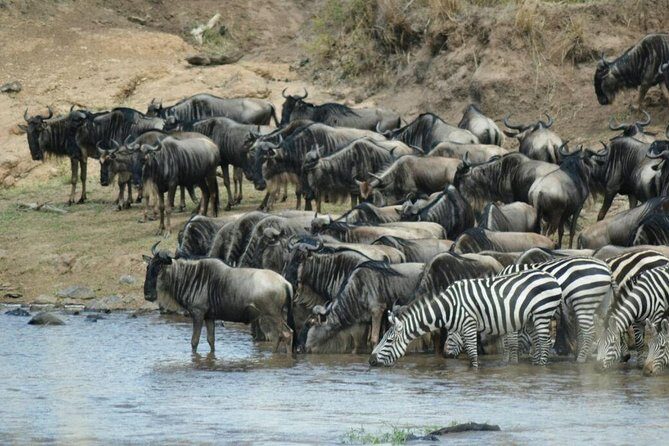
This day includes two big names in the sightseeing plan: Shetani lava flow and Mzima Springs. Mzima Springs is mainly known in this itinerary for hippos and crocodiles, and it’s a smart inclusion because it gives you a reliable “waterhole drama” moment. When you combine that with driving through areas known for big herds, you get both the spectacle and the variety.
The wildlife list for Tsavo West includes elephants, Cape buffalo, black rhino, giraffe, Masai lion, zebra, leopard, and cheetah, plus smaller animals like lesser kudu, hartebeest, and bush-baby. Birds are also part of the mix.
The realistic expectation: you’re being “shown” Tsavo West in multiple modes—lava scenery stops, springs viewing, and broad game driving. That’s why this day feels longer than the raw hours suggest. You’re stacking different types of wildlife encounters.
Tsavo East and Voi: Big Five focused driving to the lodge
Day 6 is your second Tsavo game-drive day, now in Tsavo East, with Voi Safari Lodge as your base. You’ll do an early morning game drive, return for breakfast, then check out and keep driving into Tsavo East for more big predator searching.
This is where the Big Five focus really tightens: lions, elephants, leopards, rhinos, buffaloes, along with zebras, giraffes, and antelopes. After lunch, you’ll have an afternoon game drive again, giving you two chances to spot animals rather than banking everything on one long morning.
I like this structure because it protects you from the randomness of the wild. If the first drive is slower, the second one can still deliver. It also gives you more time to adjust your expectations with your guide—where you should scan, when to stop, and how the animals are moving.
Evening at the lodge matters too. You’ll have dinner and overnight at the same lodge on this day, which means less moving and less “logistics stress” before your final day.
Day 7: your last early drive out toward Mombasa
On the final day, you do an early morning game drive, then return for breakfast. After that, you check out and drive out of the park toward Mombasa, with drop-off at your respective hotel or the airport.
This last-drive setup is important. It’s not just a goodbye—it’s often when animals are still active after a cool night, and it’s one more chance to catch something you missed earlier in the week.
Then, you’re back to the real world: hot showers, a bed that isn’t a lodge, and time to look through photos with a fresh brain instead of a rush.
Price and what you actually get for $3,061 per person
At $3,061 per person for an about 7-day safari, you’re paying for a package that includes a certified guide, accommodation, and meals (breakfast, lunch, dinner across the week). Park entry and tickets are also listed as included, with admissions specifically noted for some days.
So the value isn’t just “you’re in a van.” It’s that you’re handling the parts that usually take time and decisions: multiple transfers between regions, guide planning, and the basic safari engine (lodges, meals, and park access). If you tried to DIY this route, you’d be stitching together bookings across different parks and sanctuaries with a lot of moving parts.
Also, the small group cap helps protect the value. A larger group can mean more waiting and fewer opportunities to stop and scan. Here, the plan keeps things tight enough that your guide can focus on your sightings rather than managing everyone.
Guides and lodge days: the difference between seeing and learning
One of the strongest signals from real experiences is the quality of the guidance. Names like Agrey, John, and later Frank come up as people who were informative and experienced—basically, the kind of guide who helps you understand what you’re looking at, not just where to point.
That matters for leopards and rhinos. Since both are notoriously hard to predict, a good guide is often the difference between “we saw nothing” and “we understood why, and where we should look next.” You’re more likely to spot signs—tracks, movement patterns, animal behavior—that turn chance into strategy.
Lodges and camps also get positive attention as being very good, and Ngutuni Safari Lodge and Voyager Ziwani Tented Camp are named along the route. The overall feel is that you’re not just sleeping somewhere—you’re returning to comfortable places after long drives, with dinner and downtime structured into the day.
Is this the right safari for you?
This safari fits best if you want:
- Big Five searching but with a sensible approach across multiple areas
- A route that mixes national parks (Tsavo, Amboseli) with private sanctuaries (Ngutuni, Taita Hills, Ziwani)
- More personal guiding thanks to the small group cap
- A balance of mammals and birds, especially with the sanctuary emphasis on birdlife and water-based animal visits
It’s less ideal if:
- You hate early starts (pickup is around 06:00 on the first day)
- You expect a “guaranteed leopard and rhino” promise (wildlife still runs wild)
- You don’t like lots of time in a safari vehicle
Should you book this 7-day Tsavo and Amboseli combo?
If your main goal is to cover more ground in one trip while still keeping the experience personal, I’d say this is a strong choice. The itinerary intelligently combines places where you can get reliable water-related viewing (Mzima Springs and Ziwani) with places where you’ll chase the Big Five across different ecosystems (Tsavo East/West and Amboseli).
Book it if you’re excited by the idea of a week-long “wildlife loop” that’s focused, not random. You’ll spend your time where animals are most likely to show up—and when you’re not seeing them, you’ll at least be learning what the landscape and behavior are telling you.
FAQ
FAQ
What time is the pickup in Mombasa?
The start time listed is 6:00 am.
Is this safari a private tour?
Yes. It’s described as private, meaning only your group will participate.
How many travelers are in the group?
The tour highlights that the group is capped at six travelers.
Which places will I visit during the week?
You’ll visit Ngutuni Wildlife Conservancy, Taita Hills Wildlife Sanctuary, Ziwani (Ziwani animal Sanctuary), Amboseli National Park, Tsavo National Park West, and Tsavo National Park East.
Does the price include meals and accommodation?
Yes. The included items list 6 days of accommodation and breakfast (6), lunch (6), and dinner (6).
Are park entry tickets and transfers included?
Park admissions/tickets are listed as included for the days they apply, and the tour includes transfers to and from the Mombasa location you choose.
Do I need to pay extra for a guide?
No. A certified guide is included.
What can I expect at Mzima Springs and Ziwani?
At Mzima Springs the focus in the plan is hippos and crocodiles. At Ziwani, you’ll have an afternoon nature walk looking for hippos, crocodiles, monkeys, antelopes, and birdlife.
Can I cancel for a full refund?
Yes. Free cancellation is offered if you cancel at least 24 hours in advance of the experience’s start time for a full refund.
Is this tour suitable for most travelers?
The additional info says most travelers can participate.