REVIEW · NAIROBI
Masai village Cultural afternoon Experience
Book on Viator →Operated by Safari Port · Bookable on Viator
A Maasai afternoon feels close-up fast. You’ll get a real slice of daily life in mud-thatched villages—especially women-led food and craft lessons—plus a warm welcome with live entertainment. One thing to weigh: it’s a mid-day trip with a good chunk of time on the road (about two hours to get to the village), so it’s not a quick “just a stop” kind of outing.
I like that this experience combines culture and context: you won’t only watch from a distance. You’ll also visit cattle market and a shopping area, and part of the money goes back to the community you visit. If you’re sensitive to crowds, note it’s a private tour for your group, but it still depends on what’s happening on market day.
In This Review
- Key highlights worth planning for
- Timing Your 12:00 Start: how the drive shapes the day
- Kajiado County village visit: food prep, weaving, and goat-milk care
- What to expect in the village space
- Live entertainment and warrior welcome: how to enjoy it respectfully
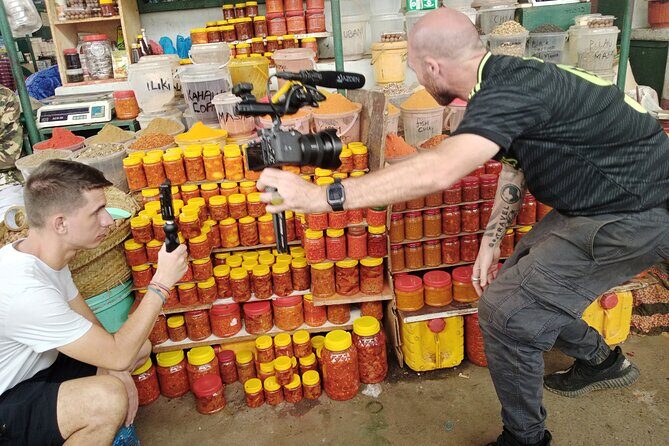
- Cattle market and shopping town: seeing work and trade up close
- Bisil cattle market stop: a short, Friday-friendly add-on
- Price and value: what you get for $120 and where you’ll spend extra
- Private tour feel with group discounts: what that changes for you
- Who this Maasai village cultural afternoon fits best
- Practical tips I’d use before you go
- Should you book this Maasai village afternoon?
- FAQ
- What time does the Maasai village cultural afternoon start?
- How long is the experience?
- Is hotel pickup and drop-off included?
- Is lunch included in the price?
- Are admission tickets included?
- Is it a private tour?
Key highlights worth planning for
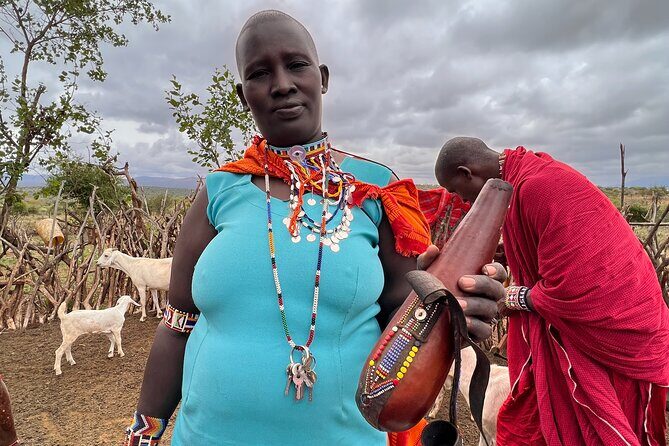
- Hands-on craft lessons like weaving necklaces and wrist bands
- Women cooking and food prep demonstrations you can understand at street level
- Goat milk lessons and everyday animal care, not just “show and tell”
- Warrior welcome and dance as part of the live entertainment
- Two market stops, including Bisil cattle market (mostly Fridays)
- Private tour feel with hotel pickup and drop-off
Timing Your 12:00 Start: how the drive shapes the day
The tour starts at 12:00 pm, and the village drive takes about two hours one way. That means this is a day experience, not a quick cultural add-on between other plans. If you’re pairing it with a morning safari or sightseeing, I’d keep a little breathing room—traffic and timing can eat into your buffer.
Plan for a mid-day light: you’ll likely spend the hottest hours closer to the village and market areas. Wear light layers, bring sun protection, and expect to be outside for most of the activities. And since lunch isn’t included (more on that later), consider grabbing something earlier so you’re not running on empty before the village portion.
You can also read our reviews of more tours and experiences in Nairobi.



Kajiado County village visit: food prep, weaving, and goat-milk care
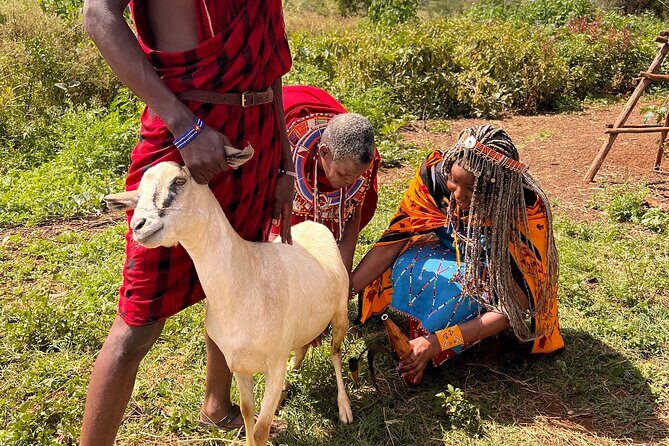
Your main stop is in Kajiado County, and it’s built around learning how Maasai community life works. Expect about four hours at this first stop, with admission included. This is the heart of the experience.
Here’s what you’ll focus on:
- How women prepare food and cook
- How crafts are made, especially weaving necklaces and wrist bands
- How milk goats and livestock fit into daily routines, plus other lessons that connect people, animals, and food
Why this matters: a lot of cultural visits turn into looking at artifacts. This one puts the emphasis on skills—how food gets made, how materials get turned into wearable items, and how animal care connects to survival. You’ll usually understand the logic faster when you see the steps, not just the end product.
This is also where the community setting comes into focus. Maasai villages are described as small mud-thatched homes, surrounded by cattle and other livestock. If you’ve only seen Kenya through parks and wildlife, this is a shift in pace—more human-scale, and more about routine than spectacle.
What to expect in the village space
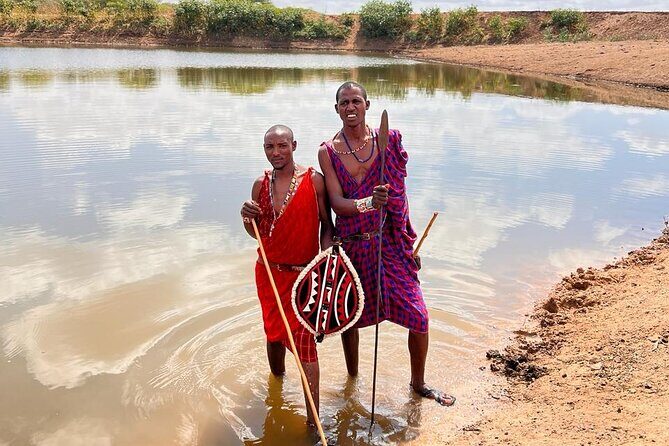
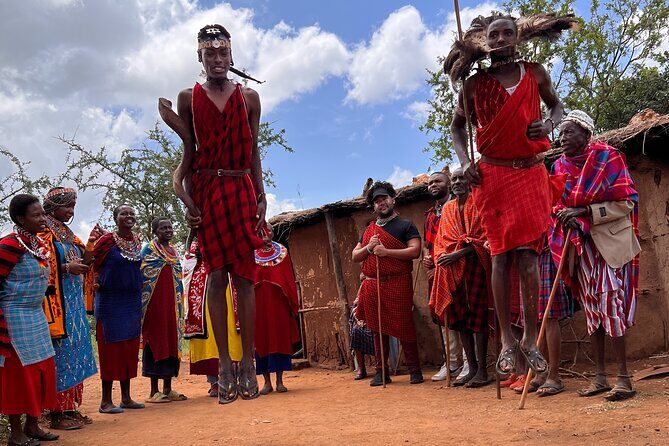
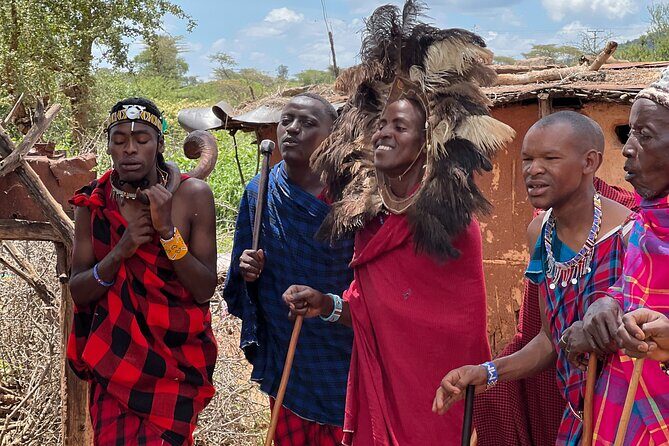
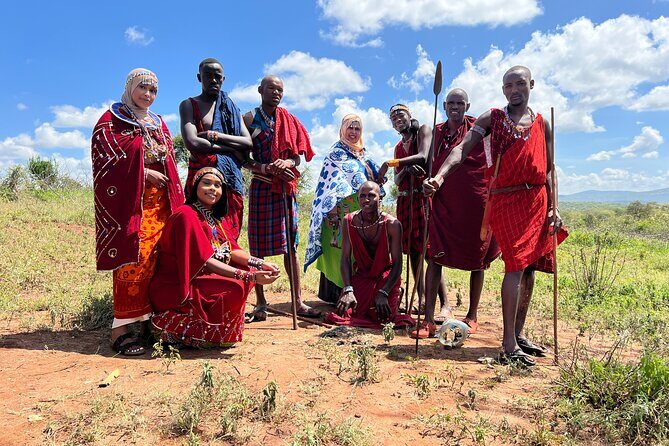
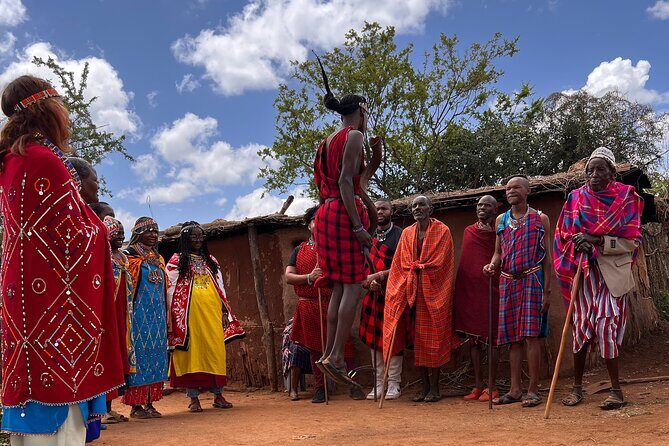
Based on what people report from their visit experiences, the welcome can include Maasai warriors and a performance like a war dance, followed by a chance to view the inside of a tiny mud house. There’s also mention of a small store in the village setting. You should treat these moments as “ask and be respectful” opportunities. If you want a deeper conversation, go in with curiosity and patience rather than trying to speed-run photos.
Live entertainment and warrior welcome: how to enjoy it respectfully
Live entertainment is included, and it’s a big part of the emotional payoff of the afternoon. People often remember the warm welcome and the chance to see Maasai dancers/warriors as part of the greeting.
How to make this work for you:
- Watch first, then follow the lead of your driver/guide.
- If you’re invited into a space (like a house interior), take cues from who’s hosting.
- Keep your questions focused on daily life: food, weaving, animals, and village routines.
One practical note: cultural performances can be loud and energetic, even when they’re friendly. If you know you’ll be uncomfortable with noise or crowds, you might find this portion a lot more intense than a quiet museum stop. On the flip side, if you like face-to-face cultural learning, this is exactly the point.
And yes—guides can make or break this kind of visit. One guide named Mwose has been praised for being accommodating and knowledgeable, which tells me the team clearly understands how to translate what you’re seeing into something you can actually use.
Cattle market and shopping town: seeing work and trade up close
At the first stop, you’ll visit both the cattle market and a shopping town. That pairing is smart because it gives you two sides of the same system: daily animal life and the human exchange that surrounds it.
Why the market part helps:
- You see how people gather, trade, and communicate in real time.
- It turns the village lessons from “cultural performance” into a living economy.
- It helps you connect craft and food learning back to the broader community.
What to watch for: market areas can be busy depending on the day and what’s happening. Stay aware of your footing if you’re walking around livestock pens and uneven ground. And if you’re interested in buying woven items or other crafts, approach it like a conversation, not a transaction. You’ll get more out of it, and you’re more likely to leave with something that actually fits the story.

Bisil cattle market stop: a short, Friday-friendly add-on
There’s a second market stop at Bisil, and it runs for about 30 minutes. Admission here is listed as free, and it’s mostly on Fridays.
This is a good “bonus” stop, but you should go in with the right expectations. Thirty minutes is enough to see what’s going on and maybe grab a few photos, but it won’t replace a longer market walk. If your visit lands on a day when the Bisil market is active, you may get an extra layer of trade and movement. If not, the stop still gives you a quick taste of the cattle-market vibe.
Also, because it’s short, keep your energy for the main village portion—the four-hour section is where the deeper learning happens.
Price and value: what you get for $120 and where you’ll spend extra
The price is $120 per person, and that sounds like a lot until you break down what’s included. For this kind of half-day to full-afternoon cultural trip, you’re paying for more than “entrance.” You’re getting transportation, a guide/driver, and scheduled time in village and market areas.
Included items:
- Driver/guide
- Hotel pickup and drop-off
- Coffee and a lunch break stop over
- Live entertainment
- Private tour
- All fees and taxes
- Admission ticket included at the main stop, and Bisil admission free
Not included:
- Lunch
- Food and drinks
So here’s the honest value math: you should plan to pay for your meal separately. But compared to piecing together a private car plus a guide plus entry fees, the $120 can pencil out well—especially if you’re already in Nairobi and want the cultural experience organized without stress.
If you’re traveling solo, private tours can feel pricey. If you’re in a small group, it often becomes better value because the private vehicle and guide cost stays shared.
Private tour feel with group discounts: what that changes for you
The experience is described as private, meaning only your group participates. That matters more than people think. In a village and market setting, you want flexibility—time to ask questions, time to slow down if something catches your attention, and fewer distractions.
Group discounts are mentioned, but the practical takeaway is simple: if you can share the cost with others, you’ll feel more “in control” of the day. And if you’re with kids, a private setup can also make it easier to pace the visit and keep everyone together.
Most travelers can participate, and children must be accompanied by an adult. So if you’re thinking about bringing younger kids, you’ll want to plan for the fact that you’ll be outside and moving between stops.
Who this Maasai village cultural afternoon fits best

This tour is a strong match if you:
- Want a human-scale cultural visit rather than only wildlife viewing
- Like learning through practical examples (food prep, weaving, animal care)
- Prefer a structured plan with pickup/drop-off and a guide to keep things smooth
- Enjoy live performance as part of the cultural welcome
It may be less ideal if you:
- Want a relaxed day with minimal driving and short walking
- Don’t do well with energetic entertainment
- Are hoping for a long, slow village hangout; the main learning block is substantial, but the total schedule is still paced
Best for couples, families, and small groups who want one memorable cultural block on their Nairobi trip without turning it into a research project.
Practical tips I’d use before you go
A few things can make a noticeable difference in how the afternoon feels:
- Bring a small amount of cash if you plan to buy crafts, since the shopping town is part of the program.
- Wear closed-toe shoes or something you trust on uneven ground.
- Use a light, respectful approach with photos and questions—ask before photographing people or stepping into very small spaces.
- Keep water and a snack idea in mind. Even though coffee is part of the day plan, you still need to manage energy since lunch and drinks aren’t included.
If you want to get the most from the weaving and food-prep parts, go in with curiosity about process, not just outcomes. Ask what materials are used, what skills matter, and how routines connect to livestock.
Should you book this Maasai village afternoon?
I’d book it if you want an authentic cultural afternoon that’s more than a quick look. The combination of hands-on lessons (food, weaving, goat milk), live warrior entertainment, and market + shopping stops makes the day feel complete. And because it’s private with hotel pickup, it’s also lower-stress than trying to arrange transport and timing on your own.
I’d pause if you’re short on time in Nairobi, because the drive to the village is part of the deal. Also budget for lunch since it’s not included. If you’re ready for a warm, structured cultural visit with real daily-life learning, this one is a solid choice.
FAQ
What time does the Maasai village cultural afternoon start?
The start time is 12:00 pm.
How long is the experience?
The duration is about 5 to 6 hours.
Is hotel pickup and drop-off included?
Yes, hotel pickup and drop-off are included.
Is lunch included in the price?
No. Lunch is not included. Coffee and a lunch break stop over are included.
Are admission tickets included?
Admission is included at the main stop, and Bisil cattle market admission is free.
Is it a private tour?
Yes. It’s private, meaning only your group participates.