REVIEW · MOMBASA
Half day city tour of mombasa
Book on Viator →Operated by EXPLORE QUEST - Eric Lumbasho · Bookable on Viator
Fort Jesus starts the story on day one. This half-day Mombasa tour strings together the city’s earliest coastal connections—through Fort Jesus, Old Town streets, markets, a temple stop, gardens, and a ferry ride.
What I like most is how the route is designed for real understanding, not just sightseeing. You’ll get the kind of context that explains how coastal towns took shape after early visitors showed up, and how that mixing still shows in daily life.
One drawback to consider: it’s a walking-focused tour with market stops, so if heat, crowds, or strong smells make you grumpy, plan on slowing down and taking breaks.
In This Review
- Key things to know before you go
- Fort Jesus and Old Town: where coastal trade meets real stories
- Eric Lumbasho’s style: pace, flexibility, and the fun part
- Fish market: see daily life, not just souvenirs
- Spice market: learn how the coast tastes
- Swaminarayan Hindu temple: a peaceful pause in a trade-heavy route
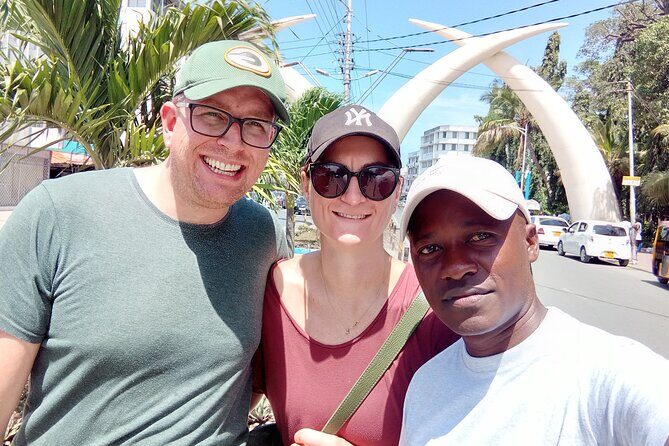
- Elephant tusks: look carefully, think twice about browsing
- Uhuru Gardens and the “breathing space” effect
- Ferry experience: the shortest way to change your perspective
- Price and value: is $40 fair for 4 hours?
- Who should book this Mombasa half-day tour?
- A few practical tips to make the most of your time
- Should you book this half-day Mombasa city tour?
- FAQ
- What is the duration of the half-day city tour in Mombasa?
- Where does the tour start and end?
- What time does the tour begin?
- What main places will we visit?
- How big is the group?
- Do I get a mobile ticket?
- What happens if the weather is bad or I need to cancel?
Key things to know before you go
- Small group size (max 10) keeps the pace personal.
- 4 hours total, starting at 9:30 am, with the tour ending back at the meeting point.
- Fort Jesus + Old Town + two markets give you a tight slice of city life.
- Ferry experience adds a change of perspective beyond the streets.
- Guide support from Eric Lumbasho, with flexibility like possible short “hop” transport near the markets.
- Uhuru Gardens and the Swaminarayan Hindu temple round out the tour beyond trade and forts.
Fort Jesus and Old Town: where coastal trade meets real stories
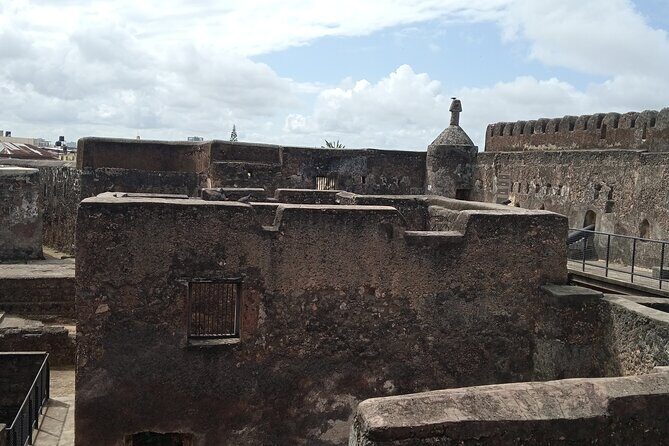
Mombasa’s big advantage is that it’s easy to connect the dots between places. This tour starts you in the right mindset: you begin at Banda Paradise next to Fort Jesus, then move into Old Town where everyday life and older layers of the city sit close together. It’s a good setup if you want to understand what you’re looking at before you wander off on your own.
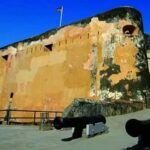
Fort Jesus is the anchor stop. Even if you only have a few hours, it’s worth focusing here first because it frames the rest of the route. You’re not just seeing stone and a fort layout—you’re building context for why coastal visitors mattered, and how the coast became a meeting point rather than an isolated shoreline.
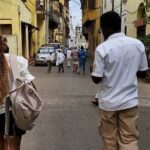
Old Town then does what it should: it turns the city into something you can feel. The streets and buildings help you picture how Mombasa functioned as a gateway. You’ll also get plenty of time to ask questions as you walk, and that matters because coastal history can feel complicated until someone puts it into plain language.
You can also read our reviews of more city tours in Mombasa

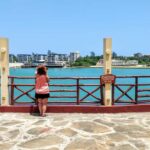
Eric Lumbasho’s style: pace, flexibility, and the fun part
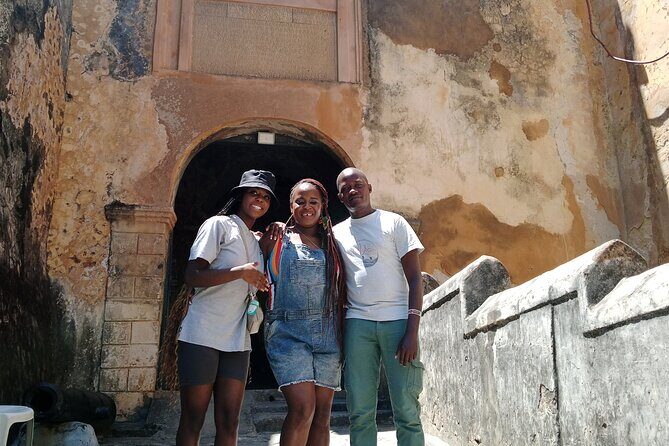
This is the kind of tour where the guide can make or break the experience. Here, the guide is Eric Lumbasho (and you may hear him referred to as Erick during your booking), and his approach shows up in how the tour flows.
Two things you’ll appreciate fast:
- He adjusts the pace so the story still lands even if the group has different energy levels.
- He adds practical guidance as you go, including how to think about food, local life, and what areas are best to explore next.
From the way the tour is described, it’s set up for small groups, max 10 people. That’s not just a comfort perk. It usually means better questions, more eye contact, and fewer long waits at each stop.
If you’re the type who likes photos, you’ll likely find this tour works for that too. And if you care about birds, Eric is also known for bird-focused guiding along the coast, so you can ask him to point out what’s around as you pass gardens and open spots.
Fish market: see daily life, not just souvenirs
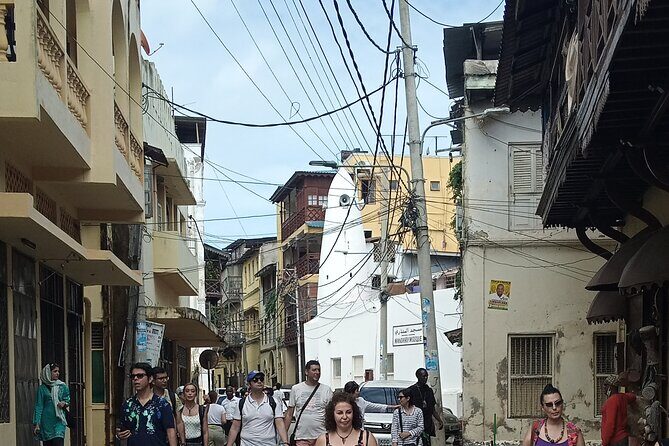
One of the best parts of this tour is that it doesn’t float above the city. The route takes you to the fish market, and this is where you learn more than you expect.
Markets are where you see how a coastal city actually breathes:
- You get a sense of trade rhythms and what’s important day to day.
- You’ll notice how people interact with visitors in practical ways, not staged ones.
A quick heads-up: markets can be visually intense and sometimes smell strong, especially depending on the time of day and weather. The tour runs for about 4 hours, starting at 9:30 am, which often helps because the day is still fresh enough for you to enjoy the stop rather than just endure it.
If you’re photographing, be ready to do it respectfully. Keep your movements slow and avoid blocking sellers. A good guide will help you read the flow of the place.
Spice market: learn how the coast tastes
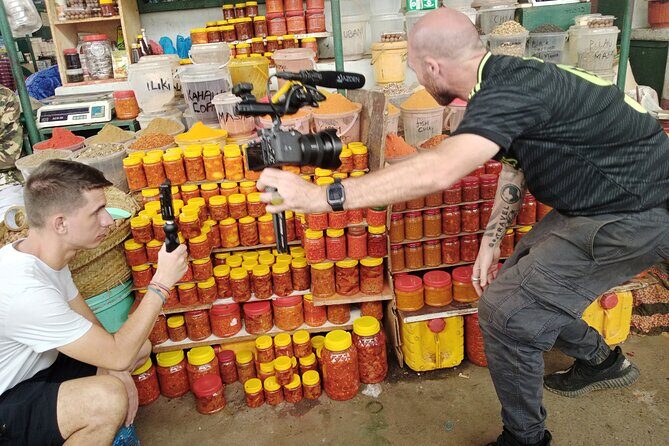
Next up is the spice market. This is a great companion stop to the fish market because it changes the story from food supply to flavor and commerce. Here, you get a direct feel for how coastal interaction created demand for goods that traveled.
This is also where shopping expectations should be realistic. You can browse, you can compare, and you can ask questions about what you’re seeing—but don’t let it become a pressure situation. If you want the experience more than the purchases, you’ll still learn a lot from the way goods are explained.
There’s a practical note worth keeping in mind: parts of the market area can be easier to navigate with short changes of transport if your legs are tired. Some groups have enjoyed extra help around the spice market section, and the guide’s flexibility is part of the appeal.
Bring a little extra patience if you’re someone who gets overwhelmed by lots of options. The payoff is that you’ll leave understanding what spice trading means for a coastal city’s daily life, not just its tourist face.
Swaminarayan Hindu temple: a peaceful pause in a trade-heavy route
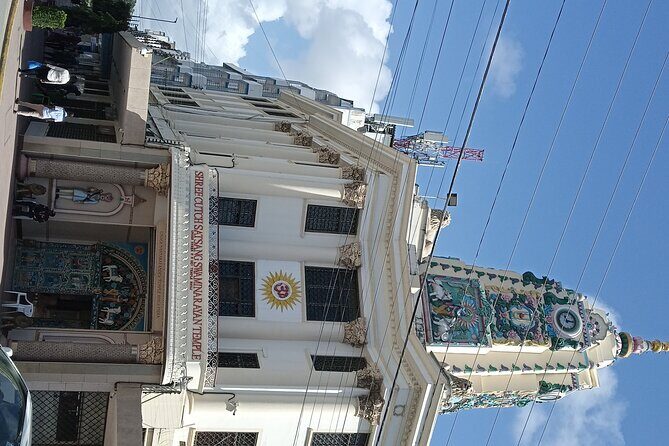
After the markets, the Swaminarayan Hindu temple stop is a good reset. It breaks the pattern of commerce and forts, and it helps you understand another side of coastal life: religion and community spaces.
A temple visit on a half-day route works best if you treat it like a chance to observe quietly. You’re not racing through. You’re learning how faith shapes daily routines and how different cultures sit alongside each other in Mombasa.
Even if you don’t know the background, you’ll likely find the guide’s explanations help. The goal here isn’t to turn you into a scholar—it’s to help you recognize that the coast’s cultural mixing is visible in real settings, not just in museums or photos.


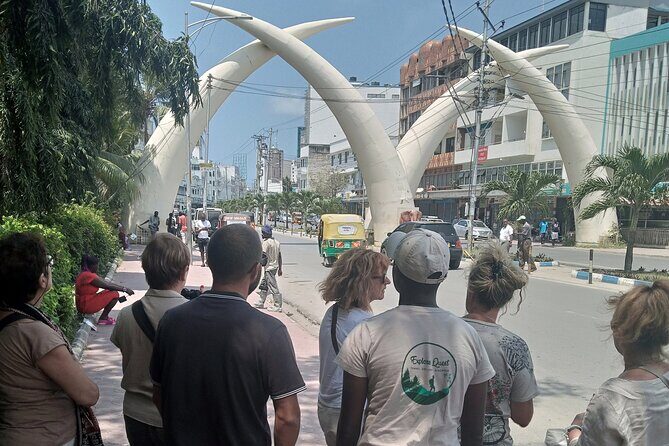
Elephant tusks: look carefully, think twice about browsing
The tour includes a stop connected to elephant tusks. Since this is a sensitive category, your best move is to decide upfront what you want from the moment. If you’re curious, look closely and ask respectful questions. If you’re uncomfortable with the theme, it’s totally fine to take a step back and focus on the surrounding street life and architecture instead.
This stop can be emotionally loaded for some visitors, so having a guide who keeps the atmosphere respectful matters. If you’re planning to buy anything, treat it as a separate decision, not an automatic market habit.
Uhuru Gardens and the “breathing space” effect
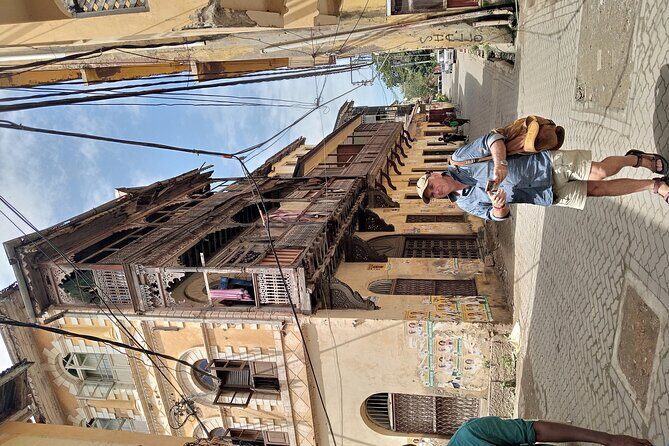
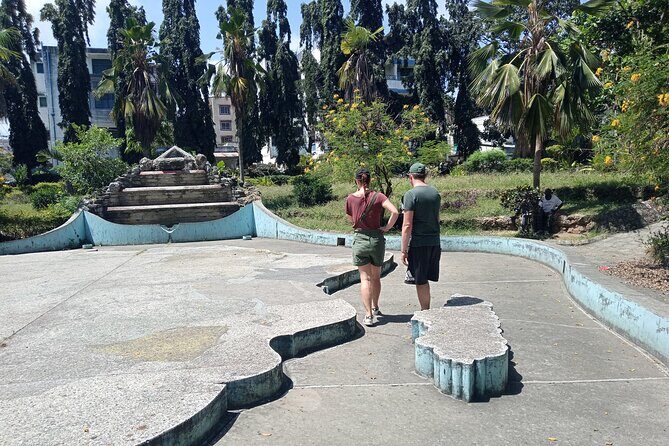
Uhuru Gardens gives you something you need after market stops and tighter street sections: space to breathe. Gardens tend to do two useful things on a city tour:
- They help you reset your eyes after strong visuals.
- They give you a chance for calmer conversation and reflection.
This is also a sensible place to spot birds if that’s your interest. Eric is associated with bird watching guiding, so you can ask him what to watch for as you relax in the greenery and open areas.
Even if you’re not a bird person, the garden works because it’s a reminder that Mombasa isn’t only forts and commerce. It’s also people’s everyday atmosphere—shade, walking paths, and a bit of quiet.
Ferry experience: the shortest way to change your perspective
A ferry ride is included, and honestly, this is one of the smartest parts of the tour. Walking gives you detail. A ferry gives you context.
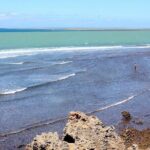
Even without knowing the exact route beforehand, the effect is usually the same: you see the coastline differently, and you understand that the sea isn’t just scenery. It’s part of how people move and how trade connects neighborhoods.
If you’ve only been traveling by road, this is a great corrective. It takes your understanding from maps to motion. You’ll likely find that after the ferry, the rest of your sightseeing feels easier to interpret.
Price and value: is $40 fair for 4 hours?
At $40 per person for roughly 4 hours, this tour is priced like a solid half-day city guide package. Here’s why it can feel like good value:
- You’re getting a guided route through major areas: Fort Jesus, Old Town, fish and spice markets, a temple stop, and Uhuru Gardens.
- The tour isn’t just “stand and look.” It’s built around story and practical context for how early visitors shaped coastal development.
- A ferry experience is included, which adds real transportation value instead of only being walking and waiting.
Your money is also working because the group stays small (max 10). That reduces long gaps and helps the guide tailor explanations.
One thing to weigh: it’s still a walking-based format. If you prefer a car-heavy tour where you do minimal walking, you might find this style more demanding than you expected.
Who should book this Mombasa half-day tour?
This tour is a strong fit if you want:
- A fast, structured way to understand Mombasa’s coastal mix—from early visitors to today’s culture seen in daily life.
- A guide who doesn’t just recite dates, but connects places to how people live and eat.
- A small group experience that keeps questions simple and the pace human.
It’s also ideal if you like a guide who can recommend where to go next. In the reviews, Eric shows up as someone who’s willing to help beyond the core route—useful when you’re trying to eat well and not waste your limited time.
If you’re traveling with kids or older relatives, the tour being described as suitable for most travelers helps, but you’ll still want to bring comfortable shoes and a calm plan for market stops.
A few practical tips to make the most of your time
- Wear comfortable walking shoes. Markets and Old Town streets add up fast.
- Bring water. You’ll be on your feet across Fort Jesus, markets, temple area, and gardens.
- If the spice market section feels chaotic, ask for pacing help. The guide has shown flexibility to adjust the experience.
- If you’re sensitive to strong smells, plan to step back briefly rather than pushing through.
- If you want photos, keep expectations realistic in busy areas and avoid blocking sellers.
Should you book this half-day Mombasa city tour?
I’d book it if you’re trying to get oriented fast and you care about understanding the coast as a crossroads. The combination of Fort Jesus, Old Town, two markets, a temple, and Uhuru Gardens covers a lot of ground without feeling like a rushed checklist. Add in the ferry experience, and you get both street-level detail and a shift in viewpoint.
Skip it only if you want minimal walking or you dislike market environments. In that case, you may feel the route is too hands-on for your comfort level.
If you do book, go in curious. Ask questions, especially about how coastal towns formed and why the culture you see today looks the way it does. That’s where the tour earns its keep.
FAQ
What is the duration of the half-day city tour in Mombasa?
It runs for about 4 hours.
Where does the tour start and end?
It starts at Banda Paradise next to Fort Jesus, Mombasa Old Town on Sir Mbarak Hinawy Road, and it ends back at the meeting point.
What time does the tour begin?
The start time is 9:30 am.
What main places will we visit?
You’ll visit Fort Jesus, Old Town, the fish market, the spice market, the Swaminarayan Hindu temple, the elephant tusks stop, Uhuru Gardens, and you’ll have a ferry experience.
How big is the group?
The tour has a maximum of 10 travelers.
Do I get a mobile ticket?
Yes, the experience includes a mobile ticket.
What happens if the weather is bad or I need to cancel?
The tour requires good weather. If it’s canceled due to poor weather, you’ll be offered a different date or a full refund. You can cancel for a full refund up to 24 hours before the start time; within 24 hours, refunds are not available.