REVIEW · TIWI KENYA
Diani: Snorkeling and Swimming at African Pool in Tiwi Beach
Book on GetYourGuide →Operated by Sudi Mwalaule · Bookable on GetYourGuide
Caves, cliffs, and that Africa-shaped pool. This Diani-Tiwi trip turns a short coastal outing into real water time: snorkeling coral caves and swimming the naturally formed African Pool that looks like a map of Africa. What I especially like is the mix of calm, guided reef exploring and the fun stuff at the pool—swimming through tunnels, jumping off ledges if you feel ready, and taking time to enjoy what’s around you. One thing to consider: you’ll be in and around the water for the full experience, so bring a wetsuit if you get cold and be honest with your guide about your comfort level.
You start at Kongo Mosque, with your guide leading you across to the watersport shop in Tiwi where you get your gear. The guiding team (including Sudi Mwalaule, and sometimes his associate Khanifa) works in English and Swahili, and the experience is run as a private group for about 3 hours. The day ends back at the watersport area, with time to rest under shade and snack on local favorites.
In This Review
- Key things to know before you go
- Kongo Mosque to Tiwi watersport shop: getting geared up fast
- Motorbike ride or sea exploration: two ways to reach the pool
- African Pool: the map-of-Africa moment, ledges, and tunnel swims
- Coral caves snorkeling: how the route feels in real life
- Reef-walk to water time: comfort tricks that make a difference
- Tiwi beach snacks and shaded downtime after snorkeling
- Price and value: is $35 per person fair for 3 hours?
- Who should book this and who should think twice
- Should you book the Diani snorkeling at African Pool?
- FAQ
- Where do I meet for this Tiwi African Pool snorkeling trip?
- How long is the experience?
- How much does it cost?
- What snorkeling and water gear is included?
- Do I need to pay an entrance fee to access African Pool?
- How do you get from the watersport area to the African Pool?
- What snacks are included after snorkeling?
- What should I bring for the water and sun?
Key things to know before you go
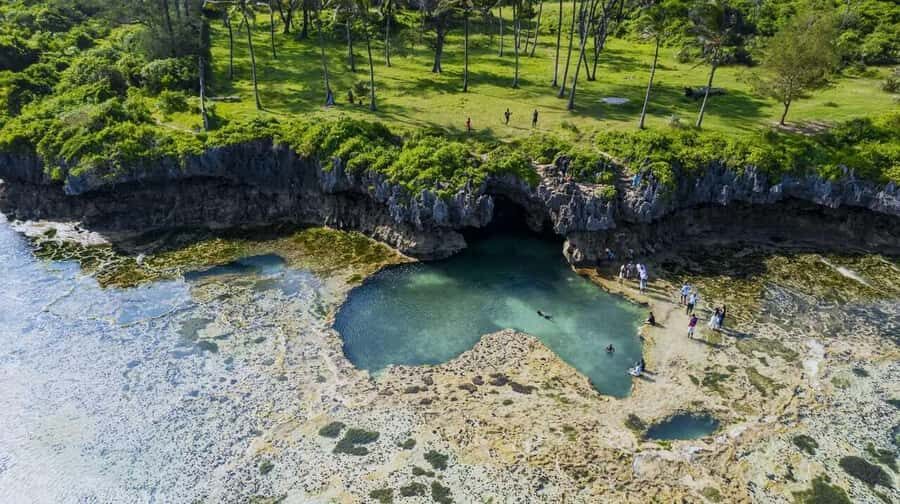
- African Pool is the main event: a naturally shaped pool that gives you a real “map of Africa” moment in clear water
- Coral-protective reef shoes are provided: you’ll walk on rocky bits without turning it into a whole sore-foot saga
- Caves + tunnels = more than just floating: you can see underwater passages and cave areas while staying guided
- You choose how to get to Tiwi: motorbike for speed or a sea adventure if you want more shoreline time
- Snacks aren’t an afterthought: you’ll finish with Swahili snacks like mabuyu, kashata, and madafu
- Photo support is part of the vibe: Khanifa has a knack for guiding and capturing moments while you’re in the water
Kongo Mosque to Tiwi watersport shop: getting geared up fast
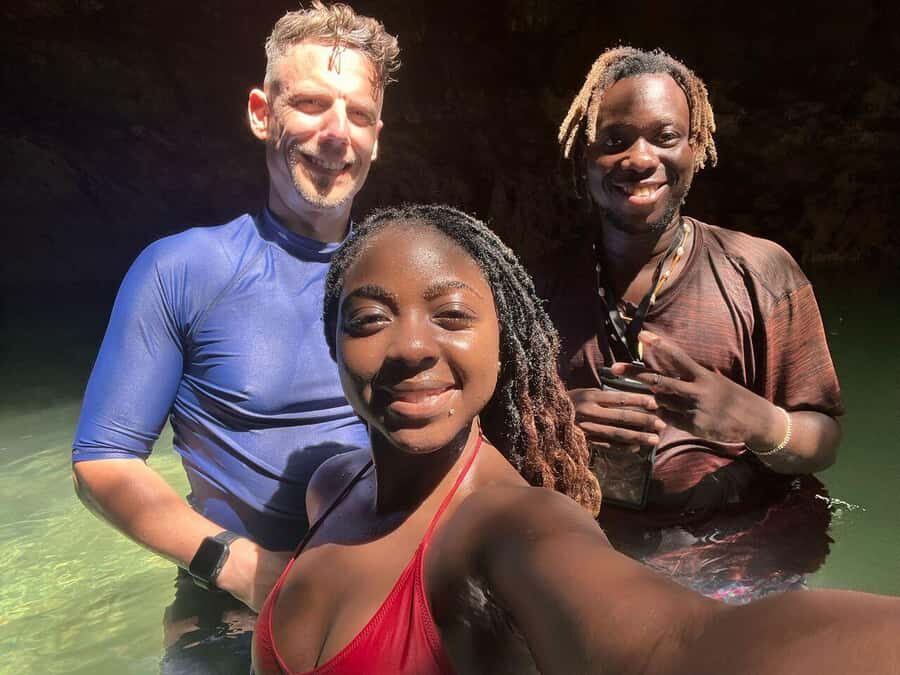
The experience starts at Kongo Mosque in Diani. Plan to show up next to the mosque at least five minutes early so you don’t feel rushed when your guide is ready to cross over toward Tiwi. From there, you’ll go to the watersport shop to suit up.
This is where the trip earns points for being practical. You get coral protective shoes, a snorkeling mask, and floaters, so you’re not scrambling for gear at the last minute. You’ll also get a short intro from your guide—enough to understand how you’ll move around the reef and where the pool sections start.
If you’re a beginner, this matters. Reef footwear and floaters take the edge off the “I’m not sure I belong in the water” feeling, especially when you’re learning how to snorkel calmly instead of panic-breathing. You’ll still do the water part, but it’s not thrown at you with zero support.
You can also read our reviews of more tours and experiences in Tiwi Kenya.

Motorbike ride or sea exploration: two ways to reach the pool
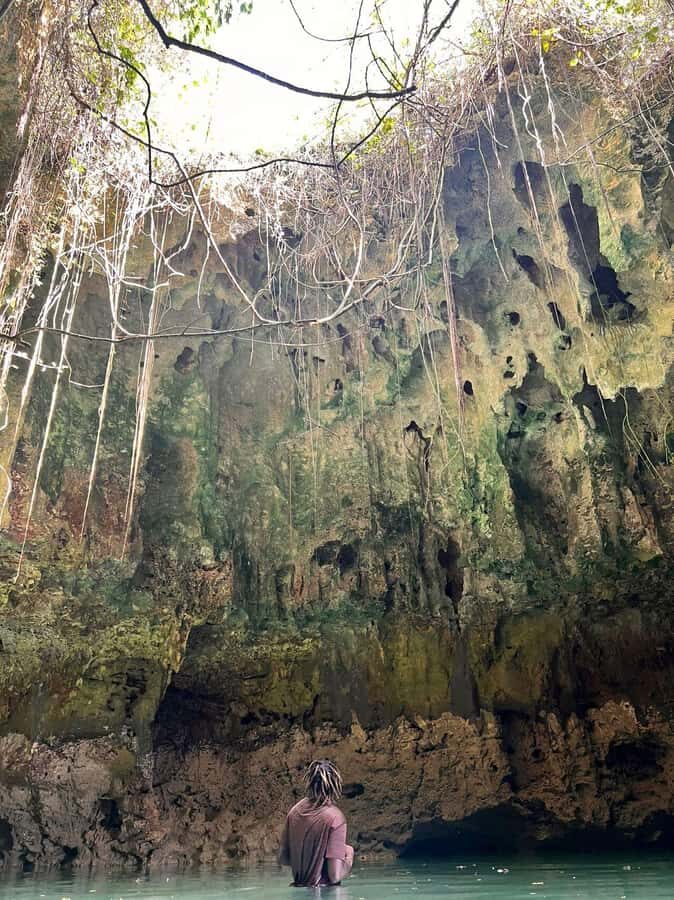
Once you’re geared up, your guide gives you a choice. You can take a motorbike ride for a quicker transfer, or you can do a sea adventure style route that includes discovering spots along the way. The point isn’t just transportation—it’s your first glimpse of Tiwi’s coastline before the snorkeling starts.
If you want maximum time in the water, the motorbike option helps you spend more of your 3-hour window actually snorkeling and swimming. If you’re in “slow travel” mode and want more coastal scenery, the sea/shore exploration route can add a bit of storytelling and variety before you even hit the African Pool.
Either way, you’ll be with your guide and moving as a group, which keeps the day from turning into a self-organized logistics puzzle.
African Pool: the map-of-Africa moment, ledges, and tunnel swims
At the African Pool, the whole experience clicks into place. This pool is naturally shaped to resemble a map of Africa, so it’s not just snorkeling for snorkeling’s sake—you’re swimming in a landmark. The water conditions can vary, but the design of the pool gives you options: jump from cliff edges into the water if you’re feeling confident, or swim along the pool and look into the connected areas.
One of the standout features is that you can move into tunnels and pass through underwater sections rather than only staying on the surface. This gives your snorkeling some structure: you’re not just “looking around,” you’re actually navigating small routes with the guide’s help.
You may also see local activity in the pool at the right time. The experience is designed so you can share space without it feeling chaotic—your guide stays focused on your safety and comfort, not on rushing you through.
Practical tip: if you’re not the strongest swimmer, tell your guide early. The support here tends to be hands-on, and you’ll likely get close supervision. That’s especially helpful when you’re trying to snorkel and move at the same time.
Coral caves snorkeling: how the route feels in real life
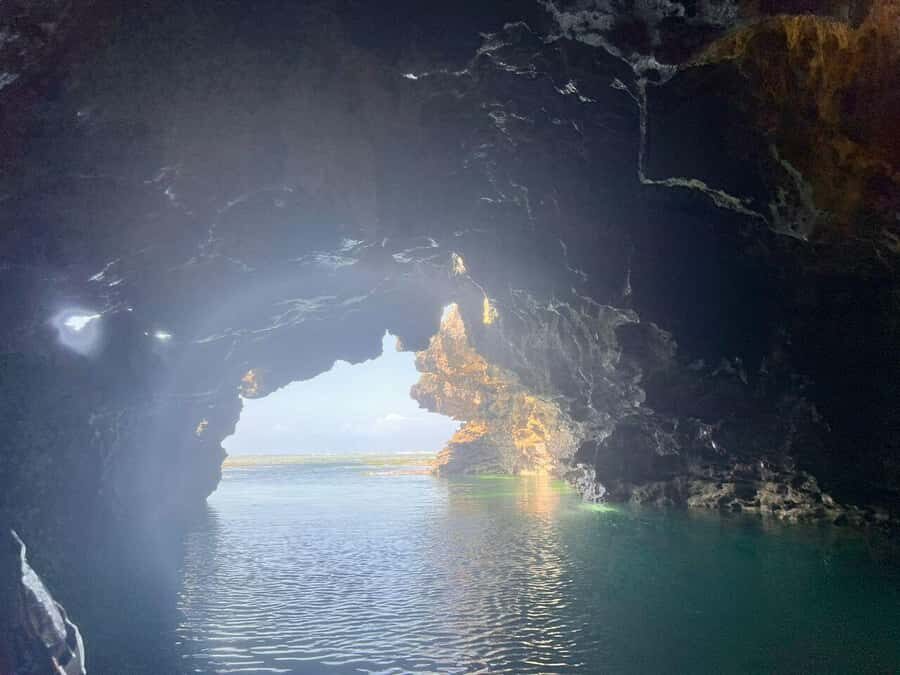
After you get your bearings in the African Pool, you’ll head into the coral cave areas for more snorkeling and swimming. The caves are where the trip becomes more dramatic. Expect a mix of open water moments and tighter underwater passages where you’ll need to keep your breathing steady and follow your guide’s cues.
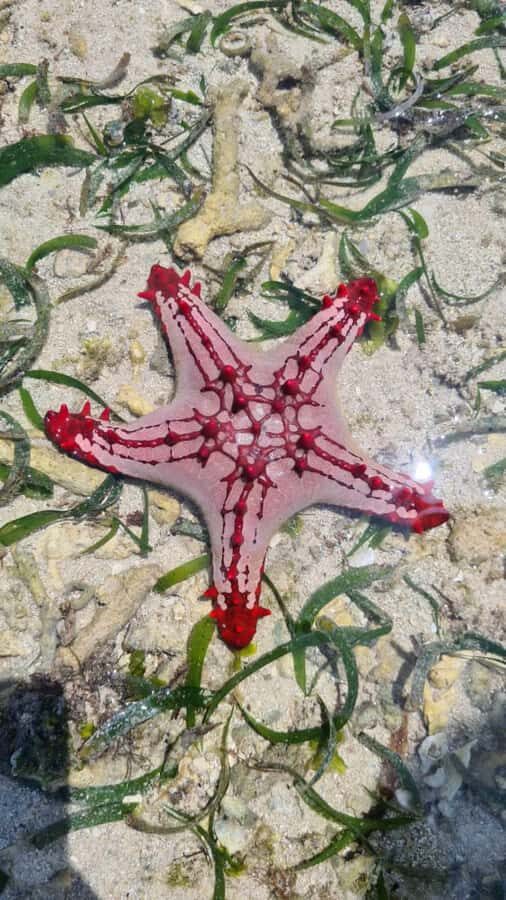
What I like about the cave section is that it isn’t treated like a “thrill only” stop. The guide takes their time, keeps an eye on your comfort, and points out what to watch for. You also get the sense that the guide knows the sea life around the reef—so your snorkeling feels like learning, not just drifting.
Some groups are guided toward a cave area that one guide described with a nickname like Australia, which adds a fun mental map to what you’re seeing underwater. Whether you call it that or just “the cave section,” the practical takeaway is the same: there’s enough variety in the underwater scenery to keep your attention on what matters.
One consideration: caves and ledges can be a little demanding if you don’t feel confident. This is where the floaters and reef shoes earn their keep. If you get anxious, ask for slower pacing. A good guide will stay close and help you find your rhythm.
Reef-walk to water time: comfort tricks that make a difference
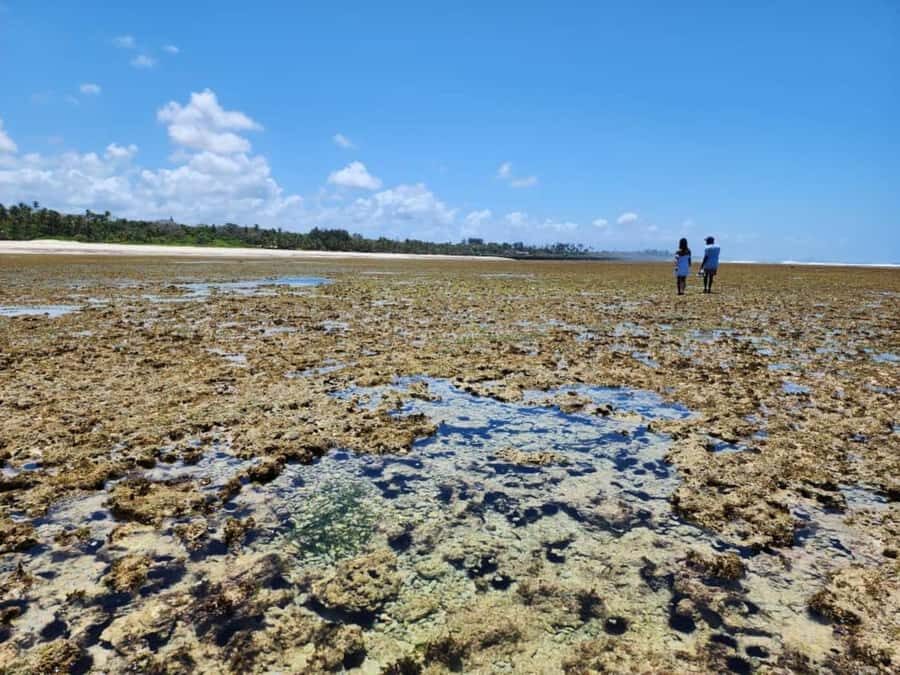
Even when you’re mainly there to swim, you still do some walking and moving around reef edges. Reef shoes help with traction and protection, but you’ll still want to move carefully. Keep your sunglasses on so you can see where you step and where you’re going when you’re not in the water.
Bring what they ask for: sun hat, sunscreen, and sunglasses. Water days can still burn fast, and you’ll also be outside while you gear up and after you return. If you tend to get cold in the water, bring a wetsuit—your comfort will affect how much you enjoy the caves and tunnels.
If you’re photographing (or hoping someone helps), try to communicate your preferences before you get in. Khanifa, for example, has been known to act as a photographer while also staying attentive to swimmers who need extra reassurance. Even if you’re not chasing perfect shots, having someone help you with timing is a big quality-of-life upgrade.
Tiwi beach snacks and shaded downtime after snorkeling
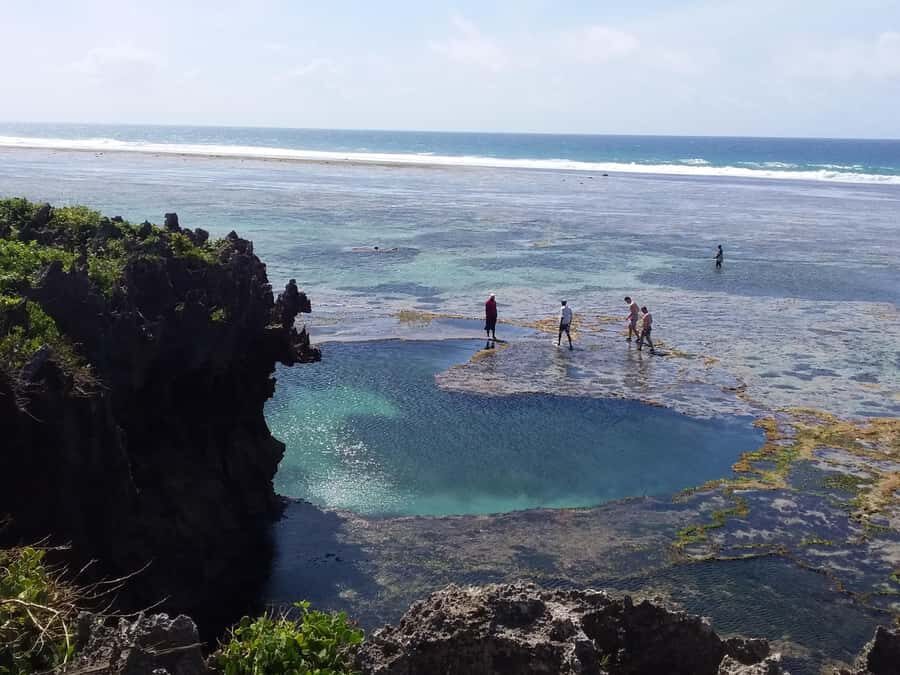
After the water time, you head back to the watersport office area. This is your reset moment: you can rest under sun shades, catch your breath, and cool down before you decide whether to eat more nearby.
Then comes the snack part. You’ll try African snacks such as mabuyu, kashata, and madafu. It’s a nice finish because it keeps the day rooted in local flavor instead of ending with an “okay, that’s done” feeling.
If you’re the type who likes to keep traveling flexible, this ending works well. You can grab more food from nearby restaurants or just head back toward Diani whenever you feel satisfied.
Price and value: is $35 per person fair for 3 hours?
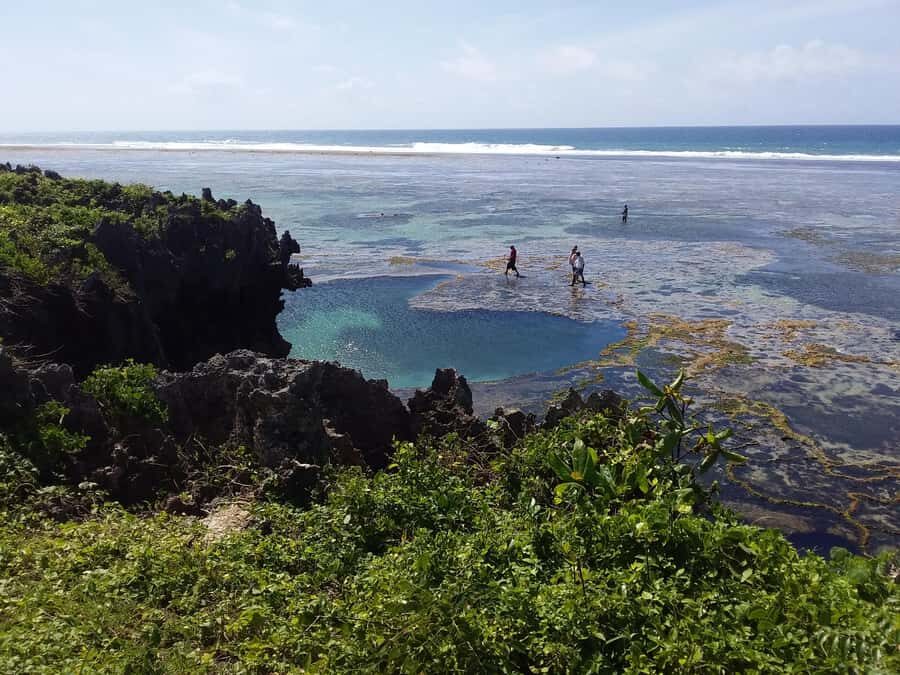
At $35 per person for about 3 hours, this is one of those trips where the value comes from what’s included, not just the headline price. You’re getting transportation related to the main activity area (to and from the African Pool), entrance to the African Pool, snorkeling gear (mask and floaters), and coral-protective shoes. That’s a lot of practical costs bundled into the experience.
The other value is time efficiency. You’re not spending your day hunting down equipment or arranging separate transport to a distant snorkeling spot. The whole structure—meet at Kongo Mosque, gear up at Tiwi, snorkel and swim, then return—keeps the outing tight and focused.
So yes, it’s a paid excursion, but it feels like you’re paying for a guided, gear-supported water session in a specific, memorable location rather than buying access to a general beach.
Who should book this and who should think twice
This tour is a great fit if you want:
- A guided snorkeling experience with real targets: caves and the African Pool shape
- Support in the water via floaters and reef shoes
- A cultural food finish with Swahili snacks like mabuyu and kashata
- A private group setting for a more relaxed pace
It may be less ideal if you:
- Hate being in or around water for the full 3 hours
- Don’t want to do any cave/tunnel snorkeling at all (the trip is built around those sections)
- Are extremely risk-averse about ledge jumping. You don’t have to jump, but the option exists, and the guide will help you judge what feels safe.
For many people, the sweet spot is medium confidence: you can swim, you’re willing to learn a comfortable snorkeling rhythm, and you’ll speak up if you need slower pacing.
Should you book the Diani snorkeling at African Pool?
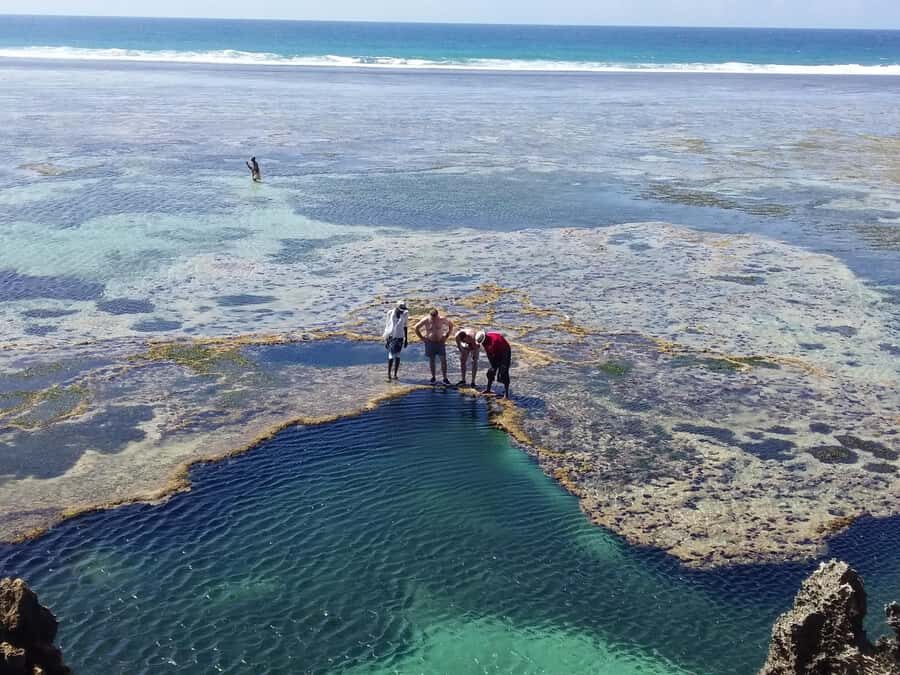
If you’re choosing between a generic beach swim and something more structured, book this. The combination of the Africa-shaped pool, cave snorkeling, and tunnels gives you variety without turning it into an all-day ordeal. I also appreciate that the guides (including Sudi Mwalaule, with Khanifa showing up as a key helper/photographer in some cases) keep the day human: they take time, stay close, and make sure you’re not just going through motions.
Go for it if you want a memorable water setting with gear provided and local snacks waiting at the end. Skip it only if you know you’ll struggle with any underwater cave movement or you don’t want to commit to the full water-based experience.
If you’re deciding last-minute, note the flexibility options you’ll typically get with this kind of booking: free cancellation up to 24 hours ahead and reserve-now/pay-later style options keep plans easier.
FAQ
Where do I meet for this Tiwi African Pool snorkeling trip?
You meet at Kongo Mosque in Diani. Stand next to the mosque at least 5 minutes before the scheduled start time.
How long is the experience?
It lasts about 3 hours.
How much does it cost?
The price is $35 per person.
What snorkeling and water gear is included?
You’ll be provided with coral protective shoes, a snorkeling mask, and floaters.
Do I need to pay an entrance fee to access African Pool?
Yes, but the entrance fee is included in the tour price.
How do you get from the watersport area to the African Pool?
Transportation from the watersport office to the African Pool and back is included.
What snacks are included after snorkeling?
You’ll try African snacks including mabuyu, kashata, and madafu.
What should I bring for the water and sun?
Bring sunglasses, a sun hat, sunscreen, and a wetsuit.