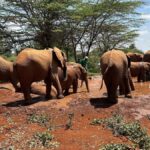
Four days, two parks, one wildlife mission.
This safari strings together Maasai Mara National Reserve for big-mammal chances and Lake Nakuru National Park for flamingos, rhinos, and serious bird-life. You’ll start early from Nairobi, then spend three full days in the wild rhythm of game drives, camp check-ins, and that never-gets-old “Did you see that?” feeling.
I especially liked the way the booking support is handled by Paul, with fast, polite responses when questions come up. I also like the on-the-ground guiding, including Anthony, plus the small-group vibe that leaves you with better seating and less crowding in the vehicle.
One consideration: this route packs in a lot of time on the road. Even though the driving is part of the adventure, you should be ready for early starts and long vehicle days.
In This Review
- Key highlights
- Why This 4-Day Safari Works: Mara plus the Pink Lake
- Nairobi Pickup and Rift Valley Views Before Maasai Mara
- Maasi Mara Day 2: Full-Day Game Drive and Mara River Magic
- Day 3 Transfer to Lake Nakuru and the Optional Maasai Village Stop
- Lake Nakuru Day 4: Flamingoes, Rhino Sanctuary, and Predator Chances
- Price and Value for $642: What You’re Really Paying For
- Comfort, Safety, and the Small-Group Feel in the Vehicle
- Who This Safari Fits Best (and Who Might Prefer More Days)
- Should You Book This 4-Day Greytone Bush Safari?
- FAQ
- What time does the safari pickup start from Nairobi?
- Which parks are included in this 4-day route?
- What meals are included?
- Is pickup offered, and will I receive a ticket on my phone?
- What’s the maximum group size?
- Can I cancel for a full refund?
Key highlights
- Early 7:30am Nairobi departure sets you up for cooler, more active wildlife viewing
- Maasai Mara full-day game drive with packed lunch and Mara River/hippo pool time
- Pink flamingoes at Lake Nakuru with a planned chance from baboon cliff views
- Rhino sanctuary focus at Lake Nakuru plus good odds for predators like lions and cheetahs
- Optional Maasai village visit on Day 3 if you want cultural context
- Small-group energy even with a max group cap of 80
Why This 4-Day Safari Works: Mara plus the Pink Lake
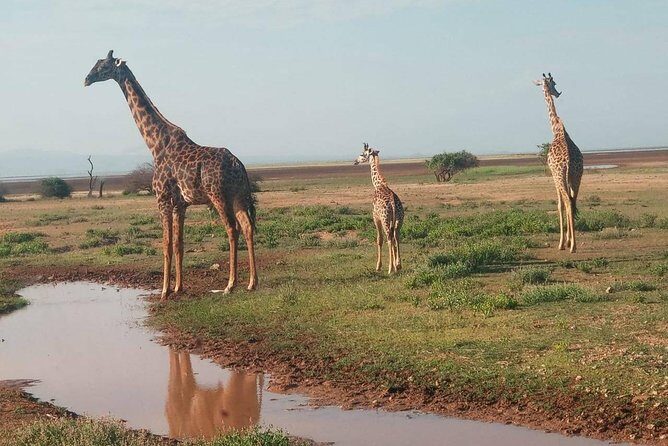
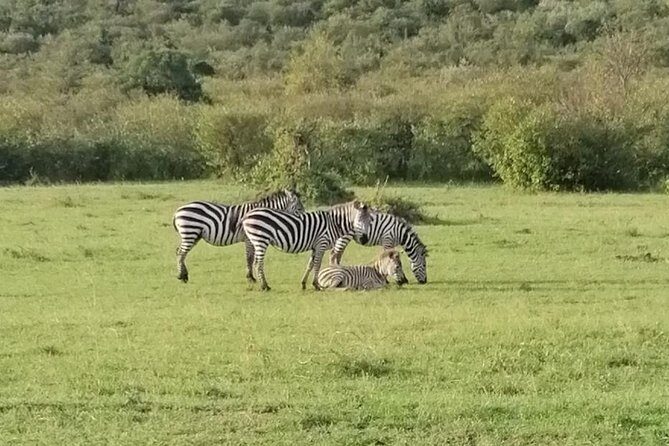
This is a classic Kenya combo for people who want both big scenery and real animals. In Maasai Mara, you’re aiming for the big names and the drama of open savannah—wildebeest herds, zebras, and the constant movement of predators. Then you switch to Lake Nakuru, where the “wow” shifts to birds, flamingoes, and a dedicated rhino sanctuary feel.
The trip also keeps the pacing reasonable for just four days. Day 1 gets you into the Mara with an evening drive. Day 2 is your full-on game day. Day 3 is transfer-heavy but adds the option of a Maasai village visit. Day 4 brings you back for a morning game drive and a return to Nairobi in the evening.
If you’re the type who loves seeing a lot without wasting time, this schedule is built for you. If you’re the type who hates car time, you’ll still enjoy it—you just need to manage expectations.
A few more Nairobi tours and experiences worth a look
Nairobi Pickup and Rift Valley Views Before Maasai Mara
Your day starts with a morning pickup from your hotel or the airport, with a 7:30am start time. There’s a briefing with your professional driver/guide before you head out, which matters more than people think—safari days run smoother when you know what the schedule is aiming for.
The drive takes you north-west out of Nairobi, and you’ll pass through views of the Great Rift Valley escarpment. It’s one of those stops that isn’t about wildlife, but it helps you understand why this part of Kenya looks so dramatic. You’ll also have a chance to pick up small gifts like beaded jewelry at a crafts shop.
Lunch is typically handled en route in Narok town, then you push on to your camp or lodge in Maasai Mara. The day ends with an evening game drive, which is often a sweet spot for activity. Animals tend to move more as temperatures cool, and dusk light makes for great photos—especially when herds are crossing open ground.
Practical tip: pack a light layer for evenings. Even when days feel warm, safari nights can feel cooler in the vehicle.
Maasi Mara Day 2: Full-Day Game Drive and Mara River Magic
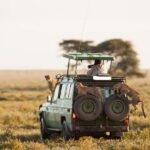
Day 2 is the heart of the safari. After breakfast, you go out for a full day of game viewing, with a packed lunch planned during the day. The route is adjustable with your driver/guide, so your experience isn’t locked into one rigid script when animals change where they’re feeding and moving.
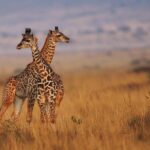
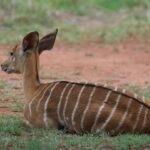
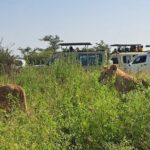
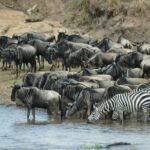
The savannah you’ll cover is the classic tree-studded grassland style that Mara is known for. This is where you get the chance to see a huge variety of wildlife—over 450 species is listed in the plan—so even if you miss one highlight, you usually get another. The big targets you’re watching for are the herds of wildebeest and zebras, plus the constant possibility of predators.
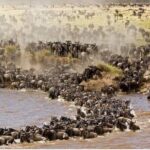
A key moment is time around the Mara River. The schedule specifically calls out hippo pool viewing, which is worth treating as a “slow down and watch” stop. Hippos don’t do much fast movement, but they do a lot of subtle behavior that’s easy to miss when you’re rushing.
The plan also notes that this is where the great wildebeest migration happens. You should keep your expectations realistic—migration timing depends on the season—but the location is right for it, and the driving routes often reflect that seasonal focus.
The day ends with another afternoon/evening viewing block, including a sunset game experience. If you only remember one thing from Mara, make it this: wide-open light, animals at a comfortable distance, and your guide tracking movement with calm focus.
Day 3 Transfer to Lake Nakuru and the Optional Maasai Village Stop
Day 3 moves you from Maasai Mara to Lake Nakuru National Park, with freshening up and dinner waiting after you arrive late evening. You start after breakfast, and you’ll get an optional Maasai village visit if you want to add cultural context to the wildlife focus.
That “optional” piece is important. If you’re tired from two big days in the Mara, you can skip it and just focus on the transfer and arrival. If you’re curious about daily life and traditions, this is the part that adds meaning beyond photos and sightings.
On the way, there’s a lunch stopover in Narok again. Then it’s straight to the park area, where you check in and get ready for dinner and an overnight stay near the action.
Even though Day 3 is partly travel time, it’s still a valuable day. You’re getting a change in habitat—open savannah to a park where the lake and forests shape wildlife behavior. That change helps keep the safari from feeling like the same day repeated.
Lake Nakuru Day 4: Flamingoes, Rhino Sanctuary, and Predator Chances
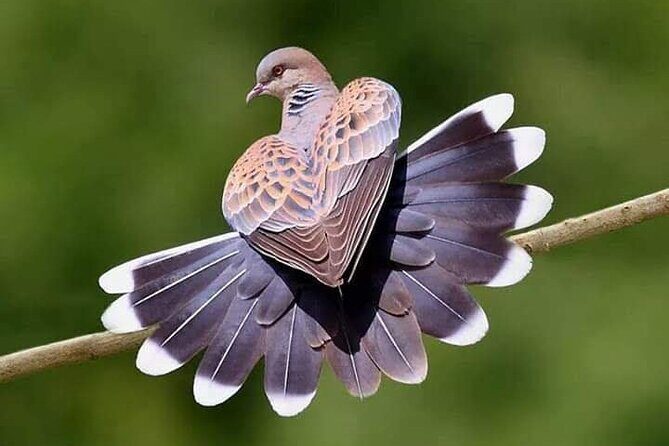
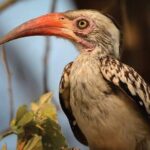
Day 4 starts with breakfast, then it’s a game drive focused on what Lake Nakuru does best. This park is described as spectacular for bird watching, and that’s not a small detail—Lake Nakuru can feel like a birding safari as much as a big-animal one.
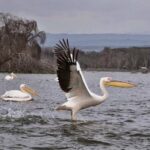
The itinerary calls out pink flamingoes at the lake shores, with the best viewing from the baboon cliff area. If you’ve only seen flamingoes in zoos or photos, you’ll be surprised how different it looks in the wild. The color shows up differently when the birds are actually active, and the group behavior is easier to notice up close.
Lake Nakuru is also presented as a rhino sanctuary, and rhino sightings are part of the expected viewing. Even if you don’t spot one quickly, the park is managed for that goal, so your driver will keep checking the right areas.
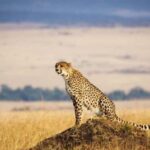
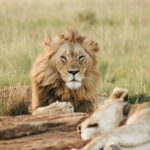
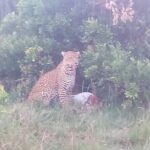
Predator species are also on the list of possible sightings, including lions, cheetahs, hyenas, and leopards. Real talk: predators can be hit-or-miss in any park, and your best tool is time spent scanning while your guide reads the land. Lake Nakuru isn’t only about predators, but the schedule gives you a fair shot at them.
After the drive, you head back toward Nairobi with lunch en route, arriving in the evening for hotel or airport drop-off.
A few more Nairobi tours and experiences worth a look
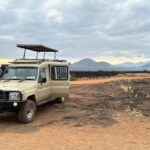
Price and Value for $642: What You’re Really Paying For
At $642 per person, this is positioned as a budget-friendly safari for a two-park route. The value isn’t just the sticker price—it’s what’s included with that price.
You get breakfasts, lunches, and dinners as part of the package (listed as 3 breakfasts, 4 lunches, and 3 dinners). That matters in Kenya because you’d otherwise spend time and money figuring out meals between drives and park gates. You also get pickup service, which saves you the hassle of arranging separate transport.
On the sightseeing side, the itinerary marks admission tickets as free/included depending on the day. Even if the exact paperwork varies, the schedule is clearly built to keep the day moving without you juggling ticket problems at the gate.
You’re also paying for guided vehicle tracking, which is the real game-changer on a safari. A good driver/guide doesn’t just drive—you get direction on where to look, when to stop, and how to maximize viewing time.
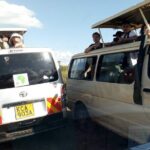
One more value point: the tour indicates a maximum group size of 80 travelers. In practice, the experience is often calmer than that cap suggests. A review specifically praised a small group and the extra space in the vehicle, which is the kind of comfort you feel immediately when you’re spending hours in safari seating.
Comfort, Safety, and the Small-Group Feel in the Vehicle
Safari comfort is more than big chairs and clean windows. It’s about whether you feel safe and supported when you’re far from home and the day changes fast.
One of the stronger positives in the provided feedback is that a young solo traveler felt safe on this trip. That lines up with the practical reality of this kind of tour: you’re with a guide, you’re following a plan, and you’re not trying to figure out timing or routes alone. You still should use normal travel sense—keep valuables secure, follow the guide’s instructions—but the “I felt looked after” feeling is clearly part of the experience.
The guiding names matter here too. Anthony is called out as a great guide during the trip experience, and another named point of contact, Paul, is linked to booking communication and quick replies. That’s a good sign because a smooth safari starts before you even reach the park.
Accommodation is described as being as expected, and that’s the right standard for your planning. You’re not booking five-star comfort here—you’re buying access to the parks, meals, and the right logistics so you can focus on wildlife.
Who This Safari Fits Best (and Who Might Prefer More Days)
This is a great match for you if you want:
- Two iconic parks in four days without wasting time on extra stops
- Plenty of time with wildlife through day and evening game drives
- A chance at Mara River viewing and the Lake Nakuru flamingo experience
- The option to add the Maasai village visit if you’re interested
It’s also a smart choice if you like a clear plan with a guide who keeps things on track. If you don’t want to think about what time to leave, where to eat, and when to arrive at gates, this kind of tour structure is built for you.
If you want lots of downtime, this may feel busy. Between early starts, park drives, and the Day 3 transfer to Lake Nakuru, your schedule won’t have much slack. In that case, you’d probably enjoy an itinerary with more nights in one park.
Should You Book This 4-Day Greytone Bush Safari?
I’d book this route if your priority is wildlife variety in a tight timeframe. Maasai Mara gives you the big-game drama and big-open savannah feel. Lake Nakuru gives you a totally different payoff—flamingoes, rhinos, and birding you can slow down for.
I’d think twice if you’re the type who hates long days in a vehicle. The upside is that you’re traveling between two park styles, so the time on the road doesn’t feel like wasted repetition—it’s part of the safari story.
If you’re deciding based on value, the package includes most of what tends to add up fast: meals, pickup, and guided park days. Also, the tour offers free cancellation up to 24 hours before the experience start time, so you have a little breathing room to commit.
FAQ
What time does the safari pickup start from Nairobi?
The start time is listed as 7:30am.
Which parks are included in this 4-day route?
You’ll visit Maasai Mara National Reserve and Lake Nakuru National Park, with overnight stays in both areas.
What meals are included?
The package includes 3 breakfasts, 4 lunches, and 3 dinners.
Is pickup offered, and will I receive a ticket on my phone?
Yes—pickup is offered from your hotel or airport, and the tour includes a mobile ticket.
What’s the maximum group size?
The tour lists a maximum of 80 travelers.
Can I cancel for a full refund?
Yes. Free cancellation is available up to 24 hours before the experience’s start time for a full refund.