When the road leaves Nairobi, your camera already starts working. This 4×4 safari runs a classic loop from Masai Mara to Lake Nakuru, packing in real game-drive time and giving you planned meals so you’re not constantly hunting for food. I especially like the way the trip builds up from Mara wildlife days into a Lake Nakuru bird-and-rhino finale. The main drawback to plan for is timing: you’ll start early and you’ll be in transit on two of the four days, so if you hate morning alarms, this one might feel rushed.
What makes the whole thing click is the on-the-ground guiding. In reviews, guides like Evans, Francis, and Robert are repeatedly praised for spotting animals others miss and for driving with confidence. I also like the small-group feel: the tour caps at 15 travelers, which keeps the jeeps from turning into a parking-lot circus. One more consideration: the Great Migration and white rhino sightings are never guaranteed, so you’re booking for the odds and for the experience—not a checklist.
In This Review
- Quick safari highlights you’ll care about
- Entering Masai Mara: the Rift Valley drive that sets the tone
- Day 1 to Day 2: how the Masai Mara game drives really work
- Big Five expectations, without the false promises
- Optional Maasai village visit: worth it if you like context
- Optional balloon safari: amazing view, steep price
- Leaving Mara for Lake Nakuru: why the change of scenery helps
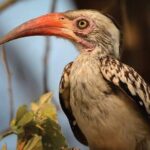
- Lake Nakuru’s wildlife mix: flamingos, rhinos, and serious bird power
- A realistic expectation: rhinos can be timed by conditions
- Day 4 in Lake Nakuru: a focused morning, then back to Nairobi
- Price and value: what your $830 is really buying
- Group size, jeep comfort, and what to pack
- Who this safari suits best (and who might want a different plan)
- Should you book this 4-day Masai Mara and Lake Nakuru safari?
- FAQ
- What time is pickup in Nairobi?
- How long is the safari?
- How big is the group?
- What meals are included?
- Is park admission included?
- What optional activities are available and how much do they cost?
Quick safari highlights you’ll care about
- Pickup in Nairobi at 7:00 am keeps Day 1 from feeling chaotic
- Masai Mara game drives with full-day wildlife searching
- Optional Maasai village visit (USD 10 per person) for cultural context
- Optional balloon safari (USD 400 per person) if you want a sky-level view
- Lake Nakuru focus on flamingos, rhinos, and a heavy bird list
- Small group size (up to 15) for a calmer, more flexible feel
Entering Masai Mara: the Rift Valley drive that sets the tone
Most safaris start with a transfer. This one starts with a useful one. You’re picked up from your Nairobi hotel or residence within Nairobi CBD at 7:00 am, then you head toward Masai Mara via the Rift Valley view point. That stop matters more than you might think. Even if you’ve seen Rift Valley photos, being up on a viewpoint and understanding the geography makes the next days of wildlife easier to follow.
You also get lunch as a picnic on the way. That’s a small detail, but it helps on safari days because you don’t lose prime wildlife hours to searching for food. After you check in, the afternoon game drive is your first real chance to “get in the rhythm” of how Mara wildlife shows up—often suddenly, often across open plains.
Day 1 is about establishing the big picture: wide country, lots of movement, and a guide who can place the jeep where the action is most likely. It’s a smart first day layout because you don’t waste the afternoon by cramming in too many stops.
A few more Nairobi tours and experiences worth a look
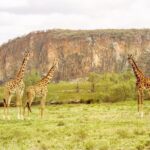
Day 1 to Day 2: how the Masai Mara game drives really work
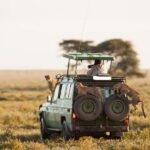
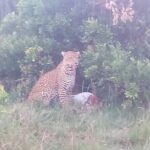
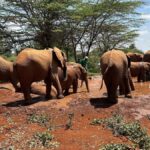
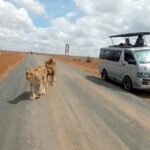
Masai Mara is one of those places where you can see wildlife without chasing it like a theme park. On the Mara days, the tour is built around game drives that focus on animals ranging from the Big Five to big cats and the broader mix that fills the grasslands.
Day 1 gives you an afternoon drive after arrival. Day 2 is the bigger win: you spend the full day exploring Masai Mara in search of the Big Five. You also have picnic lunches inside the reserve. That matters because Mara’s best sightings don’t respect meal schedules. When lunch is planned within the reserve, you can keep your eyes on the plains instead of clock-watching for the next location.
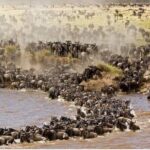
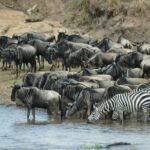
One more detail I like: Mara is where the Great Migration can happen if it’s in season. If you’re traveling during a migration period, you’ll want your guide’s animal-finding skills to matter even more, because the herds and predators can shift quickly. If you’re traveling outside the migration window, Mara still delivers year-round wildlife viewing, just with a different rhythm and different “story” each day.
Big Five expectations, without the false promises
Let’s be honest: no safari can guarantee the Big Five on a set schedule. What this tour does well is give you enough time in the right place—two Mara days, including one full day—to make those odds real. You’re not rushing Mara in a half-day squeeze.
And based on reviews, the guiding seems to be a strength. Guides like Evans are described as being great at spotting animals and negotiating with park wardens or others to get the best viewing opportunities. That’s the kind of practical skill that improves your chance of a great day, especially when multiple jeeps are watching the same area.
Optional Maasai village visit: worth it if you like context
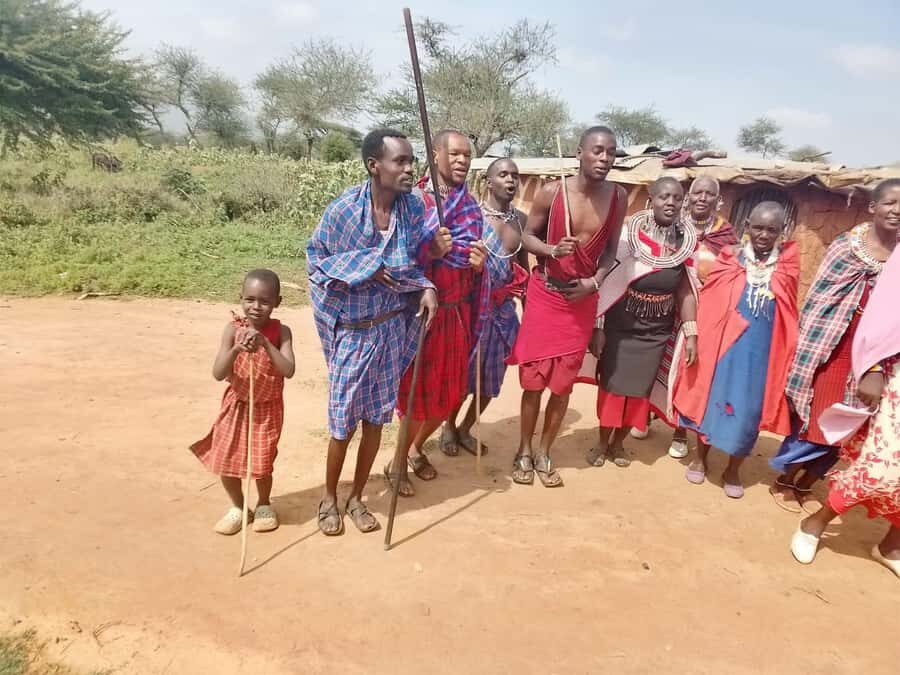
On Day 2, there’s an optional local Maasai village visit for USD 10 per person. You don’t have to do it, but I like including this as a choice rather than forcing it. Wildlife-focused trips can become very one-note if you never step outside the game-drive bubble. A short cultural visit can help you understand what you’re looking at when you see settlements and people at the edges of wildlife areas.
The tour also mentions an optional Maasai village visit on Day 3 (timing tied to the schedule that day). If you care about culture, you can often pick the day that best fits how tired you feel after a long Mara game drive.
Two practical tips for this option:
- Bring small bills and plan on paying the USD 10 per person add-on as stated.
- Keep your mindset flexible. Village visits are cultural exchanges, not performances, so ask questions and be respectful.
Optional balloon safari: amazing view, steep price
If you want a balloon safari, the tour lists it as optional and priced at USD 400 per person, organized early morning on Day 2 then followed by the normal program.
This is a “yes, if it fits you” add-on. The upside is obvious: balloon viewing can make the scale of Mara feel instantly understandable—plains, rivers, and wildlife patterns from the sky. The downside is that it adds cost and it can add fatigue if you’re not a morning person, since it’s early.
If you do balloon, keep your expectations smart. You’ll likely see a lot of the geography and movement, but balloon time can still be unpredictable for exact animal sightings. It’s about the view and the experience as much as it is about a trophy photo.
A few more Nairobi tours and experiences worth a look

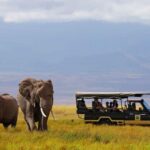
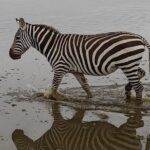
Leaving Mara for Lake Nakuru: why the change of scenery helps
Day 3 is an early morning breakfast followed by departure to Lake Nakuru National Park. You’ll have a picnic lunch on the way and arrive in the evening.
Switching from Mara grasslands to Nakuru’s lake-and-habitat mix is a big part of why this itinerary works. Mara can feel like an open-sky and open-plains story. Nakuru becomes a different kind of wildlife day—more birds, more water, and a different cast of animals. You also get a change in light and temperature as you move, which often makes it easier to stay engaged even after two days of driving.
When you reach Nakuru, the evening arrival means you’re not immediately forced into a full “all-day” schedule on Day 3. That’s practical. After long days in safari mode, a slightly calmer landing helps.
Lake Nakuru’s wildlife mix: flamingos, rhinos, and serious bird power
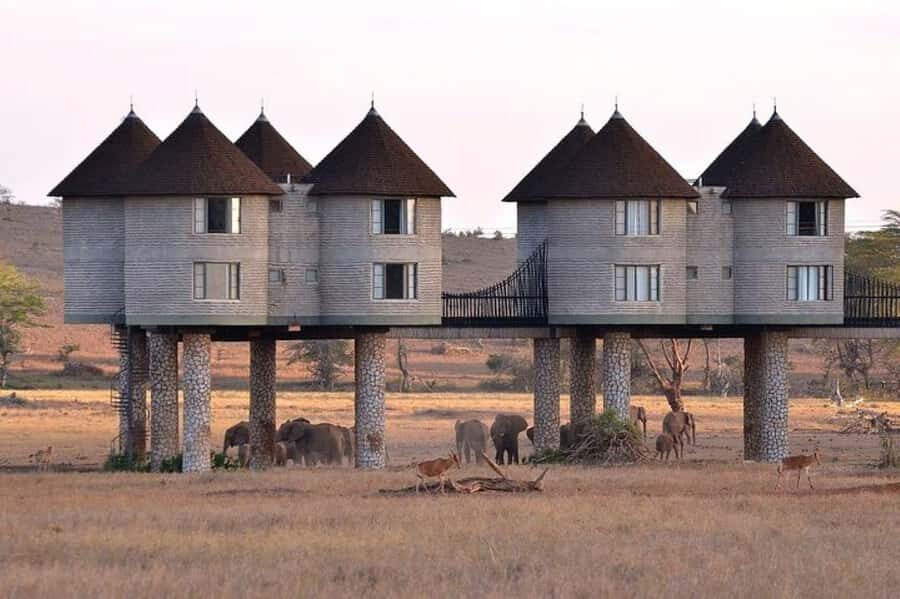
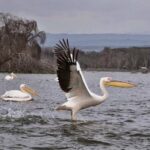
Lake Nakuru is famous for a reason: it can pack in wildlife close to the road, and it’s especially strong for bird life. The tour notes flamingoes—plus white and black rhino sightings are part of the park’s best-known possibilities. You also get the chance to see a wide range of animals such as lions, buffalo, zebra, and smaller mammals, along with a long list of other species.
What you should focus on here is the park’s identity. Nakuru is one of the best “change-of-pace” stops in Kenya safaris because birds can keep you busy even when the large mammals aren’t right in front of your jeep. If you’re the type who likes wildlife photography but also enjoys just watching patterns—flamingos feeding, movement along the water’s edge—Nakuru has a lot to offer.
The tour even highlights the park’s impressive bird count—over 450 species of terrestrial and water birds. That doesn’t mean you’ll see them all on one trip. But it does signal that the reserve is built for variety, not just one signature moment.
A realistic expectation: rhinos can be timed by conditions
The itinerary promises possibilities, including rare white rhinos. Here’s the honest part: rhino sightings depend on where the animals are and how the park conditions are that day. The good news is you get a dedicated Day 4 morning game drive in Nakuru that’s specifically aimed at white rhinos, so you’re not relying on a quick look.
Day 4 in Lake Nakuru: a focused morning, then back to Nairobi
Day 4 starts with early breakfast and a 7:00 am departure to the park. The schedule is simple on purpose: a game drive lasting about three hours, then a drive back to Nairobi that takes about three hours.
This is a key design choice. Some safaris spread Nakuru time thin. This one concentrates it into a morning run, which usually makes it easier to find the animals you came for—especially when visibility and animal movement can change after late morning.
The itinerary also calls out the possibility of pink flamingos and magnificent rare white rhinos. Again, you can’t force wildlife to appear on demand. But the structure gives you multiple chances to look properly rather than doing a brief “drive-by.”
After the game drive, you’re heading straight back to Nairobi. It keeps the trip tight and keeps you from having a stretched-out end day where you’re tired but still waiting for the next checkpoint.
Price and value: what your $830 is really buying
At $830 per person for a 4-day group 4×4 safari, the value depends on what you compare it to. Here’s what this price includes, based on the tour details:
- Pickup in Nairobi and the main transportation between parks
- Meals: breakfast (3), lunch (4), dinner (3)
- An included element on Day 4 (park admission is listed as included that day) and admission is listed as free for days 1–3
- A small group cap of up to 15 travelers
- Mobile ticket and confirmation after booking
In plain terms, you’re paying for transport, guided game viewing time, and a food plan. A lot of solo travel costs extra once you factor in car rental, driver fees, park logistics, and meals. Even in a group, you still get a front-seat wildlife strategy rather than DIY planning.
The optional add-ons are where costs can jump:
- Maasai village visit: USD 10 per person
- Balloon safari: USD 400 per person
If you stick to the core itinerary, you keep the budget more predictable. If you add balloon, you’re essentially upgrading your trip into two different experiences: ground safari + sky views.
Group size, jeep comfort, and what to pack
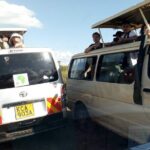
With a maximum of 15 travelers, you should expect a more manageable group. That helps when the guide needs to reposition quickly. It also helps when wildlife sightings happen and you want an orderly setup rather than a scramble.
On comfort, safari days can mean dust, sun, and long hours in a vehicle. Even if this tour doesn’t list vehicle features in detail, you’ll enjoy it more if you pack for field reality:
- sunscreen and sunglasses
- a hat for early morning drives
- a light layer for dawn and evening
- a reusable water bottle (safari days dehydrate fast)
- binoculars if you have them already
If you’re sensitive to long drives, plan on stretching during breaks and keeping your expectations flexible. This itinerary moves from Mara to Nakuru, so you’ll have “in motion” time, not just “park time.”
Who this safari suits best (and who might want a different plan)
This is a strong fit if you want:
- a classic Kenya safari route in a short 4-day window
- serious time in Masai Mara plus a second park for variety
- an established plan with meals handled
- a group size that stays relatively small (15 max)
It might be less ideal if:
- you hate early starts (the 7:00 am departures are consistent)
- you want a super relaxed schedule with minimal driving
- you’re chasing one specific sighting and only one sighting
If you’re the type who enjoys wildlife spotting, takes photos, and likes a plan that still leaves room for surprises, this safari style usually works well.
Should you book this 4-day Masai Mara and Lake Nakuru safari?
I’d book it if you want a solid “first Kenya safari” that covers the headline parks without turning the trip into a nonstop dash. The structure is practical: two Mara days for wildlife searching, then a Nakuru shift where flamingos and rhinos are the main characters. The guide reputation—Evans, Francis, Robert—suggests you’ll have someone focused on finding animals, not just driving a route.
I’d think twice if you’re very schedule-sensitive or if you’re traveling only for a balloon safari or only for one exact animal. This trip is built around opportunities and good guiding, not guaranteed sightings.
Bottom line: if you want a well-paced 4×4 group safari with pickup, included meals, and a strong mix of Mara wildlife plus Nakuru’s flamingo-and-rhino scene, this is a smart choice.
FAQ
What time is pickup in Nairobi?
Pickup starts at 7:00 am from your hotel or residence within Nairobi CBD, with the activity start at Lenchada Safaris, Lakshama House, Biashara St, Nairobi.
How long is the safari?
The tour runs for about 4 days.
How big is the group?
This tour has a maximum of 15 travelers.
What meals are included?
The tour includes breakfast (3), lunch (4), and dinner (3).
Is park admission included?
Admission is listed as free for Day 1–3, and Day 4 park admission is listed as included.
What optional activities are available and how much do they cost?
You can add a Maasai village visit for USD 10 per person, and a balloon safari is optional for USD 400 per person (early morning on Day 2).