REVIEW · NAIROBI
Maasai Village: Cultural Experience of The Maasai Tradition
Book on GetYourGuide →Operated by Great Moments Safaris Kenya · Bookable on GetYourGuide
Fire, beads, and dance start this Nairobi day. This Maasai village visit is built around real interaction, with guides like Ben helping you make sense of what you see, from the welcome jumping ceremony to daily life. I also loved the bead-making session and the energy of the traditional dance performances.
I like that the experience doesn’t feel like a quick drive-by. You get a guide’s explanations as you tour a traditional manyatta, plus you’ll join in cooking a Kenyan staple like ugali with local women, which makes the day feel practical and human. If Jen is guiding your group, you’ll likely get extra time for questions and photo moments that feel natural rather than rushed.
One thing to consider: the day is very social and photo-forward, and the cost can feel higher than expected once you add the separate 30 USD admission fee, since meals aren’t included. If you wanted a quiet cultural stroll or a big, fully built-up village, this may feel small-scale.
In This Review
- Key points you’ll care about
- Maasai Village day trip basics from Nairobi
- The road time and the on-board context
- Manyatta houses: how daily life is built around routine
- The welcome dance and warrior songs that set the tone
- Fire-making without matches: small skill, big meaning
- Cooking ugali with local women: where the day gets real
- Bead-making and buying jewelry that supports the village
- Optional livestock market stop on select days
- Price and logistics: what you’re really paying for
- How authentic will it feel? A reality check
- What to bring (and what to wear) for comfort
- Guide style: why Ben and Jen can change your experience
- Who should book this Maasai tradition tour
- Who might want to choose something else
- Should you book this Maasai Village day trip?
- FAQ
- How long is the Maasai Village cultural experience?
- What is the price?
- How many people are in the group?
- Is hotel pickup and drop-off included?
- What activities are included?
- Are meals included?
- What should I bring?
- Is it wheelchair accessible?
- Can I visit a livestock market?
Key points you’ll care about
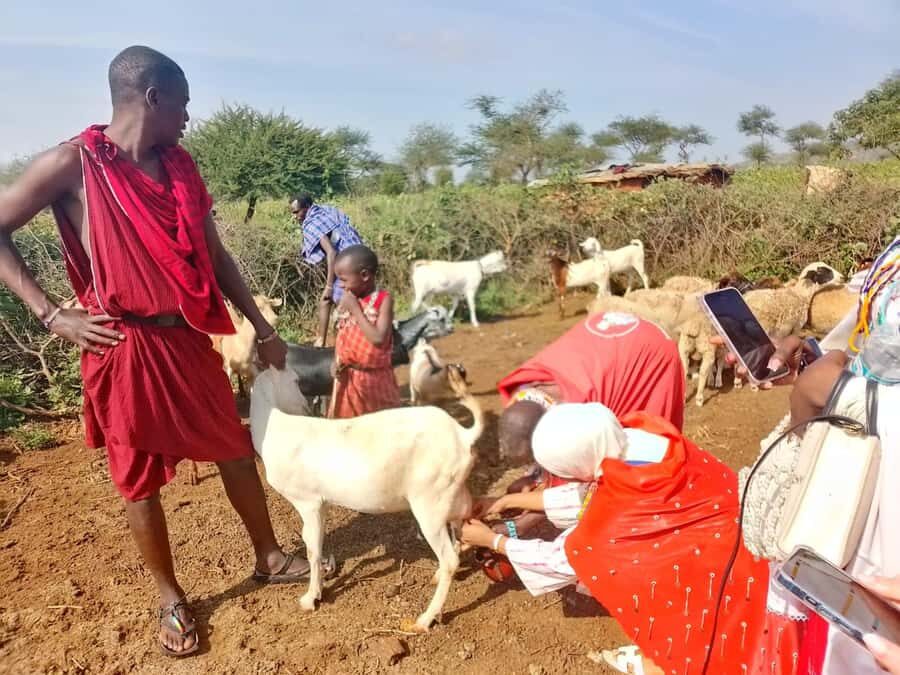
- Hands-on fire-making: Learn how fire starts without matches, then try it yourself.
- Ugali cooking with local women: You’re not just watching, you’re helping make a staple dish.
- Beadwork that connects to identity: You’ll make bead designs and get to buy handmade jewelry with support for the village.
- Manyatta tour and daily structure: Mud-and-stick homes, family roles, and how routine works inside.
- Dance, songs, and oral stories: Warriors and women share songs plus customs explained through generations.
- Optional livestock market stop on select days: You might see cattle, goats, and sheep trade as part of Maasai life.
Maasai Village day trip basics from Nairobi
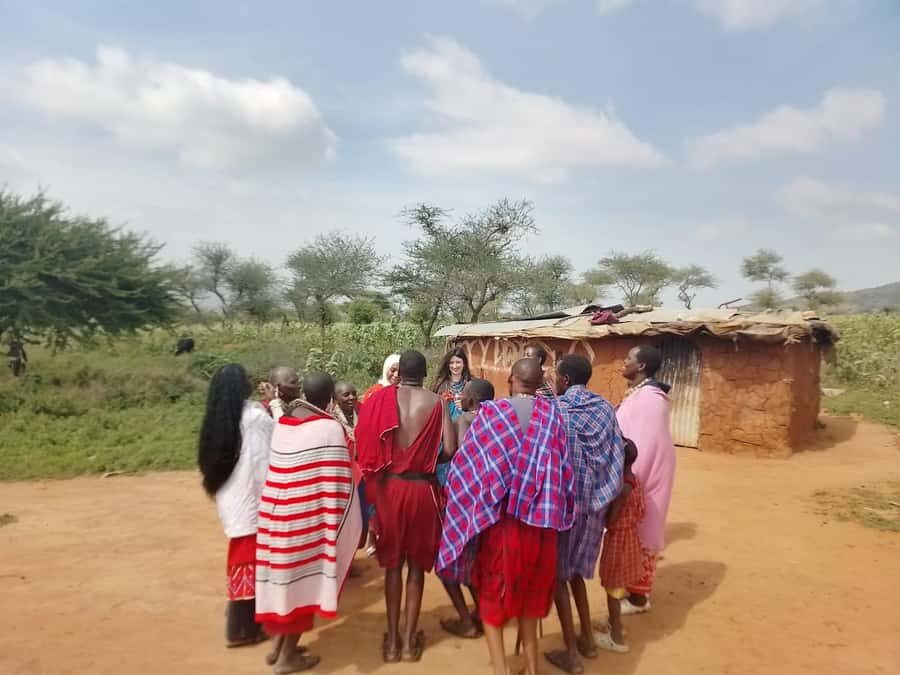
This is a 6-hour cultural day trip from Nairobi to a Maasai village in central Kenya. Expect a small group (up to 10 people), a driver and guide working in English, and a busy mix of demonstrations plus hands-on activities.
The promise is simple: you’ll learn the Maasai way of life and do more than take pictures. You’ll also get the kind of time that lets you ask questions and talk with people, not just follow a moving line.
You can also read our reviews of more tours and experiences in Nairobi.



The road time and the on-board context
Most of your day starts with pickup and a shared drive out of Nairobi. As you travel, your guide provides commentary about Kenya’s changing environments and ecosystems, plus how the Maasai fit into the broader cultural picture.
This matters because it turns the day from a “site visit” into understanding. If you pay attention to the guide’s framing, you’ll walk away with more than a performance and some photos—you’ll know what you’re looking at and why certain traditions exist.
Tip: bring a camera that’s ready fast. You’ll likely stop for photo moments, and you don’t want to be fumbling with settings the whole time.
Manyatta houses: how daily life is built around routine
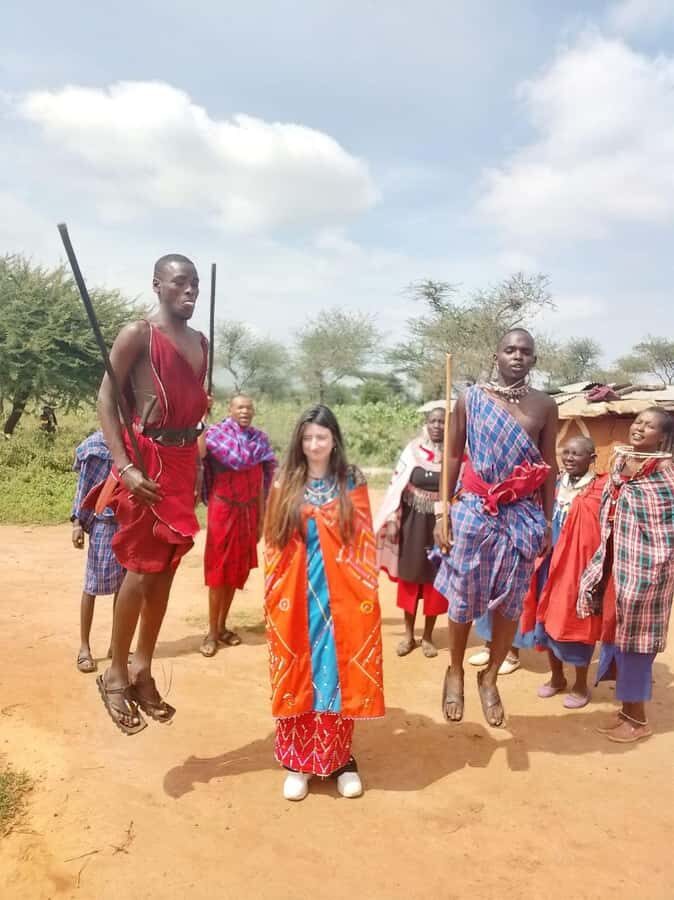
Inside the village, you’ll step into a traditional manyatta made from mud, sticks, and cow dung. The guide explains how these homes are built and how families organize daily tasks.
What I like here is that you’re seeing the logic of the setup, not just the look. The structure is practical and tied to routine, and asking questions is encouraged—so if you’re curious about how people manage comfort, storage, or chores, this stop gives you a real chance to learn.
One note: the experience isn’t described as a walk-on-flat-land kind of tour. Wear comfortable shoes and expect you’ll move around within the village area.
The welcome dance and warrior songs that set the tone
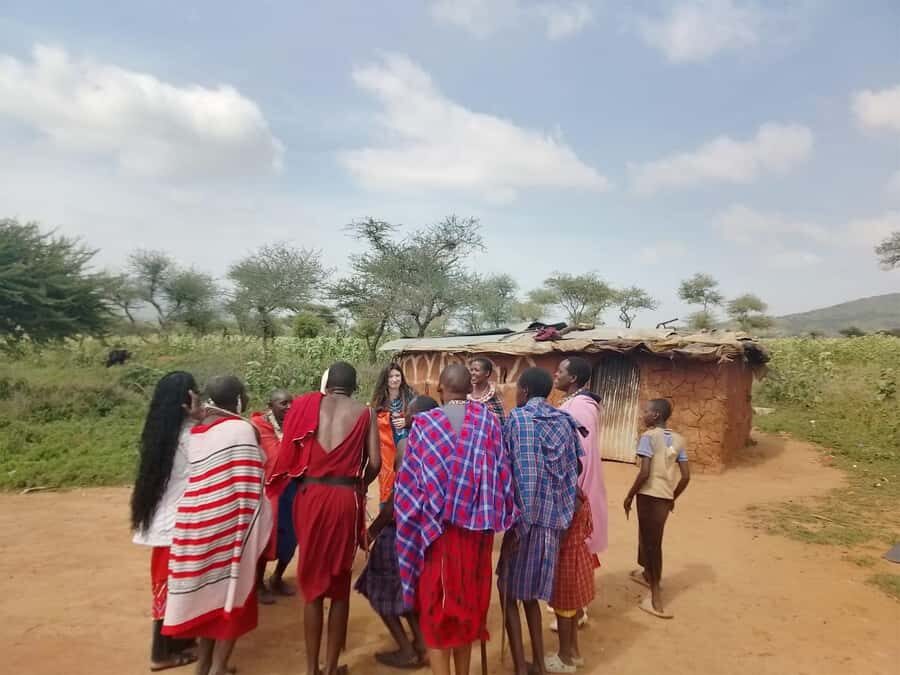
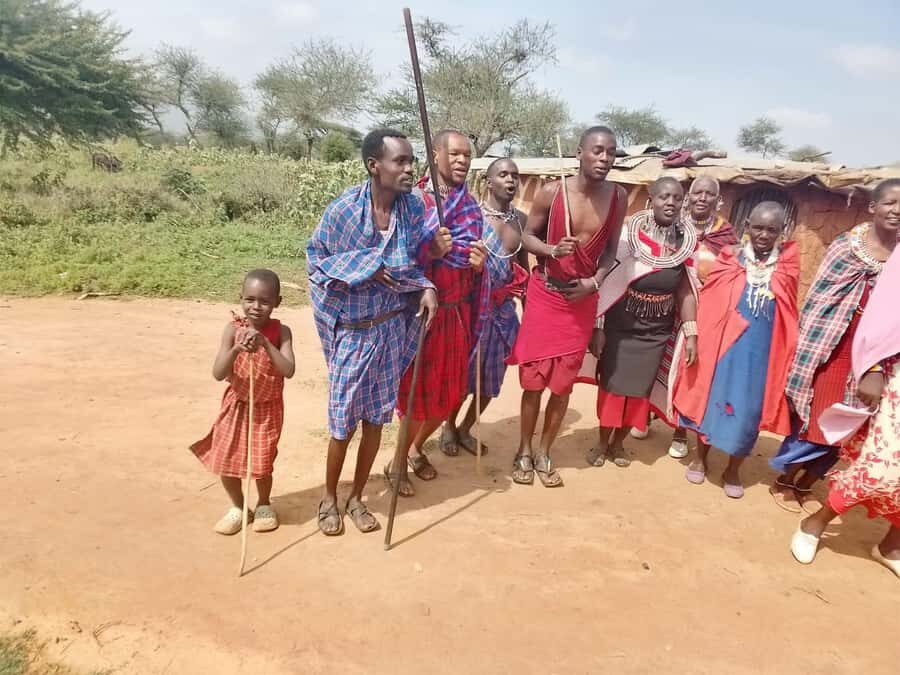
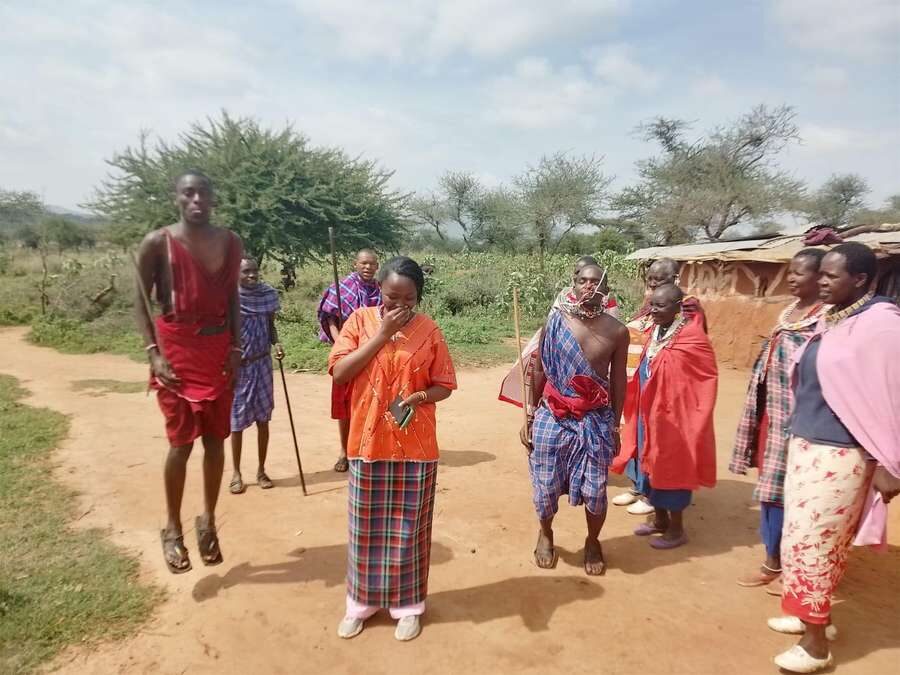
Before the practical activities, you’ll be welcomed with a jumping dance and traditional songs performed by warriors and women from the village. You’ll also hear stories passed down through generations that explain Maasai customs and beliefs.
This is the part that many people remember first—because it’s energetic and direct. If you’re open to joining in with respectful energy (and not treating it like a stage show), you’ll likely get more from it than you expect.
Also, be prepared for lots of photo opportunities. The tour description is clear that photos are part of the experience, so come ready with a clear plan: who you want to photograph, what you want to capture, and when you’ll put the camera away to actually listen.
Fire-making without matches: small skill, big meaning
You’ll learn how the Maasai start a fire without matches using traditional techniques. Then you’ll try your hand at it yourself.
This activity is more than a “cool trick.” It ties into resource awareness, patience, and how everyday needs are solved without modern tools. Even if your first attempt is awkward, you’ll get the point: this is about skill and attention, not showmanship.
Practical tip: keep your hands steady and follow instructions closely. This isn’t about speed. It’s about learning the steps the way your guide and hosts do.

Cooking ugali with local women: where the day gets real
Next up is cooking ugali, a staple Kenyan dish. You’ll cook alongside local women, and you’ll learn the process rather than watching from the edge.
I like this segment because it turns culture into something you can understand with your senses. You can smell what’s happening, feel the pacing of cooking, and get a better sense for daily food habits. If you’ve ever wondered what “staple food” means beyond a textbook, this is the kind of hands-on lesson that clears it up fast.
Another practical benefit: ugali cooking gives you a calmer rhythm compared to dance and beadwork. It’s still interactive, but you’re building something step by step.
Food note: meals and extra drinks aren’t included, so if you’re hungry later, plan ahead.
Bead-making and buying jewelry that supports the village
You’ll get hands-on experience creating intricate Maasai beadwork, an important part of identity. You’ll also have time to purchase authentic handmade jewelry, with proceeds going directly to support the village.
This is where good etiquette matters. If you enjoy craft work, ask what the bead patterns mean or why certain styles are popular. If you’re not shopping, you can still do the beadwork activity and treat the purchasing portion as optional.
Value-wise, beadwork is one of the biggest reasons this tour is more than a quick stop. You’re not just looking—you’re producing something yourself. That’s a stronger souvenir than photos alone, even if you just make a small piece.
Optional livestock market stop on select days

On select days, you may visit one of Kenya’s largest livestock markets. This is an economic and social snapshot of Maasai life, where herders trade cattle, goats, and sheep.
If your main interest is how communities sustain themselves, this can be a strong add-on. If your ideal day is strictly cultural performance and village living, you’ll still get those parts either way, but the market stop shifts the feel toward trade and logistics.
Price and logistics: what you’re really paying for
The listed price is 55 USD per person, and the admission fee is 30 USD per person (not included). In other words, plan on about 85 USD total per person before any personal extras.
That number can feel fair or frustrating depending on what you want from the day. You’re paying for:
- Nairobi hotel pickup and drop-off within the city
- a guided visit with multiple hands-on activities
- bead-making, fire-making, and ugali cooking
- traditional welcome dance, songs, and a manyatta tour
- bottled water during the tour
- a small group size (up to 10)
Where it can feel pricey is in how much time is spent on the road, and because meals are not included. Also, the experience may be more small-scale than some people expect; it isn’t positioned as a big entertainment complex.
If you come expecting a short show with lots of built-up sights, you might feel shortchanged. If you come for interaction, skill-building, and conversation, you’ll usually feel the value.
How authentic will it feel? A reality check
This is described as a secluded Maasai village where tradition remains less touched by mass tourism. That’s the goal, and it can come across clearly when you’re invited to talk and try skills like beadwork and fire-making.
That said, authenticity is partly your mindset. This experience can feel like a small community visit rather than a sprawling “village set.” If you want rows of huts, a huge visitor layout, and lots of variety on demand, you might find it simpler.
You may also encounter direct requests around community needs, like support for education. It can feel respectful and understandable when you see how your presence connects to local support. Just keep your spending and donations in your control—ask questions, then decide what you want to contribute.
What to bring (and what to wear) for comfort
The tour gives practical guidance on dress:
- Comfortable shoes (no high heels)
- Sun hat
- Camera
- Sunscreen
- Water
You’ll also want to avoid bare feet. Wear closed-toe shoes you don’t mind getting dusty.
This matters because village conditions are not like a paved city stop. You’ll be walking around and standing for parts of the day, including dance and demonstrations.
Guide style: why Ben and Jen can change your experience
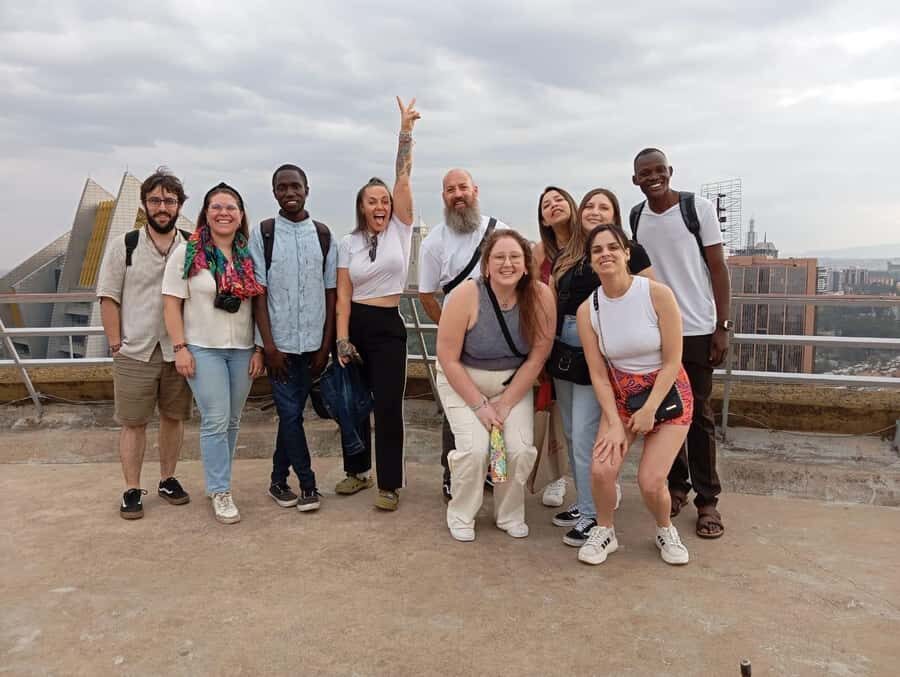
The best part of any cultural day trip is whether the guide helps you connect dots. In this case, the experience notes English-speaking guidance, and reviews highlight Ben and Jen as friendly, accommodating, and good at keeping the day both informative and respectful.
You’ll likely notice the difference in the quality of conversation. A strong guide will help you understand what’s happening during the dance, what you’re seeing in the manyatta, and how to ask questions without making things awkward.
If you’re the kind of person who likes to talk, ask your guide early which activities you can spend a bit more time on. With a group size of 10, there’s usually more room for real interaction than on big tours.
Who should book this Maasai tradition tour
This tour is a great fit if you want a structured day with real participation:
- You enjoy hands-on activities like beadwork, fire-making, and cooking
- You like cultural storytelling and questions
- You don’t mind a photo-involved day
- You want a small-group format with hotel pickup in Nairobi
It’s also a good match for first-timers who want a guided introduction to Maasai life without trying to plan transport alone.
Who might want to choose something else
Skip it—or at least think hard—if you:
- Want a long, in-depth stay in one place rather than a fast 6-hour overview
- Expect a large, built-up “tourist village” setup
- Prefer low-interaction experiences where you do the minimum talking
- Have mobility limits that make walking difficult
One detail that needs careful checking: the information includes wheelchair access language, but it also says it’s not suitable for mobility impairments and wheelchair users. Because village ground conditions and movement aren’t described in detail, I’d verify with the operator before booking if accessibility is a concern.
Should you book this Maasai Village day trip?
Book it if you want a Nairobi day that feels like participation. The hands-on mix—bead-making, fire-making, and ugali cooking—plus the dance and manyatta tour, is exactly the kind of cultural experience that gives you more than souvenirs.
Don’t book it if you’re hoping for a big, elaborate village attraction or a low-key, no-questions day. Also budget for the separate 30 USD admission fee, and remember that meals aren’t included.
If you go with respectful curiosity, come prepared for interaction and photos, and treat the skills as the main event, you’ll likely leave with stories you can tell for a long time.
FAQ
How long is the Maasai Village cultural experience?
The tour lasts 6 hours.
What is the price?
The listed price is 55 USD per person, and there is a separate admission fee of 30 USD per person that is not included.
How many people are in the group?
It is a small group limited to 10 participants.
Is hotel pickup and drop-off included?
Yes. Pickup and drop-off are included within Nairobi, and you can request pickup from any location within Nairobi after booking.
What activities are included?
The tour includes guided cultural immersion and hands-on activities such as cooking ugali, bead-making, and fire-making.
Are meals included?
No. Meals and extra drinks are not included.
What should I bring?
Bring comfortable shoes, a sun hat, a camera, sunscreen, and water.
Is it wheelchair accessible?
The information includes wheelchair access language, but it also states it is not suitable for mobility impairments and wheelchair users. Because the tour involves movement around the village, you should confirm suitability with the operator before booking.
Can I visit a livestock market?
On select days, the tour may include a visit to one of Kenya’s largest livestock markets, where livestock is traded.