REVIEW · MOMBASA
4×4 Safari in Tsavo East National Park
Book on Viator →Operated by Natural World Kenya Safaris Mombasa · Bookable on Viator
If you like lions and elephants, Tsavo East is your place. This private 4×4 safari puts you in the thick of Kenya’s big-game country, with Tsavo East National Park as the main stage and a pop-up top Land Cruiser for easier wildlife spotting.
I especially like the way the day is built around classic elephant-and-lion hotspots: Aruba Dam and the elephant magnet of Mudanda Rock. And you’re not just riding around. Lunch is included, and game viewing is the whole point from morning until late in the day.
One thing to plan for: you’ll start early (7:00 am) and likely spend close to a full dawn-to-dusk safari in the jeep, so it’s best if you’re okay with a long stretch of time on bumpy roads and waiting for animals to show up.
In This Review
- Key highlights worth getting excited about
- Tsavo East National Park: what makes it special at first light
- Leaving Mombasa at 7:00 am and getting into safari mode
- The first big goal: Tsavo East game viewing drives
- Aruba Dam on the Voi River: the waterhole magnet
- Mudanda Rock: the elephant draw you can’t ignore
- Wildlife you can realistically expect (and how to think about it)
- Lions in Tsavo East: why your guide’s eye matters
- Price and value: is $452 per person fair?
- What to pack and how to survive a long safari day
- Logistics that actually matter on a safari
- Should you book this 4×4 Tsavo East safari?
- FAQ
- What time does the safari start?
- How long is the 4×4 safari?
- Is pickup available from Mombasa and nearby areas?
- Is this a private tour?
- What’s included with the price?
- Will I see elephants and lions?
- Are binoculars provided?
- What happens if the weather is poor?
Key highlights worth getting excited about
- Private pop-up 4×4 Land Cruiser for better viewing angles
- Aruba Dam on the Voi River with lots of animals gathering around water
- Mudanda Rock and its natural-dam setting that draws big elephant numbers
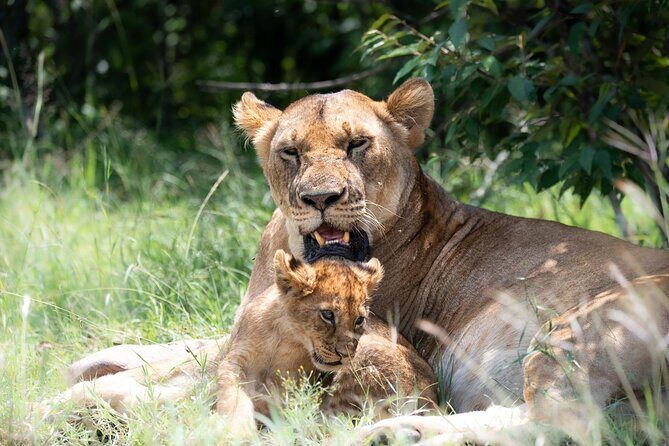
- Tsavo lions in this ecosystem (famously close to 700 lions)
- Lunch included to keep you fueled during the long game drive
- Experienced local guides named include Jackson, Ezekiel, Saidi, and Alex
Tsavo East National Park: what makes it special at first light
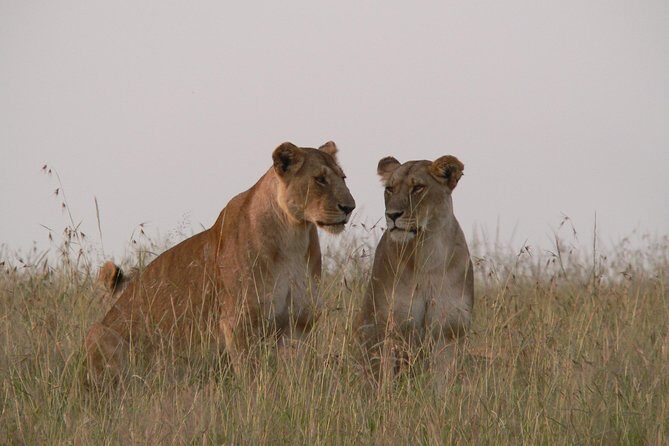
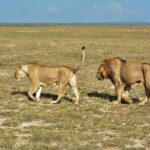
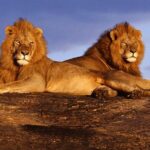
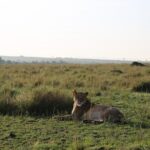
Tsavo East is one of Kenya’s biggest wildlife stages, with a reputation for serious animal density. The big headline is lions—this ecosystem is known for close to 700 lions, so you’re not just hoping for a glimpse. You’re going in with a park that’s built for lion sightings.
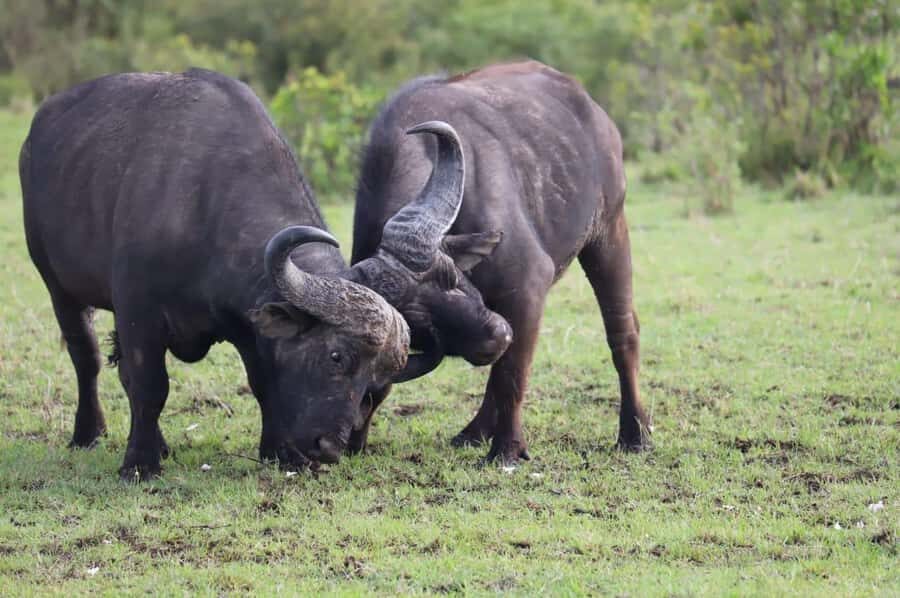
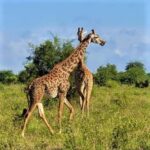
What keeps it interesting is the variety you can get in one outing. You’re likely to see large mammals like elephant, buffalo, giraffe, antelope, and warthog. Then there’s the smaller stuff too: baboons and birds, plus the constant movement of animals responding to water and food.
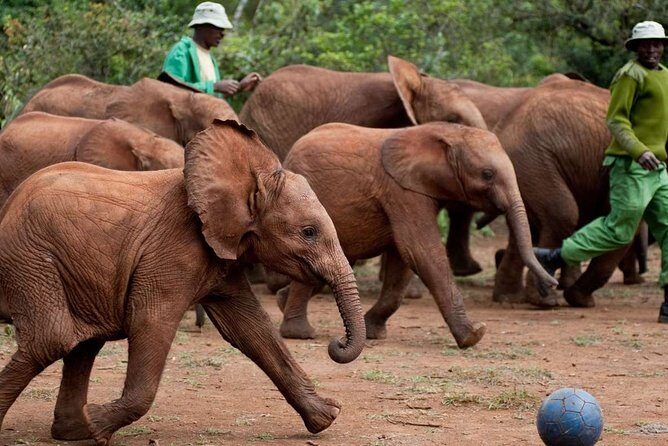
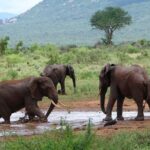
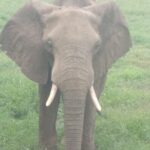
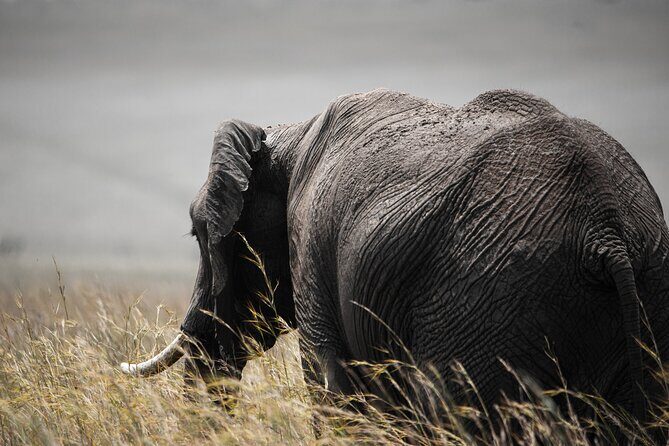
And yes, the dust-red drama is real. Elephants are often seen wallowing, rolling, or foraging—basically doing all the things you imagine elephants would do when nobody bothers them.
A few more Mombasa tours and experiences worth a look
Leaving Mombasa at 7:00 am and getting into safari mode
This tour is designed for people staying around Mombasa and the north coast. Pickup can cover Mombasa Island and the Mombasa Port area, plus Kilifi, Bamburi, and nearby beach resorts. Start time is 7:00 am, and you’ll return to the same general pickup/return area when the safari wraps.
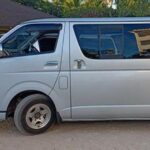
The vehicle matters. You’ll ride in a private pop-up top 4×4 Land Cruiser, which is great for spotting animals at distance and getting better views when the jeep stops on the roadside. The private setup also helps you stay flexible, since your driver/guide can adjust the pace based on what’s moving.
The one practical consideration: you’ll be up early. If mornings are your thing, great. If you’re not a morning person, plan for a slower start the day after.
The first big goal: Tsavo East game viewing drives
Your main time on the ground is a dedicated game viewing experience in Tsavo East National Park East. The driving style is about patience and positioning. Your guide will scan for movement, then take the jeep to the right place at the right moment so you’re not just watching from far away.
You should expect a dawn-to-dusk pace, roughly 6 hours for the main outing. That timing isn’t random. Animal activity often climbs as the day gets warmer and as water sources draw wildlife. The longer you’re out, the more chances you have to catch animals in different behaviors—feeding, resting, and moving between water and shade.
It also means you’ll want to pack like you’re on a long drive: sunglasses, a hat, sunscreen, and something light for the heat. If you’re the type who enjoys photos, bring a steady habit too—turn the camera on when you see movement, not after.
Aruba Dam on the Voi River: the waterhole magnet
One of the best-known stops is the Aruba Dam on the north bank of the seasonal Voi River. This is the kind of place that turns your eyes into radar. Thousands of animals come here, so when the action starts, it can feel like the entire park is moving toward one point.
Why water makes this location valuable: animals don’t wander randomly. They follow what keeps them alive. When a dam is functioning as a reliable water source, you get repeated opportunities to see different species. That can mean elephants in big groups, other herbivores working through the edges of the area, and predators showing up when prey is active.
In plain terms, Aruba Dam helps your day feel like a safari instead of a long drive. You’re not waiting in limbo as much—you’re going to a known meeting point.
Mudanda Rock: the elephant draw you can’t ignore
Another standout is Mudanda Rock, a whale-backed rock that towers above a natural dam. The natural-dam setting makes it a draw for elephants in large numbers.
This is where you can get some of the most memorable elephant moments. When elephants gather, you often see wallowing and rolling—plus quieter time spent foraging in the area. Even if you’ve seen elephants before, there’s a difference when you’re watching how they use the terrain and water in one focused area.
The rock itself helps with viewing. Elevated features can give you a sense of scale—elephants move like slow thunder, and the ground looks busy even when it seems calm. If your goal is to see elephants up close, this stop is a strong reason to choose this safari.

Wildlife you can realistically expect (and how to think about it)
Tsavo East is known for variety, so you’re not stuck with only one animal theme. Based on what the safari is set up to deliver, here are the kinds of wildlife you can look out for:
- Elephants (often in dust-red herds around water)
- Lions (this ecosystem is famous for them)
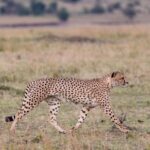
- Cheetah and other predators you might spot if conditions line up
- Giraffe, buffalo, and multiple antelope types
- Warthog, ostrich, and plenty of birds
- Baboons around activity zones
Here’s how I suggest you set expectations: think of the safari as a set of chances. Water stops like Aruba Dam improve your odds for multiple species. Terrain draws like Mudanda Rock improve your odds for elephants. Lion sightings depend on timing and movement, but this is a park where lion density is part of the reason tours run this route.
You’ll get the best results if you let your guide do the searching. Your job is to watch where the guide points and to stay ready when things change.
Lions in Tsavo East: why your guide’s eye matters
Tsavo lions are a big part of the park’s reputation, and your success with lions is tightly linked to who’s driving. In the names shared for this safari, guides like Jackson, Ezekiel, Saidi, and Alex are described as friendly, punctual, and strongly focused on finding animals.
In practice, that means you benefit from a guide who understands how animals move through the ecosystem—where to look and when to pause. It’s not just spotting a lion in the distance. It’s reading the park: movement patterns, animal reactions, and timing around water and open areas.
If lions are your top reason for booking, don’t treat the day like a checklist. Treat it like a search with good odds. The longer your game drive window, the more time you have for the kind of moment you came for.
Price and value: is $452 per person fair?
At $452 per person, this safari isn’t a budget add-on. It’s closer to a “you’re paying for convenience and quality time” choice.
Here’s what you’re getting that justifies the price for many people:
- Private safari in a pop-up top 4×4, not a shared bus experience
- Pickup from several Mombasa/north coast resort areas
- Lunch included, which matters on a day that runs close to full daylight
- Admission ticket free, so the park entry piece isn’t another cost you have to juggle
- A guided game viewing focus from morning to late day
The best way to judge value: compare what you’d spend for a private vehicle plus park access plus a full-day driver on your own. With this setup, you’re buying a ready-made plan with the main wildlife targets baked into the route.
If you’re traveling as a small group, private safari value usually gets better, since you’re not splitting a departure with strangers and you get more flexibility in how your driver takes breaks and positions the vehicle.
What to pack and how to survive a long safari day
You’ll be on safari for about 6 hours, starting at 7:00 am. That’s enough time for heat to build and for conditions to change as the sun rises. Pack with that in mind:
- Sun protection: hat, sunglasses, sunscreen
- Light layers: morning can feel cooler than midday
- Water bottle and snacks only if your provider’s lunch isn’t enough for you personally (lunch is included)
- A camera strap you trust, since you’ll be snapping photos on stops
Also, bring patience. Big animals don’t show up on a schedule. Your guide will do the legwork with scanning and repositioning, and you’ll get the rewards when animals move into view—especially at water and elephant-draw locations.
Logistics that actually matter on a safari
This experience includes a mobile ticket, which is convenient on the day. Pickup is near public transportation, which can help if you’re organizing your own ride to the start point.
It’s also a private tour/activity, meaning only your group participates. That’s not just a comfort perk. Private makes it easier to take photos without everyone crowding the same viewing angle and easier to keep conversations focused while the guide scans.
Weather is a real factor. The experience requires good weather, and if it’s canceled due to poor weather, you’ll be offered a different date or a full refund.
Should you book this 4×4 Tsavo East safari?
I think this is a smart choice if you want a focused safari day without overplanning. Tsavo East is built around big wildlife viewing, and this itinerary targets two of the most reliable elephant-focused locations: Aruba Dam and Mudanda Rock. Add in a private pop-up top 4×4, lunch included, and admission covered, and you get a straightforward day that’s easy to say yes to.
Book it if:
- You want lions and elephants as top priorities
- You prefer private game viewing with more control over your pace
- You’d rather pay for a complete plan than assemble drivers, tickets, and route on your own
Skip it (or consider another option) if:
- You’re not comfortable with an early 7:00 am start and a long time in the jeep
- You’re traveling only for a short window and can’t do the full dawn-to-dusk schedule
FAQ
What time does the safari start?
The tour starts at 7:00 am.
How long is the 4×4 safari?
It runs about 1 to 6 hours, with a dawn-to-dusk experience noted around 6 hours.
Is pickup available from Mombasa and nearby areas?
Yes. Pickup and return are offered from Mombasa Island/Mombasa Port, Kilifi, Bamburi, and the North Coast beach area resorts.
Is this a private tour?
Yes. It’s a private tour/activity, and only your group participates.
What’s included with the price?
Lunch is included, and the admission ticket is listed as free. A mobile ticket is also provided.
Will I see elephants and lions?
Tsavo East is known for both. The tour highlights wildlife including lions and elephants, plus other animals such as giraffe, buffalo, cheetah, warthog, ostrich, baboons, and birds.
Are binoculars provided?
Binoculars were mentioned as provided in the experience details from customer feedback.
What happens if the weather is poor?
The experience requires good weather. If it’s canceled due to poor weather, you’ll be offered a different date or a full refund.