REVIEW · MOMBASA
4 Days Tsavo West, Amboseli and Tsavo East National Park Safari
Book on Viator →Operated by Natural World Kenya Safaris Mombasa · Bookable on Viator
Three parks in four days is a rare pace. This safari layers Tsavo West’s rhinos and lava scenery with Amboseli’s elephant herds and Mt. Kilimanjaro views, then finishes with Tsavo East’s watering-hole action. The drive itself is part of the deal too, with regular stops along the Mombasa–Nairobi highway.
I also like how the day plans build in early wildlife time. Expect pre-breakfast game drives and long enough stretches in each park to actually watch behavior, not just tick boxes. And in private setups, I love the way guides like Henry and Danson focus on finding animals and lining you up for photo angles.
One thing to consider: rest stops can include tourist shops, and you may feel a bit pushed to buy. Also, the trip depends on good weather, so if visibility drops, your sightings plan could shift.
In This Review
- Key safari highlights
- Tsavo West, Amboseli, and Tsavo East in Four Days: the big idea
- Getting from the coast: pickups, highway timing, and your energy budget
- Day 1 in Tsavo West: rhino sanctuary, lava beds, and small-creature sightings
- Day 2 in Amboseli starts with Mzima Springs: hippos at the waterline
- Day 3 early drive in Tsavo East: lions, cheetah, hyena, and red-dust elephants
- Day 4 Tsavo East watering holes: Mudanda Rock and Aruba Dam
- Private jeeps, guide styles, and why the driver can make or break it
- Price and value: what $2,235 per person buys you
- Best for (and not for) your travel style
- Practical tips to make the most of every day
- Should you book this Tsavo West–Amboseli–Tsavo East safari?
- FAQ
- Where does this safari start?
- How long is the safari?
- Is the safari private?
- What parks are included?
- Are park fees or admission included?
- What meals are included?
- Does the tour include a guide and game drives?
- Does it include pickup and a mobile ticket?
- What if the weather is bad?
- What is the cancellation policy?
Key safari highlights
- Rhino sanctuary in Tsavo West: a protected enclosure inside the wider park system.
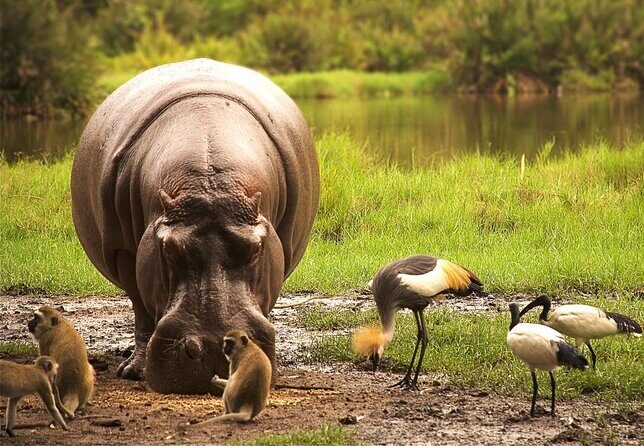
- Mzima Springs walk-by-the-water: shaded banks with hippos, crocodiles, birds, and fish down at the springs.
- Mt. Kilimanjaro in the background: possible summit views from early starts and Amboseli’s position.
- Pre-breakfast wildlife time: more focused animal activity when the light is still cool and crisp.
- Tsavo East watering holes: Mudanda Rock and Aruba Dam gather lots of species at the same life-sustaining water.
- Private-group driving with strong spotting: guides such as Henry, Danson, Omar, and Saidi are repeatedly praised for sharp animal-spotting.
Tsavo West, Amboseli, and Tsavo East in Four Days: the big idea
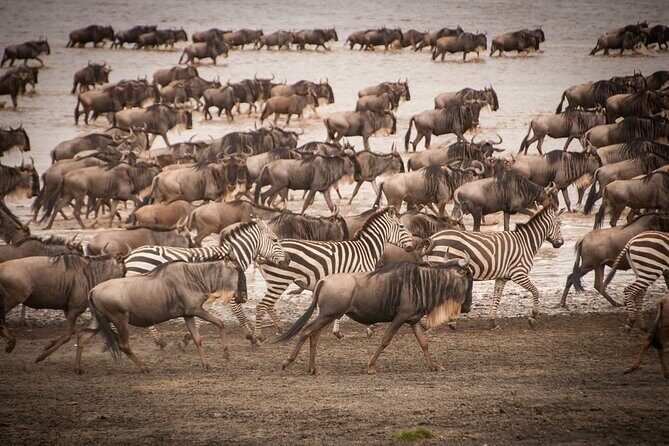
This is the kind of safari where you feel Kenya changing in your window. You start in Tsavo West with rolling savannah and volcanic features, shift to Amboseli at the foot of Mt. Kilimanjaro where elephants roam in numbers, then end in Tsavo East, where the terrain is tougher and the animals often feel more exposed and reachable.
What makes this route work is the balance between variety and repetition. You get morning game drives for consistent wildlife viewing, and you also get time tied to key water and habitat zones, like Mzima Springs and Tsavo East watering holes. In other words, it’s not just “drive and hope,” which is what you want when you only have four days.
If you like being in a private jeep, this plan also fits that style well. The schedule is set up so your guide can adjust to animal movement while still hitting the big landmarks.
A few more Mombasa tours and experiences worth a look
Getting from the coast: pickups, highway timing, and your energy budget
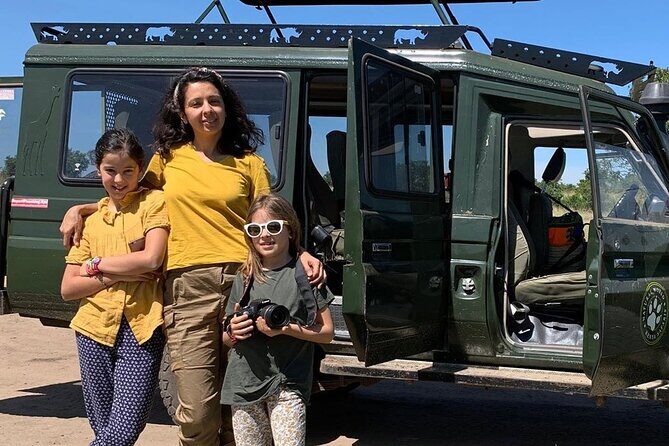
The safari kicks off with pickup from your beach hotel or resort in Mombasa, with a start time listed at 7:00 am. Then you head along the Mombasa–Nairobi highway. Expect countryside scenery, farms, and a few stretch-and-refresh stops along the way.
This matters more than it sounds. For a safari run like this, your energy is your “luxury.” The best days tend to be the ones where you arrive at each park with calm momentum and good hydration, not after a rushed start. So I’d treat the highway time as part of the experience, but also pack like you might be sitting for long stretches.
Also keep in mind you’re traveling between parks. That means you’ll spend some hours in transit, especially on travel days. On the plus side, those road segments give your guide time to set expectations for what you might see that day and keep the rhythm smooth.
Day 1 in Tsavo West: rhino sanctuary, lava beds, and small-creature sightings
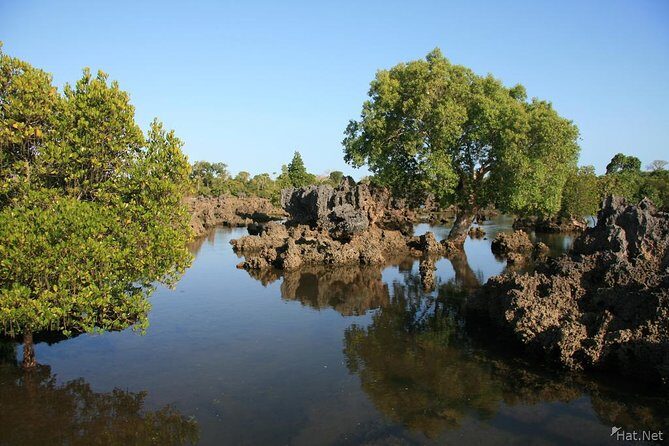
Tsavo West National Park West is a strong opener because it offers variety fast. After pickup and the highway drive, you’ll go into game drives over rolling hills and grassy savannah. You’ll also pass volcanic lava beds and reach pockets of rich oases, so you’re not staring at one flat type of terrain all day.
This is also the day built around a major conservation site: a 90 sq. km rhino sanctuary inside Tsavo West. Even without getting into a lot of technical detail, the value is simple. A dedicated protected enclosure means rhinos have a safer space where your guide can focus your time in the right area.
And don’t ignore the smaller stuff. In Tsavo West, your game drives aren’t only about the big mammals. You might spot creatures like bushbaby, lesser kudu, and dik-dik. I like that approach because it helps you see the ecosystem as more than a target list.
Possible drawback on Day 1: you’ll still be warming up to the rhythm. If you’re prone to motion sickness, take that seriously for the first day since the jeeps can bounce over dirt tracks. Bring water and plan for dust. Your guide will handle driving, but your comfort comes from your prep.
Day 2 in Amboseli starts with Mzima Springs: hippos at the waterline
Day 2 is split into two very different wildlife experiences, and that makes it one of the most satisfying days on the itinerary.
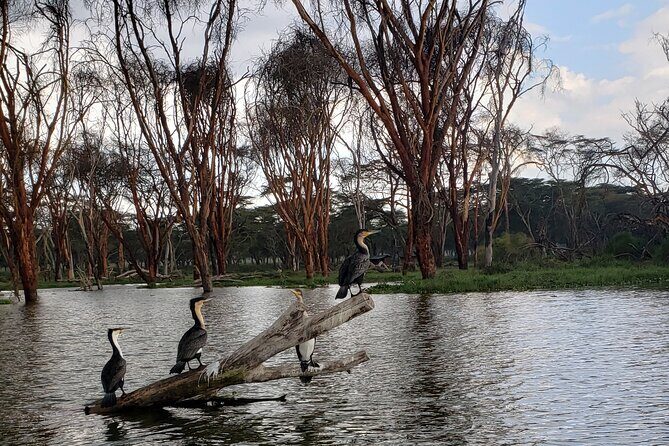
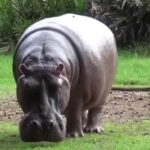
First up is Mzima Springs. The tour includes time at the spring-fed water area, and you’ll explore shaded banks on foot. This is one of those places where wildlife feels close because water acts like a magnet. You might see hippo, crocodile, exotic fish, and birds. Zebra and giraffe can also show up drawn to the water.
Here’s why this stop is so valuable: it breaks up the day from “open savannah scanning.” At Mzima Springs you can focus on behavior—how animals use the water, how they move along the edges, how the birds react. It’s a calmer form of viewing compared with constant tracking for larger predators.
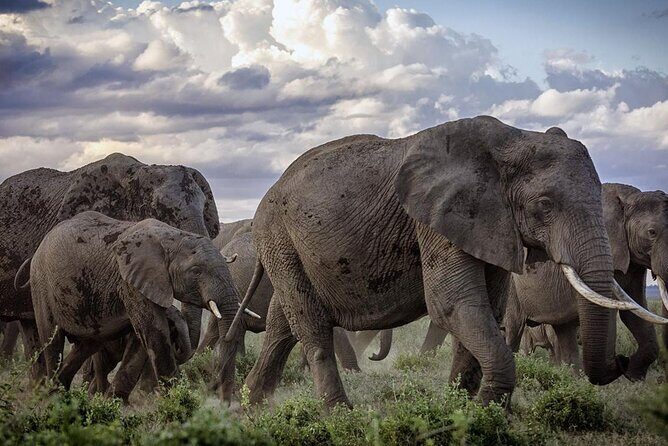
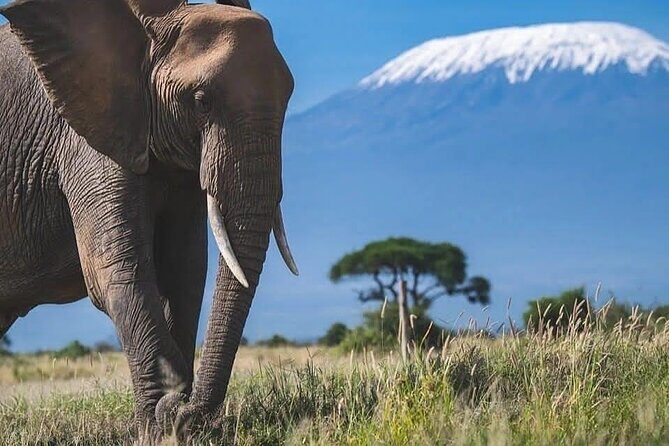
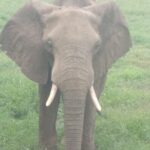
After Mzima, you travel toward Amboseli. The schedule notes that you may be able to spot Mt. Kilimanjaro as the peak appears on the horizon, and that early mountain silhouette is a real emotional payoff. Then you head into game viewing in Amboseli itself, where elephants are the headline attraction. This is also a good day to slow down and watch herd patterns rather than chasing one moment.
If you’re a photographer, I’d pay attention to the light shifts after you leave the morning water stop. Early light can be great for animal activity, while the mountain backdrop often looks best when haze is minimal. If your guide like Henry, Danson, or Omar is especially alert, you’ll get more of those good angles.
Day 3 early drive in Tsavo East: lions, cheetah, hyena, and red-dust elephants
Day 3 starts early. You’ll rise for a pre-breakfast game drive, and there’s a chance of a clear view of Mt. Kilimanjaro’s white-capped summit. Even if you don’t get a perfect summit view, the timing still matters because early wildlife behavior is often more active.
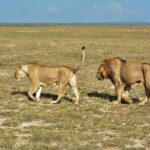
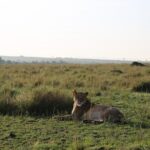
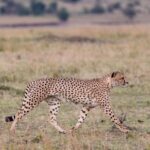
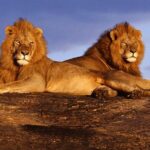
After that, you’ll have safari breakfast, then you’ll go into a final game drive as you depart. This is where the day aims at big predator energy—looking for lion, cheetah, and hyena—while you also say goodbye to the elephants of Amboseli.
Then the route turns rugged: you head to Tsavo East National Park, described as Kenya’s largest park. Tsavo East often feels more open and sparse in places, which can make spotting easier once your eyes adjust to the terrain.
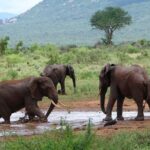
A key detail is the mention of red-dust elephants. Tsavo East elephants are known for dust patterns and the way they use their environment, including rolling in the red oxide dust. That kind of “signature” helps you tell where you are, even before you see the full scene.
If you’re hoping to see predators, Tsavo East timing is important. You want hours where animals are moving and hunting activity is possible. That’s why starting the day with early driving is a smart structure for only four days.
A few more Mombasa tours and experiences worth a look
Day 4 Tsavo East watering holes: Mudanda Rock and Aruba Dam
Day 4 is about water. You get up early again, then enjoy wildlife as it appears into the light. Afterward, breakfast is timed back into the schedule, and then you visit famous watering holes in Tsavo East such as Mudanda Rock and Aruba Dam.
This is where the safari’s “communal space” concept becomes real. Watering holes concentrate animals. Different species share the same life-sustaining resources, and you get a more layered viewing experience: grazing animals arriving, predators watching from distance, and birds using the edges.
You’ll also get a final push toward the coast. The itinerary notes about a 3-hour trip back to Mombasa, so you end with less of a marathon and more of a clean close to the wildlife days.
One practical consideration: by this point, you’ll have done several early mornings. Plan your last day like a professional—hydrate, keep a light snack ready, and don’t overpack your camera gear. You’ll still want photos, but you also want time to actually watch.
Private jeeps, guide styles, and why the driver can make or break it
In a safari, logistics matter—but not in the usual hotel sense. What matters is how your driver positions the jeep, how quickly they spot movement, and how well they manage “time on target.”
That’s where the reviews’ praise shows a pattern. People repeatedly mention guides and drivers such as Henry, Danson, Saidi, Omar, Abdul, and others being punctual and careful. More than that, they’re praised for animal-finding skill—eyes that catch motion quickly—and for getting you into good viewing angles without rushing you off once you’re set.
A few specific guide moments from reviews that can help you set expectations:
- Guides like Henry are praised for answering questions and positioning the car for the best view and photo angle.
- Danson is praised for deep animal and bird knowledge, plus guiding you to “secret spots” within the parks.
- Saidi and Omar are praised for friendly, knowledgeable guiding and for keeping you safe on rough tracks.
- Some communication before the trip is noted as strong, including help coordinating transfers around Mombasa from guides like Kennedy.
Since this is a private tour, you should feel comfortable asking questions. If something is unclear—how much walking is involved, when you’ll stop for restrooms, what time the light will be best—your guide can usually help you adjust in real time.
Price and value: what $2,235 per person buys you
At $2,235 per person, this isn’t a budget safari. But it also isn’t trying to be. For the money, you’re paying for a four-day circuit across three major parks, with private-group driving, multiple early mornings, and park-focused viewing rather than a quick-hit route with fewer hours inside each area.
Here’s how to judge value for this specific itinerary:
- You’re getting three parks in a short time. That’s expensive in time and fuel, but it’s also why many people book it: you see multiple habitats and wildlife personalities without needing a longer vacation.
- You’re getting special stops tied to real wildlife concentration points. Mzima Springs and Tsavo East watering holes are not interchangeable “scenery stops.” Water access changes how animals behave.
- You’re likely getting a lot more attention per hour because the tour is private. Even if two people share the jeep, your guide can still focus on your pace.
Two things you should check before you commit (without getting lost in paperwork):
- Ask what’s included for your exact comfort level and night setup, because reviews include details like camping-style moments and bonfires with guides in some cases. The core day-drive structure is consistent, but night arrangements can vary by package.
- Ask how restroom and shop stops are handled. One review calls out that toilet stops involve tourist shops with less choice on food and drink, plus pestered sales. That doesn’t ruin the safari, but it changes the vibe.
If you want a “best value” safari, this route can be it when you prioritize wildlife time in Tsavo West, Amboseli, and Tsavo East rather than saving money by reducing days or cutting out one of the parks.
Best for (and not for) your travel style
This safari is a strong fit if:
- You want a classic big-game route with a mix of elephants, predators, and water-focused viewing.
- You like structure: early drives, planned stops, and a guide who keeps the day moving.
- You value private guiding and want to ask questions as you go.
It might be less ideal if:
- You prefer a very relaxed trip with minimal driving time. This itinerary includes travel segments between parks and a few long sessions in the jeep.
- You hate shopping pressure at stops. If you’re sensitive to that, you’ll want to set expectations with your guide early.
Practical tips to make the most of every day
A few practical choices can dramatically improve your safari comfort and viewing:
- Bring a dust strategy: light layers you can manage, plus sunglasses and something for your nose/mouth if you’re dust-prone.
- For early starts, sleep well the night before each morning. Pre-breakfast drives are often when wildlife activity peaks.
- Keep your camera ready but don’t trap yourself behind it. The best sightings sometimes come when you look away for a second, then refocus as your guide calls attention to movement.
- If you’re hoping for Kilimanjaro views, understand that weather and visibility control a lot. Early timing helps, but you can’t force clouds away.
Also, since the experience requires good weather, you should be flexible. If weather is poor, you may be offered a different date or a full refund instead.
Should you book this Tsavo West–Amboseli–Tsavo East safari?
I’d book this if you want a compact Kenya wildlife trip that actually covers key areas instead of rushing past them. The “why” is clear: Tsavo West brings the rhino sanctuary and varied habitat, Amboseli adds the elephant spectacle with Mt. Kilimanjaro on the horizon, and Tsavo East finishes with predator odds and watering-hole concentration.
Skip or reconsider if you strongly dislike long driving days or you know you’ll be bothered by restroom stops that involve tourist shops. In that case, ask your guide how they handle breaks and whether there’s any flexibility.
If you’re on the fence, your best next step is simple: choose the kind of safari you want—water-focused, predator-focused, or elephant-and-mountain focused—and see how well this itinerary matches it. For many people, it hits the sweet spot: three parks, real rhythm, and guides who pay attention.
FAQ
Where does this safari start?
It starts with pickup at your beach hotel or resort in Mombasa, with a listed start time of 7:00 am.
How long is the safari?
The duration is 4 days (approximately).
Is the safari private?
Yes. It’s listed as a private tour/activity, meaning only your group participates.
What parks are included?
The itinerary covers Tsavo National Park West, Amboseli National Park, and Tsavo National Park East.
Are park fees or admission included?
The schedule shows admission tickets as free for the park activities listed, and one final return activity notes admission ticket included. Exact inclusions beyond that are not fully detailed here.
What meals are included?
The tour includes breakfast (2), lunch (3), and dinner (2). The day-by-day meal notes include lunch and dinner on Day 1, breakfast, lunch, and dinner on Day 2, and breakfast and lunch on Day 4.
Does the tour include a guide and game drives?
Yes. The itinerary includes multiple game drives in the parks, plus walking time at Mzima Springs on Day 2.
Does it include pickup and a mobile ticket?
Yes. Pickup is offered, and mobile tickets are part of the experience.
What if the weather is bad?
The experience requires good weather. If it’s canceled due to poor weather, you’ll be offered a different date or a full refund.
What is the cancellation policy?
Free cancellation is available up to 24 hours in advance for a full refund. If you cancel less than 24 hours before the start time, the amount paid isn’t refunded. Changes within 24 hours aren’t accepted.