REVIEW · MOMBASA
4-Day Tsavo East West and Amboseli National Park from Mombasa
Book on Viator →Operated by Maasai mara safaris tours and travel · Bookable on Viator
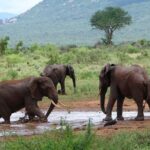
Red elephants and Kilimanjaro in four days. I like how this route strings together Tsavo East, Tsavo West, and Amboseli without wasting time. I also love that your days are built around full-board lodge stays and guided game drives that keep you focused on wildlife.
One thing to consider: lodge quality and guide language can be hit-or-miss. I’d plan to confirm basics like warm water and reliable power, and ask about your guide’s language before you commit.
In This Review
- Key highlights to watch for
- Tsavo East’s Aruba Dam: red elephants and the man-eaters’ country
- Tsavo West and Ngulia Safari Lodge: rugged lions and Poacher’s Lookout vibes
- Amboseli by way of Mzima Springs: hippos in clear water and elephant herds
- Amboseli’s last morning and the drive into Nairobi
- Private transfers and rolling game drives: where the value really comes from
- Lodges and guide quality: the comfort check you should do
- How to get the most out of Tsavo East, Tsavo West, and Amboseli
- Who should book this safari, and who should pause
- Should you book 4-Day Tsavo East West and Amboseli from Mombasa?
- FAQ
- Where does the safari start and where does it end?
- Which national parks are included?
- How many nights and meals are included?
- Is this tour private?
- Is pickup offered, and do you get transport in each park?
- What animals and key sights should I plan around?
- Are park admissions included?
- How much does it cost and how far ahead is it usually booked?
- What is the cancellation policy for a full refund?
- Is a German-speaking guide guaranteed?
Key highlights to watch for
- Aruba Dam in Tsavo East: a magnet for animals, right when game viewing is most productive
- Maneless lions in Tsavo West: rugged plains and acacia country with strong predator chances
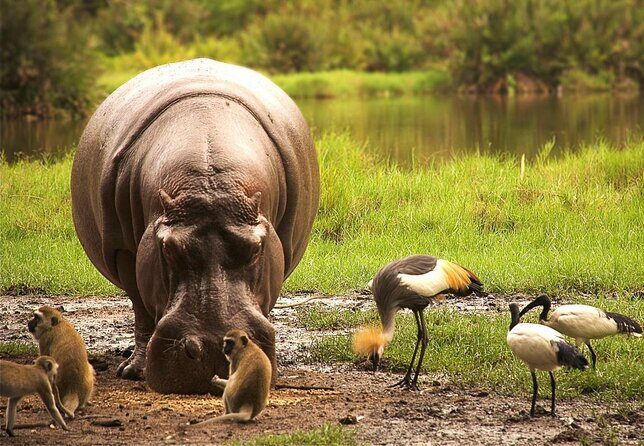
- Mzima Springs for hippos: clear-water pools where you can spot wildlife close to the viewing areas
- Kilimanjaro views from Amboseli: big-sky scenery plus some of Kenya’s most famous elephant country
- Private, just-your-group safari style: less waiting, more control of how the day plays out
- Guide effort matters: one guide named Eric is specifically noted for pushing hard to find lots of animals
Tsavo East’s Aruba Dam: red elephants and the man-eaters’ country
Your safari starts with a straightforward transfer out of Mombasa toward Tsavo East. You’re aiming to arrive in time for lunch and check in, then get out on the road while the light is still good. Tsavo East is one of Kenya’s classic “big game” settings, and it’s also tied to the famous man-eater story for which Aruba Dam is part of the folklore.
The afternoon game drive focuses on areas where animals gather for water. Aruba Dam is the key stop here, and it matters because safari spotting is often a timing game: when water is the main draw, you tend to get more concentrated sightings. That’s exactly what makes this day feel efficient. Instead of spending hours just getting to wildlife, you land in the middle of where wildlife already tends to be.
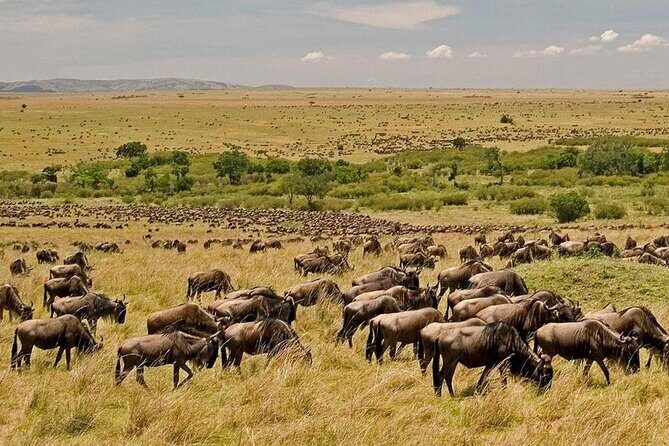
Tsavo East also brings variety. Expect a chance at elephants and predators in the same day, plus the usual mix of grazers and birds. The park is known for big herds moving across regions, and the abundance of animal activity near water gives you a better chance of stacking sightings back-to-back. If you’re serious about photos, this is the kind of park day where you’ll want your camera ready and your expectations tuned to short bursts of action.
Practical tip: bring binoculars if you have them. When animals cluster at water points, being able to scan quickly helps you catch behavior changes before they move too far away.
A few more Mombasa tours and experiences worth a look
Tsavo West and Ngulia Safari Lodge: rugged lions and Poacher’s Lookout vibes
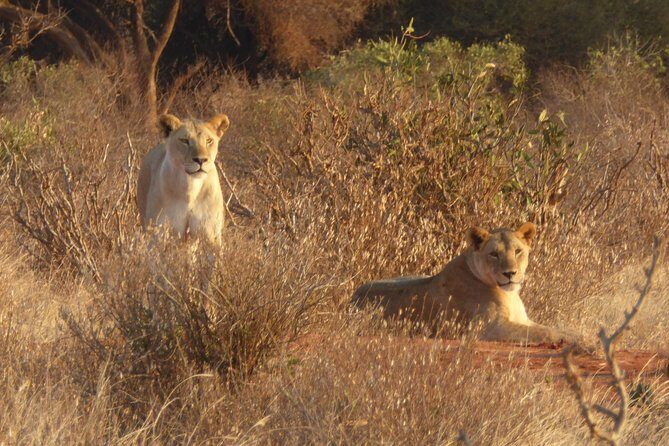
Day two shifts you from Tsavo East into Tsavo West. The route is part of the safari experience. Tsavo West feels more rugged and open in feel, with a mix of grasslands, scrub, acacia woodland, and rocky ridges. That mix is helpful because it supports different hunting and movement patterns—so you’re not just watching one kind of terrain.
You arrive for lunch and check in at Ngulia Safari Lodge, then you have time to relax before the afternoon drive. The timing is important: this drive is about two hours, which is long enough to find wildlife, but not so long that you can expect every sighting to be a guarantee. Your best approach is to treat this as the kind of drive where you ask questions, stay attentive, and let your driver’s local knowledge do the heavy lifting.
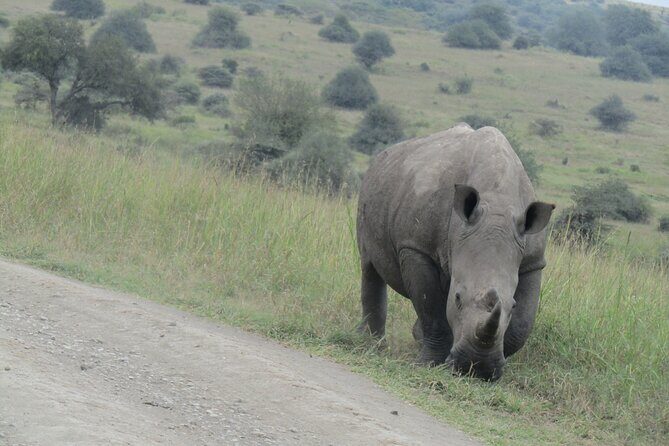
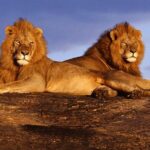
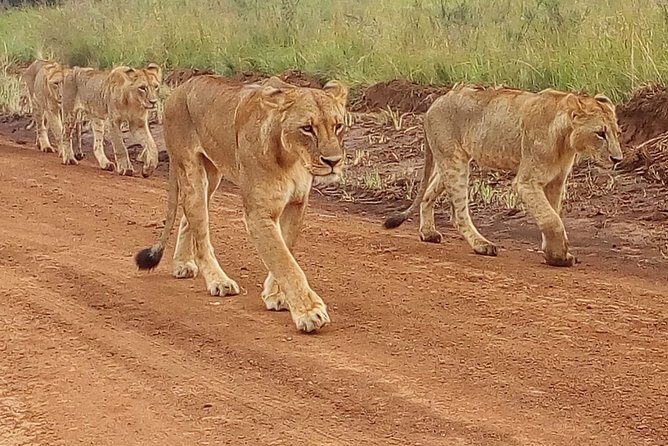
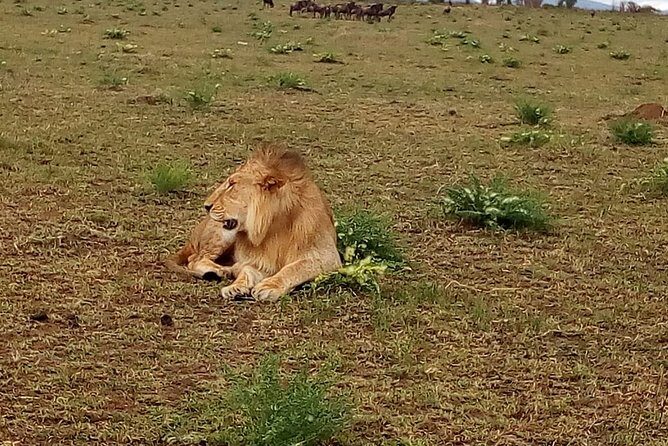
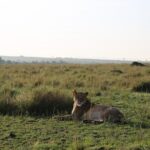
Tsavo West is also where you’re looking specifically for the lions known in the park for their lack of manes. That alone makes this day worth it if you’ve never seen maneless lions before. The park is also known for strong viewing opportunities for elephants, rhinos, hippos, cheetahs, and leopards, along with buffalo and other big game.
One other detail that makes Tsavo West feel more rewarding is the viewpoint culture. A place like Poacher’s Lookout is built for seeing large herds in the plains below. Even when you don’t get an immediate predator moment, being able to understand the scale of what’s happening in the distance is part of the “wow” factor here.
Practical tip: wear layers. Morning and late-day temperatures can shift, and safari vehicles don’t always regulate comfort the way a city car does.
Amboseli by way of Mzima Springs: hippos in clear water and elephant herds
Day three is where the safari connects you to Kenya’s most iconic elephant-and-mountain pairing. You head toward Amboseli National Park via game driving, but you don’t just rush through the day. You build in a stop at Mzima Springs, which is one of the best-known places in the region to look for hippos near clear water.
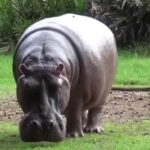
Mzima Springs are made up of multiple natural springs that feed a series of pools and rapids. What makes it special for wildlife watching is the clarity of the water and the way the springs function like a stable habitat. In plain terms: hippos like it there, and your viewing experience is often much easier than trying to guess where water is in darker, messier terrain.
After Mzima Springs, you join the onward security convoy and continue to Amboseli. You arrive in time for lunch, then you get afternoon game drives with a big emphasis on elephants. Amboseli is famous for big herds, and it’s also famous for the view—Mount Kilimanjaro rising in the background. Even if clouds change what you see, the park’s setting is still a major draw because you’re watching wildlife with a mountain centerpiece.
This is also a day where patience pays. Elephant herds can move slowly, and predators can be quiet for long stretches. If you give yourself the full afternoon game drive, you typically have enough time for at least one or two memorable moments, even if the action rhythm is different from day one.
Amboseli’s last morning and the drive into Nairobi
Your final day is a classic safari-to-city transition: early breakfast, check out, then you head toward Nairobi. You still go out on game drives on the way, so you’re not losing the chance to spot wildlife just because the trip is ending.
In the end, you’ll be dropped at your selected hotel in Nairobi. If you’d rather continue onward to the coast, you can request a return back to Mombasa when booking. That flexibility is helpful if your travel schedule is already tight.
This day isn’t about hitting every single park highlight. It’s about finishing strong while keeping the logistics simple. If you’re the type who hates last-minute airport chaos, this kind of pre-planned drop-off is one of those small things that makes the whole trip feel smoother.
Private transfers and rolling game drives: where the value really comes from
The price is $1,012.50 per person, and the tour is often booked about 30 days in advance. That may sound steep at first, but you’re paying for a bundle: three nights of full-board accommodation (breakfast, lunch, and dinner each day), private transportation, and guided game drives across three major parks.
What you’re really buying is reduced friction. Instead of coordinating separate park entry schedules, separate driver logistics, and separate lodging moves, you let the route do the work. You also get the advantage of a private setup, meaning only your group participates. In practical terms, that usually means less waiting around for other people’s preferences and a clearer plan for when you’re on the road.
One note on admissions timing: admission ticket handling is different across days. Aruba Dam is specifically included on day one, Mzima Springs is included on day three, and some park times are listed as free depending on the day. You’ll want your operator to confirm exactly what’s included for your dates, but the structure is set up to cover key sights.

Lodges and guide quality: the comfort check you should do
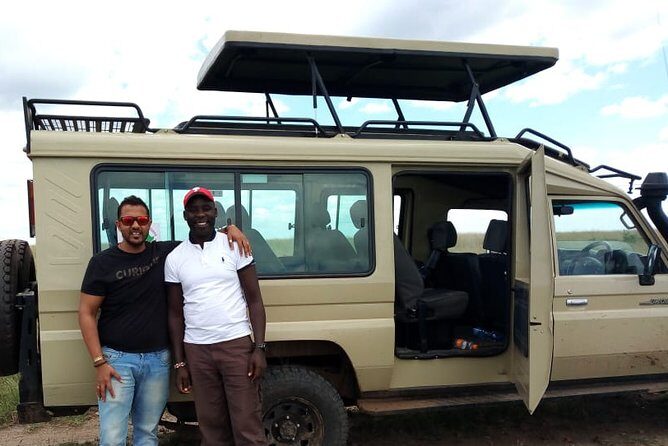
This is the part you shouldn’t leave to chance. The itinerary uses lodges inside each park, which is exactly what makes a safari feel “real” instead of just driving through. But lodge condition isn’t always uniform.
I’d make sure you confirm the basics like warm water and whether there’s reliable electricity/power where you’ll stay. One past booking highlighted issues such as lodges being run-down in places and missing warm water or power. That can turn a relaxing evening into a frustration, so ask before you arrive.
On the upside, guide effort can make a big difference. A guide named Eric is mentioned for being very committed to seeing as many animals as possible and for working to get close viewing opportunities. If your guide brings that kind of drive, you’ll feel it in the pace of the game drives and how often the vehicle slows for signs of activity.
Practical tip: when you book, tell the operator what you care about most—big cats, elephant herds, or specific sightings. Then ask who the guide will be and what language support is available.
How to get the most out of Tsavo East, Tsavo West, and Amboseli
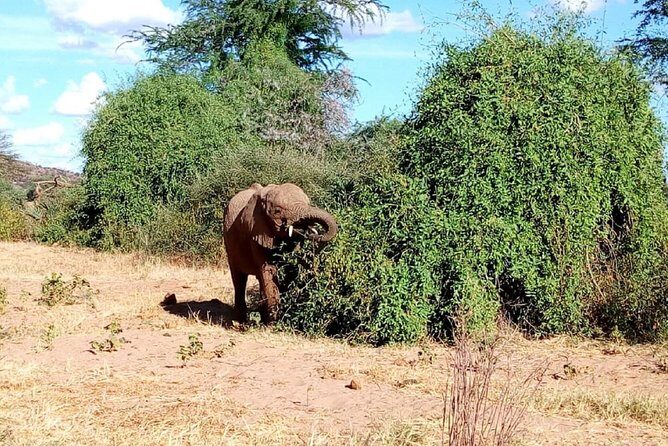
You can’t control what animals do. But you can control how ready you are when they do.
Here’s what tends to work best on a tight four-day circuit like this:
- Stay flexible during drives. Shorter drives still produce sightings when your driver is actively scanning.
- Use the water points. Aruba Dam and Mzima Springs are built for this. Your odds improve when you’re where animals already choose to be.
- Treat mountains and sunsets as bonus, not the main plan. Kilimanjaro views in Amboseli are great, but your primary win is wildlife.
- Pack for sun and dust. Daytime game drives can be intense. Bring sun protection and something that handles dusty roads.
- Ask for the story. Even when you’re focused on animals, the parks’ background changes how you notice behavior and habitat.
If you’re coming from Mombasa, your first day is your easiest morale booster. Tsavo East can deliver that “we’re in the real thing now” feeling fast, especially once you’re at Aruba Dam.
Who should book this safari, and who should pause
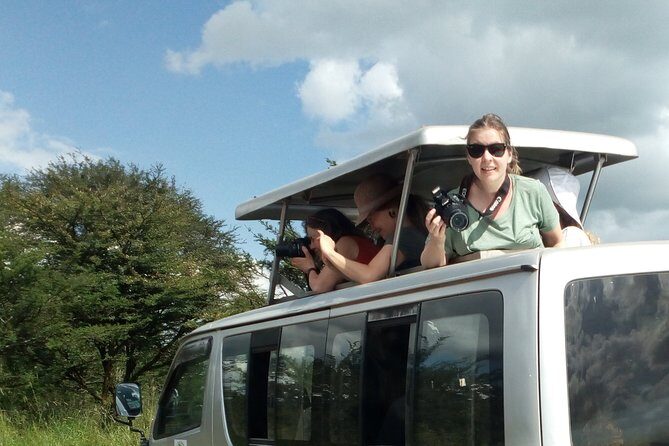
This trip is a strong match if you want:
- A first-time Kenya safari that covers major parks in a short time
- A wildlife-focused itinerary built around elephants, lions, and hippos
- A private-group experience with transfers and full-board lodging handled for you
- The combination of Tsavo’s classic predator country plus Amboseli’s elephant-and-Kilimanjaro views
You might want to think twice if:
- Lodge comfort is a top priority and you need guaranteed warm water and dependable power
- You have a specific language requirement for your guide, since language support isn’t clearly guaranteed in the tour info
Should you book 4-Day Tsavo East West and Amboseli from Mombasa?
I think this safari is worth it for the right traveler. The route is efficient, the animal-watching anchors are real (Aruba Dam, maneless lions in Tsavo West, and Mzima Springs), and the full-board lodge setup reduces stress. For many people, the biggest payoff is that you’re not just “passing through” parks—you’re sleeping in them and running proper game drives in multiple ecosystems.
My main “do this before you go” advice is simple: confirm lodging maintenance and your guide language needs. If those boxes are checked, you’re set up for a memorable circuit where the parks earn their reputation.
FAQ
Where does the safari start and where does it end?
The safari starts in Mombasa and ends in Nairobi, with drop-off at your hotel in Nairobi.
Which national parks are included?
You visit Tsavo East National Park, Tsavo West National Park, and Amboseli National Park.
How many nights and meals are included?
The package includes three nights of full-board accommodation, with breakfast (3), lunch (3), and dinner (3).
Is this tour private?
Yes. It’s described as a private tour/activity, and only your group participates.
Is pickup offered, and do you get transport in each park?
Pickup is offered from your Mombasa-based hotel. You also get private transportation throughout, including a driver who picks you up from your lodge for game drives.
What animals and key sights should I plan around?
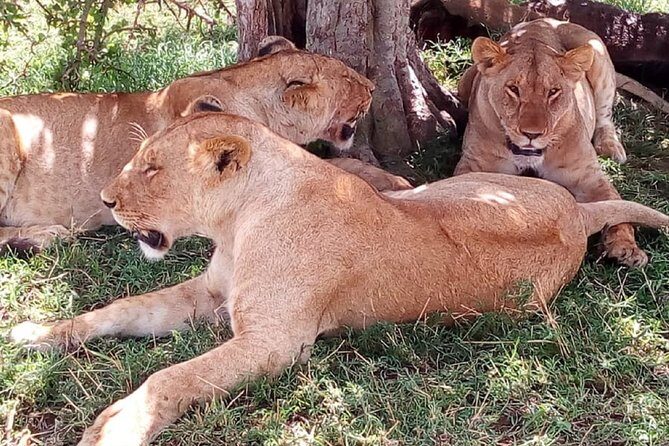
You’re set up for elephants, lions, buffalo, and hippos, with specific highlights including Aruba Dam in Tsavo East, maneless lions in Tsavo West, and hippo viewing at Mzima Springs. Amboseli also offers views of Mount Kilimanjaro.
Are park admissions included?
Admission ticket handling is listed for key stops: Aruba Dam is included on day one, and Mzima Springs is included on day three. Some park time is listed as free on certain days.
How much does it cost and how far ahead is it usually booked?
The price is $1,012.50 per person, and it’s booked on average 30 days in advance.
What is the cancellation policy for a full refund?
You can cancel up to 6 days in advance of the experience for a full refund.
Is a German-speaking guide guaranteed?
The tour info doesn’t state language guarantees. One past experience noted that there was no German-language guide as booked, so you should confirm language support when you book.