REVIEW · MOMBASA
4 Days Mount Kenya Trekking
Book on Viator →Operated by Rupia Adventure · Bookable on Viator
Four days, one big summit. I like this trek for its Point Lenana goal and its Sirimon route feel-good rhythm: walk in forests, step into open heath country, then finish with a sunrise summit push.
What I really like is the overall “we’ve got you” setup. You get a guide for safety, plus camp accommodation, meals, and hotel transfers, so you spend your energy where it belongs—on the trail. And the group stays small (maximum 3 people), which makes the day-to-day pace feel more personal.
One thing to plan for: cold camp nights. Even with a good support team, you’ll need real warm layers for sleeping at altitude.
In This Review
- Key points worth knowing before you go
- Why Point Lenana on the Sirimon Route is a smart 4-day goal
- Getting from Nairobi to Sirimon Gate without logistics stress
- Day 1: forest climbing to Old Moses Camp (3,300 m)
- Day 2: Ontulili River, moorlands, and the views from Mackinders Valley (4,200 m)
- Day 3: the 3 a.m. push to Lenana, then a fast recovery descent
- Day 4: rainforest walking and back to Nairobi
- Fitness reality check: challenging, but built for fit walkers
- Camps, meals, and staying warm at altitude
- Price and what your $800 really covers
- The kind of people who’ll enjoy this most
- Should you book this Mt. Kenya trek to Point Lenana?
- FAQ
- How high do you reach on this trek?
- How long is the Mount Kenya trek?
- What route do you take up the mountain?
- How many people are in the group?
- Is pickup included, and how does transport work?
- What accommodation and meals are included?
- What if weather is bad or I need to cancel?
Key points worth knowing before you go
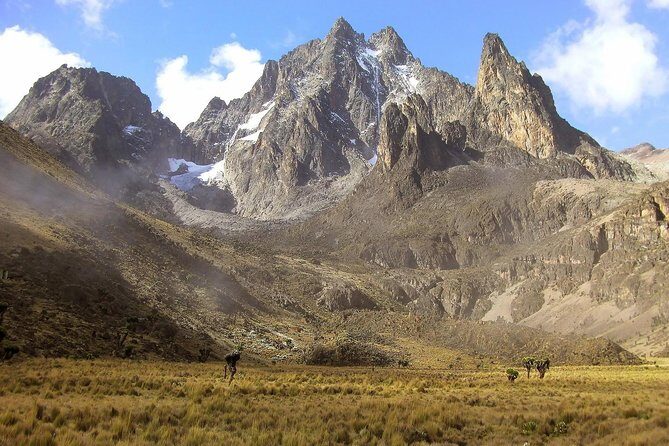
- Point Lenana, 16,059 ft (4,895 m): a true high point, not just a long walk
- Sirimon route: montane forest turns into heath land and moorland as you climb
- Small-group limit (3 travelers): easier to manage pace, breaks, and gear questions
- Early morning summit start (about 3 a.m. on Day 3): expect a steep, stony climb
- Three nights mountain camping with meals included
- Guide-led safety and coordination: transfers and logistics handled from Nairobi
Why Point Lenana on the Sirimon Route is a smart 4-day goal
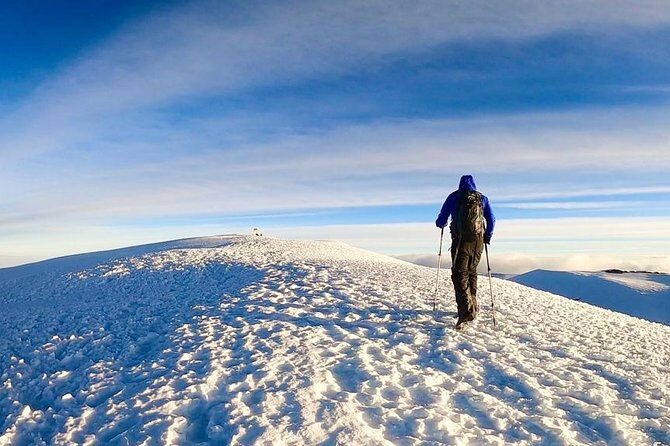
Mount Kenya has big-ticket elevations, but this trek keeps the plan tight and practical. You’re working toward Point Lenana, one of the mountain’s three summits, and you’ll be climbing through changing ecosystems instead of slogging through the same view for days. That matters because your brain stays engaged, even when your legs get tired.
I also like that the route choice is built around a steady progression. Starting at Sirimon Gate and moving up through forest, then heath and moorland, helps you adapt day by day. It’s still challenging, but it doesn’t feel random.
The biggest consideration is pacing around altitude and cold. You’ll be high early, and you’ll sleep cold at the camps. If you’re not used to mountain nights, this is where preparation helps the most.
You can also read our reviews of more hiking tours in Mombasa

Getting from Nairobi to Sirimon Gate without logistics stress
You meet at 7:00 a.m., and the day begins with a drive to Nanyuki for lunch. The trip to Nanyuki takes about 4 hours, then you continue to Sirimon Gate, roughly another hour at about 2,440 m. This is one of the real values here: you’re not trying to figure out transport, timing, or where to be when.
Once you reach Sirimon Gate, the trail starts gently and then steadily works upward. The track winds through forest before it transitions into heath land after about 3 hours. That forest-to-heath shift is a nice clue that your elevation game is progressing.
On a small trek like this, the handoff from vehicle to trail matters. When it’s smooth, you feel like the day starts clean instead of wasting energy on confusion.
Day 1: forest climbing to Old Moses Camp (3,300 m)

Day 1 is about getting into motion and building rhythm. After lunch and Sirimon Gate, you follow the trail uphill through forest, then the vegetation changes as you gain height. About 3½ hours from the gate, you veer right to Old Moses Camp at 3,300 m for dinner and overnight.
What makes this day useful is that it sets expectations. Forest walking tends to feel steadier—more shade, softer footing than the rocky zones you’ll later hit. You’ll still climb, so it’s not easy, but it’s a good introduction to altitude without immediately going for the hardest angle.
Sleep at Old Moses Camp is your first real “mountain reality check.” You’re high enough that nighttime can get very cold, so take warmth seriously. One review notes that nights are extremely cold, and it’s a reminder to pack clothing you trust for sleeping—not just for walking.
Day 2: Ontulili River, moorlands, and the views from Mackinders Valley (4,200 m)
Day 2 begins after breakfast and keeps you climbing. You follow the track uphill, and at a junction you fork left. About an hour after Old Moses Camp, you cross the Ontulili River, then you continue right, contouring through moorland.
As you move through the moorland, you’ll cross Liki North and keep gaining height. The reward comes when you reach Mackinders Valley, where you get panoramic views up the valley toward the main peaks.
This is one of the more mentally satisfying parts of the trek. Instead of just watching your feet, you can look up the line of the mountain and see where you’re headed. If you’re the type who stays motivated by milestones and sightlines, Day 2 does a lot of that work for you.
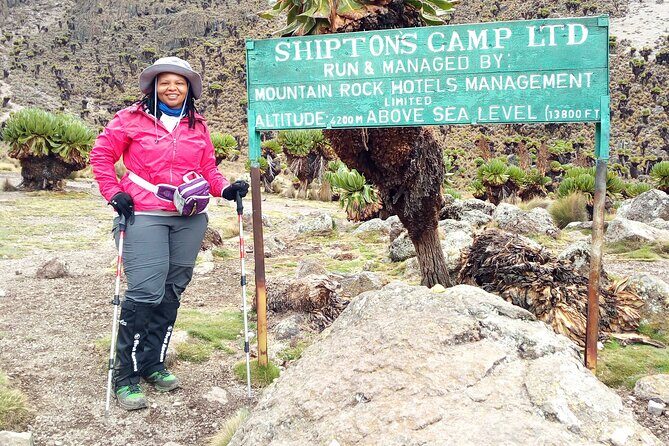
You finish the day at Shipton Camp (4,200 m) for dinner and overnight. This camp is your staging point for the Day 3 summit push, so don’t treat it like a casual overnight.
Day 3: the 3 a.m. push to Lenana, then a fast recovery descent
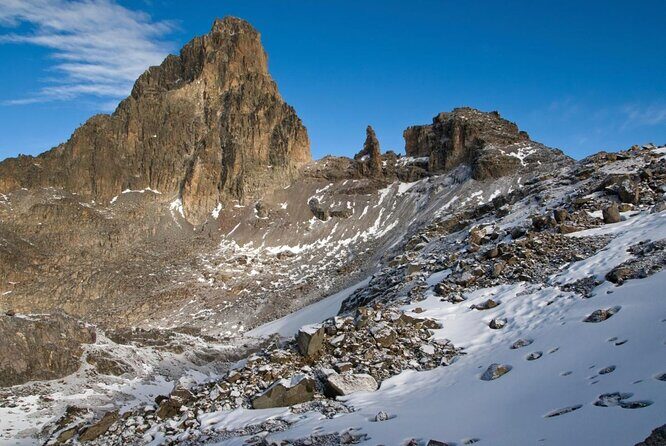
Day 3 is the day most people remember. You leave at about 3 a.m., then start a steep, stony section that feels like it means business. The route goes through a steep quarry cut through a cliff, and there are visible features toward lower Hall Tarns as you head for Point Lenana.
You arrive around 6 a.m. after about 3 hours of climbing. After sunrise, you descend to Shipton Camp in roughly 2 hours for breakfast. Then you keep going down another 4 hours to Old Moses Camp for dinner and overnight.
A few practical notes for this day. Going up early usually means it’s cold and you’ll want steady breathing. The stony quarry section is demanding on ankles and knees, so careful foot placement matters. And after summit success, you’re not done: the long Day 3 descent can feel surprisingly tiring even when your adrenaline is still high.
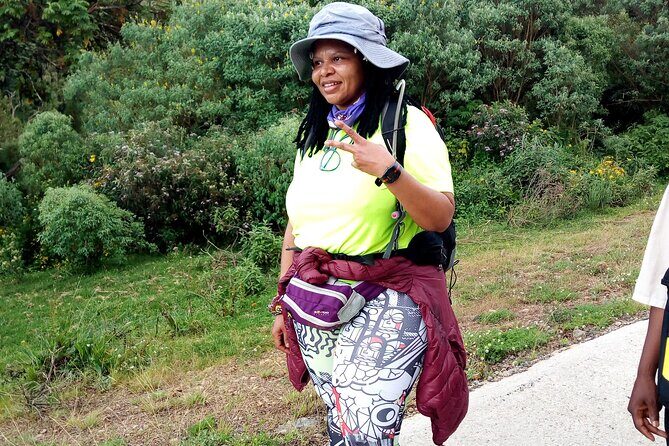
This is also where the support team makes a visible difference. One guide named Michael (from a previous Rupia Adventure trek) was described as strong and good at sharing information about Mount Kenya and local place names. That kind of guidance helps you focus on what to do next, not just what’s hard.
A few more Mombasa tours and experiences worth a look

Day 4: rainforest walking and back to Nairobi
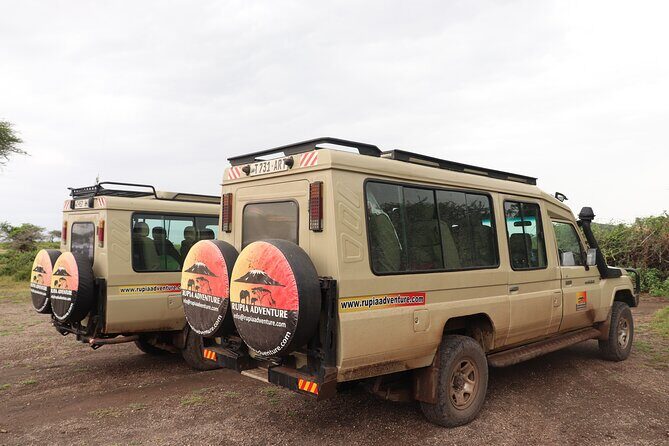
On Day 4, you walk down after breakfast through rainforest for about 2 hours. Then you connect with your transport vehicle back to Nairobi.
This day has a different feel than the previous three. You’re still moving on mountain terrain, but you’re not climbing toward a summit anymore. The rainforest section can be a welcome shift—cooler, greener, and usually easier on the mind than exposed high zones.
By the time you’re back, you’ll likely feel a mix of satisfaction and relief. A good trek ends with clean logistics, and this one finishes with transport waiting for you.
Fitness reality check: challenging, but built for fit walkers
The trek is described as challenging but enjoyable for fit walkers. That’s honest. You’ll be walking uphill for long stretches, and Day 3 has the steep early climb plus a big total descent day.
Most people can participate, but the key is being ready for altitude and cold. The itinerary has you at 4,200 m overnight and then at 4,895 m on summit day. If you tend to get winded on stairs, this will still be a workout. If you’ve done long hiking days at elevation before, you’ll likely feel more comfortable with pacing.
Think about your hiking habits now. If you usually walk briskly for 60 to 90 minutes at home, you’re closer than you think. If you rarely do hills or long walks, you’ll want some preparation in the weeks before.
Camps, meals, and staying warm at altitude
You’ll have three nights’ mountain camp accommodation included, plus meals. That’s a big deal for value, because camp logistics can be a headache when you book components separately.
Meals during the trek also keep you from making hard ration decisions on the trail. You’ll follow the schedule of dinner and breakfast at the camps, which helps you plan energy without guessing.
Now the part people often underestimate: sleep temperature. One review specifically warned that nights at the camps remain very cold. So bring layers you can actually sleep in, not just a warm jacket for daytime. If you’ve only packed for warm cities, plan to upgrade your mountain-cold setup before you go.
Price and what your $800 really covers
At $800 per person, the price is easiest to judge by what you’re not doing yourself. You’re paying for a guided, supported climb with accommodation, meals, and hotel transfers rolled in. There’s also pickup offered and a mobile ticket included, which helps reduce last-minute friction.
Also consider the small group size. With a maximum of 3 travelers, the trek doesn’t feel like a conveyor belt. That can matter when you need a slower pace, extra time for photos at a viewpoint, or a quick answer about gear.
Is it cheap? No. But for a 4-day summit attempt with mountain camping and end-to-end coordination from Nairobi, it looks like a fair value if you’d otherwise spend time and money cobbling together separate arrangements.
The kind of people who’ll enjoy this most
This trek fits hikers who want a true summit goal without going full mountaineer. If you’re comfortable hiking uphill for several hours, you’ll likely enjoy it. If you like the idea of walking through different zones—forest, heath, moorland—and then waking up for sunrise on top, this itinerary matches that craving.
It’s also a good choice for people who value a calm plan. The experience is set up to be safe and hassle-free, with guiding and support built into the schedule.
One group-related consideration: since it’s max 3 people, it won’t feel social in a crowd. If you’re hoping for a party vibe, you might want a different style of trek. But if you like a smaller team, that’s where this one shines.
Should you book this Mt. Kenya trek to Point Lenana?
Book it if:
- you’re fit enough for steep walking and a very early start on Day 3
- you want an organized plan with camps, meals, and transfers handled
- you like sunrise summit moments and changing scenery across the climb
Skip or think twice if:
- cold nights make you miserable and you haven’t packed appropriately
- you struggle with altitude or long descents on tired legs
- you want something that feels more relaxed day to day
If you’re on the fence, here’s the simplest way to decide: ask yourself whether you want the satisfaction of reaching Point Lenana in a 4-day window, and whether you’re willing to train your body for the early, steep Day 3 effort.
FAQ
How high do you reach on this trek?
You trek to Point Lenana, which is listed as 16,059 feet (4,895 meters).
How long is the Mount Kenya trek?
It runs for 4 days (approx.).
What route do you take up the mountain?
You use the Sirimon route, starting from Sirimon Gate and moving through forest, heath land, and moorland before your summit push.
How many people are in the group?
The group maximum is 3 travelers.
Is pickup included, and how does transport work?
Pickup is offered, and the trek includes hotel transfers between Nairobi and the trail start/finish.
What accommodation and meals are included?
You get three nights of mountain camp accommodation, plus meals during the trekking days.
What if weather is bad or I need to cancel?
The experience requires good weather. If it’s canceled due to poor weather, you’ll be offered a different date or a full refund. For cancellations, you can cancel up to 24 hours in advance for a full refund, and within 24 hours the amount you paid will not be refunded.