REVIEW · MOMBASA
Mombasa: Tsavo East Ngutuni Sanctuary Overnight Safari
Book on GetYourGuide →Operated by Frenzy Adventures Limited Kenya · Bookable on GetYourGuide
Tsavo East Ngutuni is a small-time safari that feels big. You’re based at Ngutuni Safari Lodge with a waterhole view, then you get three game drives in the Ngutuni Sanctuary for classic sightings like elephants, giraffes, buffalo, zebra, and antelope. It’s a smart way to do serious wildlife viewing without turning your whole trip into a road marathon.
I especially like the lodge setup. Rooms have balconies aimed at the waterhole, and meals can come with the kind of animal-watching that makes you forget to check your phone. Another strong point is the driver-guide experience, with real safari pros like Walter, Amin, and Abdullah showing up in past groups and bringing clear explanations in multiple languages.
One caution: early pickups and long drives are part of the deal. Expect a 5:00 AM start from Diani Beach or 6:00 AM from Mombasa/Kilifi/Watamu/Malindi, plus about a 4-hour drive each way, and this safari isn’t suitable for pregnant travelers or people with back problems.
In This Review
- Key things that make this safari click
- Ngutuni Sanctuary: why this 2-day loop works from Mombasa
- The ride to Tsavo East: van comfort, roof pop-up viewing, and early starts
- Ngutuni Safari Lodge: waterhole views and full-board comfort
- Day 1: pickup, arrival, and your first two drives
- Overnight at Ngutuni: balcony time that doesn’t feel wasted
- Day 2: early morning drive, breakfast with views, then back to the coast
- Wildlife expectations: what you should actually watch for in Tsavo East
- Languages, guides, and how explanations improve your spotting
- Price and value check: is $450 per person a good deal?
- Who should book this safari, and who should skip it
- Should you book the Mombasa to Tsavo East Ngutuni Overnight Safari?
- FAQ
- What animals can I expect to see on this safari?
- How long is the Tsavo East Ngutuni overnight safari?
- What time are pickups from Diani Beach and from Mombasa-area locations?
- What meals are included?
- What should I bring for the safari?
- What’s the group size and what languages are offered?
Key things that make this safari click
- Waterhole-view lodging at Ngutuni Safari Lodge: balcony views and animal watching between drives
- Three game drives in Ngutuni Sanctuary: one on arrival, one after lunch, one early the next morning
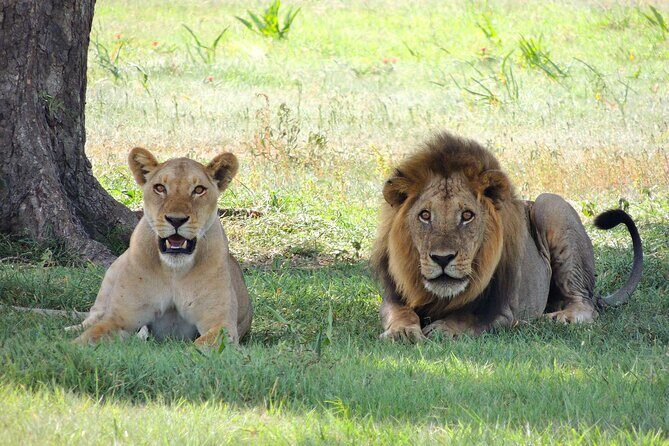
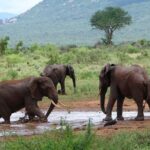
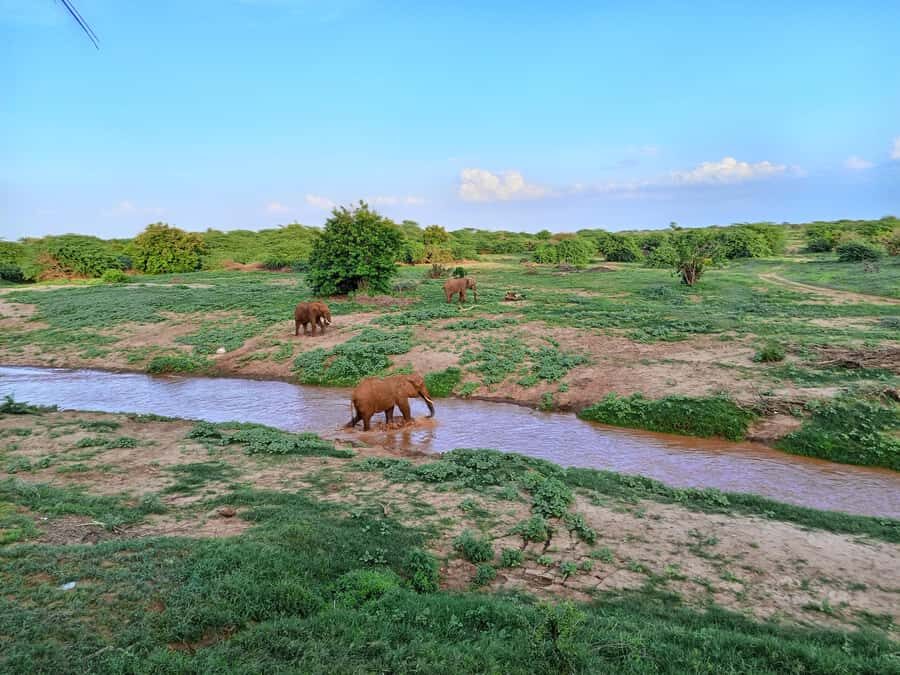
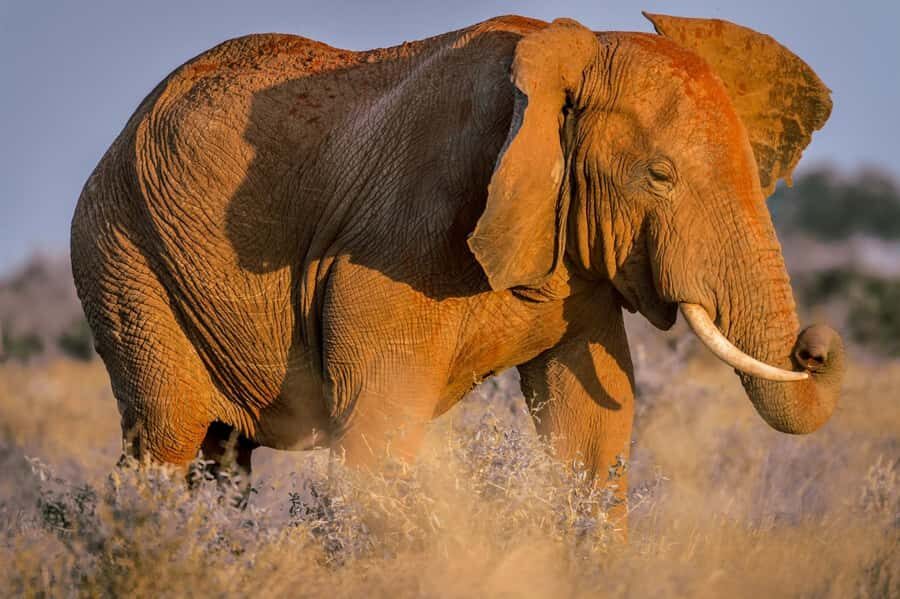
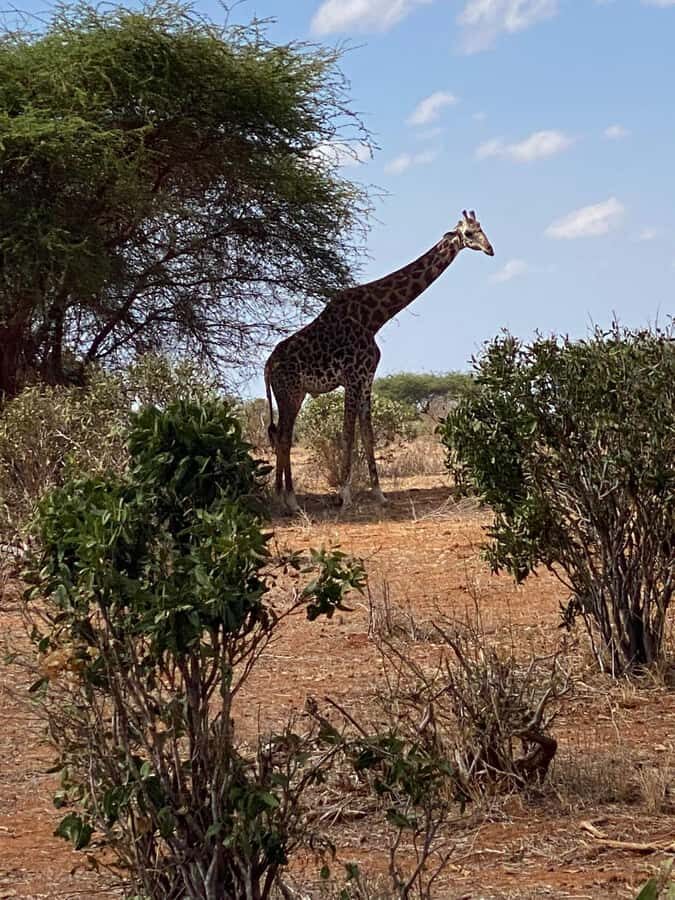
- Classic Tsavo East wildlife odds: red jumbo elephants, buffalo, giraffes, zebra, and antelopes
- Roof pop-up safari van: better chances for head-out spotting (and fewer “what am I missing?” moments)
- Small group size (up to 6): easier to manage, and you may sometimes ride with a more private feel
- Driver-guide explanations: in past groups, guides like Walter, Amin, and Abdullah made the sightings easier to understand
Ngutuni Sanctuary: why this 2-day loop works from Mombasa
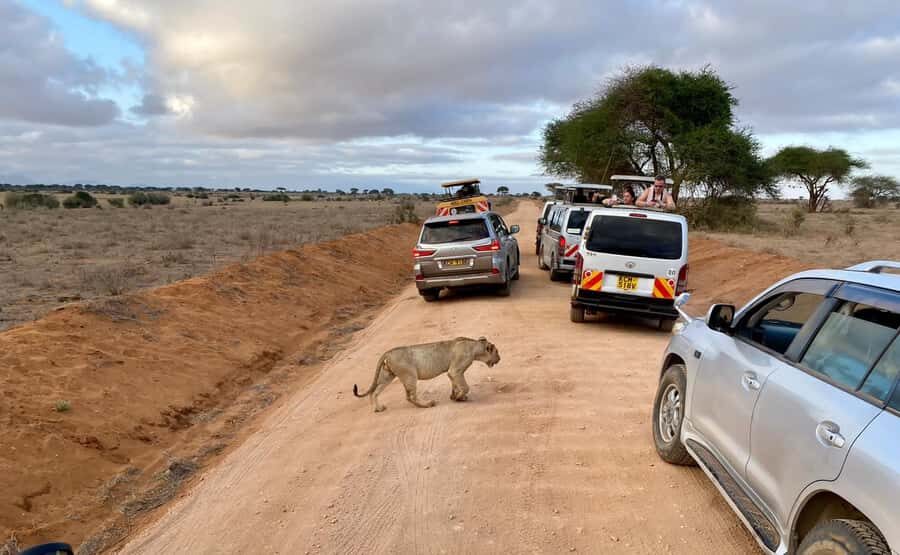
If you’re staying around Mombasa, this is a practical wildlife plan. You don’t just pass through Tsavo East from dawn to dusk; you return to a lodge for a true overnight, so your wildlife time is spread across the morning and afternoon when animals tend to move.
Ngutuni Sanctuary is the key. It’s where your game drives happen, and it’s built for game viewing with the lodge positioned to keep you connected to the action. You’re not waiting until you’re back on the road for your first chance—your first drive happens as soon as you arrive.
This is also a strong option for travelers who want a focused safari. Two days can feel short in other places, but here the schedule is tight and the lodge-watching time fills the gaps between drives.
A few more Mombasa tours and experiences worth a look
The ride to Tsavo East: van comfort, roof pop-up viewing, and early starts
The logistics are simple: you’ll be picked up from hotels around the coast and transferred by van. From Diani Beach the pickup is at 5:00 AM; from Mombasa, Kilifi, Watamu, or Malindi it’s 6:00 AM, and the drive time is listed as about 4 hours each way.
That early start is worth planning for. You’ll want to be ready the night before, and you’ll benefit from bringing your basics already packed—hat, sunscreen, camera, water—so you’re not scrambling in the first minutes of the day.
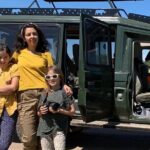
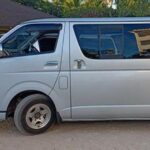
One detail I like for viewing is the roof pop-up safari van. That gives you better sightlines for spotting animals up close, and it helps when you’re trying to track movement in a wide savannah view. Just remember it also means sun and wind exposure are real, so hat and sunscreen aren’t optional.
Ngutuni Safari Lodge: waterhole views and full-board comfort
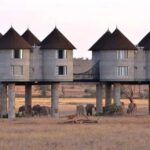
This is the part that makes the safari feel like more than a quick excursion. Ngutuni Safari Lodge overlooks a waterhole, and your room includes a balcony aimed at that same scene. So even when you’re off the road, you can keep scanning for activity.
Meals are included on a full-board basis. On day one you get lunch and dinner; on day two you get breakfast, and you return to your hotel after the morning game drive. In practical terms, this saves you from deciding where to eat after a long wildlife day—your day stays about wildlife, not logistics.
Comfort-wise, the lodge experience matters because you’ll be tired after that first drive. In past groups, people even mentioned pool time as a needed cool-down after the morning’s wildlife viewing. If you’re sensitive to heat, that kind of downtime is genuinely helpful.
One more point: the waterhole location turns the lodge into a viewing platform. You’re more likely to see animals without adding extra driving time, which is a big deal when you only have two days.
Day 1: pickup, arrival, and your first two drives
Day one starts with an early pickup and a long transfer out to Tsavo East. Once you arrive at the Ngutuni Sanctuary area, your schedule moves fast: you’ll do a first game drive right after arrival.
This first drive is your “get your bearings” session. The guide can point out likely animal areas and help you learn what to look for—track patterns, where animals gather, and how sightings show up in different light. If you’re traveling with kids, this early session is also where everyone usually gets hooked, fast.
After lunch, you go back out for a second game drive. This is where the afternoon can pay off because wildlife behavior shifts as the day cools or changes. The payoff here is that you’re not stuck watching only from the road; you’re actively driving in the sanctuary three times across the total experience.
Dinner at the lodge keeps the rhythm simple. If the waterhole is active, you’re positioned to keep watching while you eat. That matters because you might have just left a great sighting—then the lodge scene can keep the momentum going.
Overnight at Ngutuni: balcony time that doesn’t feel wasted
The overnight is where this safari earns its value. Instead of rushing out early and rushing back late, you get real rest time between drives, plus you can linger at the lodge to see whether animals return to the waterhole.
Your rooms have balconies facing the waterhole, so you can step out and scan the scene without waiting for the next vehicle departure. It’s a gentle way to experience the savannah, especially if you’re not trying to force every minute into a game drive.
This also gives you flexibility. If the day’s first drive was intense, you’ll likely want a slower pace. If the day’s sightings were lighter, the waterhole view creates another chance without extra costs or extra driving.



Day 2: early morning drive, breakfast with views, then back to the coast
Day two begins with an early morning game drive before breakfast. The morning timing is classic for a reason: animals often show more activity when temperatures are lower and visibility is good.
This drive is your best shot to catch fresh movement—new arrivals at the waterhole, shifting herds, or different species showing up when the day starts heating. You’ll likely spend less time waiting around and more time scanning, because everyone’s senses are geared toward spotting quickly.
Breakfast is then at the lodge. Since the lodge overlooks the waterhole and your meals are included, you can sometimes keep watching while you eat, turning the morning routine into part of the safari itself. After that, you’ll head back to your hotel following your morning game drive.
Timing matters here: you’re not asked to do a fourth drive. The schedule is designed around a manageable two-day package, with enough wildlife time to feel satisfying without eating your whole week.
Wildlife expectations: what you should actually watch for in Tsavo East
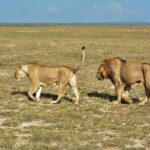
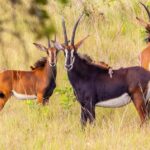
This safari is built around common “headline” animals in the region. You can expect chances to see Red Jumbo Elephants, buffalo, giraffes, zebras, and antelopes.
Now, what does that mean for your expectations? It means you should focus less on checking off a list and more on watching behavior. Elephants and other big mammals often appear when conditions line up—water access, nearby cover, and herd movement. Buffalo and zebra can also shift based on water and grazing patterns.
A huge advantage here is the waterhole view at the lodge. It gives you repeat exposure. Even if the sanctuary drive doesn’t produce a perfect mix of animals on one pass, the waterhole can compensate by attracting wildlife between drives.
Also, don’t ignore the small moments. In savannah viewing, “quiet” can still mean “good.” A herd pausing, a giraffe stretching its neck for better visibility, or one animal stepping into open ground can be the moment everything else follows.
Languages, guides, and how explanations improve your spotting
You get an English-speaking driver-guide, and the tour lists live tour guide languages as English, German, French, Italian, and Spanish. That matters because wildlife viewing gets easier when you understand what you’re seeing and why the guide is choosing certain paths.
Past safari days included guides and drivers such as Walter, Amin, and Abdullah. People specifically praised how these guides explained animals and the local context, and in at least one case a guide spoke very good German. Even when wildlife is present, interpretation helps you notice patterns you might otherwise miss.
The guide’s job also includes pacing. A good guide prevents you from wasting time rushing to the wrong spot. With only 2 days, you want the time you do spend in the sanctuary to count.
Price and value check: is $450 per person a good deal?
At $450 per person for a 2-day safari, you’re paying for three things: transportation from the coast, sanctuary access, and a lodge overnight with full board.
Here’s what’s included:
- Pickup and drop-off from Diani Beach and nearby areas (Mombasa, Kilifi, Watamu, Malindi)
- Lunch and dinner on day one, breakfast on day two
- Accommodation on a full-board basis at Ngutuni Safari Lodge
- Sanctuary fees
- Safari game drives
- An English-speaking driver-guide
What’s not included:
- Drinks
- Personal items
So the real question is whether the lodge + three drives + transfers fit your goals. If you’re trying to do Tsavo East in a single long day, you often end up with less time in wildlife areas and more time stuck in transit. This format trades a bit of early wake-up energy for a more complete safari rhythm—and you keep viewing time going at the lodge through the waterhole setup.
If you’re the type who likes to rest between drives, this is also the kind of package where your money doesn’t just vanish into sitting on a bus. The included meals, lodge downtime, and balcony viewing help stretch your safari time.
Who should book this safari, and who should skip it
This safari makes sense for:
- Couples and families who want an easy-to-follow 2-day wildlife schedule
- Travelers who want lodge downtime without losing game-viewing time
- People who value clear guide explanations and not just driving around hoping for the best
It might not suit you if:
- You’re pregnant or you have back problems, since it’s listed as not suitable for these groups
- You hate very early starts and long road transfers
- You expect a full-day city-to-city style itinerary where every hour is flexible (this schedule is structured)
Also, consider your comfort with the van ride. You’ll be transferring for hours and doing early morning wildlife viewing. If you’re travel-worn, plan to sleep well the night before pickup.
Should you book the Mombasa to Tsavo East Ngutuni Overnight Safari?
I’d book this if you want a compact, high-impact safari that still feels like you got a real overnight wildlife stay. The waterhole-view lodge plus three sanctuary game drives is a strong combination for short trips, and the guide experience is clearly part of the reason people rate it so well.
I’d think twice if you can’t handle early mornings, or if you fall into the listed categories where the safari isn’t suitable. For everyone else, this is an efficient way to chase serious wildlife from the coast without turning the trip into a constant commute.
If you do book, pack like you mean it: hat, sunscreen, camera, water, and binoculars. You’ll use them, and you’ll feel prepared instead of scrambling in the heat.
FAQ
What animals can I expect to see on this safari?
You can look out for red jumbo elephants, buffalo, giraffes, zebras, and antelopes during the game drives in Tsavo East / Ngutuni Sanctuary.
How long is the Tsavo East Ngutuni overnight safari?
The experience is 2 days.
What time are pickups from Diani Beach and from Mombasa-area locations?
Pickup is at 5:00 AM from Diani Beach. It’s 6:00 AM if you’re picked up from Mombasa, Kilifi, Watamu, or Malindi.
What meals are included?
You get lunch and dinner on the first day, and breakfast on the second day. Accommodation is provided on a full-board basis.
What should I bring for the safari?
Bring comfortable shoes, a hat, a camera, sunscreen, water, and binoculars.
What’s the group size and what languages are offered?
The safari runs as a small group limited to 6 participants. The live tour guide languages listed are English, German, French, Italian, and Spanish.