REVIEW · MAASAI MARA NATIONAL RESERVE
4-Day Tour in Lake Nakuru, Lake Naivash, Masai Mara from Nairobi
Book on Viator →Operated by Africa Kenya Safaris · Bookable on Viator
Rhinos and lions in four days. This safari strings together the Rift Valley lakes and Maasai Mara with private jeep drives and a boat safari plus a hands-on walking experience on Crescent Island. You get that classic Kenyan circuit feeling, but packed into an efficient 4-day timeline.
I love the way the schedule is built around when wildlife is most active. Your Maasai Mara mornings are early enough to catch more action, and you’re not stuck with just one long drive and calls it a day. I also love the animal variety between habitats—freshwater lake life one minute, acacia-and-savannah predators the next.
The main consideration is that sightings depend on conditions. Good weather matters, and your best Mara moments—like Great Migration river drama—vary by season and what the Mara River is doing.
In This Review
- Key highlights you should care about
- Why this 4-day Mara circuit hits the right notes
- Nairobi to the Rift Valley lakes: the 7:00 am start that pays off
- Lake Naivasha boat safari: hippos, pelicans, and a slower kind of spotting
- Crescent Island walking safari: the up-close antelope lesson
- Lake Nakuru connection: rhinos and Rift Valley bird energy
- Entering Maasai Mara: game drives that you can actually feel
- Full Mara day and the Great Migration window (June to October)
- Mara River picnic lunch: crocodile country without the rush
- Pre-breakfast drive and the safari breakfast send-off
- Price and value: what $3,540 per person buys you here
- Guides, spotting, and why local expertise matters
- Weather, migration timing, and realistic expectations
- Who should book this safari (and who should reconsider)
- Should you book this 4-day Kenya wildlife tour?
- FAQ
- What time does the tour start?
- Is pickup included?
- Is this a private tour?
- How long is the tour?
- What wildlife activities are included?
- What meals are included?
- When is the Great Migration season?
- Are admission tickets included?
- What if weather is poor?
- How far in advance can I cancel for a full refund?
Key highlights you should care about
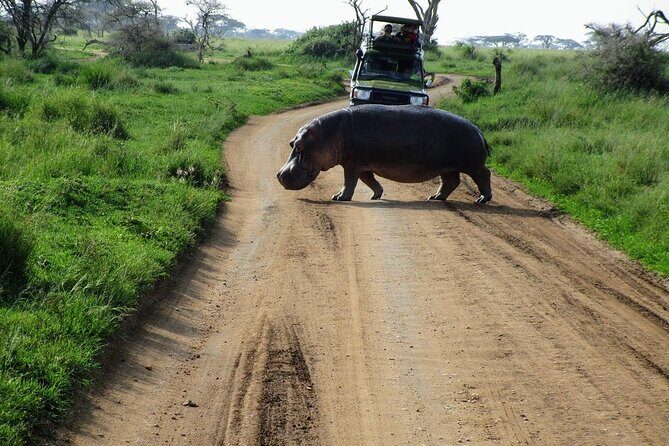
- Boat safari on Lake Naivasha for hippos and lake birds right up close
- Crescent Island walking safari so you can actually see small antelope and grazing patterns
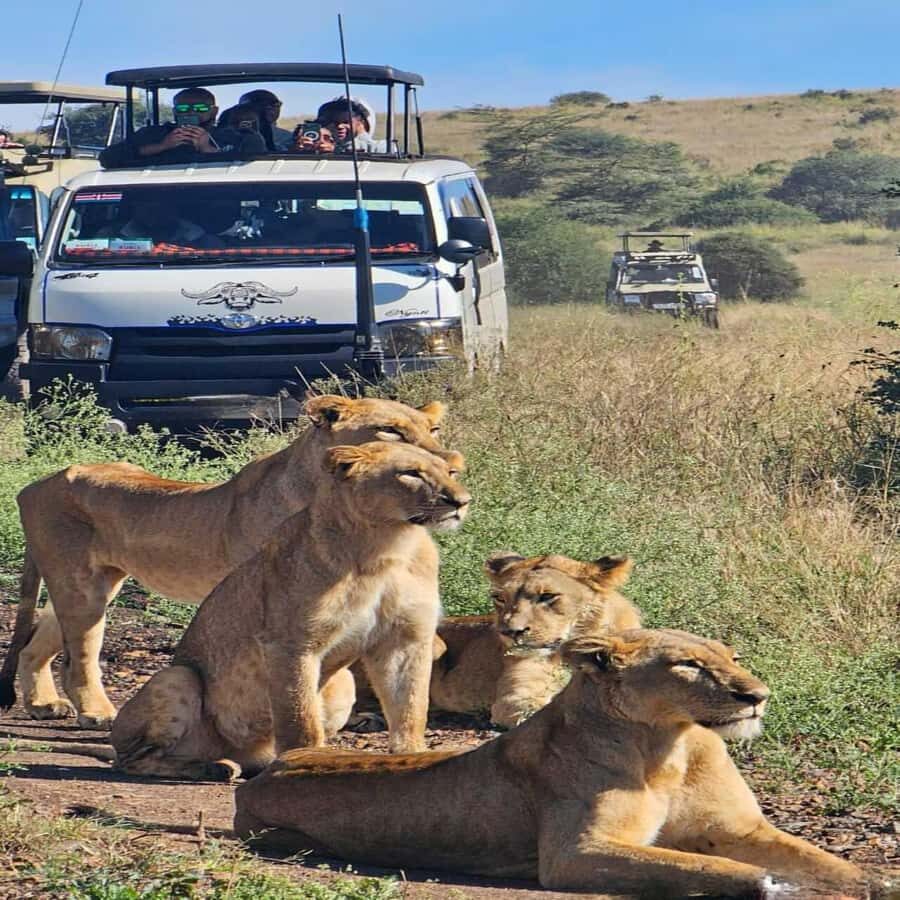
- Early Maasai Mara game drives that boost your odds for big-cat sightings
- Mara River picnic timed for prime riverfront wildlife, including crocodiles
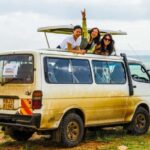
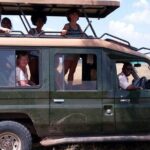
- Private, group-only touring with pickup in a Safari Jeep from Nairobi
- Strong guide reputation across multiple names like Tom, Steve, Albert, Charles, Joseph, Paul, and Peter
Why this 4-day Mara circuit hits the right notes
This is the kind of safari that makes sense if you want variety without turning your holiday into a logistics project. You start in the Rift Valley lakes area, where the wildlife story is all about water, reeds, and shoreline feeding. Then you shift into Maasai Mara, where the pace changes to savannah drives, predator behavior, and huge plains energy.
What makes the plan feel efficient is the mix of activities. You’re not only doing jeep tracks. You also get time on the water (Naivasha), time on foot (Crescent Island), and multiple dayparts inside the Mara with early starts.
It’s also a private tour for your group, so the driver can adjust pace and requests on the fly. That matters on a safari because the “best” place is rarely the same thing twice in one day.
A few more Maasai Mara National Reserve tours and experiences worth a look
Nairobi to the Rift Valley lakes: the 7:00 am start that pays off
Your day begins early—7:00 am pickup—and that early launch is not just tradition. It’s one of the best ways to keep safari days flexible, since animals tend to be easier to spot when the sun is still low and temperatures are kinder.
The drive runs along the Great Rift Valley escarpment route, with scenic stops for breaks and views. Those pauses sound minor, but they help you reset when you’ve got multiple wildlife sessions ahead. It also means you’re not arriving at the lake completely wiped out.
By the time you reach Lake Naivasha, you’re ready for the best kind of change of pace: gliding on water instead of bouncing on tracks. Then you can look for shoreline activity—birds, grazing animals, and that classic hippo-waterline vibe that makes Naivasha such a favorite.
Lake Naivasha boat safari: hippos, pelicans, and a slower kind of spotting
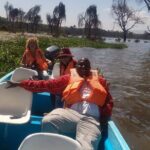
Your Lake Naivasha time includes a sailing safari across freshwater. This is one of those experiences where the wildlife feels less “hunted” and more observed. Hippos can sit close to the surface, and you often get a clearer, calmer view than you’d get from shore.
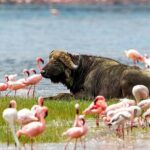
Naivasha is also strongly associated with birdlife, and you’ll see species like pelicans and cormorants. If you’re the type who loves wildlife that isn’t just big mammals, this is a good day for you. The lake setting makes birds easier to pick out because you’re not scanning only through grasses and tree lines.
One practical point: the boat session is typically short compared to a full-day drive, so treat it like a concentrated wildlife window. Look for behavior rather than just species lists—watch how animals position themselves around shoreline feeding or how birds react as the boat moves.
Crescent Island walking safari: the up-close antelope lesson
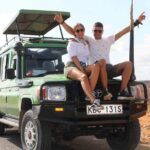
After the boat, you head to nearby Crescent Island. This is where the tour adds a really smart element: a guided walking tour in a private reserve.
Walking changes everything. From a jeep, you notice movement at distance. On foot, you notice the smaller details: where an animal pauses, how it reacts to sound, and which patches of grass feel safe enough to graze.
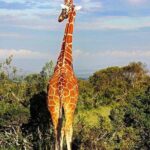
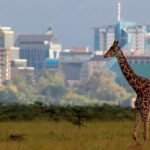
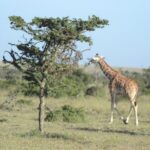
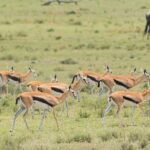
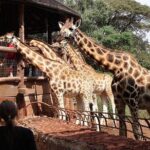
Crescent Island is known for giraffe, zebra, gazelle, impala, dik-dik, and even hippos. That mix is great because it teaches you how different species use the same space differently. You’ll also see buffalo mentioned in the program description, which makes this feel like a compact sampler of Kenya’s grazing world.
The drawback of walking tours is simple: you’ll be on your feet. Most travelers can participate, but plan for early starts and comfortable walking shoes. If you hate getting close to nature because of heat or uneven ground, you may want to think through that before booking.
Lake Nakuru connection: rhinos and Rift Valley bird energy
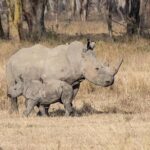
Even though the detailed day-by-day plan focuses most clearly on Naivasha and Maasai Mara, the overall route is tied to the Rift Valley lakes circuit—including Lake Nakuru. Past groups have described starting with Lake Nakuru and Lake Naivasha, and Nakuru is specifically linked here to endangered rhinos.
Lake Nakuru also carries a strong reputation for birds, and that matters because it broadens your safari beyond the “Big Five” mindset. If you’re going for a full Kenyan wildlife photo set, Nakuru helps balance the trip: rhino conservation focus plus high bird activity.
If your trip timing lands you in a season with good visibility and workable weather, you’ll likely feel the advantage of starting in the lakes area first. It sets your expectations: Kenya is not only about predators. It’s also about ecosystems.
Entering Maasai Mara: game drives that you can actually feel
Then the tour moves into Maasai Mara National Reserve. Your first Mara day is set up for early game watching drives, with an afternoon arrival and time to settle in for lunch among rolling hills and golden grasslands.
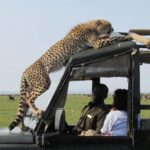
This is a big deal: Maasai Mara is huge, and timing changes the experience. Early drives can mean better visibility and more active animal behavior. Afternoons can be a different kind of magic—resting clusters, cat sightings when they move, and predator-prey tension in the distance.
You’ll also drive through Masai areas on the way, which adds a sense of place. And because this is private touring, you’re not trapped in a rigid group schedule. If you’ve got special requests, the driver/guide is meant to take them seriously.
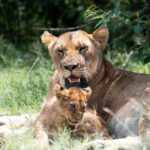
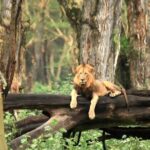
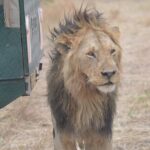
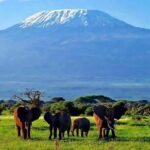
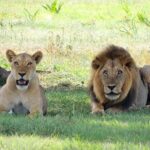
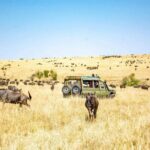
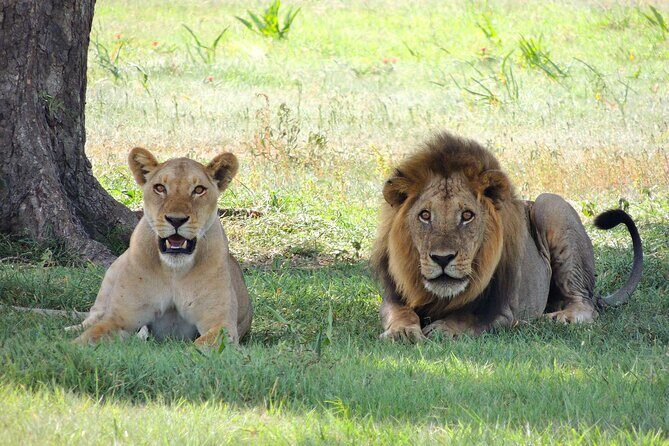
And yes—this part of Kenya is built for big animal days. Expect zebras, wildebeest, waterbucks, lions, and more. The program also points to rhinos and elephants as possibilities. Even when you don’t see every headline species, Mara’s variety tends to keep the day interesting.
Full Mara day and the Great Migration window (June to October)
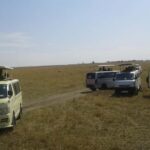
Daytime in Maasai Mara is where the safari feeling gets real. You get a full day for as many game drives as you want, and that flexibility is one of the hidden strengths of the tour style.
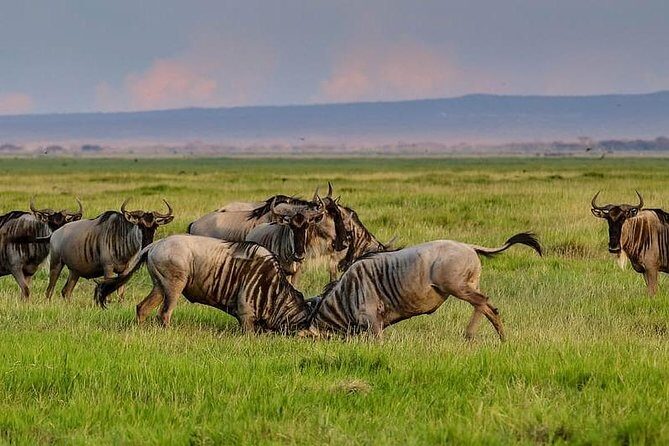
If you’re traveling during the Great Migration season—June to October—you’ll be chasing the famous river-to-plains movement. The program explicitly calls out wildebeest, zebra, and gazelle streaming into the park over the Mara River. That’s the moment people come for, and it’s not just about seeing animals—it’s about seeing the whole system move.
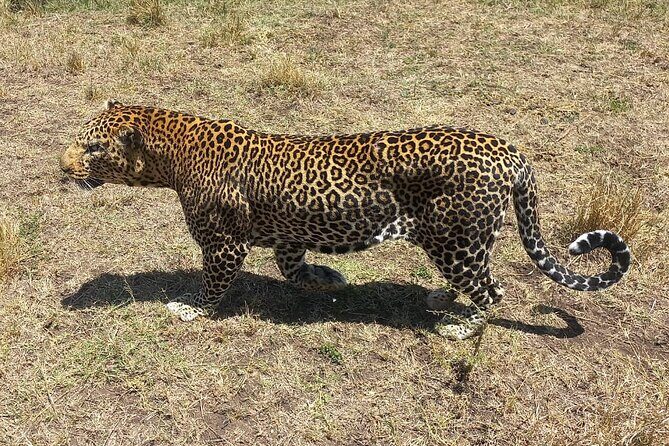
Outside migration season, you’ll still have excellent odds for predator sightings and dense wildlife. The tour content emphasizes big cats as a major focus, and that lines up with why Mara remains one of the top safari regions year-round.
One important reality check: the Mara River drama is not fully in your control. River crossings can depend on water levels and timing, and not every trip will produce the exact scene you imagined. That said, you can still have a top-tier big-cat day even without the crossing moment.
Mara River picnic lunch: crocodile country without the rush
A standout detail here is the picnic lunch at the Mara River. This isn’t just a meal stop. The program connects that river area with animal crossing zones and with hippos and crocodiles waiting nearby.
Sitting at the river for lunch changes how you experience Mara. Between drives, you’re in a slower wildlife moment, watching how animals share the same waterline space. Hippos often signal their presence with movement and breathing cycles, while crocodiles can blend into the shoreline until they decide to show themselves.
It’s also a smart way to break up a long wildlife day. You avoid the feeling of “drive, stop, drive” that can make safari days blur. This one gives you time to look at behavior, not just scenery.
Pre-breakfast drive and the safari breakfast send-off
On your final day in the reserve, you get another early start with a pre-breakfast game drive. You’ve already seen wildlife by then, but the point is to capture the different animal rhythm that comes earlier in the day.
After that, you return for a safari breakfast at your accommodation. That’s not just a nice meal. It’s the chance to regain energy and compare notes with your guide on what you saw—cats, patterns of grazing, and which direction animals seemed to be moving.
Then you do a final game drive as you exit the park on your way back toward Nairobi. Along the return route, you’ll pause for views and a scenic lunch before arriving in Nairobi late afternoon.
That pacing feels right. You’re not suddenly rushing out immediately after a long final morning. You finish the trip with enough structure that it doesn’t feel chaotic.
Price and value: what $3,540 per person buys you here
At $3,540 per person, this is not a budget safari. The value comes from the way the days are packed and managed, not from cutting corners.
You’re paying for:
- Private touring for your group, rather than being shuffled with strangers
- Multi-mode wildlife time (jeep drives plus a lake boat plus walking on Crescent Island)
- Multiple dayparts in Maasai Mara, including early starts and final exit drives
- Meals included (breakfast 3 times, lunch 4 times, dinner 3 times)
That meal package matters more than it sounds. On safari, food is one of the biggest hidden costs and time drains if it isn’t handled for you. Here it’s built into the plan.
You’re also paying for guide quality and driving skill. Multiple groups mention guides by name—Tom, Steve, Albert, Charles, Joseph, Paul, Peter, and George among them. And there’s a clear theme: the driver/guide helps you find where the animal action is, not just where the road is.
One more value angle: special requests. There’s at least one story of a surprise cake for a birthday, which tells me the operator can handle thoughtful touches when asked.
If you’re the type who counts cost per hour of actual wildlife viewing time, this trip usually pencils out better than a shorter itinerary that wastes hours on transit with less wildlife variety.
Guides, spotting, and why local expertise matters
The best safari isn’t only about where you go. It’s about who’s driving and how they read the terrain.
In the feedback you shared, guide names come up again and again: George, Gatu, Tom, Steve, Albert, Charles, Joseph, Paul, and Peter. People credit these guides with knowing where to find prides and with making big-cat sightings happen—even when the animals are tricky to spot.
One practical trick you can borrow from this style: ask your driver/guide what time to leave base and where the action tends to concentrate, especially if you’re chasing big cats. A strong guide won’t treat your request like an inconvenience. They’ll treat it like a puzzle.
Also, if you’re traveling with kids or planning a special occasion, it helps to communicate that early. The safari is built to accommodate requests, and the tone of past experiences suggests they pay attention to details like that.
For solo travelers, there’s an additional benefit mentioned: guests have felt safe with a responsible guide/driver and lodging that feels convenient and comfortable.
Weather, migration timing, and realistic expectations
This is safari country, so the “when” matters as much as the “where.”
The program notes that good weather is required. If weather turns rough, the experience can be rescheduled or refunded. That’s not a small point. It affects road conditions, visibility, and whether the schedule can run smoothly.
For Great Migration, the season window is June to October. That’s your best shot for the headline moments over the Mara River. If you’re outside those months, don’t treat the trip as a consolation prize. Mara still delivers wildlife variety and predator chances, just with different emphasis.
Finally, keep expectations flexible about specific animal sightings. Some groups report extraordinary moments like counting over 20 lions or even seeing a black rhino, but no itinerary can promise that kind of rarity every time.
Who should book this safari (and who should reconsider)
This tour is a strong match if you want:
- A full Rift Valley to Mara circuit without stretching it into a week
- A mix of activities: boat safari, walking, and multiple game drives
- Private, guide-led pacing that can respond to what’s happening that day
- A big-cat-focused Mara experience, ideally with early starts
You might reconsider if:
- You’re not into early mornings or long wildlife days
- You’re hoping for one specific scene (like the river crossing) on a tight date range
- You prefer very relaxed schedules with fewer driving hours
If you want Kenya wildlife with momentum—and you’re okay with being outside and active—this fits.
Should you book this 4-day Kenya wildlife tour?
Yes, if your goal is maximum wildlife time in a compact 4 days, and you like the idea of combining lake ecosystems with Maasai Mara predator country. The private format, the early drives, and the inclusion of both boat and walking time make it more than a standard “sit in a jeep” safari.
I’d book with confidence if you’re excited by variety: hippos and lake birds on Naivasha, small antelope on Crescent Island, then big cats and riverfront drama in Maasai Mara. And if you’re traveling for a milestone, it sounds like the operator can handle special touches when you tell them in advance.
If you’re traveling for one exact Migration photo moment, plan your dates around June to October and keep expectations open. Nature runs the show.
FAQ
What time does the tour start?
Pickup is scheduled for 7:00 am.
Is pickup included?
Yes, pickup is offered in a private 4 x 4 Safari Jeep.
Is this a private tour?
Yes. It’s private, so only your group participates.
How long is the tour?
It’s listed as 4 days (approx.).
What wildlife activities are included?
You’ll do game drives in Maasai Mara, a sailing safari on Lake Naivasha, and a guided walking tour on Crescent Island.
What meals are included?
Breakfast is included 3 times, lunch 4 times, and dinner 3 times.
When is the Great Migration season?
The program highlights June to October as the Great Migration season.
Are admission tickets included?
Lake/park access is noted as included for the Crescent Island walking portion and free admission in Maasai Mara days.
What if weather is poor?
This experience requires good weather. If it’s canceled due to poor weather, you’ll be offered a different date or a full refund.
How far in advance can I cancel for a full refund?
You can cancel up to 24 hours in advance for a full refund.