REVIEW · MAASAI MARA NATIONAL RESERVE
4 Days Masai Mara Nakuru
Book on Viator →Operated by Smile View Kenya Tours And Travel · Bookable on Viator
Four days, two parks, and a real shot at cats. This Kenya safari works because Maasai Mara gives you big-hitter wildlife viewing, then Lake Nakuru adds a whole different slice of Rift Valley nature. It’s the kind of trip where the scenery keeps changing, but the wildlife focus stays front and center.
I especially like the way Maasai Mara’s open, tree-studded grassland puts you close to lions, leopards, cheetahs, and even elephants. I also like that Lake Nakuru is not just another stop: it’s one of the Rift Valley’s famous soda lakes, and the park’s wildlife scene feels distinct from the Mara.
One thing to consider: you’ll spend a lot of time on the road between parks over those four days. If you’re the type who hates long van stretches, plan to break up the trip with snacks, a charged phone, and a good playlist.
In This Review
- Key Highlights You’ll Actually Care About
- Maasai Mara and Nakuru in One Trip: Why This Combo Works
- Nairobi Pickup at 8:00am: How the Start Shapes Your Whole Day
- The Drive Toward the Mara: Making Road Time Work for You
- Maasai Mara: Game Drives Where Predators Are the Main Event
- Great Migration Season: July to October Changes the Whole Feel
- Lake Nakuru National Park: The Soda-Lake Stop That Adds Variety
- Camps and Night Comfort: Far From Basic, But Still Safari Real
- Your Guide: The Real Difference Between Good and Great Sightings
- Small Group Safari: The Two-Travelers Advantage
- Price and Value: What $589.75 Gets You (and What to Check)
- Who Should Book This 4-Day Mara and Nakuru Safari?
- Should You Book It? My Quick Decision Guide
- FAQ
- What parks are included in the 4 Days Masai Mara Nakuru experience?
- Where does the safari start?
- What time does the tour begin?
- How much does the safari cost?
- Is pickup offered?
- What is the maximum group size?
- Can I cancel and get a full refund?
- When is the Great Migration period?
Key Highlights You’ll Actually Care About
- Max two travelers means a more personal feel in the van and on game drives
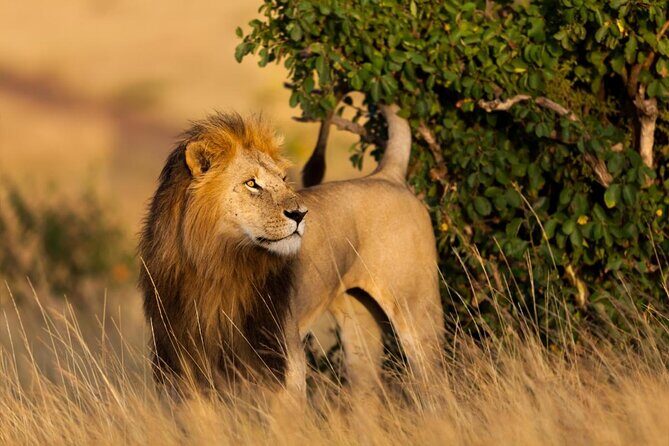
- Maasai Mara predator odds for lions, leopards, and cheetahs in a classic savannah setting
- Great Migration timing (July to October) when zebra and wildebeest movement can make the Mara feel electric
- Lake Nakuru soda-lake setting gives you a different wildlife vibe than the Mara
- Pickup included from Nairobi, with the tour starting at 8:00am
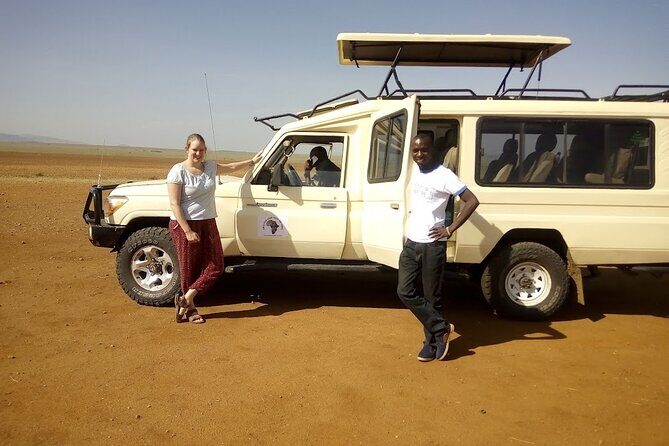
- Guides like Ernest or Geoffrey are praised for being friendly and for knowing where to look
Maasai Mara and Nakuru in One Trip: Why This Combo Works
If you’re choosing a 4-day Maasai Mara safari and wondering if it’s worth adding Lake Nakuru National Park, I get the doubt. People often think “more days in one place” is better. In this case, the swap works because the parks deliver different viewing styles.
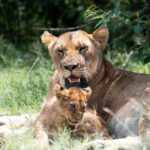
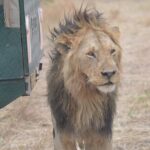
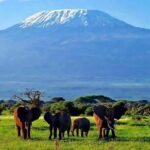
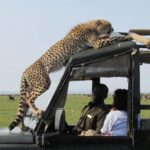
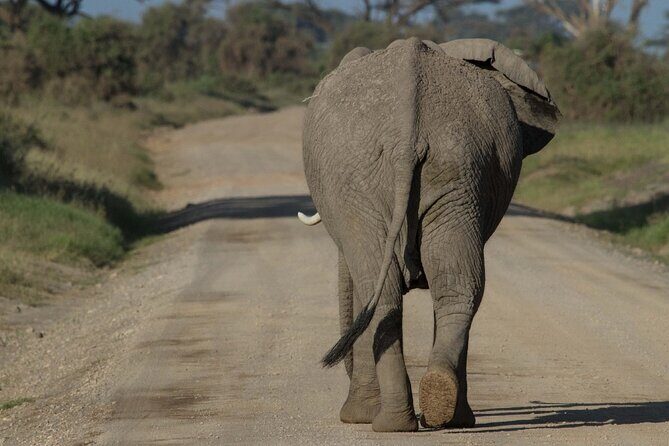
Maasai Mara is famous for cats. That’s not marketing fluff—it’s your chance to see black-maned lions, and to keep your eyes open for leopards and cheetahs, which can be sighted in Mara’s varied grassland and bush edges. You’re also likely to spot elephants and a lot of Kenya’s everyday wildlife, even if you’re not chasing one specific species.
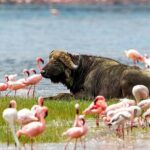
Then Lake Nakuru hits like a mood change. It’s set around a soda lake in the Rift Valley, and that detail matters. Soda lakes often create a more concentrated ecosystem around the waterline, which can mean strong wildlife viewing and birds in particular. Even if you’re mostly here for mammals, the setting helps the park feel focused and alive.
Bottom line: you get the Mara’s “big cats + herds” energy, and then you pivot to Nakuru’s Rift Valley feel—within four days, without turning the trip into a marathon.
A few more Maasai Mara National Reserve tours and experiences worth a look
Nairobi Pickup at 8:00am: How the Start Shapes Your Whole Day
Your tour starts at 8:00am in Nairobi, and you return to the meeting point at the end. That early start is a big deal for safaris because you want daylight game viewing while the animals are most active.
When I plan a safari, I treat the first morning like setup time for the whole trip. The earlier you roll, the more likely you’ll have cooler temperatures and better light for spotting. It also gives you more of the day to settle into the park routine rather than spending all your best hours on logistics.
Also, since pickup is offered, it reduces the chaos factor. You’re not trying to coordinate transport yourself after your flight or hotel checkout. You show up, meet the driver, and get going.
The Drive Toward the Mara: Making Road Time Work for You
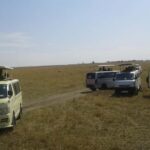
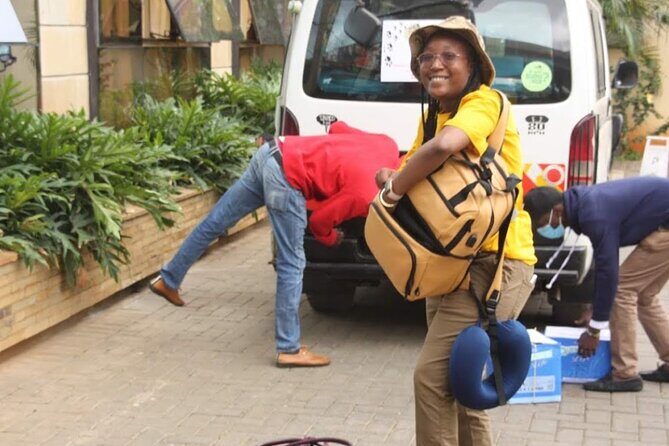
A four-day safari in Kenya is never just “arrive and watch wildlife.” There’s always travel between Nairobi and the parks, and between parks on the route. That means the van becomes part of the experience.
Here’s the practical trick: treat the ride as your first game drive. Keep the window open when you can, and don’t stare only at your phone screen. I also like planning small comforts early—snacks in a reachable spot, a light jacket for the AC, and water.
Some routes include scenic stops along the way. People have described stopping for beautiful viewpoints such as a Rift Valley area stop, which is a nice reset between long stretches of road. It’s also your chance to grab a few photos that don’t look like they were taken through glass.
If you get motion sickness easily, bring your own solution. Nothing ruins safari vibes faster than feeling queasy while you’re trying to spot movement outside the window.
Maasai Mara: Game Drives Where Predators Are the Main Event

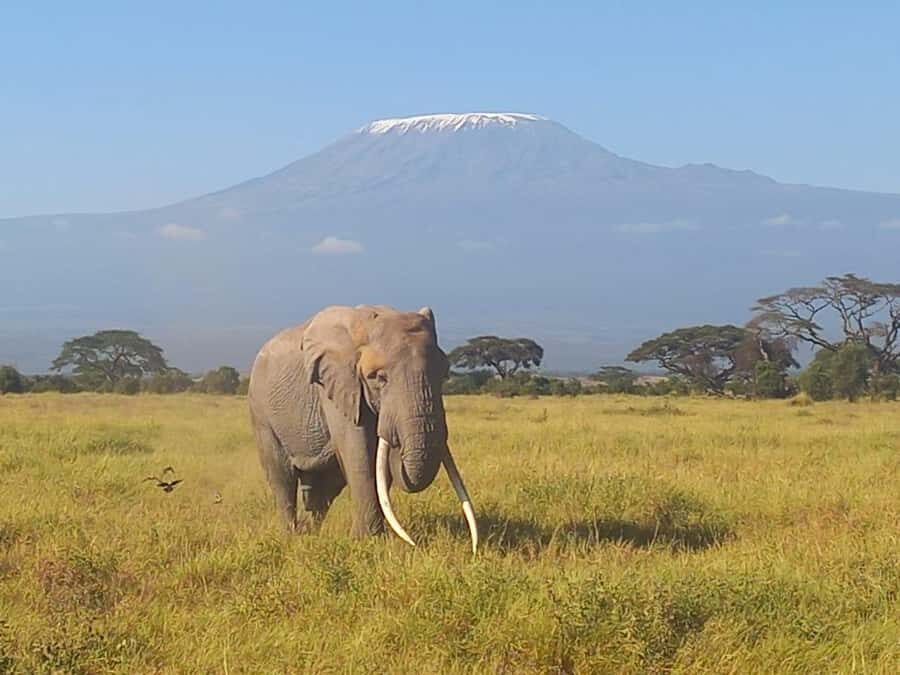
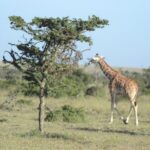
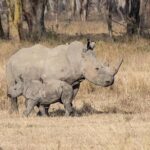
Maasai Mara is the star here, and the reason is simple: it’s packed with the animals people dream about. You’re looking at lions, leopards, and cheetahs, but the park doesn’t stop at cats. It also has elephants and virtually every type of wildlife you’d hope to see in Kenya.
What I love about the Mara’s viewing style is that it’s not just “wait for something to happen.” It’s active. Your guide will work the terrain and keep you moving when the action shifts. Mara’s grasslands—rolling hills with patches of trees—create natural lanes for animals. That means you’re not always scanning one flat plain. You’re reading the park’s shape.
It helps to know what you’re looking for:
- Lions can appear near prey movement and in spots that give them visibility
- Leopards often relate to cover and terrain that supports stalking
- Cheetahs tend to show up where they can use open space
A good guide makes those patterns feel doable. Guides praised on this safari have been described as friendly, informative, and able to find the best terrain, which matters because Mara is large and animal spotting is never guaranteed.
You’ll likely have multiple game-drive sessions across the Mara days. The exact rhythm can vary, but your goal stays consistent: maximize early/late viewing and position yourself for sightings when the park shows you something.
Great Migration Season: July to October Changes the Whole Feel
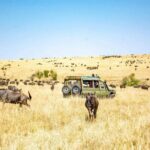
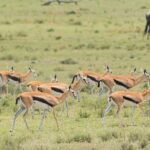
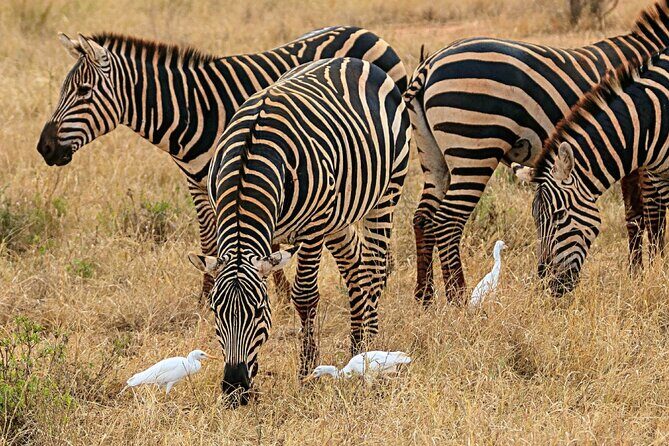
If your dates fall between July and October, you’re timing this safari for the most famous storyline in Kenya: the Great Migration. During those months, zebra and wildebeest move through the ecosystem, and the Mara becomes a high-activity corridor.
So what does that mean for you in plain terms? It changes the safari from “spot animals” into “watch nature working.” More herds moving means more predators working, too. Even if you don’t see a dramatic moment every single day, the whole park tends to feel busier.
If you’re traveling outside migration months, you still get Kenya’s core wildlife. Mara is still Mara. The big difference is that you’re reading a different kind of animal behavior, not the seasonal rush.
If you can be flexible with dates, migration season is the obvious upgrade. If you can’t, don’t stress. This reserve is still a top place to see cats and big herds year-round.
Lake Nakuru National Park: The Soda-Lake Stop That Adds Variety
Lake Nakuru is where this safari stops being only about the savannah. It’s in central Kenya’s Rift Valley region and known for its soda lake setting. That matters because soda lakes can create a more concentrated environment around the water.
Practically, this can mean wildlife viewing that feels more focused around park features—especially near the lake areas—while Mara often feels wider and more open-hill.
Nakuru also balances your trip emotionally. After a few days of scanning for predators across grasslands, you get a different scenery and a different “camera angle” for wildlife. It’s the kind of change that makes four days feel like four days, not just one long drive with a different sign at the end.
If you love photography, Nakuru’s environment can give you shots that look different from the Mara’s grasses and acacia-style visuals. That variety is part of why pairing these two parks makes sense in a short time frame.
Camps and Night Comfort: Far From Basic, But Still Safari Real
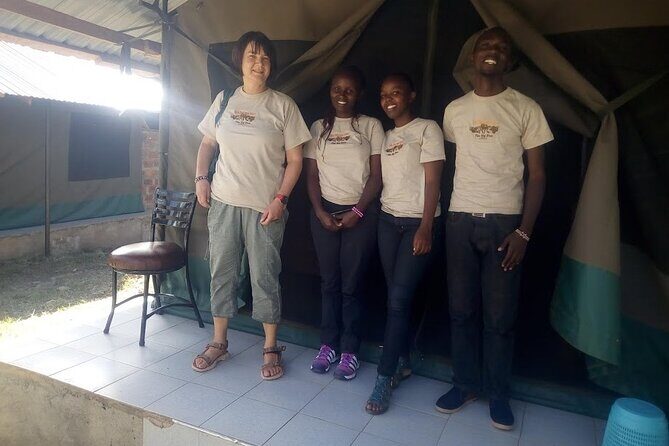
One of the best clues about what to expect on this safari is the way people describe the camp experience. There’s mention of a camp that felt far from basic, which is a good sign if you’ve been worried about “roughing it.”
Still, remember you’re on safari. You’re not in a city hotel. Power, water pressure, and room size can vary by property. But you can reasonably expect that the camp has been kept at a comfortable level for guests, especially given how often the camp quality shows up in positive feedback.
Here’s how I’d plan your attitude: think of camp as a base for sleep and downtime, not as a place where you’ll spend the day. When you do that, even a “simple” safari room feels like luxury after wildlife viewing.
Also, pack for temperature swings. Rift Valley nights can cool down. Bring layers you’ll actually wear, not just ones you brought for decoration.
Your Guide: The Real Difference Between Good and Great Sightings
A safari lives and dies by your guide’s ability to read the park. On this route, guides have been described as:
- friendly and honest in their work
- informative, with a good sense of what matters
- strong at knowing the best terrain for sightings
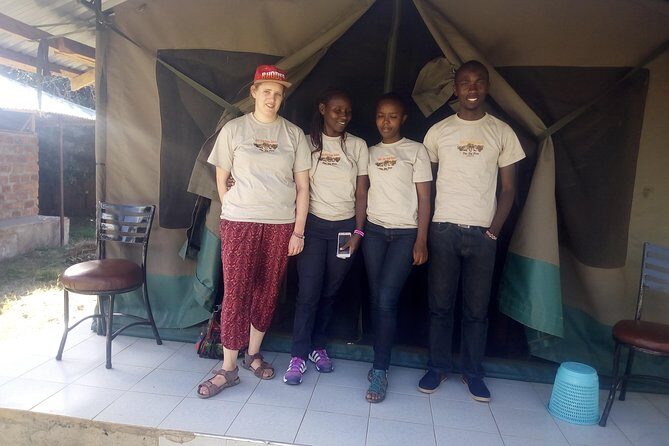
Names you may see mentioned include Ernest and Geoffrey, with praise for being kind, communicative, and confident in where to look. Another guide name you might come across is Earnest/Ernst (spelling can vary by listing).
What I take from that pattern is this: you want more than someone who drives. You want someone who can explain what you’re seeing, where to focus attention, and how the terrain influences animal movement.
If your guide explains the big picture—predator behavior, where prey tends to move, and why the best viewing spots change hour to hour—that’s when the safari becomes satisfying, even when the wildlife is quiet for a stretch.
Small Group Safari: The Two-Travelers Advantage
This experience has a maximum of two travelers. That small group limit is more valuable than it sounds.
In a larger group, you often get rushed. You stop where the group can move quickly, and you accept that sometimes you’ll all be watching from less-than-ideal angles. With two travelers, the guide can more easily manage pacing—staying flexible when an animal appears, and giving you time to get the shot or absorb the moment.
Also, smaller groups tend to feel less chaotic inside the van. It’s easier to talk, ask questions, and get the kind of feedback that helps you improve your spotting. And if you’re the type who likes the safari to feel personal rather than like a bus tour, this format supports that.
One more bonus: with fewer people, there’s less chance of you being stuck with a seat or window position you hate for the entire day.
Price and Value: What $589.75 Gets You (and What to Check)
The price is listed at $589.75 per person for approximately four days. On paper, that might feel like a bargain or a lot, depending on what you’ve booked before.
So what are you paying for? You’re paying for:
- transport between Nairobi and the parks
- guided game viewing in Maasai Mara
- time in Lake Nakuru National Park
- a small group format (up to two travelers)
- pickup offered from Nairobi
That combination is the real value. You’re not just paying for a vehicle. You’re paying for time in two major parks with a guide who helps you find wildlife and interpret what you’re seeing.
What you should check before booking (quick and practical):
- what’s included in the camp and park fees on your exact package
- whether any meals are included or paid separately
- how the van timing works on your specific dates
The fact that people describe good communication and solid organization is a good sign. But I always recommend you confirm the exact inclusions so there are no surprises when you’re halfway through a safari.
Who Should Book This 4-Day Mara and Nakuru Safari?
This safari makes the most sense if you want:
- strong predator chances in Maasai Mara
- a second park stop that changes the scenery and viewing style
- a smaller-group feel with max two travelers
- a four-day pace that covers a lot without feeling like it’s only travel
You’ll especially enjoy it if you love wildlife watching and you’re comfortable with the idea that sightings are never guaranteed, but you’ll be positioned well through guided drives.
This isn’t the best fit if you hate time on the road. Four days sounds short, but moving between Nairobi, Maasai Mara, and Lake Nakuru means you’ll be in the van more than you’d like. Also, if you need a very fixed schedule with no flexibility at all, you may find a wildlife-focused safari takes on-the-day adjustment.
If you’re traveling as a couple or a small group and want more personal attention from your guide, the two-traveler limit is a big plus.
Should You Book It? My Quick Decision Guide
If your top priority is seeing Maasai Mara’s animals and you also want the Rift Valley variety of Lake Nakuru, then yes, this is a sensible booking. The value comes from the mix: predator-focused Mara days plus Nakuru’s soda-lake setting, all starting from Nairobi with pickup offered.
Book it if:
- you want the classic Mara cat experience
- you’re curious about the Rift Valley ecosystem at Lake Nakuru
- you like the idea of a small group and a guide who knows how to work the terrain
Think twice if:
- you dislike long van travel
- you need a slow, low-movement trip with minimal driving
If you decide to go, do one simple thing before you pay: make sure you’re clear on what’s included and what time you’ll be picked up and returned. That’s the easiest way to keep the safari stress-free, so you can focus on spotting the next movement outside the window.
FAQ
What parks are included in the 4 Days Masai Mara Nakuru experience?
The tour includes Maasai Mara National Reserve in Kenya and Lake Nakuru National Park.
Where does the safari start?
It starts in Nairobi, Kenya.
What time does the tour begin?
The start time is 8:00 am.
How much does the safari cost?
The price is listed at $589.75 per person.
Is pickup offered?
Yes, pickup is offered.
What is the maximum group size?
The maximum is 2 travelers.
Can I cancel and get a full refund?
Yes. You can cancel up to 24 hours in advance for a full refund.
When is the Great Migration period?
The annual migration of zebra and wildebeest occurs from July to October.