REVIEW · NAIROBI
Ismael’s Kibera Slum Tour
Book on Viator →Operated by Ismaels kibera slum tours · Bookable on Viator
Kibera is not a place to wing it. A locally led visit with Ismael brings you context for what you’re seeing in one half-day, not just photos. I especially like the focus on real community projects and hands-on stops, including the bone workshop.
Two things I really value: the guide-led access is private, and you’re shown how everyday life works through home visits and a children’s rescue centre tied to the 2007–2008 post-election violence. The one drawback to keep in mind is that this tour includes sensitive subjects and close-up home situations, so the mood can get heavy fast.
In This Review
- Key things I’d circle on your plan
- Why a guide matters in Kibera
- Ismael’s private, insider-led approach
- Stop 1: bone workshop crafts you can see up close
- Stop 1 (continued): home visits and real housing context
- Children’s home and the 2007–2008 post-election context
- Stop 2: Nairobi market time and the Mamba Village area
- Price and value: what $65 buys you here
- Timing, pacing, and weather reality
- Who should book this tour (and who should think twice)
- Should you book Ismael’s Kibera Slum Tour?
- FAQ
- How long is Ismael’s Kibera Slum Tour?
- What does the tour cost?
- Is pickup and drop-off included?
- Is this a private tour?
- Do I need to pay for admissions?
- Where does the tour start?
- Is the tour affected by weather?
Key things I’d circle on your plan

- Ismael runs the tour and handles pickup and drop-off within Nairobi
- A Kibera-born guide gives you context instead of vague sightseeing
- African bone workshop crafts you can actually see being made
- Home visits that show what housing looks like on the ground
- Children’s home and rescue centre connected to 2007–2008 post-election violence
- A second Nairobi stop with time for a market and Mamba Village area
Why a guide matters in Kibera

Kibera is one of the world’s largest informal settlements, and it’s easy to misread what you’re seeing if you go without local context. With Ismael’s tour, you’re not just passing through; you’re moving with a guide who knows the area, the people, and the reasons behind the projects you’ll visit.
What I like is that the tour is built around the everyday. You’ll see craft-making through an African bone workshop, and you’ll also get time for home visits, which is where the visit stops being abstract. You come away with a clearer picture of what “community” means in a place where people solve problems with limited resources.
You can also read our reviews of more tours and experiences in Nairobi.



Ismael’s private, insider-led approach
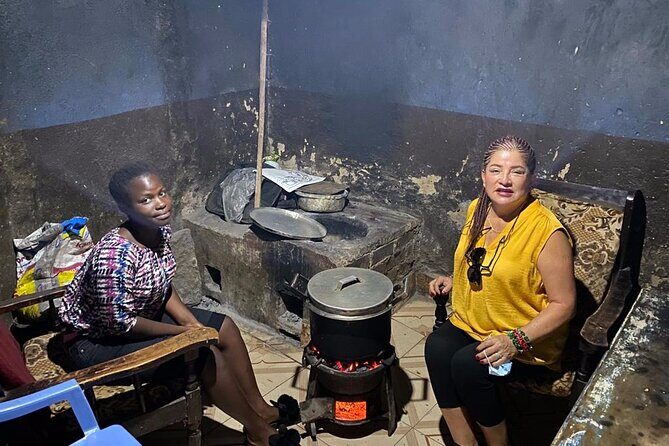
This is a private half-day tour. That matters more than it sounds. When you’re with only your group, Ismael can adapt the pace to your questions and your comfort level, instead of herding everyone along a script.
You also get something rare: the tour is led by the owner and an accredited guide, and the guiding is described as coming from real local experience. In a featured review, a guest highlighted time spent with Ismael’s wife in his home and called out the strong community feel and a self-sustaining ecosystem. That kind of personal, lived-in access is the core reason people rate this so highly (it holds a 5/5 average across 42 reviews, with 100% recommending it).
The practical upside: the tour keeps the flow tight. It runs about 3 to 4 hours, with pickup and drop-off offered free of charge within Nairobi, so you’re not spending half your day negotiating transport.
Stop 1: bone workshop crafts you can see up close

The first stop centers on a workshop where a group of community members use animal bones to make crafts and small items. This is not a “look and leave” scene. You’ll visit the African bone workshop and see items like bottle openers, wrist bands, finger rings, wooden crafts, brass crafts, and necklaces.
Why this is valuable: it gives you a lens for resilience that’s practical, not just emotional. In a place like Kibera, skills and small enterprises aren’t side notes. They’re part of how families generate income and keep skills alive across generations.
A second reason I like this stop is how specific it is. You’re not hearing generic talk about poverty or charity. You’re watching a craft process and connecting the products to the people who make them. If you care about how communities build economies at the local level, this part will feel concrete.
Potential consideration: workshops and home visits are intimate settings. If you’re the type who gets uncomfortable with close-up conversations or you prefer big, controlled tourist attractions, plan for a different style of interaction here.
Stop 1 (continued): home visits and real housing context
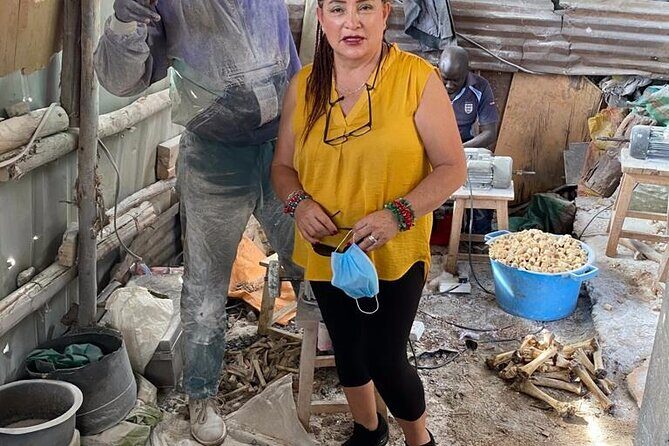
After the workshop, the tour includes home visits to see how slum houses look in real life. That means you’ll be moving from craft-making to direct exposure to housing conditions—again, not as a spectacle, but as part of understanding everyday life in Kibera.
I appreciate that the itinerary explicitly includes home situations. Many tours in this category stay at the boundary and leave you with stereotypes. Here, you get a better chance of understanding the reality behind what you heard at the workshop: how families live, how space is used, and how day-to-day routines work.
How to mentally prepare: you can’t treat this like sightseeing. Approach it as a conversation you’re being invited into. Keep expectations realistic. You’re learning what life is like where the community is the expert and you’re the visitor.
Children’s home and the 2007–2008 post-election context

The tour also visits a children’s home and rescue centre for rescued street children and orphaned kids who lost their parents during the 2007–2008 post election violence in Kenya.
This is the part of the day that can land hardest. It’s also one of the most important. The reason is simple: it connects current community projects to a real event and the consequences that followed. That context helps you understand why support structures exist and why resilience is not only about today’s challenges, but also about coping with what happened years back.
I’d treat this stop with extra care. Ask questions if you can do so respectfully, but remember you’re not there for entertainment. If you’re traveling with family or anyone who gets overwhelmed easily by emotional settings, you might want to talk through the “heavier topic” part of the schedule before you go.


Stop 2: Nairobi market time and the Mamba Village area
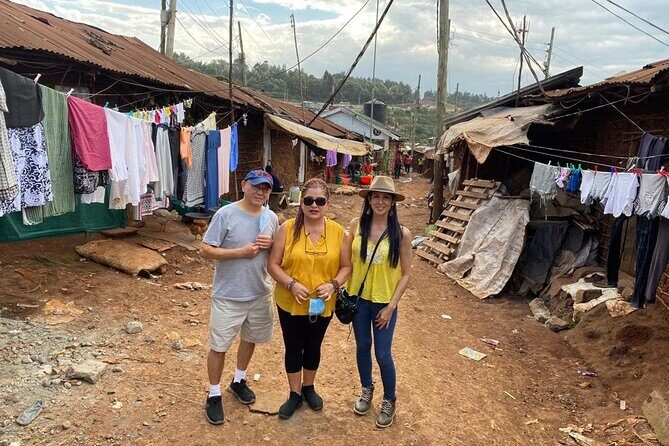
After Kibera, you shift back to Nairobi with another short stop. The plan mentions time around a Maasai cultural village market and also references national-park related experiences through Mamba Village.
What this second stop is good for: it balances the morning’s gravity with a more typical Nairobi activity. You get a chance to stretch your legs, look at local market life, and learn in a different format—less about homes and more about culture and local commerce.
One note: the second stop is described broadly. I’d go in expecting a flexible experience shaped by timing and the day’s conditions, not a museum-style checklist.
If you’re short on time in Nairobi and want one outing that covers both a community-based visit and a Nairobi cultural stop, this pairing makes the schedule practical.
Price and value: what $65 buys you here

At $65 per person, this isn’t a budget-style tour. But you’re also not paying for a generic bus ride. You’re paying for a locally run, private guide-led experience with free hotel pickup and drop-off within Nairobi and admission tickets described as free.
Here’s the value logic I’d use: you’re paying for (1) private access, (2) specific stops that go beyond typical photo points, and (3) time spent with Ismael as the guide. Add in the craft workshop and the home visits, and you’re looking at real on-the-ground context rather than a quick look at a neighborhood boundary.
Also, this is booked about 54 days in advance on average, which tells you the demand isn’t random. People are planning it, and they’re coming back with strong ratings (again, the 5/5 average and 100% recommending it).
Timing, pacing, and weather reality

The tour runs about 3 to 4 hours. That’s a good length for this style of day: long enough to see multiple meaningful stops, short enough that you still have time to continue exploring Nairobi afterwards.
Weather matters. The tour information states that it requires good weather, and if it’s canceled due to poor conditions, you’ll get offered a different date or a full refund. That’s worth taking seriously. With home visits and walking through community spaces, rain can disrupt the day fast.
The opening hours run essentially all day (Monday to Sunday, 12:00 AM to 11:59 PM). That wide window makes it easier to match your Nairobi schedule, especially if you’re not traveling with tight, fixed timelines.
Who should book this tour (and who should think twice)
This tour fits best if you want a guided, respectful look at Kibera with context and actual community projects. If you care about understanding how local enterprises work—like the bone and brass craft side—and you’re open to learning through home visits, you’ll likely find it worthwhile.
It’s also a solid pick for small groups that want a private pace. The tour is explicitly private, with only your group participating, and Ismael can adapt to your questions.
Who might pause: if you want only light, entertainment-style sightseeing, the children’s centre stop and the housing realities may be too intense. If you need a “fun-first” itinerary, you may find this day heavier than you expected.
Should you book Ismael’s Kibera Slum Tour?
If your goal is to understand Kibera through people, projects, and real community spaces, I’d say yes—this is built for that. The top praised aspects are exactly what you want from a tour like this: insider context, personal, private guiding, and stops that show more than surface views. The strong rating (5/5 from 42 reviews and 100% recommending it) backs up that expectation.
Book it if you’re okay with a day that includes housing situations and a children’s rescue centre tied to real historical events. If you want a lighter day, or you’re easily shaken by emotional settings, you might choose a different Nairobi plan.
FAQ
How long is Ismael’s Kibera Slum Tour?
It’s approximately 3 to 4 hours total.
What does the tour cost?
The price is $65.00 per person.
Is pickup and drop-off included?
Yes. Pickup and drop-off within Nairobi are offered free of charge.
Is this a private tour?
Yes. It’s a private tour/activity, and only your group will participate.
Do I need to pay for admissions?
Admission tickets are listed as free for the stops included.
Where does the tour start?
The start location is Nairobi, Kenya.
Is the tour affected by weather?
Yes. It requires good weather. If it’s canceled due to poor weather, you’ll be offered a different date or a full refund.