REVIEW · MAASAI MARA NATIONAL RESERVE
Samburu, Lake Nakuru & Masai Mara 6 Days Private 4×4 Jeep Safari
Book on Viator →Operated by Natural World Kenya Safaris · Bookable on Viator
Three reserves, one unforgettable week. From Samburu’s hot river country to Lake Nakuru’s bird paradise, then straight into Maasai Mara’s famous savanna, this private safari packs major Kenya wildlife into 6 days.
I like the private Jeep setup because you’re not sharing your game-drive time with strangers. I also like how the route strings together multiple ecosystems, so your sightings don’t feel repetitive.
One thing to weigh before you hand over money: you are relying on the operator to keep park access and logistics running smoothly. There are reports of serious payment trouble in the past, so I’d confirm details in writing and keep an eye on documentation for peace of mind.
In This Review
- Key Things You’ll Notice on This Route
- What This 6-Day Safari Really Delivers
- Price and Value for a Private Jeep Safari
- Day 1: Nairobi Highlands to Samburu’s Hot River World
- Day 2: Another Samburu Game Drive Where Wildlife Concentrates
- Day 3: Lake Nakuru and the Birdlife Show
- Day 4: Maasai Mara Arrival and Your First Afternoon Drive
- Day 5: Full-Day Maasai Mara Game Drive and the Mara River Moment
- Day 6: Pre-Breakfast Drive, Last Look, Then Back to Nairobi
- The Guide Factor: How Your Driver Changes the Trip
- Lodges, Meals, and Ground Comfort (Without Overpromising)
- Wildlife Expectations: What You Can Hope For, and What You Can’t
- Optional Maasai Village Visit: Culture With Context
- Should You Book This Samburu, Lake Nakuru, and Maasai Mara Private Safari?
- FAQ
- What is the start time for this safari?
- Is this tour private?
- Which wildlife areas and parks are included?
- Are park admission tickets included?
- Is there an optional Maasai village visit?
- What is the cancellation policy?
Key Things You’ll Notice on This Route
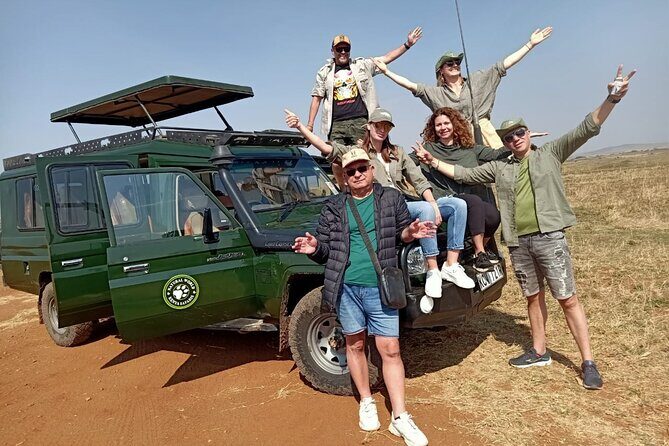
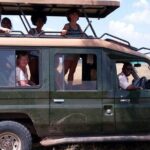
- Private 4×4 for your group: you control the pace with your driver/guide, inside the rules of each park.
- Samburu’s river focus (Ewaso Nyiro): game viewing is concentrated where wildlife gathers along the banks.
- Lake Nakuru’s bird and rhino mix: flamingos, pelicans, and both black and white rhinos can be part of the same day.
- Maasai Mara full-day game drive: a long day designed for maximum sightings, with extra time near the Mara River.
- Great Migration season window (July–October): you may see it when timing lines up.
- Optional Maasai village visit: a cultural stop that can add context to what you’re seeing outside the road.
What This 6-Day Safari Really Delivers
This safari is built for people who want to see Kenya’s big nature hits without doing complicated planning. In one week, you’re moving through three major reserves—Samburu National Reserve, Lake Nakuru National Park, and Maasai Mara National Reserve—each with a different feel and different wildlife priorities.
The most practical advantage is the schedule: you’re not just doing one “wildlife day.” You get multiple game drives in dry country, a dedicated Rift Valley wildlife-and-birds day, and then a full Mara day that’s long on purpose.
Also, because it’s private, your guide can tailor where you spend time based on what’s happening that day (within park guidelines). That matters when animal sightings are unpredictable.
You can also read our reviews of more private tours in Maasai Mara National Reserve
Price and Value for a Private Jeep Safari
At $5,980 per person, this is not a budget trip. The value question comes down to what’s included and how much driving time you get.
Here’s what helps the price make sense:
- Park admission tickets are included across the days listed.
- Your safari includes pre-booked accommodation and all-inclusive meals.
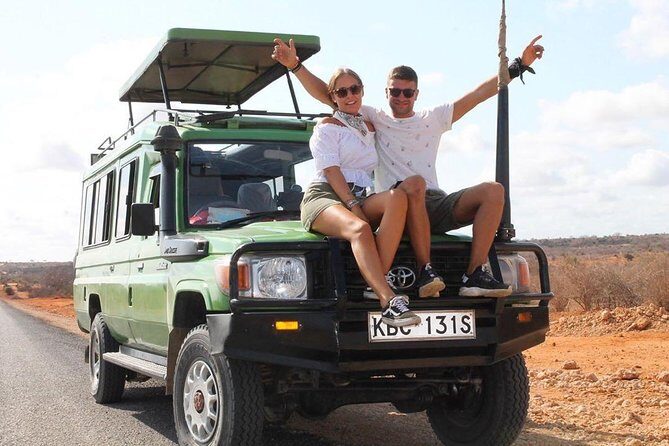
- You get comfortable ground transfers in a private 4×4.
- You’re not relying on hop-on transport between parks; pickup and a driver/guide handle the route.
Where you should be realistic: this itinerary is intense. You’ll spend a lot of hours in the vehicle, and that’s part of the deal with Kenya safari logistics. If you’re someone who hates long drives, you’ll feel it.
Day 1: Nairobi Highlands to Samburu’s Hot River World
Day 1 starts with pickup from Nairobi airport or your Nairobi hotel, with a 7:00 am start. You’ll head out through Kenya’s central highlands, passing coffee, tea, sisal, pineapple, and subsistence farming along red-soiled slopes with local homesteads.
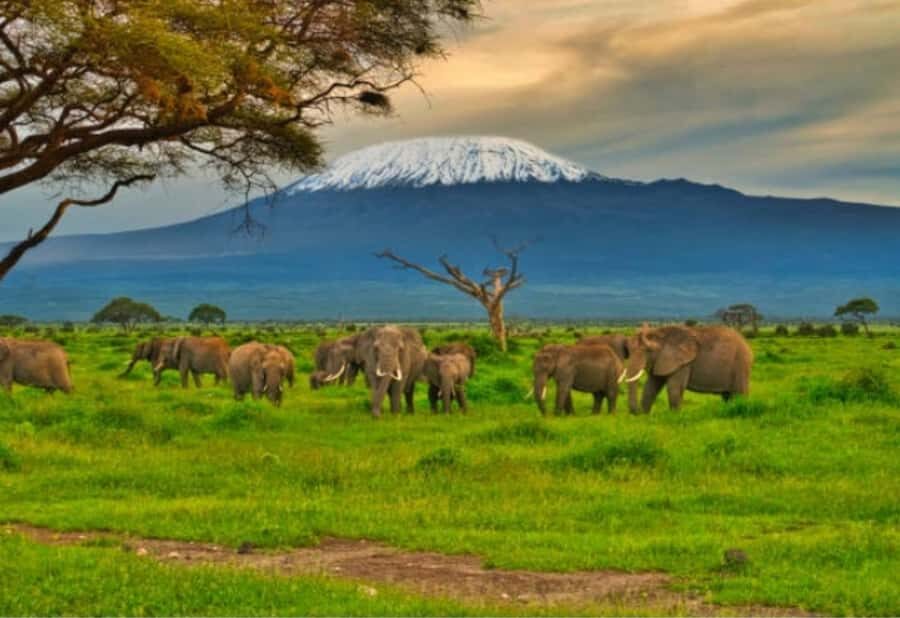
Keep your eyes up on this drive. You’ll see the Mount Kenya snow-capped peaks along the safari route when the weather allows, which is a nice mental reset from city life.
In the afternoon, you shift into Samburu country with an initial game viewing drive across Samburu, Shaba, and Buffalo Springs reserves. The big idea here is to start early enough to get your first wildlife momentum before you settle into your camp or lodge.
Practical note: your first day is when you’ll feel the rhythm of safari life—spotting, scanning, and then waiting for animals to decide they want to be seen. If you’re patient, the scenery and the first sightings will set the tone.
Day 2: Another Samburu Game Drive Where Wildlife Concentrates
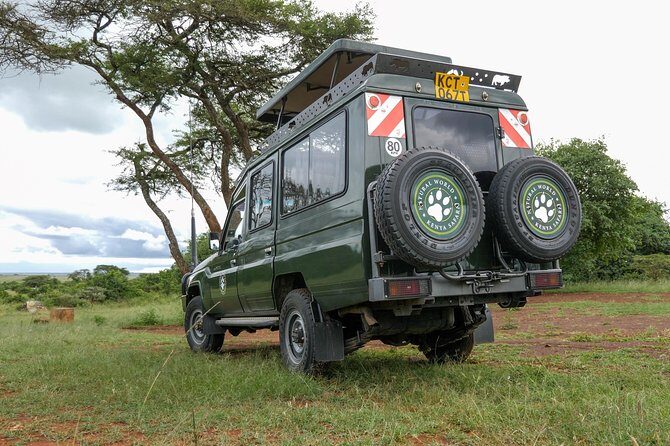
Day 2 stays in Samburu National Reserve, and it’s very focused. You’ll spend the day on game viewing drives plus breaks, with the main viewing areas tied to the Ewaso Nyiro river.
In dry regions, rivers act like wildlife magnets. Even without a “guaranteed sightings” promise, this is the kind of habitat where you’re more likely to find animals clustering because water and shade pull them in.
Overnight is at your Samburu lodge or tented camp. This second Samburu day is valuable because it gives you a second chance to read the land. Animals can be active in different ways at different times, and the guide’s route choices can make a real difference.
Day 3: Lake Nakuru and the Birdlife Show
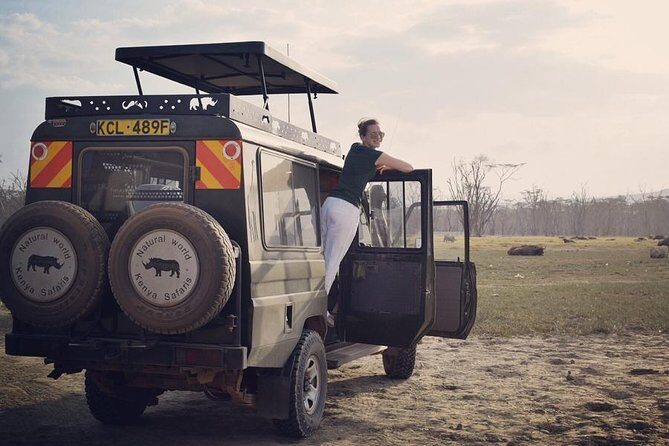
You leave Samburu early and exit toward Lake Nakuru National Park. Along the way, you stop at the Nyahururu area to view the Thompson Falls, which is a helpful way to break up a long safari day.
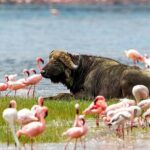
Then you get into the Great Rift Valley setting. Lake Nakuru is known as a birdlife heaven, and that’s not just a label. You’re in a place where you can look out over the lake and potentially spot flamingos (sometimes in smaller clusters) and pelicans alongside other water birds.
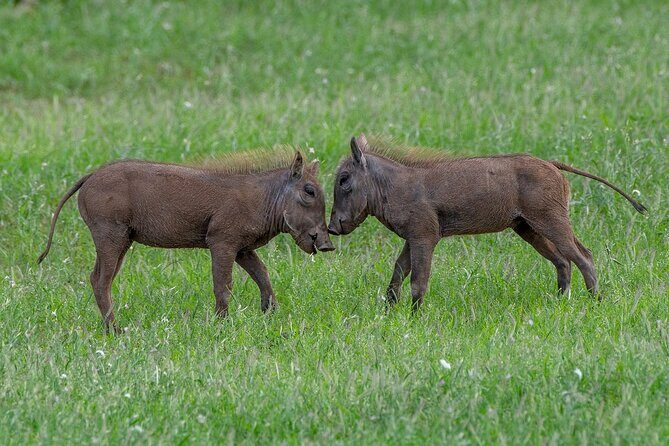
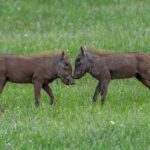
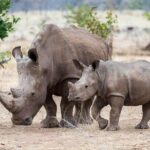
This day also includes some of the headline mammals. The park is home to black and white rhino, and you might encounter warthogs, lions, zebras, giraffe, and even hippos. (Your exact mix depends on what’s moving and where.)
What I like about this stop in the middle of your route: it changes the “vibe” from Samburu’s drier feel to a wetter, bird-and-lake environment. If you’re the kind of safari traveler who starts to get numb from hours of dry plains, Nakuru refreshes your eyes.
A few more Maasai Mara National Reserve tours and experiences worth a look
Day 4: Maasai Mara Arrival and Your First Afternoon Drive
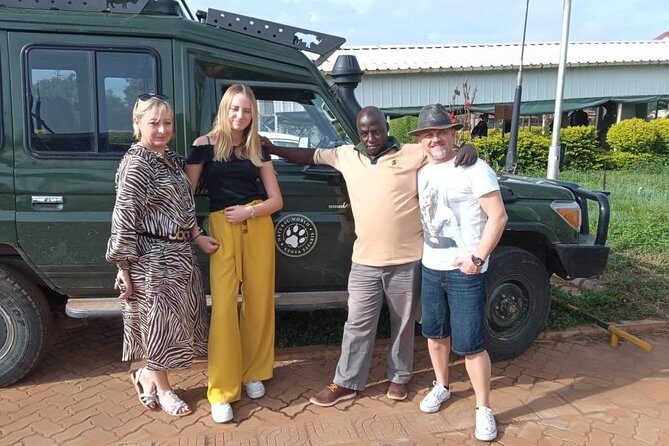
Day 4 brings the move into Maasai Mara National Reserve. After an early drive in the Nakuru area, you transfer toward the Mara and arrive in time for an afternoon game viewing drive.
This is a smart timing choice. You don’t try to cram the Mara into only daylight hours. Instead, you get enough time on arrival to start spotting, while the lighting and animal activity can be more forgiving in late afternoon.
Your overnight is at a Maasai Mara safari lodge or tented camp. Waking up in the Mara is its own feeling—you know you’re in the reserve people build whole trips around.
Day 5: Full-Day Maasai Mara Game Drive and the Mara River Moment
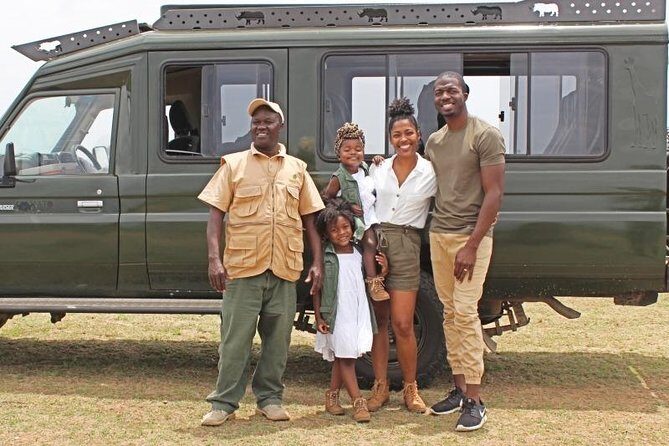
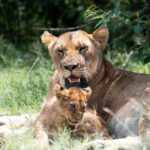
This is your biggest wildlife day. It’s a long session of unlimited game viewing across Maasai Mara, designed for maximum sightings. The reserve is famous for the concentration and variety of animals you can find in one place, including the “Big Five” category and lots of other species.
The other reason Day 5 matters is the Mara River area. You may watch hippos and crocodiles there, and if your dates fall in July–October, you may also catch the Great Migration.
Even if you’re not there for the migration, you’ll still be looking at predator-prey dynamics and animal movement across the plains. Expect the day to be about patience, repositioning, and scanning rather than one single dramatic moment.
A body note: this kind of full-day drive is rewarding, but it can be tiring. Bring layers, plan for long seating time, and treat hydration and snacks like part of the safari checklist.
Day 6: Pre-Breakfast Drive, Last Look, Then Back to Nairobi
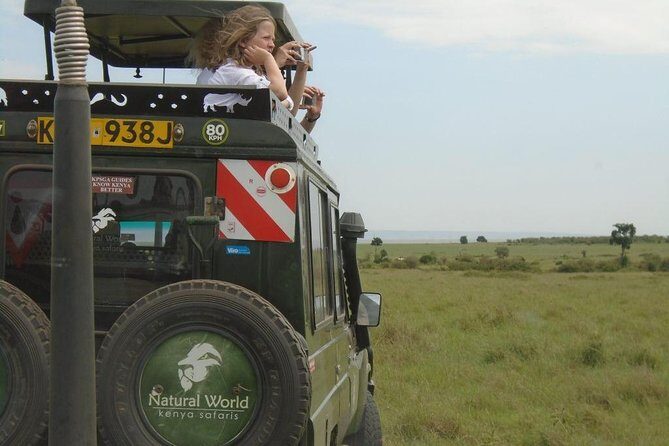
On your final morning, you start with a pre-breakfast game viewing drive. Then you get an extra final game drive as you exit the reserve.
After that, you depart Maasai Mara for Nairobi and aim to arrive late afternoon, with the safari finishing around 4:30 pm.
This final day is a good example of how the itinerary balances ambition with realism. You’re not rushing straight back after Day 5. You get another chance early in the day when animals often feel more active, and then you close the trip with a last look before heading into the city.
The Guide Factor: How Your Driver Changes the Trip
In a safari, the “script” is the route and the park rules. The real performance is how your guide reads the land.
In the positive stories tied to this type of Kenya safari, I’ve seen praise for guides who are safe drivers and tuned-in to what’s happening out on the plains. Names that came up include Peter, Joseph (and Joseph Koikai), Caleb, Robinson, Michael, Ben, Fred, Ken, and Kim Ngare. You can’t count on any specific person, but it does tell you what to look for: strong spotting skills, calm driving, and clear explanations.
What you should expect from the guide side in this kind of private setup:
- Background context while you drive between habitats
- Help interpreting what you’re seeing in real time
- Adaptation when animals move differently than expected
Also, because it’s private, you’re more likely to get answers to your questions without feeling rushed.
Lodges, Meals, and Ground Comfort (Without Overpromising)
This trip includes pre-booked accommodation and all-inclusive meals, and that helps a lot. You’re not hunting for food options after long drives, and you can settle into the routine quickly.
The exact lodge level isn’t specified in the trip details you shared, but the overall structure is clear: you’ll have a place to sleep after each reserve day and you won’t be managing the logistics between stops.
What I’d plan for personally is timing and energy more than comfort. The safari “work” comes from wildlife scanning and waiting. Comfortable ground transfers and planned meals remove the unnecessary friction.
Wildlife Expectations: What You Can Hope For, and What You Can’t
You should go in expecting great wildlife opportunities, but also accept that sightings are never a bingo card.
Here’s what the route supports based on habitat:
- Samburu: concentrated wildlife along the Ewaso Nyiro river area in dry conditions.
- Lake Nakuru: strong odds for birdlife, plus potential rhino and classic Rift Valley mammals.
- Maasai Mara: a high chance of major predators and large mammals, with Big Five possible in the right moments and locations.
Migration timing is explicitly seasonal. If you’re traveling in July to October, you’ll have the best shot at seeing Great Migration activity in the Mara area.
And here’s the honest reality that helps: your guide’s route choices and timing inside each day can influence what you see. That’s why a private vehicle and a skilled driver/guide matter.
Optional Maasai Village Visit: Culture With Context
This safari includes an optional visit to a Maasai village. I like adding this kind of stop when it’s handled as context rather than a photo stop.
Used well, it can help you understand what you’re seeing around you—how communities live in and near wildlife regions, and why conservation and traditional livelihoods can intersect in complicated ways.
If you’re deciding whether to add it, choose based on your interest in culture and conversation. If you prefer pure wildlife time, you can still enjoy the full reserve schedule.
Should You Book This Samburu, Lake Nakuru, and Maasai Mara Private Safari?
If you’re craving one-week value for Kenya’s headline reserves, this itinerary makes sense. The biggest strengths are the private 4×4 setup, multiple ecosystems across the week, and a full-day Maasai Mara drive built for serious game viewing.
That said, I’d book with your eyes open. Because there are reports of payment trouble with the company in the past, I’d do three things before you commit:
- Get the key details in writing, including what is included and what is handled for park access.
- Confirm what you’re paying and when, and make sure you understand the flow of funds.
- Keep your travel documents organized so you’re not scrambling if anything feels unclear.
If you want a safari that’s big on wildlife time, and you’re comfortable with long days on roads in a 4×4, this is the kind of trip that can be life-tilting.
FAQ
What is the start time for this safari?
The safari start time is 7:00 am.
Is this tour private?
Yes. It’s a private tour/activity, meaning only your group participates.
Which wildlife areas and parks are included?
You’ll visit Samburu National Reserve, Lake Nakuru National Park, and Maasai Mara National Reserve.
Are park admission tickets included?
Yes. Admission tickets are included for the days listed in the itinerary.
Is there an optional Maasai village visit?
Yes. The experience includes an optional visit to a Maasai village.
What is the cancellation policy?
You can cancel up to 6 days in advance for a full refund. Cancel 2–6 days before for a 50% refund, and within 2 days there is no refund.
—
If you tell me your travel month and whether you care most about Big Five, rhinos, or migration, I can help you sanity-check how well these dates usually line up with the sightings you’ll want to chase.