REVIEW · KENYA
Amboseli Wildlife Day Tour And Masai Village Visit
Book on GetYourGuide →Operated by Savannah Horizons Safaris · Bookable on GetYourGuide
Kilimanjaro looks close before breakfast. This Amboseli day tour strings together an early open-roof game drive with the chance to spot wildlife against the backdrop of Mt Kilimanjaro, plus a Maasai village visit for culture and dance.
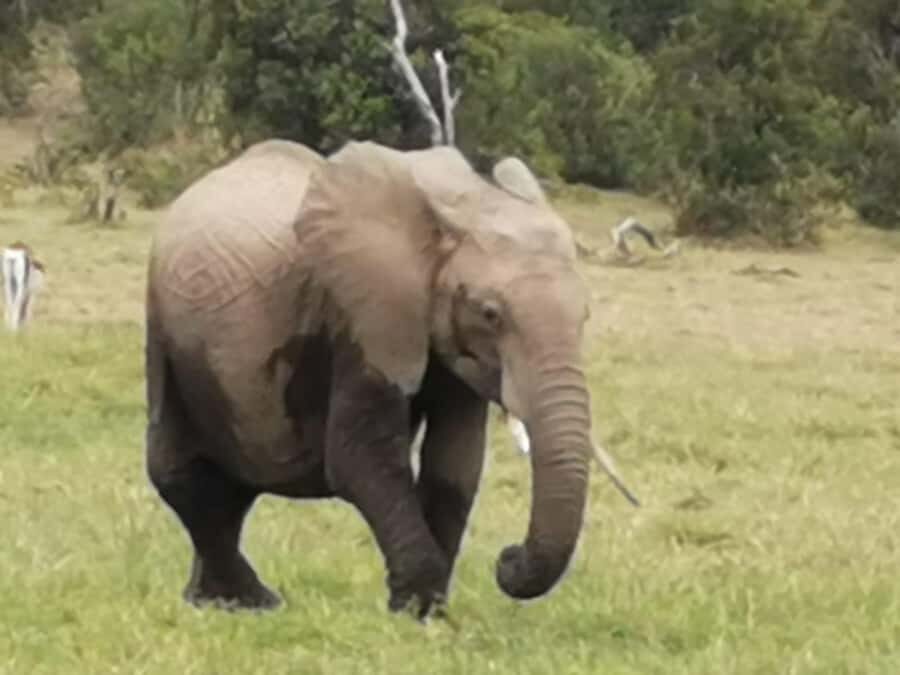
What I love most is the mix of classic safari viewing and hands-on local time. You get to look for elephant families around the acacias, and you also spend a real chunk of the day with the Maasai—traditions, activities, and traditional dances.
One big thing to consider is the timing. This is a long day with a very early pickup, and delays can happen, so you need stamina and patience for a ride that often runs well past sunset.
In This Review
- Key Highlights You’ll Actually Care About
- Amboseli and Kilimanjaro: The Whole Reason This Tour Exists
- Your Day’s Clock: 5am Pickup, Emali Stop, and the 8:30 Gate
- Game Drive Strategy: Where Animals Tend to Show Up
- Hippos and Flamingoes: The Swamp Stop That Changes the Mood
- Spotting Lions, Leopards, and Cheetahs: The Reality Check
- Observation Hill: The View That Helps You Understand the Park
- Lunch at Kibo Super Lodge: A Midday Break You’ll Need
- Maasai Village Visit: Culture, Dance, and the Built-In Shopping Moment
- The Open-Roof Van and the Comfort Reality
- Price and Value: What $162 Covers, and What You Pay Later
- Who This Tour Fits Best
- Should You Book This Amboseli and Maasai Day Tour?
- FAQ
- What time is pickup from Nairobi?
- How long is the tour?
- What is included in the price?
- Are the park fees included?
- How much is the Maasai village visit fee?
- Is lunch included?
Key Highlights You’ll Actually Care About
- Mt Kilimanjaro views from within the park: the mountain shows up often enough to plan your day around it.
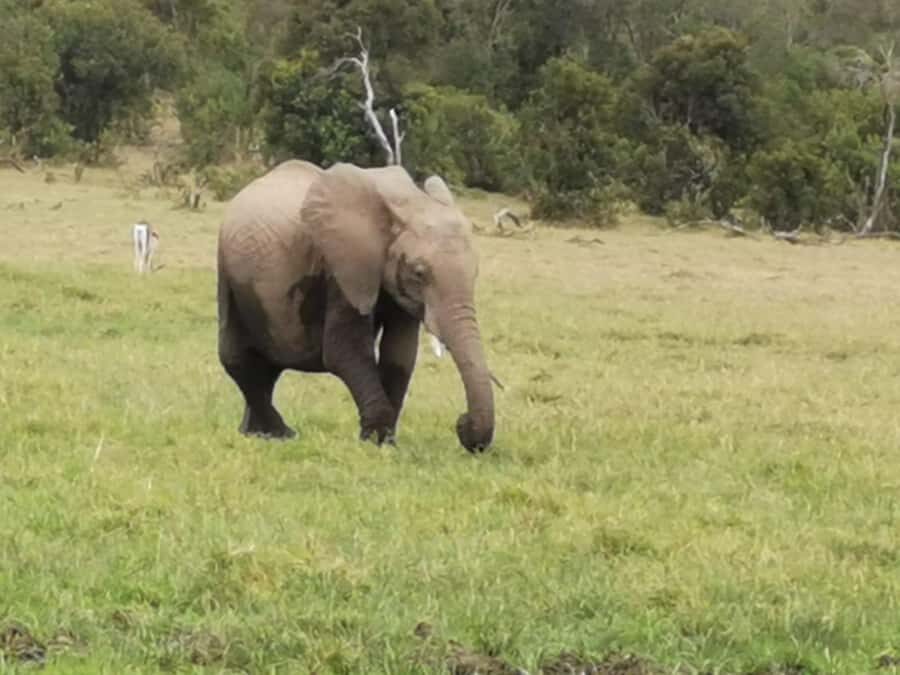
- Elephant sightings near acacia shade: Amboseli’s elephant habitat is part of the payoff.
- Hippos and flamingoes in the swamps: you’re not only chasing big cats.
- Observation Hill for a park-wide perspective: it’s your best chance to reset and see the bigger picture.
- Maasai village visit with dance and a cultural walkthrough: you’ll see more than a quick photo stop.
Amboseli and Kilimanjaro: The Whole Reason This Tour Exists
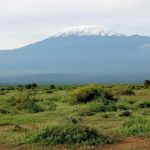
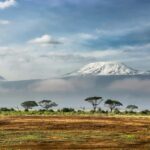
Amboseli National Park is famous for a simple reason: Mt Kilimanjaro can look surprisingly near. Even when clouds roll in, you may still catch the mountain’s outline, and sometimes the snow-capped top area if weather cooperates. That’s a big deal because it changes how you feel during the drive. You’re not just counting animals. You’re also looking at one of Africa’s most iconic views while the light shifts across the plains.
The park’s wildlife focus is also a smart match for a one-day itinerary. You’re aiming for variety, not just one species. You’ll be scanning for elephants, and you’ll also have a route that can include the wetlands where hippos and flamingoes show up. That mix matters because it gives you multiple “wins” even if predators are slow that day.
You can also read our reviews of more tours and experiences in Kenya.

Your Day’s Clock: 5am Pickup, Emali Stop, and the 8:30 Gate
This tour starts with a 5:00am pickup from your Nairobi hotel or apartment, then you travel in an open-roof safari van. You’ll make a stopover in Emali town, and after that, the drive continues through plains and valleys scenery until you reach the park gate at 8:30am.
That schedule has two practical benefits. First, it puts you on the road early enough for animals to be active and for the light to be kind for viewing. Second, it gives you time for more than one game-drive section inside Amboseli, including a central spot for views.
The tradeoff is obvious: it’s a marathon day. Even when everything runs smoothly, you’re out early and you’ll be returning to Nairobi around 6:30–7:00pm via the busy Mombasa road. If you’re sensitive to early starts, or if you want a relaxed day with no commuting stress, this probably isn’t your vibe.
Game Drive Strategy: Where Animals Tend to Show Up
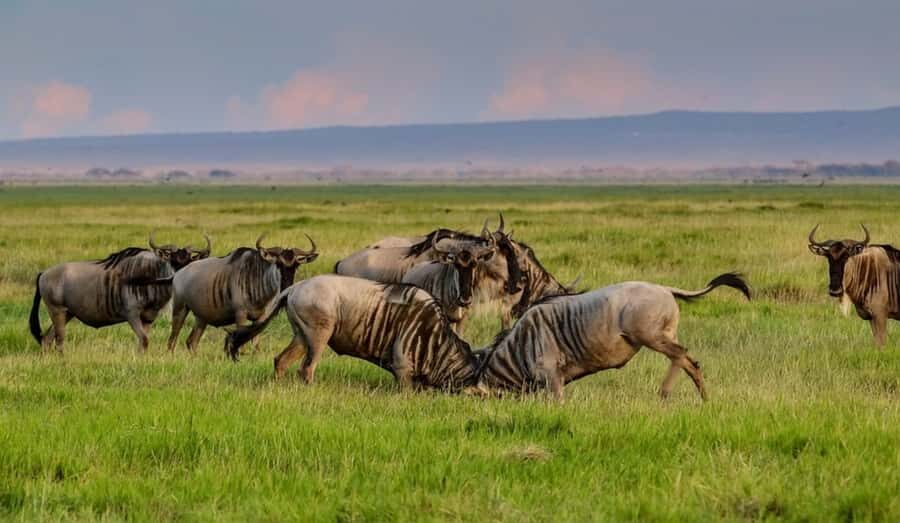
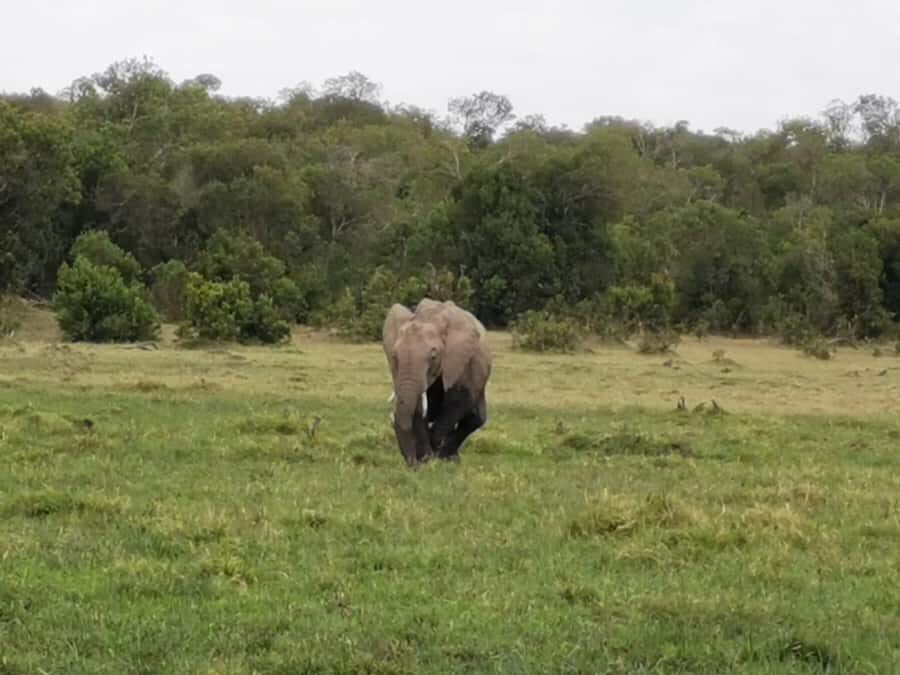
Inside Amboseli, your driver/guide works the park for sightings during the morning and early afternoon game-drive blocks. The key feature to understand is how the habitat is set up. Amboseli is known for elephants taking shade near large acacia trees. That means you’ll often be watching areas where the landscape offers cover, and where elephants can settle in groups.
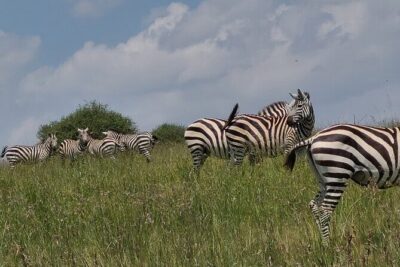
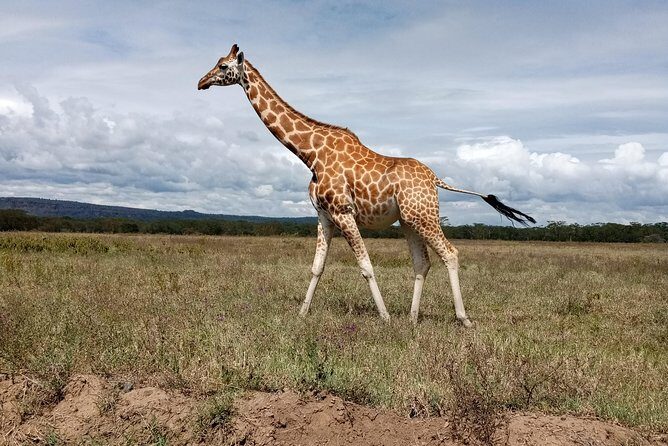
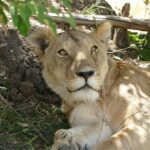
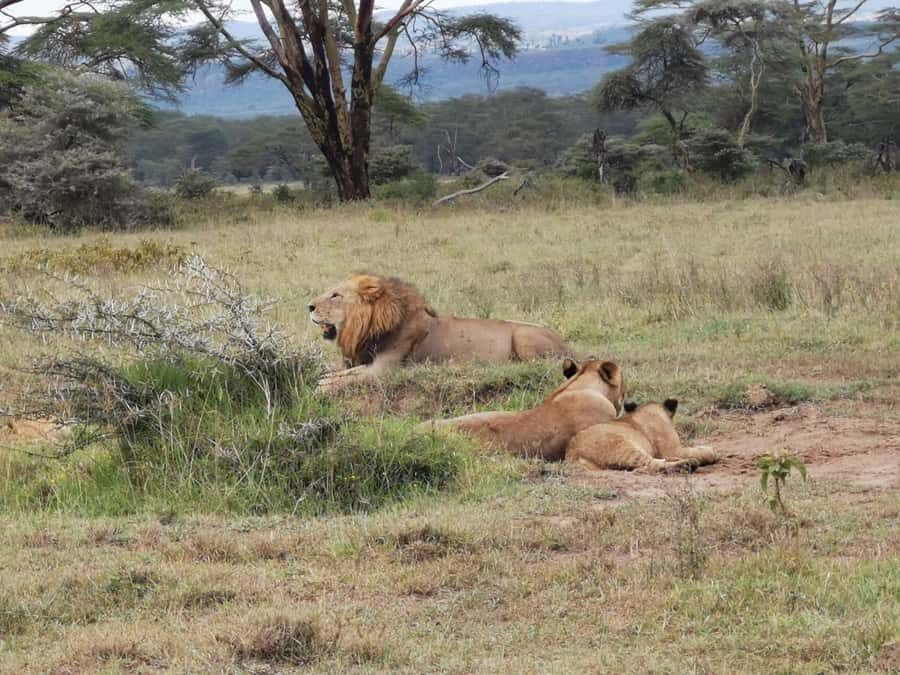
You’ll also be looking for other large mammals such as lions, leopards, cheetahs, buffalos, and giraffes. The important word here is look. This is wildlife viewing, not a guarantee. Some days are better for predators than others. In practice, it’s still worth aiming for them because the park can deliver surprises, but you should go in with flexible expectations.
Birdlife is a major part of Amboseli’s value too. You’re in a park that supports over 300 bird species. So if you’re the kind of person who enjoys more than just the “big five” style chase, you’ll have plenty to focus on with flamingoes by the swamps and lots of smaller movement along the water and vegetation edges.
Hippos and Flamingoes: The Swamp Stop That Changes the Mood
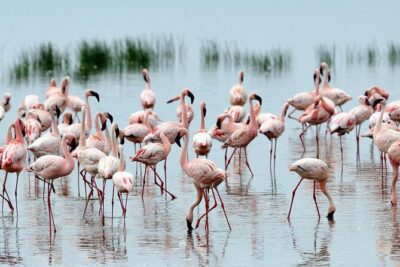
Not every safari day includes wetlands. Here, it’s built in. Hippos and flamingoes can be seen around the swamps connected to underground water coming from the mountain. That detail matters because it explains why the wetlands can be such a reliable viewing zone in a park that also has dry-looking stretches.
This part of the day is often where the viewing feels different. Instead of only watching for slow-moving giants in dusty plains, you may be scanning for ripples, movement at the waterline, and the slow, elegant pattern of flamingoes feeding or resting. If you find that standard “drive and scan” can get repetitive, the swamp areas add rhythm.
Also, wetlands can make photography more forgiving. Birds tend to hang around once you find the right spot, and hippos don’t always show themselves instantly, so patience can pay off. Bring a bit of time for the moment when the scene finally clicks.
Spotting Lions, Leopards, and Cheetahs: The Reality Check
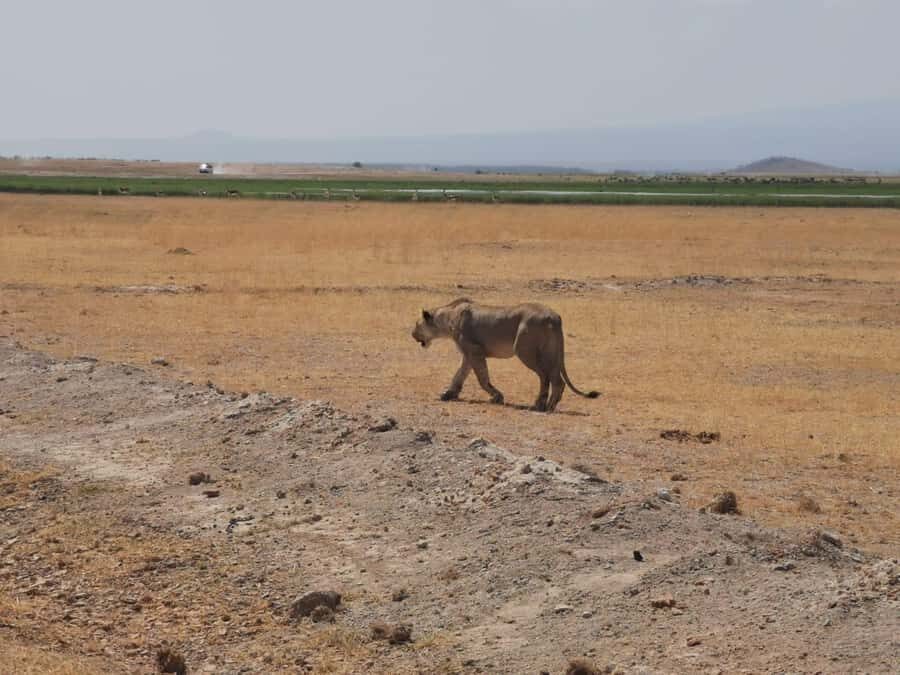
Amboseli can host predators, and your route may include places where lions, leopards, and cheetahs are present. But real talk: predator sightings can be hit-or-miss on any given day, and that’s true even in a world-class park.
Some departures have had people leave without seeing the big cats they hoped for, while still having a very satisfying day because elephants and birds delivered strong sightings. If your personal priority list is strict—meaning you will feel disappointed unless you see a leopard—this is the one area where you need to adjust your plan.
A smarter approach is to treat predators as a bonus. You’ll still get an excellent safari day for elephants, habitat, and views, and you can let predator sightings happen when they happen rather than grinding your morning into frustration.
Observation Hill: The View That Helps You Understand the Park
Later in the drive, you’ll visit Observation Hill at the center of the park for a view over Amboseli and Mt Kilimanjaro. This stop is about more than scenery. It helps you put everything in context—where the water sits, where the open ground stretches, and why certain areas might attract animals at certain times.
It’s also a great moment to reset your brain. When you’ve been scanning for several hours, your eyes can tire. Observation Hill acts like a pause button. Even if the mountain is partly obscured, you’re still likely to get a sense of scale, and sometimes the snow-capped top area shows up when clouds thin.
If your phone or camera battery struggles in cooler early hours, this is a good point to check power and clean lenses. You’ll be glad you did when the mountain view lines up.
Lunch at Kibo Super Lodge: A Midday Break You’ll Need
At 1:30pm, you exit the park and take a break for lunch at Kibo Super Lodge. The lunch stop matters because you’re changing gears from long game drive hours to human time.
Food and drinks are not included in the tour price, so plan to pay for your meal on-site. Still, the stop is valuable because it gives you a true break before the cultural part of the day. You’re not hopping straight from wildlife viewing into shopping pressure without a reset.
I’d treat this lunch break as your chance to rehydrate and refuel properly. If you’re expecting an energetic Maasai village visit after a morning of sun and dust, you’ll want the energy.
Maasai Village Visit: Culture, Dance, and the Built-In Shopping Moment
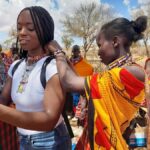
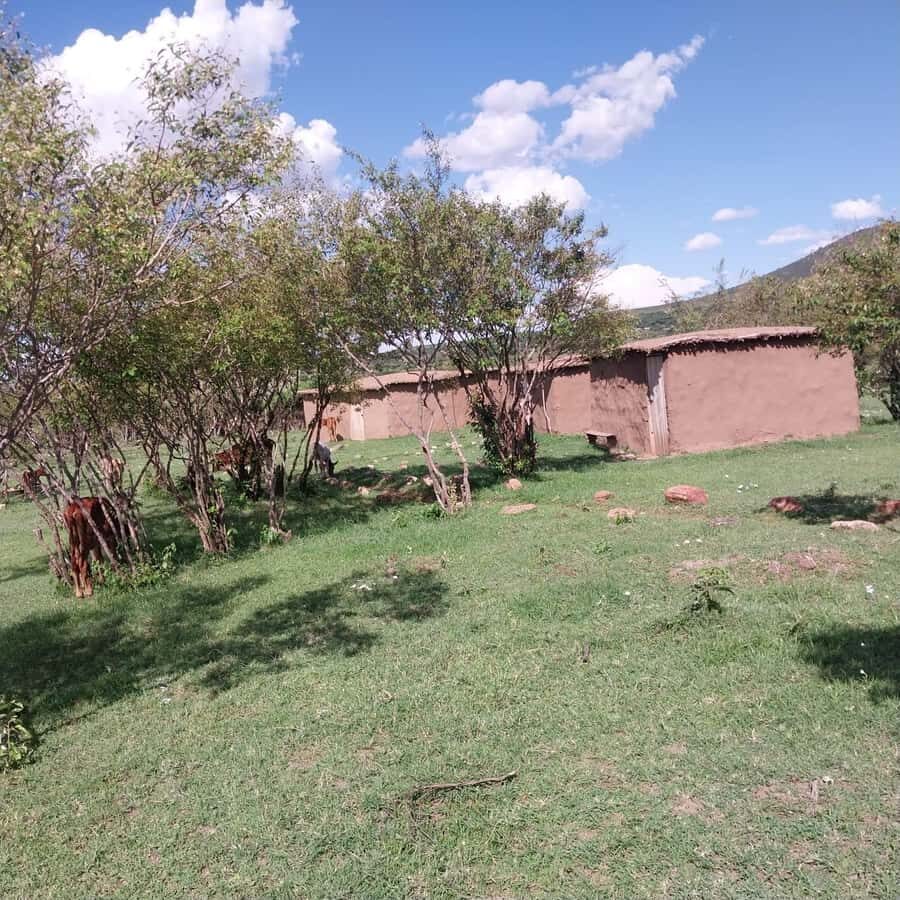
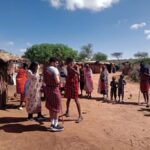
After lunch, you head to a Maasai village visit. This part is a major reason many people rate the day highly. You’ll interact with Maasai community members, learn about traditions and activities, and join in traditional dances. There’s also a chance to participate in a jump style experience during the festivities.
This cultural section tends to feel like more than a performance. It’s framed as learning—how people live, what their traditions look like, and what community life includes. Even when wildlife sightings vary, the Maasai portion can keep the overall day feeling meaningful.
One detail to plan for: the visit includes time for souvenir shopping. In practice, this can become intense because you’re often surrounded by many sellers lining up along display mats. Some visits also feel more sales-focused than others, so you’ll want to decide in advance whether you want to buy something and how firm you’ll be about staying friendly but not pressured.
If you dislike shopping interruptions, treat it like a planned stop, not a surprise. If you do like supporting crafts, bring small cash and have a rough budget in mind so it stays fun.
The Open-Roof Van and the Comfort Reality
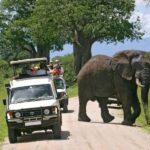
The tour uses an open-roof van, which is great for visibility during game drives. You don’t feel as boxed in, and your view angles are better for spotting animals at the edges of the road.
Comfort is the tradeoff. Early mornings can feel chilly before the sun warms up, and dust can get into everything if you’re not prepared. I’d bring sunglasses, a hat, and a light layer you can handle quickly. Also, water is included, which is helpful, but you’ll still want to drink steadily across the morning and into midday.
The long drive times also make it worth bringing patience. Some days have run late at pickup, and once that happens, the whole day stretches out. Plan your expectations around a realistic timeline, not an ideal one.
Price and Value: What $162 Covers, and What You Pay Later
The listed price is $162 per person for a one-day tour that includes transport in an open-roof van, a professional driver/guide, game drives, pickup and drop-off in Nairobi, bottled water, plus the Maasai village visit.
But there are extra costs you should know upfront:
- Park fees: $90 per adult, $45 per child (not included)
- Maasai village visit: $30 per person (not included)
- Lunch and drinks: not included, even though lunch is taken at Kibo Super Lodge
So, the real value question is this: does the day’s structure match what you want? If you’re excited about the Kilimanjaro-view safari vibe plus a cultural village time, you’re paying for two experiences in one long day. If your main goal is only wildlife and you’re hoping for specific predators, you may find the cost harder to justify when sightings don’t line up with your expectations.
Still, when you factor in the early pickup, park access, and the guided drive that’s built around wildlife and bird spotting, the pricing can make sense. You’re not just buying a ride—you’re buying a day plan with routes and timing designed to maximize viewing.
One more practical note: a portion of the experience depends on weather. Kilimanjaro views can be clouded, and that can affect how magical the morning feels. If mountain views are your top priority, I’d still book, but keep your expectations flexible.
Who This Tour Fits Best
This tour works best if you want one packed day that covers three angles:
1) wildlife viewing across elephants and wetland birds
2) a shot at Mt Kilimanjaro views from within the park
3) a Maasai cultural visit with dances and participation
It’s a solid fit for couples, solo travelers, and anyone who likes guided structure more than self-driving. It also suits people who enjoy birds and habitats, not only big cats.
If you’re traveling with small kids or you get worn down by long transit days, this may be tough. The early pickup and return window mean you’ll lose a full day of energy, and the ride time can stretch.
Should You Book This Amboseli and Maasai Day Tour?
I’d book it if your “yes” comes from variety: elephants, birds, and the chance to see Kilimanjaro up close, then a real cultural stop that includes dancing and community interaction. It’s also a good choice if you understand that predators are a bonus, not the main guarantee.
I wouldn’t book it if you’re set on a short, low-effort day, or if you need a very predictable schedule with zero delays. When the day runs long or views are clouded, the wildlife can still be beautiful, but the experience won’t hit the same peak notes.
If you go in ready for a long day with flexible wildlife expectations, you can walk away with a mix of big-safari moments and meaningful cultural memories.
FAQ
What time is pickup from Nairobi?
You’ll be picked up from your Nairobi hotel or apartment at 5:00am.
How long is the tour?
The tour lasts 1 day.
What is included in the price?
Included are transport in an open-roof van, a professional driver/guide, pickup and drop-off in Nairobi, game drives, a bottle of water, and a Maasai village visit.
Are the park fees included?
No. Park fee is $90 per adult and $45 per child.
How much is the Maasai village visit fee?
The Maasai village visit fee is $30 per person and is not included.
Is lunch included?
Lunch is scheduled during the day at Kibo Super Lodge, but food and drinks are not included.