REVIEW · KENYA
Lamu Old Town Walking Tour
Book on Viator →Operated by Kassim Tours & Holiday Dreams · Bookable on Viator
Lamu Old Town moves at walking speed. This 2 to 3 hour walk is a smart way to connect the dots between Swahili culture and the craft work you actually see on the streets. It is led by Kassim Tours & Holiday Dreams, with a guide fluent in English, and it is capped at 15 people so the stories do not get swallowed by the crowd noise.
I especially like two things. First, the route pulls you to Lamu seafront moments, plus traditional Swahili music, so you feel the place, not just read about it. Second, you get hands-on context for crafts like wood carving of doors, silversmithing, and weaving, with visits near working shops instead of stopping only at monuments.
One consideration: admission is not included for the fort and the museum, so you may pay extra on site if you want to go inside. Also, good weather matters, and the streets are narrow, which means this is best when you are happy to walk at an easy pace.
In This Review
- Key highlights you will actually care about
- A short walk that makes Lamu’s old town make sense
- Lamu Town Square start: where your bearings form fast
- Lamu Fort, Lamu Museum, and what the buildings used to do
- Wood carving doors, silversmithing, and weaving: crafts that explain the town
- Donkey Sanctuary and the seafront: balance for your legs and your mood
- The stops you should expect on the route
- English guide who connects details to your questions
- Price and value: why $20 can feel like a bargain here
- What to wear and how to pace yourself on narrow coral streets
- Who should book this walk in Lamu Old Town
- Should you book the Lamu Old Town walking tour?
- FAQ
- How much does the Lamu Old Town Walking Tour cost?
- How long is the tour?
- What is included in the price?
- Are entrance fees included for the fort and museum?
- Where does the tour start?
- Does the tour end back at the start?
- What kind of ticket do I receive?
- How large are the groups?
- What stops are part of the walk?
- Is good weather required?
Key highlights you will actually care about

- Coral-stone lanes and carved door details: you will pause for street-level features, not just sweeping views.
- Lamu Fort and Lamu Museum context in one loop: you hear how the buildings were used by different rulers over time.
- Crafts you can see in motion: wood carving, silversmithing, and weaving show up where local work happens.
- Donkey Sanctuary stop: a meaningful break that adds heart to a walk that is mostly history and design.
- Kassim style guidance: the guide is known for practical tips, souvenir pointers, and helping with shortcuts.
A short walk that makes Lamu’s old town make sense
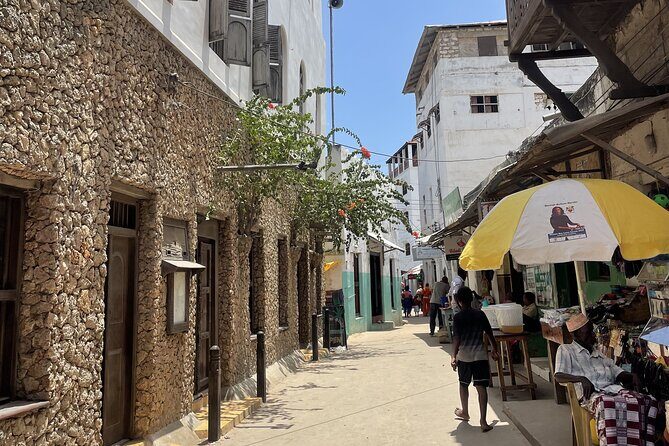
Lamu Old Town is famous for its lanes, doors, and coastline vibe, but it can be easy to wander for a couple hours and still feel like you saw only random buildings. This tour is built to prevent that.
You start at Lamu Town Square (PWJ2+FWW), then move through the old town area as your guide explains what you are looking at. The pacing is designed for a quick but coherent experience: you get history stops, craft stops, and cultural stops without feeling rushed. Because the group limit is 15 travelers max, you can ask questions and get answers without shouting across the street.
The guide also does something that makes a big difference in value: they point you toward practical extras. That can include where to eat Swahili cuisine, where to stay, and what other activities fit your schedule. If you are planning side trips like sailing tours, fishing tours, or how to get to Takwa Ruins, the guide can help you plan smarter with your remaining time.
You can also read our reviews of more walking tours in Kenya

Lamu Town Square start: where your bearings form fast
Starting at Lamu Town Square is a practical choice. It is a clear reference point, and it helps you orient yourself before the lanes narrow and twist. Within the first part of the walk, the tour leans into what makes Lamu feel distinct: the coral-stone architecture, carved doorwork, and the mix of cultural influences you see in everyday details.
You do not just pass storefronts. The walk is set up so you can look at craftsmanship closely, including the look of doors and the design language around homes. It is the kind of stop where you start noticing patterns on surfaces you would normally speed past, like the way wood carvings frame entrances and how materials reflect local building traditions.
This is also where music and atmosphere matter. The route includes time for traditional Swahili music, which is more than entertainment. It is a reminder that Lamu is not only historic architecture, it is living culture. That is the vibe you want to catch early, so the rest of the tour feels connected rather than like separate photo stops.
Lamu Fort, Lamu Museum, and what the buildings used to do
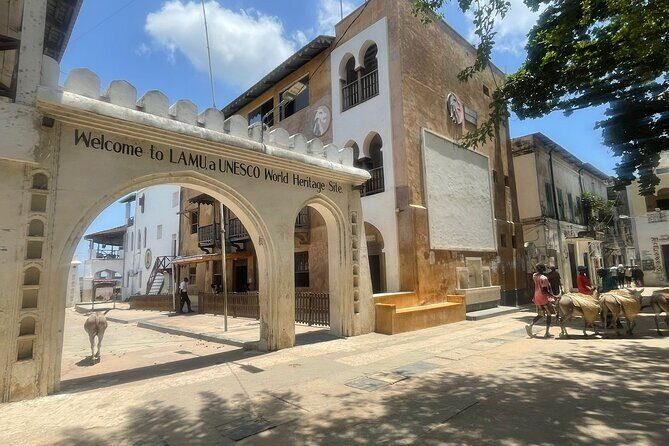
One of the most valuable parts is the history you hear while you are physically close to the sites. The walk includes Lamu Museum and Lamu Fort, and the stories are tied to how the buildings were used in different periods.
At the museum, you learn that it has served multiple roles. The first role connected to an Oman king when the building functioned as a palace. Later, during the British period, it became associated with the Imperial British East African Company as a headquarters. After that, it was converted into a museum.
Outside the museum, you see canons used to bomb the Sultanet at Witu. That is the kind of detail that makes history feel real. You are not just hearing a timeline in the abstract; you are seeing the physical artifacts tied to conflict and power shifts.
Important practical note: entrance fees inside the fort and museum are not included in the tour price. So if you care about inside viewing, you should budget extra. If you only want the street-level context and exterior viewing, the tour still works well.
Wood carving doors, silversmithing, and weaving: crafts that explain the town
The tour’s craft component is a big reason it works as a first or second visit to Lamu Old Town. You spend time around local working shops and craft areas, including wood carving and silversmithing, plus weaving and wave knitting.
Here is what that means for you in real terms. If you have ever bought a souvenir that looked nice but had no story, this is your fix. You get the cultural and artistic logic behind the products. Door carvings are not random decoration. They reflect local design habits, materials, and skilled workmanship.
Silversmithing also fits the story well, because it shows how valuable metalwork is in a place shaped by trade and long-distance connections. Even if you do not buy anything, you will learn what to look for, and your shopping instinct improves fast.
Weaving and wave knitting add another layer. These are crafts that make sense when you see the work up close, because you can connect technique to texture and final use. Expect the guide to explain the role of these products and, based on your questions, point you toward what is worth seeing or buying.
A practical tip here: if you are souvenir shopping, ask the guide to help you compare options. Kassim is specifically known for giving tips on where to buy and how to plan shortcuts, which can save you both time and frustration in the maze of lanes.
Donkey Sanctuary and the seafront: balance for your legs and your mood

Not every Lamu tour balances structure with breathing space. This one includes stops that help the walk feel humane, not just busy.
The Donkey Sanctuary stop is a thoughtful pause. It shifts the focus away from buildings and crafts and gives you a chance to connect with animal care work happening locally. Even if you only spend a short time there, it changes your mood. You come back to the architecture with less of a museum fatigue feeling.
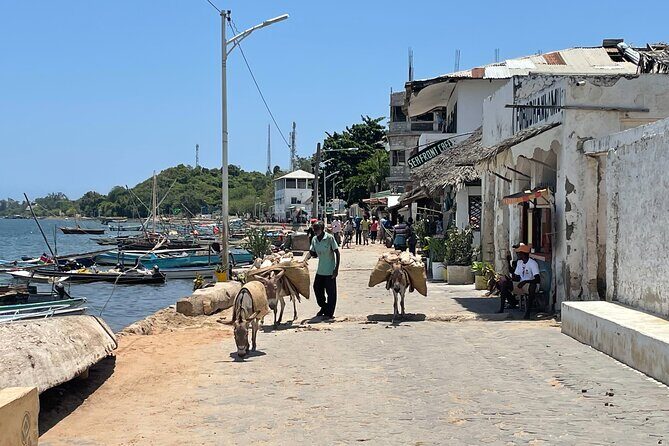
Then you reach the seafront area, where the pace naturally softens. The sea breeze and open sightlines counter the tight lanes. For photos, it also helps to break up the visual rhythm, so your pictures do not all look like the same coral-stone corridor.
This seafront time matters because Lamu is coastal. If your visit only focuses on door carvings and market stalls, you miss the full setting that shapes daily life. The tour makes sure you get that context without adding an entire separate half-day excursion.





The stops you should expect on the route
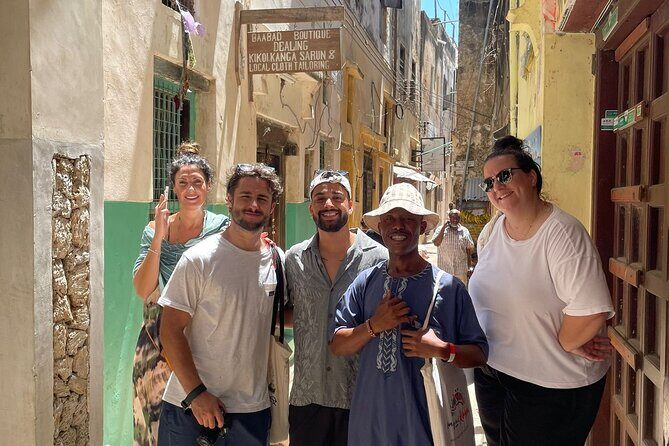
You can think of the itinerary as a loop of themes: old town landmarks, market and shops, cultural sites, then back toward the meeting point.
Key stops include:
- Lamu Museum and Lamu Fort, with exterior canons described and the chance to decide on inside admissions
- Lamu Market and Lamu Town Square, useful for understanding daily life
- Wood carving and silver smith areas around local working shops
- A Swahili house museum with unique architecture
- A German post office stop
- Lamu seafront and traditional Swahili music time
- Donkey Sanctuary
A couple of these are especially useful depending on your interests. If you like architecture and power history, the museum and fort area will be your anchor. If you like design and shopping, the door carving and silversmithing shops give you material to judge quality and craftsmanship. If you like culture and atmosphere, the music and seafront add a feeling component that is hard to replicate on your own.
English guide who connects details to your questions
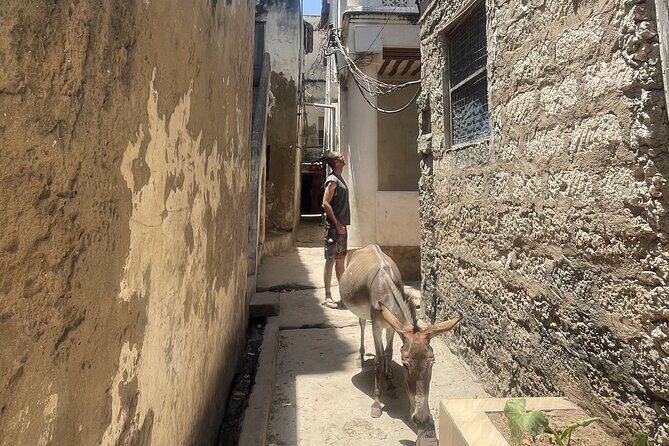
This tour is guided by a professional English-speaking guide, and that is not a small detail. In a place like Lamu, where the “why” behind details can be hard to guess, you want someone who can translate what you are seeing.
In particular, Kassim is known for going above and beyond with help that goes past the walk itself. That includes friendly conversation, pointers on souvenirs, and giving shortcuts to locations. For you, that can turn this into more than a walk. It can become a way to get your bearings faster.
The guide also recommends local places to eat and ways to extend your time in Lamu with activities like sailing or fishing, plus guidance on reaching places such as Takwa Ruins. You should use that. Even basic advice can help you avoid time-wasters and pick options that fit your interests and energy.
Price and value: why $20 can feel like a bargain here

At $20 per person for a 2 to 3 hour walking tour, this is priced for accessibility. The main value driver is the combination of: (1) a guide for the time of the tour, (2) multiple culture and craft stops, and (3) the fact that you are not paying separate costs just to understand what you are seeing.
You do still need to plan for the one major extra cost: entrance fees are not included for the fort and museum. So your true total depends on what you choose to go into. If you do go inside, you are still likely to feel the value because the explanations happen while you are right there, rather than after the fact.
Small group size matters too. With a maximum of 15 people, you get more of the guide’s attention. That is a big part of why a low price does not mean a low quality experience.
Booking timing is another practical detail. The tour is often booked about 17 days in advance on average, so if your dates are fixed, it is smart to reserve earlier rather than hoping it fits last minute.
What to wear and how to pace yourself on narrow coral streets
Since you will spend most of the time walking through old town lanes and corners, your comfort choices matter. Wear shoes you trust on uneven ground. Bring water, especially if the day is warm. Plan for some standing around at shops and points of interest, including music and craft viewing.
Also, this experience requires good weather. If conditions are poor, you will be offered a different date or a full refund. In other words, do not lock your schedule so tightly that you cannot shift by a day.
Finally, remember the time frame: you are out for 2 to 3 hours. That is a good length for a first orientation walk. It is also long enough that you should build it into your day strategically. Put it earlier, and your remaining time in Lamu gets easier because you understand where things are and why they matter.
Who should book this walk in Lamu Old Town
This tour is a great fit if you want:
- A structured way to see Lamu Old Town landmarks like the museum, fort, and market
- Craft-focused stops, especially door carving and silversmithing
- Clear English explanations about Swahili culture, music, and local products
- A guide who can add recommendations for food, lodging, and side activities
It is also a strong choice for a first visit. You will get a broad snapshot that helps you decide what to revisit on your own.
You might choose something else if you want a longer, deeper museum-heavy day. The walk is compact by design, and with optional inside admissions, you may want an additional focused plan later for whatever interests you most.
Should you book the Lamu Old Town walking tour?
Yes, if you want an efficient introduction to Lamu that mixes culture, craft, and coastal mood. The price is friendly, the group is small, and the guide is there for questions, tips, and even practical shortcuts and shopping guidance. If you care about details like carved doors, silversmithing, and what the museum and fort represent across different periods, this tour does a good job turning scattered sights into a meaningful route.
Book it with one expectation set: part of the experience is deciding whether to pay for inside access to the fort and museum. If you are happy to make that call and you are okay walking narrow lanes for a couple hours, this is a smart value move.
FAQ
How much does the Lamu Old Town Walking Tour cost?
It costs $20.00 per person.
How long is the tour?
The tour lasts about 2 to 3 hours.
What is included in the price?
The tour includes a tour guide for the time of the tour.
Are entrance fees included for the fort and museum?
No. Entrance fees inside the fort and the museum are not included.
Where does the tour start?
The tour starts at Lamu Town Square (PWJ2+FWW, Lamu, Kenya).
Does the tour end back at the start?
Yes. The activity ends back at the meeting point.
What kind of ticket do I receive?
You receive a mobile ticket.
How large are the groups?
The maximum group size is 15 travelers.
What stops are part of the walk?
The tour includes stops such as the Lamu Museum, Lamu Fort, Lamu Market, Lamu Town Square, Donkey Sanctuary, the seafront, weaving and local craft shops like wood carving and silversmithing.
Is good weather required?
Yes. The experience requires good weather. If it is canceled due to poor weather, you will be offered a different date or a full refund.