REVIEW · KENYA
Masai village visit from Nairobi day tour
Book on Viator →Operated by Safarilinks Africa Limited · Bookable on Viator
A Maasai village visit starts early and then turns into real-life cultural time—no map anxiety. I like that the tour pairs an organized Nairobi pickup with a straightforward drive to Kajiado, so you spend less energy figuring things out. I also like the hands-on homestead activities, where you see daily routines like milking and food prep, not just a quick photo stop.
One thing to keep in mind: your time inside the village portion may feel shorter than you hope. The visit can be done in a relatively small village, and during daylight hours some Maasai men may not be around, so plan for interaction that comes and goes.
In This Review
- Key highlights you can plan around
- From Nairobi pickup to Kajiado savannah: how the day really flows
- What you’ll experience at the village: homestead work, conversation, and dance
- Maasai warriors and an introduction
- Inside the homestead: what you actually see
- Traditional dances and ceremonies
- The small-group size and guided role: who does what
- Timing: why 6:00am matters (and how it shapes your day)
- Price and real value: the $65 ticket plus the on-site costs
- What $65 covers
- What you pay separately
- A smart budgeting tip
- Practical comfort: what to bring and how to set yourself up
- Who this tour fits best (and who should look elsewhere)
- Should you book? My honest take
- FAQ
- FAQ
- What time does the Masai village day tour start?
- How long is the tour?
- Where does the tour begin?
- Is pickup included?
- What’s included in the tour price?
- What costs are not included?
- How much are the Masai guide and entry fees?
- Are there language options?
- How big is the group?
- What’s the cancellation policy?
Key highlights you can plan around
- 6:00am start from Nairobi helps you beat traffic and use the day efficiently
- Air-conditioned vehicle + bottled water keeps the drive more comfortable
- Meeting Maasai warriors and homestead visits focus on daily life, not just performances
- Traditional dances and ceremonies give you a more complete cultural picture
- Small group (max 15) tends to feel easier than big coach trips
- Budget for extra costs like the Maasai guide fee and any entry fees
From Nairobi pickup to Kajiado savannah: how the day really flows

This is a classic Nairobi half-day culture trip: you start at 6:00am, ride out to the Maasai area, spend time with a community, and then head back. It’s built for people who want something meaningful without losing the whole day to logistics.
The first win is the simplicity of the start. You get driver/guide support and pickup is part of what’s included, and you’re traveling in an air-conditioned vehicle. That matters in Nairobi, where early morning moves can still feel chaotic. It also matters if you’re coming from the airport—an airport pickup is included, which helps you avoid the stress of finding transport right after a flight.
Then there’s the drive itself. One review I reviewed highlighted that the drive from Nairobi took about 3 hours, so you should assume a long outbound stretch. That’s not a deal-breaker, but it does change the rhythm. You’ll want to treat this as a full trip day, just with a short window at the village itself.
You can also read our reviews of more tours and experiences in Kenya.



What you’ll experience at the village: homestead work, conversation, and dance

The main event is a Maasai village visit in the Kajiado region. When you arrive, you’re met by Maasai community members who share customs and daily life. This is where you start getting past the idea of culture as something you watch from a distance.
Maasai warriors and an introduction
You’ll typically meet Maasai warriors first. In practice, this is your orientation moment: they explain what they do, how they live, and what certain traditions mean. It’s also when questions start to matter. If you’re curious, this is the time to ask about clothing, routines, and how the community organizes daily life.
In one review, the writer noted how friendly the interaction felt and how spending time with the group left a lasting emotional impression. Another mentioned that their guide was patient and tailored to their needs, which is a great reminder: if you have specific questions, speak up early rather than waiting.
Inside the homestead: what you actually see
A big reason people enjoy this tour is the look at everyday tasks. You can expect demonstrations tied to daily living, such as:
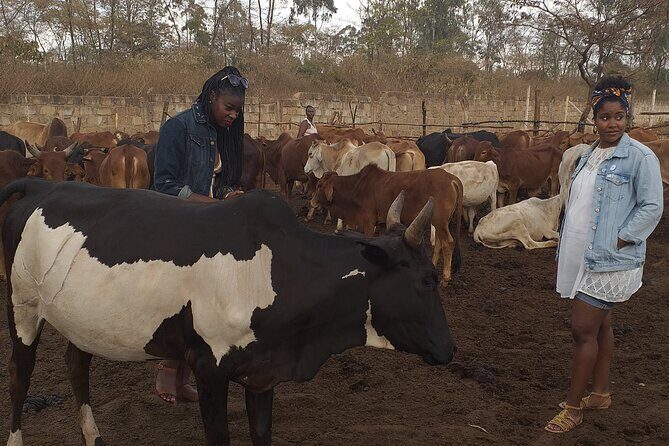
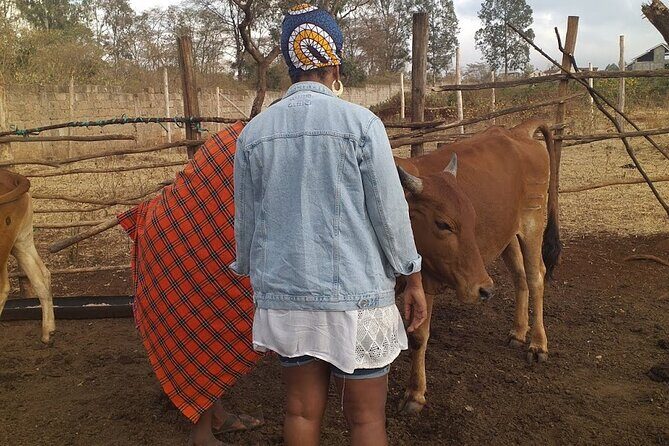
- Milking cows
- Herding goats
- Preparing food using traditional methods
This is the portion that usually feels most grounded. You’re not just hearing stories; you’re watching how routines work. If you enjoy learning by observing, you’ll likely get more out of this than someone expecting a theatrical show.
There’s also interaction time. Depending on how the visit is organized that day, you may spend anywhere from about 30 minutes to 1 hour interacting with community members. One key takeaway from that reality: keep your expectations flexible. You’re going to want conversation, but you’ll also want to accept that it won’t look like a full open-ended cultural stay.
Traditional dances and ceremonies
The tour also includes time for traditional dances and ceremonies. Think of this as the energy shift in your day. If you’ve been quiet during the homestead portion, this is where people tend to loosen up, engage more, and show you the performance side of tradition.
If you’re the type who likes movement and music, this part will feel like the payoff. If you prefer quiet conversation, still try to watch closely—you can learn a lot from how a ceremony is structured and how participants respond to the group.




The small-group size and guided role: who does what
The experience runs with a maximum of 15 travelers, and that’s not a minor detail. Smaller groups usually mean:
- Less waiting while everyone moves as a block
- More time for back-and-forth questions
- A calmer experience during the handoff from driver to community
Your driver/guide plays two roles. First, they handle getting you there and back in a safe, efficient way. Second, they help translate and keep things clear as you shift between the vehicle and the village setting.
In the reviews, guide names came up like Isaiah and Douglas. That’s a good sign that the guides are part of the experience quality, not just a ticket to the area. If your guide is patient and responsive, your cultural time tends to feel more personal and less rushed.
One practical note: based on how the day can be scheduled, you might be driven to the village and then spend your interaction window with the Maasai community for a set period. That means the tour is not a constant commentary session. If you want more explanation, ask your guide for quick context at the start, then return to them for any follow-up questions when the group reconnects.
Timing: why 6:00am matters (and how it shapes your day)

Starting at 6:00am is a deliberate choice. You’re not going to sleep in, but you’re also not stuck in Nairobi traffic for hours before you even reach Kajiado.
You should plan around:
- A long drive (about 3 hours is a realistic planning estimate from Nairobi)
- A shorter village interaction window (often 30 minutes to 1 hour, depending on the day)
- A total duration of about 6 hours for the overall tour
That blend changes what kind of expectations are realistic. This is not a slow cultural immersion day with hours of conversation. It’s a focused introduction plus a few demonstrations. If you want one foot in Maasai daily life and one foot back at your hotel by late morning, this fits.
If you’re hoping for a big village scene with everyone participating at once, consider the trade-off. Some visits may be to smaller communities, and some people may be away during the day. You’ll still learn a lot, but your experience might be more intimate than you imagine.
Price and real value: the $65 ticket plus the on-site costs
The advertised price is $65.00 per person, and the tour is often booked about 14 days in advance. That typical booking window is a hint: if your dates are firm, don’t wait until the last minute.
To judge value, look at what’s included versus what you pay separately.
What $65 covers
Included features include:
- Driver/guide
- Airport pickup
- Bottled water
- An air-conditioned vehicle
That’s meaningful if you’re flying into Nairobi or staying in the city and want a smooth start without hunting for a ride. In Nairobi, time and stress are real costs. A coordinated pickup plus a comfortable vehicle helps.
What you pay separately
You should also budget for on-site costs:
- Entry fees and a Maasai guide fee of $30 per person
- For children ages 6 to 10: $15
- Food and drinks (you’ll need to handle these)
Also note language options: if you require Spanish or French guides, there’s an additional $20 paid in cash.
So your “all-in” mindset should be: transportation and guidance are in the $65 package, and the cultural guide/entry costs are additional on top. People who are comfortable with that structure usually end up feeling the trip is worth it because you’re paying for access and guidance at the community level, not just transport.
A smart budgeting tip
If you’re comparing this to other day trips, compare the total cost for your group, not just the starting price. For families, also price out the child fees for ages 6 to 10 so you’re not surprised at the end.
Practical comfort: what to bring and how to set yourself up

Because the tour starts early and includes a drive and short village interaction, plan for comfort more than for luxury.
Bring what keeps you steady:
- A light layer for the morning drive
- Sunscreen and a hat (you may spend time outdoors during demonstrations and dances)
- Cash for any add-ons you might need, like the Maasai guide fee and possible language guide fees
- A water-focused mindset, since bottled water is included but you may want extra if you’re sensitive to heat
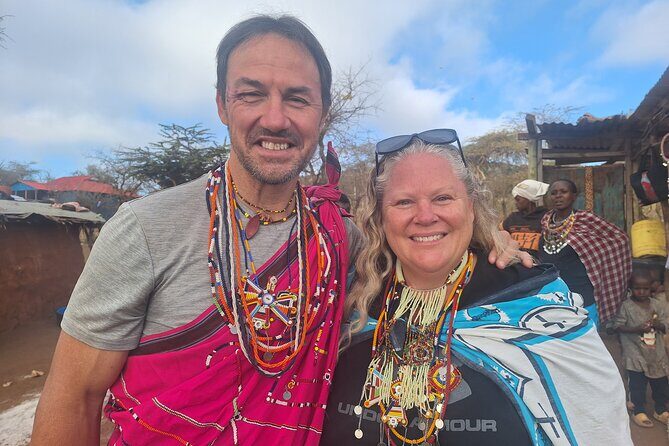
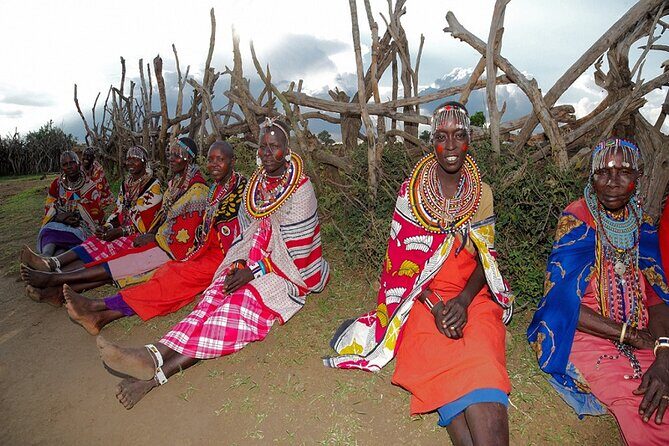
One more thing: be ready for a more direct kind of cultural interaction. In one review, the guest mentioned being adorned with beautiful Maasai jewelry during the visit. That kind of moment can be fun and memorable, but it also means you should be respectful and follow the community’s cues.
Who this tour fits best (and who should look elsewhere)
This Maasai village day trip is a great fit if you:
- Want a short, structured introduction to Maasai community life from Nairobi
- Like seeing daily routines like herding and food prep
- Prefer a small group with a guided setup
- Value pickup and a comfortable ride more than a long, slow itinerary
It may feel less ideal if you:
- Want hours of community time with no schedule constraints
- Expect a huge, crowd-level village where everyone is present
- Are extremely sensitive to the idea that interaction time can be limited during the day
If you fall into the second category, you might still enjoy the tour—just adjust your expectations. The best outcomes come when you treat this like an introduction and conversation, not a full-day immersion.
Should you book? My honest take
Yes, I’d book this if you’re looking for a practical cultural day trip that starts with pickup support and ends with real-world experiences like homestead demonstrations and dance time. The combination of organized transport, small-group structure, and a guided hand into Maasai village life is strong value for the time you’re investing.
I’d think twice if your main goal is long interaction or you’re hoping for a large-scale village scene every single time. In that case, choose this only if you can accept that your village interaction window may be shorter and that the community presence can vary by time of day.
FAQ
FAQ
What time does the Masai village day tour start?
The start time is 6:00am.
How long is the tour?
The duration is approximately 6 hours.
Where does the tour begin?
The meeting point is Nairobi, Nairobi.
Is pickup included?
Yes. Pickup is offered, and airport pickup is included.
What’s included in the tour price?
The included items are the driver/guide, airport pickup, bottled water, and an air-conditioned vehicle.
What costs are not included?
Not included: alcoholic drinks (available to purchase), food and drinks, entry fees and a Maasai guide fee ($30 per person), and any extra language guide fees if required.
How much are the Masai guide and entry fees?
The Masai guide fee is listed as $30 per person, and for children ages 6 to 10 the fee is $15.
Are there language options?
If you require Spanish or French guides, there’s an additional $20 paid in cash.
How big is the group?
The tour has a maximum of 15 travelers.
What’s the cancellation policy?
Free cancellation is available up to 24 hours in advance for a full refund.