REVIEW · NAIROBI
3 days maasai mara migration safari
Book on Viator →Operated by Sunstrip Africa Safaris · Bookable on Viator
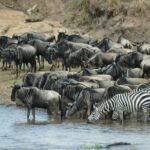
Three days, one big migration stage. A Masai Mara migration safari gives you real time in the reserve, with camp nights set up for game viewing, plus a smooth start from Nairobi. I like that you get an early pickup window (about 7–8am), an orientation, and a scenic route via the Great Rift Valley viewpoint and Narok town.
Two things I love right away are the long game-drive focus and the chance to ride with a guide who actually spots animals for you. Guides like Joseph (mentioned in feedback as a top-notch naturalist) are the difference between driving past sightings and getting the moment right.
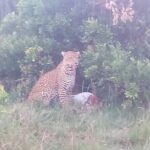
One possible drawback to plan around: big-cat and predator sightings can be hit-or-miss, especially leopards. Even with strong guiding, the kind of timing that puts an animal in the road can take patience.
In This Review
- Key points to know before you go
- Why Masai Mara migration-season safari hits different in 3 days
- Nairobi to the reserve: Rift Valley viewpoint and an easy first day plan
- Day 1 game drive: settling in, then getting your first wildlife wins
- Full day of game viewing on Day 2, plus the Hippo Pool lunch stop
- Day 3: a short morning drive, breakfast, then back to Nairobi
- Camp stays: what you can reasonably expect after long safari days
- Guide quality is the real superpower: what Joseph-style guiding looks like
- Price and value: what $642.86 buys you in real safari time
- Logistics you can plan around: timing, tickets, and daily rhythm
- Heads-up: money safety and dealing with the right operator
- Who this 3-day safari suits best
- Should you book this Masai Mara migration safari?
- FAQ
- What time is pickup for this Masai Mara safari?
- How long is the safari?
- What group size should I expect?
- Are park admission tickets included?
- Where does the safari start and end?
- Is a Masai village visit included?
- What meals are included?
- Do you get a mobile ticket?
- When do they offer pickups during the year?
- What is the cancellation/refund rule?
- How do I know my booking is confirmed?
Key points to know before you go
- Small group size (max 8) helps you stay flexible during game drives
- Early morning pickup runs daily around 7:00–7:30am during the listed season
- Guides who are strong spotters can help you find animals faster (Joseph gets named)
- Hippo Pool picnic lunch puts you in the right place for crocodiles and hippos
- Camp nights with bed and bedding keep you comfortable after full safari days
- Return to Nairobi on day 3 is scheduled for the evening, with hotel drop-off
Why Masai Mara migration-season safari hits different in 3 days
A 3-day Masai Mara migration safari is short enough to stay exciting, yet long enough to get more than one real crack at the action. You’re not just doing a quick loop; you’re spending days inside the reserve, where wildlife timing matters.
This style of trip also fits how safari actually works. You can drive for hours and still only get the right sightings if you’re in the right areas at the right times. That’s why the rhythm here is so practical: early departures, full days of searching, and camp stays that keep you close to where animals are.
A few more Nairobi tours and experiences worth a look


Nairobi to the reserve: Rift Valley viewpoint and an easy first day plan
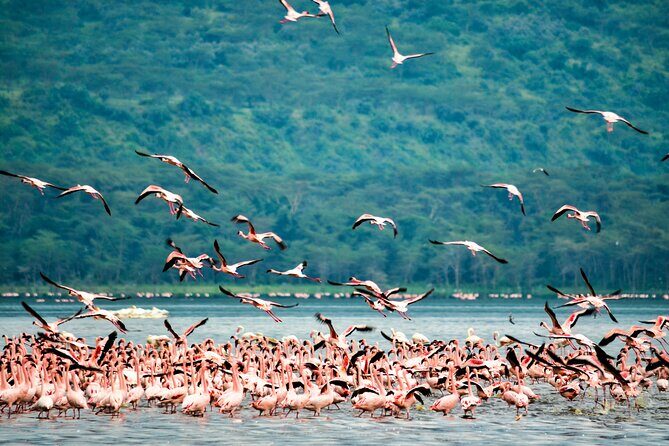
Your day starts with pickup from your Nairobi hotel between about 7 and 8am, depending on where you’re staying. There’s an orientation, then you roll out toward Masai Mara, passing by the Great Rift Valley viewpoint and through Narok town.
This first transfer matters more than people think. If you leave early, you gain daylight for the first game drive, and you land inside the reserve when animals are most active. Lunch is worked into the drive via Narok town, so you’re not stuck eating late or guessing logistics.
Once you arrive, the plan is simple: game drive, tracking animals and birds with your driver/guide, then dinner and overnight at your camp. Admission ticket access is shown as free for the experience, so you can focus on the safari part rather than paperwork at the gate.
Day 1 game drive: settling in, then getting your first wildlife wins
On day one, you’ll do an afternoon-to-evening style game drive after arrival. This is usually when you start learning the vehicle rhythm: where your driver likes to wait, how long they’ll circle for a sighting, and how quickly they pivot when something moves.
The big value here is that you’re in the reserve right away. A lot of short safaris waste the first hours on travel and paperwork. Here, you still get tracking time on the very first day, and you end with a camp night that keeps you close for the next morning.
If you’re someone who cares about spotting skills, pay attention to how your guide works the roads. In feedback, Joseph was highlighted for sharing animal habits and using serious spotting help, including telescopic scanning. Even when you don’t get everything, that kind of guiding turns sightings into something you can actually understand.
Full day of game viewing on Day 2, plus the Hippo Pool lunch stop
Day two is where this safari earns its name. After breakfast at camp, you head out for a full day inside the reserve for concentrated game viewing.
Masai Mara is known for good road and track coverage, and the practical result is closer-range viewing and easier photography. Translation: you’re not spending your day stuck on rough paths or far from the action.
For a real change of pace, there’s a picnic lunch at the Hippo Pool area. You’re in a spot where hippos and crocodiles are part of the scenery, so lunch time doesn’t feel like a break from the safari—it often feels like another viewing window. Even if you only see movement at the edge of the water, it’s still time well spent.
You also get an optional extra: you can visit a Masai village for an added cost. If that matters to you, ask your driver how it fits your day timing, because it can affect your viewing schedule. If it doesn’t matter, you still have a full day of reserve time.
Then you return for dinner and another overnight at the camp. By this point, you’ll be running on safari hours: early starts, long drives, and evenings that feel like a reward.
Day 3: a short morning drive, breakfast, then back to Nairobi

On day three, you’re back out early for a short game drive. This is your second chance at any animals you missed—or at least your chance to get one last look before the trip shifts from reserve time to city time.
After that morning drive, you go back to the camp for breakfast. Then it’s departure from the Masai Mara region back to Nairobi, with lunch en route.
You’re scheduled to arrive in the evening and be dropped at the Nairobi hotel you booked. If you plan to fly the same day, keep it simple: you’ll want buffer time, since travel can move slower than you expect.
A few more Nairobi tours and experiences worth a look




Camp stays: what you can reasonably expect after long safari days
The camp setup is described as an exclusive camp location in the reserve area, and the basics are clear: you get bed and bedding each night, with dinner included during the two camp nights. That matters because after sunrise starts and big driving days, comfort is not a luxury—it’s part of making the trip work.
Also, camp life is often quieter and more focused than city hotels. You’ll generally be ready to rest fast, and the schedule is built so you’re not rushing around at night.
In feedback, camp and meals were specifically praised. That’s a good sign because safari meals can either be a pleasant pause or a stressful afterthought. Here, you should expect food that keeps your energy up for another early start.
Guide quality is the real superpower: what Joseph-style guiding looks like
Here’s the truth: your driver/guide is doing the scouting and the teaching at the same time. In feedback, Joseph stood out for being passionate about animals, explaining animal habits, and helping the group spot wildlife.
Another detail mentioned was his use of telescopic vision to spot animals from farther away. That kind of skill changes how the day feels. Instead of hoping an animal appears close to the vehicle, you’re more likely to get earlier sightings, better viewing windows, and fewer wasted stops.
Your best move is simple: ask questions when you spot something. If your guide is the type who enjoys teaching, you’ll get more out of each sighting than just a photo. And if they explain what the animal is doing—feeding, resting, moving—you’ll start recognizing patterns across the day.
Price and value: what $642.86 buys you in real safari time
At $642.86 per person for 3 days, you’re paying for three big things: time in Masai Mara, camp nights with bed and bedding, and guided game viewing with hotel pickup and return. The schedule also shows admission ticket free, which is important because park access can add up on shorter safaris.
Where the value gets especially real is in how the days are structured. Day one starts early and delivers a game drive the same day. Day two is full-day viewing with a lunch stop that’s tied to wildlife (Hippo Pool). Day three gives you one more morning drive before heading back.
Small group size (maximum 8 travelers) can also improve value. It often means less crowding and a smoother flow for the guide while searching for animals.
The main value check you should do is this: you’re not just buying transportation. You’re buying the chance to spend time where wildlife tends to show up—and to do it with a guide who can help you find it sooner.
Logistics you can plan around: timing, tickets, and daily rhythm
You’ll want to be ready for an early start. The pickup window sits around 7:00–7:30am during the listed seasonal opening dates, and day-one pickup is described as 7–8am depending on hotel location.
You’ll receive a mobile ticket, and confirmation is received at booking. That’s a useful practical detail because it reduces last-minute uncertainty.
Also note the daily structure: lots of time outdoors, breaks built into the schedule (lunch and meals), and a camp-based overnight for two nights. This makes the trip feel organized rather than chaotic.
Heads-up: money safety and dealing with the right operator
There is a cautionary note in the feedback history. One person reported a deposit and described it as a theft with the company disappearing, and the response from the provider stated that the booking was not with the official Sunstrip Africa Safaris company and that the case was under investigation.
What you should do with that information is simple and smart:
- Only send money through the official, clearly confirmed booking channel.
- Keep your confirmation details and receipts.
- If anything feels off, pause and re-check.
It’s not something you can ignore in travel, especially when deposits are involved. Treat it like a normal safety habit, not a panic.
Who this 3-day safari suits best
This safari works best if you want a focused Masai Mara experience without turning the trip into a logistics puzzle. If you like early starts, full-day wildlife searching, and guided learning, you’ll likely enjoy the format.
It’s also a good fit for small groups. Maximum group size is listed as 8 travelers, which is helpful if you’d rather not be packed into a big van.
If you’re chasing a specific animal like a guaranteed leopard sighting, this may not be the right mindset. Predator sightings are never guaranteed, and leopards—when they do show—can be hard to spot even with a strong guide.
Should you book this Masai Mara migration safari?
Book it if you want the practical safari package: close-in camp nights, two strong days of game viewing, and a Hippo Pool lunch stop that keeps the schedule tied to wildlife. At this price point, the value is driven by how much time you spend in Masai Mara and by the quality of guidance highlighted in feedback, especially with guides like Joseph.
Skip it or reconsider if you’re uncomfortable with early mornings, long drives, and the reality that wildlife sightings can vary. Also, if you’re booking close to a deadline, double-check you’re using the official provider and confirmed payment process.
If you want, tell me your travel dates and your Nairobi hotel area, and I’ll help you plan what time to set aside for pickup and how to pack for the long safari days.
FAQ
What time is pickup for this Masai Mara safari?
Pickup is scheduled between about 7:00 AM and 7:30 AM (daily during the listed opening periods). Day 1 pickup is also described as 7–8am depending on your hotel location.
How long is the safari?
The duration is listed as 3 days (approx.).
What group size should I expect?
The tour lists a maximum of 8 travelers.
Are park admission tickets included?
Admission ticket access is shown as free for the experience.
Where does the safari start and end?
It starts with pickup from your Nairobi hotel. On day 3, you return to Nairobi and are dropped off at the hotel you booked.
Is a Masai village visit included?
A Masai village visit is optional and is listed as an extra cost.
What meals are included?
You have breakfast at the camp, a picnic lunch at Hippo Pool on day 2, and dinner at the camp on both camp nights. Day 1 also includes lunch en route via Narok town.
Do you get a mobile ticket?
Yes. The experience includes a mobile ticket.
When do they offer pickups during the year?
They list operation during the date ranges 03/20/2025–06/30/2025 and 03/20/2026–06/30/2026, Monday through Sunday, with pickup around 7:00 AM–7:30 AM.
What is the cancellation/refund rule?
You can cancel up to 24 hours in advance for a full refund. If you cancel less than 24 hours before the start time, there is no refund.
How do I know my booking is confirmed?
Confirmation is received at the time of booking.