REVIEW · NAIROBI
Karura Forest: Walking tour with Nature and Waterfalls.
Book on GetYourGuide →Operated by Allan · Bookable on GetYourGuide
Karura Forest can change your pace fast. It’s one of Nairobi’s best stretches of green, and this guided walk turns that scenery into a story about monkeys and waterfalls you can actually see up close.
What I like most is how the walk stays practical: you’re not just taking photos, you’re learning what to watch for—monkey behavior, forest cues, and how the waterways act when it rains. The other big win for me is the variety packed into a short time: caves with Kenyan history, two waterfall stops for pictures, and a stop at Lilly Lake where bird life becomes part of the walk.
The one thing to consider is that this is a real walking outing. You’ll cover a good chunk on foot (around 6–7 km is typical), and it’s not suitable for pregnant women—so comfortable shoes matter.
In This Review
- Key highlights worth planning for
- First steps at Karura Forest Gate C
- The trail walk: photos, forest smells, and monkey behavior
- The caves stop: history you can stand in
- River Café break: food and breathing room
- Waterfalls: two different looks, two different photos
- Lilly Lake: birds, calm edges, and a different kind of wildlife
- The second half of the walk: scenic, steady, and doable
- Rules that keep the forest enjoyable (and safe)
- Price and value: what you’re really paying for
- Who this tour suits best
- Should you book this Karura Forest walking tour?
- FAQ
- How long is the Karura Forest walking tour?
- What does the $40 price include?
- How much is the forest entry fee and how do I pay?
- Where do I meet the guide?
- What languages are available for the guide?
- Is this tour mostly walking?
- Are plastic bottles allowed in the forest?
- Can I feed the animals in Karura Forest?
- Is the tour suitable for pregnant women?
Key highlights worth planning for
- Monkey behavior explained on the trail so you know what you’re seeing and how to keep respectful distance
- Famous caves with context on their place in Kenyan life and local history
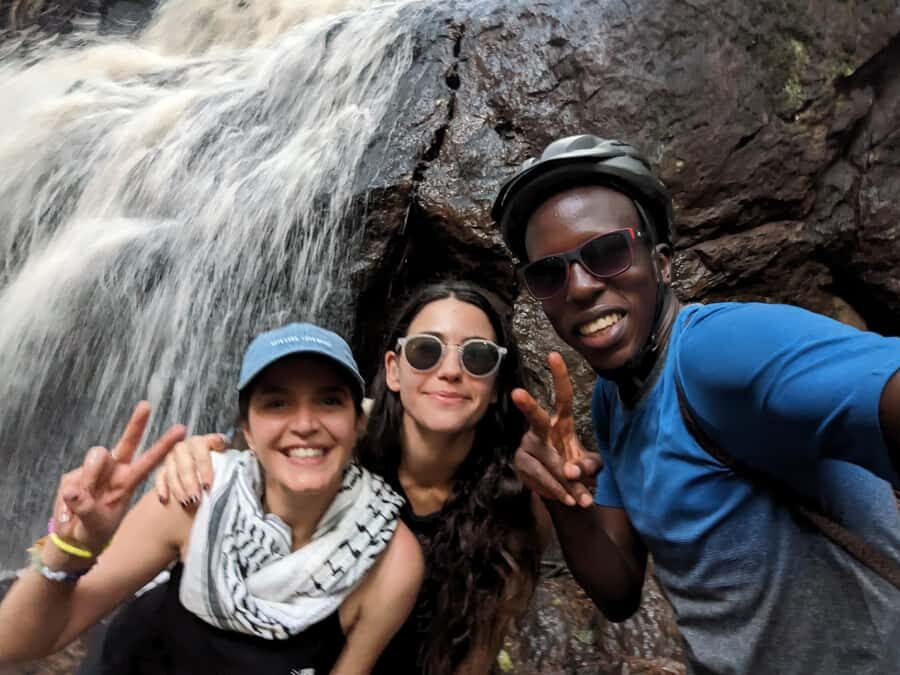
- Two separate waterfall stops for photos and that cool misty break from Nairobi heat
- Lilly Lake bird territory where the forest edges feel alive with movement
- Swahili words during the walk so the forest doesn’t stay silent in your ears
- River Cafe break time that makes the 3-hour schedule feel doable, not rushed
First steps at Karura Forest Gate C
This tour starts at Karura Forest Gate C on Kiambu Road, opposite Sharks Palace. If you’re using Uber, getting there is straightforward, and being at a clear gate beats wandering around trying to find the right entry point.
Before you start walking, there’s a short safety briefing. It’s quick, but it sets the tone: you’re walking in a working natural space with wildlife nearby, so you move calmly, you listen when your guide talks, and you follow the forest rules.
One practical note that affects your day: the forest entry fee is not included in the $40 price. It costs $4, and you pay with card or M-PESA (no cash). If you’re coming from Nairobi, make sure you have payment ready before you reach the gate so you don’t lose your start time.
You can also read our reviews of more walking tours in Nairobi

The trail walk: photos, forest smells, and monkey behavior
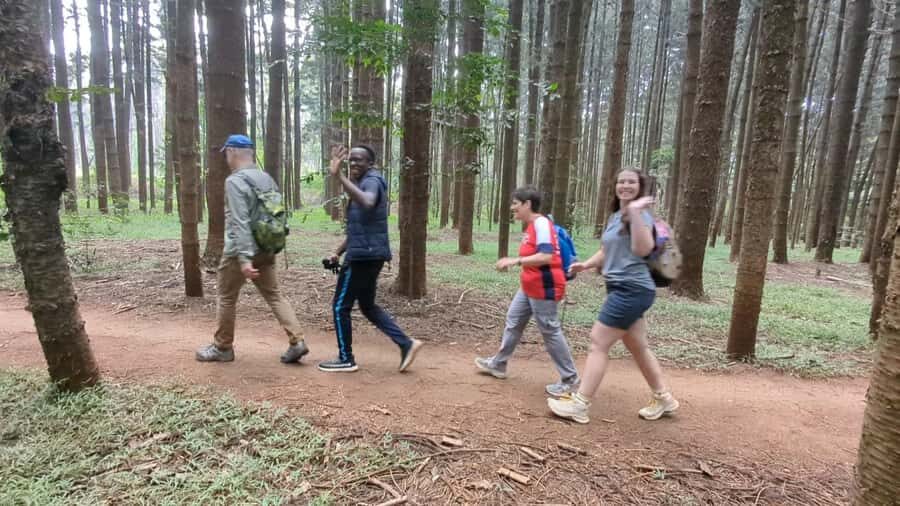
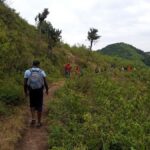
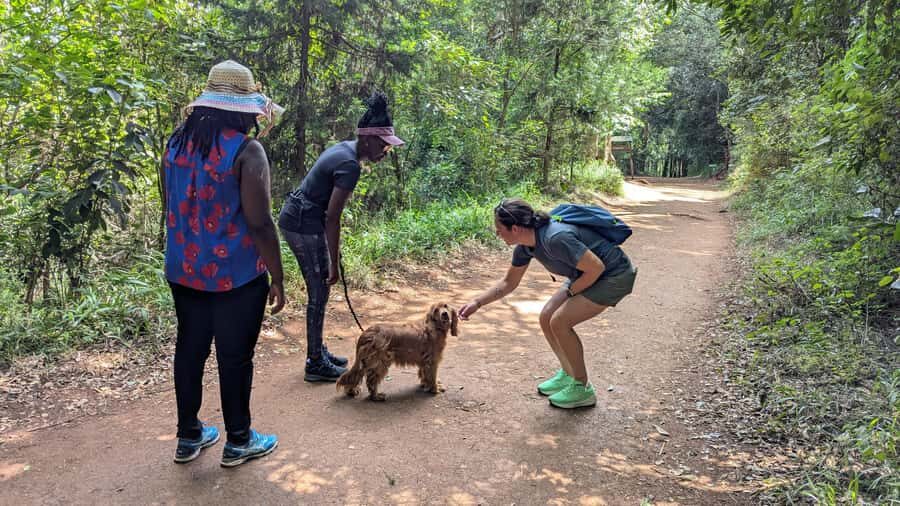
Once you’re on the paths, the feel changes fast. Nairobi can be loud; the forest isn’t. The guided portion focuses on what’s around you—woodlands, nature trails, and those small moments you’d miss if you were solo.
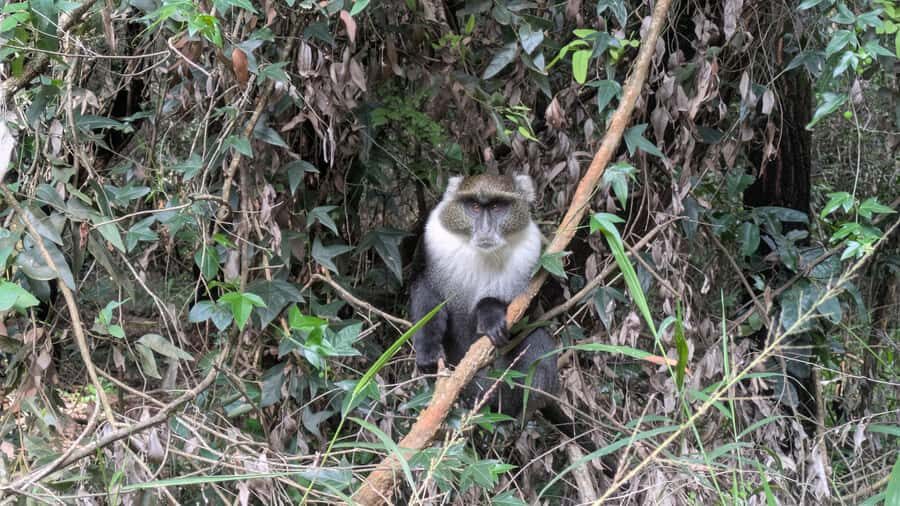
I like the way the monkey element is handled. Instead of treating monkeys like an attraction you chase, your guide frames them like animals with habits. You learn about behavior patterns, and that makes sightings more rewarding because you understand what’s normal versus what’s just surprising. You also get a better sense of where monkeys tend to hang out, so you’re not constantly craning your neck in every direction.
For photos, you’ll have dedicated moments on the way—so you’re not sprinting between viewpoints. Expect to spend about 1.5 hours on this first section of the walk, which means you’ll have time to both move and stop without feeling like you’re always late.
The caves stop: history you can stand in
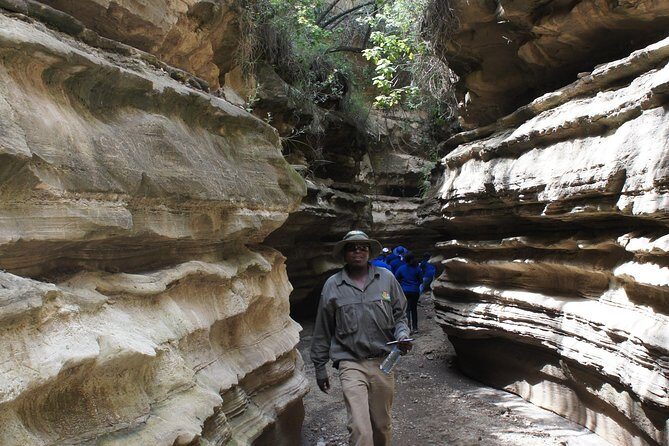
The caves are a standout reason to take this tour. You don’t just pass them; you get guided context on their importance and history, which turns a quick glance into something you can remember later.
In Kenya, caves and rock shelters show up in local stories and understandings of community life, and here that background helps you look at the place differently. Instead of thinking only about how the cave looks in a picture, you start noticing what makes it significant—how it connects to the human side of the landscape, not just the geology.
Practical heads-up: the day is still a walking tour, so keep your energy for this part. If you’re the type who likes to linger, let your guide know early so your pace matches the group without rushing your cave time.
River Café break: food and breathing room
After the first stretch, you’ll take a break at The River Café. The scheduled stop is around 20 minutes and it’s a real pause, not just a forced “wait here” moment.
The big value of this break is timing. Even if you’re an experienced walker, forest paths can be slower than expected. A short reset helps you enjoy the second section more rather than pushing through on empty.
Also, there’s food here, and the setting is pleasant. If you need water or a snack, this is the moment to handle it calmly. Just remember: plastic bottles are not allowed in the forest. Bring your own reusable bottle instead.
Waterfalls: two different looks, two different photos
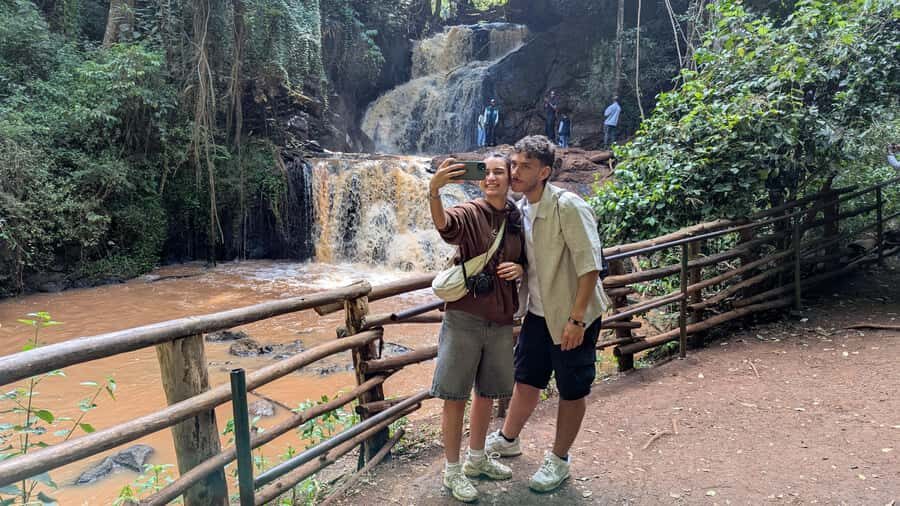
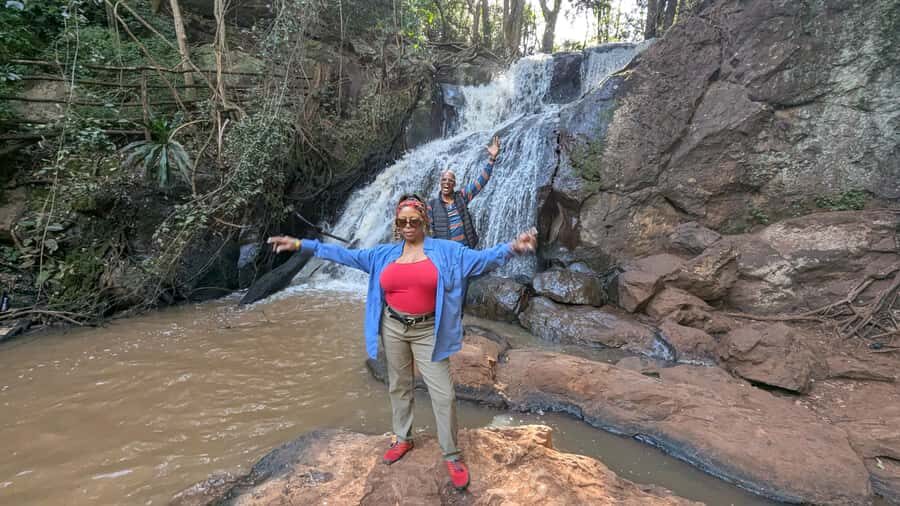
Then comes the fun part: waterfall time. You’ll visit two waterfalls, and the whole point is to compare what changes—how the water looks, how it sounds, and how the forest frames the scene around each fall.
For photography, the waterfall stops are set up so you can actually get shots instead of just hearing the water and moving on. If you like portrait framing with trees in the background, or wide shots that show the cascade environment, this is where the tour pays off.
In rainy seasons, the forest waterways can turn more active, and you may notice the rapids and water movement more than you would on a dry day. That’s one reason I think timing matters: if the weather has been wet, the forest can feel livelier.


Lilly Lake: birds, calm edges, and a different kind of wildlife
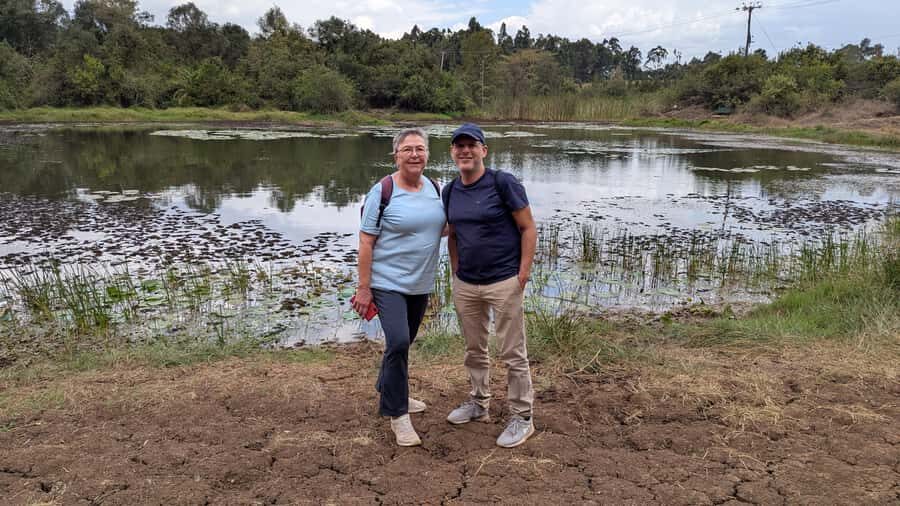
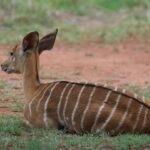
One of the most rewarding stops is Lilly Lake. This is where the tour shifts from “look for monkeys” to “watch for birds.” The guide points out bird territory and helps you spot different species rather than treating it as one generic body of water.
I like how this part of the walk changes your attention. Instead of scanning treetops for movement, you start looking at the waterline, edges, and where birds naturally feed or pause. If you’re the type who enjoys wildlife but doesn’t want it to turn into a constant chase, Lilly Lake is a great balance.
This stop also gives you that calming feeling you want after the wetter, louder parts of the walk. Even if you don’t spot every bird, the guidance helps you see more than you’d notice on your own.
The second half of the walk: scenic, steady, and doable
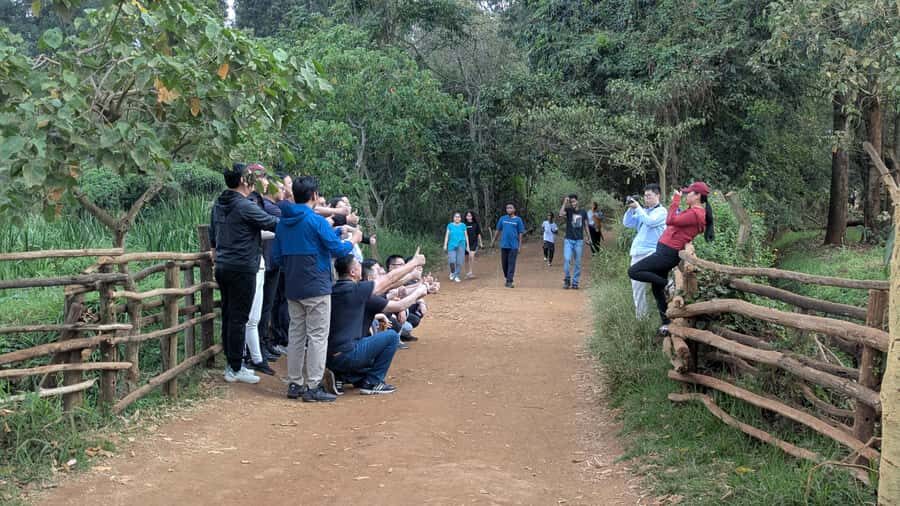
After River Café, you’ll head back into the forest for the final guided stretch (about 70 minutes). There are more scenic views along the way and more photo opportunities.
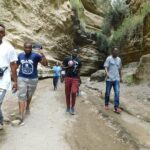
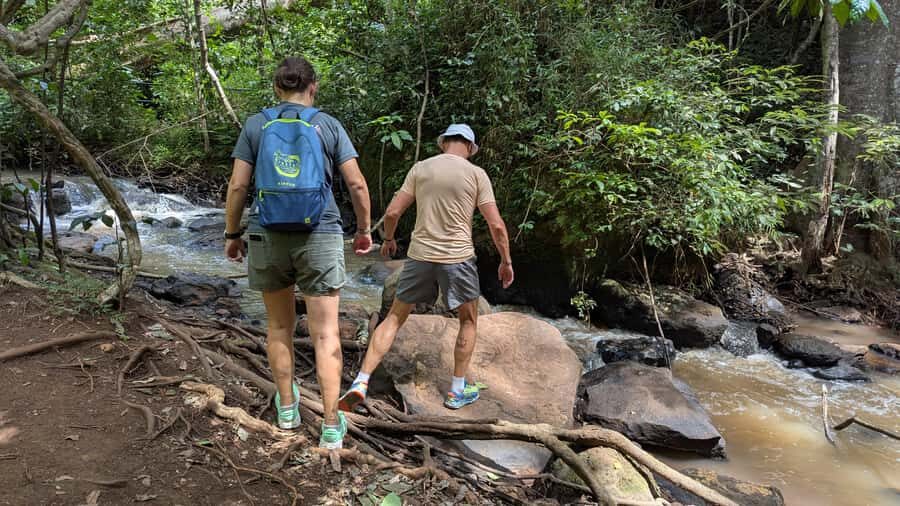
Keep expectations realistic: you’re walking, and the tour involves a good amount of walking. A solo traveler guide note suggests about 6 or 7 km, and the up-and-down is described as not too extreme, but that still means you need shoes with grip and comfort.
Bring comfortable clothes and plan for a slower pace than city walking. Forest paths can be uneven, and you’ll want your footing when you stop for photos or when the ground is damp.
Rules that keep the forest enjoyable (and safe)
This is where your experience gets better, not worse. The forest rules are there for wildlife and for visitors.
- No feeding animals. Keep distance and let wildlife act naturally.
- No smoking, and no drones.
- No alcohol or drugs.
- No plastic bottles inside the forest. Use a personal water bottle instead.
- Your guide will also enforce safety through movement and respectful behavior.
If you’re hoping to get close to monkeys for selfies, this tour is better if you enjoy watching from a respectful distance. The best moments usually happen when you relax and let the forest come to you.
Price and value: what you’re really paying for
The tour price is $40 per person for a 3-hour guided walk, and it includes the local guide fee. The separate forest entry fee is $4, paid at the gate by card or M-PESA.
So what does $40 buy? Time, translation, and forest-reading skills. You’re not just buying access to a green space—you’re paying for:
- a guide who can explain what you’re seeing (monkey behavior, caves, and Swahili language moments)
- stops timed for photos (not just pass-by views)
- help finding wildlife moments like birds at Lilly Lake
If you’re trying to do this alone, you’ll still enjoy Karura—but you’d likely miss a lot of context and spotting guidance. For many people, that difference is worth more than it sounds.
Who this tour suits best
This tour fits best if you want a balanced mix of nature and learning, and you’re comfortable walking at a steady pace.
You’ll especially like it if:
- you enjoy wildlife but don’t want unsafe interactions
- you like stories tied to physical places (like the caves)
- you want a short Nairobi nature outing without spending the whole day trekking
It’s not suitable for pregnant women, based on the tour’s stated limit.
Should you book this Karura Forest walking tour?
If you want Nairobi nature that feels grounded and guided, this is a strong yes. The combination of monkeys, caves with context, two waterfalls, and Lilly Lake bird spotting gives you variety without turning into a long endurance hike.
Book it if you’re ready for real walking, bring the right shoes, and you’ll enjoy learning small Swahili words and forest facts along the way. Skip it if you’re looking for a slow, stroller-friendly stroll or you can’t handle uneven ground.
FAQ
How long is the Karura Forest walking tour?
It lasts about 3 hours.
What does the $40 price include?
The price includes the local guide fee. It does not include the forest entry fee.
How much is the forest entry fee and how do I pay?
The entry fee is $4, and you pay at the gate by card or M-PESA. Cash is not allowed.
Where do I meet the guide?
Meet at Karura Forest Gate C on Kiambu Road, opposite Sharks Palace.
What languages are available for the guide?
The live tour guide speaks Swahili and English.
Is this tour mostly walking?
Yes. The activity involves a good amount of walking, so comfortable shoes are important.
Are plastic bottles allowed in the forest?
No. Plastic bottles are not allowed. You can carry your personal water bottle.
Can I feed the animals in Karura Forest?
No. People are not allowed to feed animals in the forest.
Is the tour suitable for pregnant women?
No, it is not suitable for pregnant women.