REVIEW · KENYA
Nairobi Walking tour:Explore History Culture and Traditions
Book on GetYourGuide →Operated by Pumbaa city adventures and safaris · Bookable on GetYourGuide
Nairobi tells its story on foot. This 3-hour Nairobi walking tour takes you through the downtown layers of religion, government, markets, and memory, starting at the Carrefour entrance near the Supreme Court. I especially liked how the guides, often Edwin and John, turn each stop into a clear, human story instead of a rushed check-list.
I also liked the rhythm: a timed break for local coffee, then time to cool off at Uhuru Park before you head back toward the skyline and memorials. The main thing to consider is simple: it is still a walking tour in Central Nairobi, so plan for sun and city heat, and remember that meals are not included (coffee is listed as optional).
In This Review
- Key points before you go
- Getting started at the Supreme Court Carrefour meeting point
- War Monuments, McMillan Memorial Library, and the story behind the stone
- Jamia Mosque and the dignity of religious space
- City Market and Jevanjee Garden: the downtown you can actually feel
- A local coffee break that fits real life
- Uhuru Park: the green pause with city views
- Holy Family Basilica and the mix of faiths in one walk
- University of Nairobi and the Norfolk Hotel viewpoint
- KICC photo stop: government buildings and skyline angles
- Kenya Railway Museum: why the past still runs underfoot
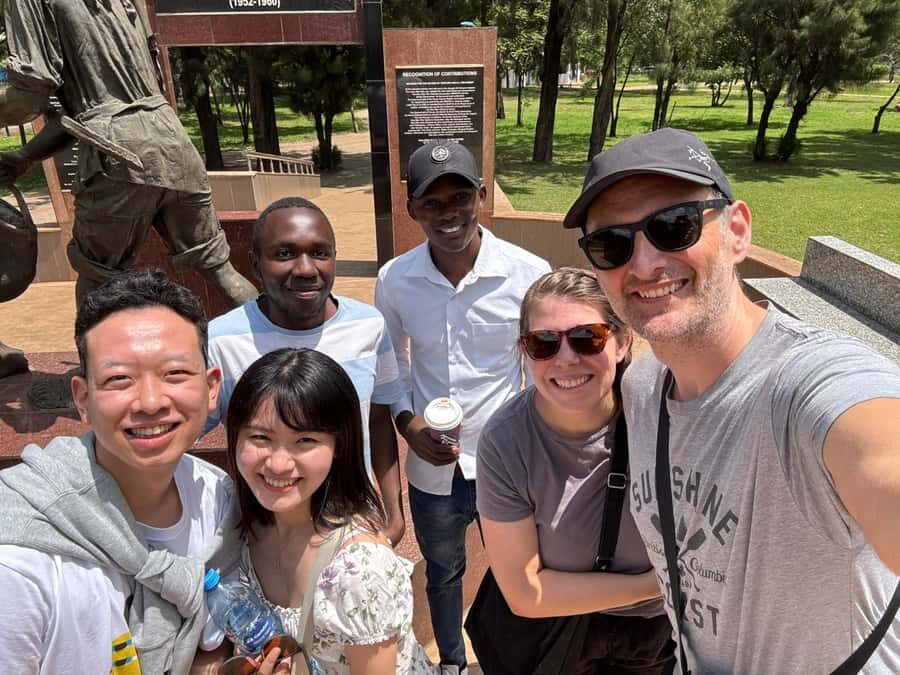
- Bomb Blast Memorial Park: respectful pause and meaning
- Masai Market shopping and a final wander through color
- Price, time, and what you actually get for $22
- Who this Nairobi walking tour is best for
- Should you book this walking tour
- FAQ
- How long is the Nairobi walking tour, and what does it cost?
- Where do I meet the guide, and is pickup included?
- Which main places are included on the route?
- Are entrance tickets included?
- Is coffee included?
- What should I bring, and is the tour accessible?
Key points before you go
- Pickup included from many Nairobi hotels and hostels, with coverage up to 10 km within Nairobi Municipality
- A strong start point: Carrefour entrance beside the Supreme Court, plus a short safety briefing before you walk
- Stops that mix power and everyday life: War Monuments, McMillan Memorial Library, Jamia Mosque, City Market, Jevanjee Garden
- A real break built into the tour: a local café stop with a chance to taste Kenya-style coffee
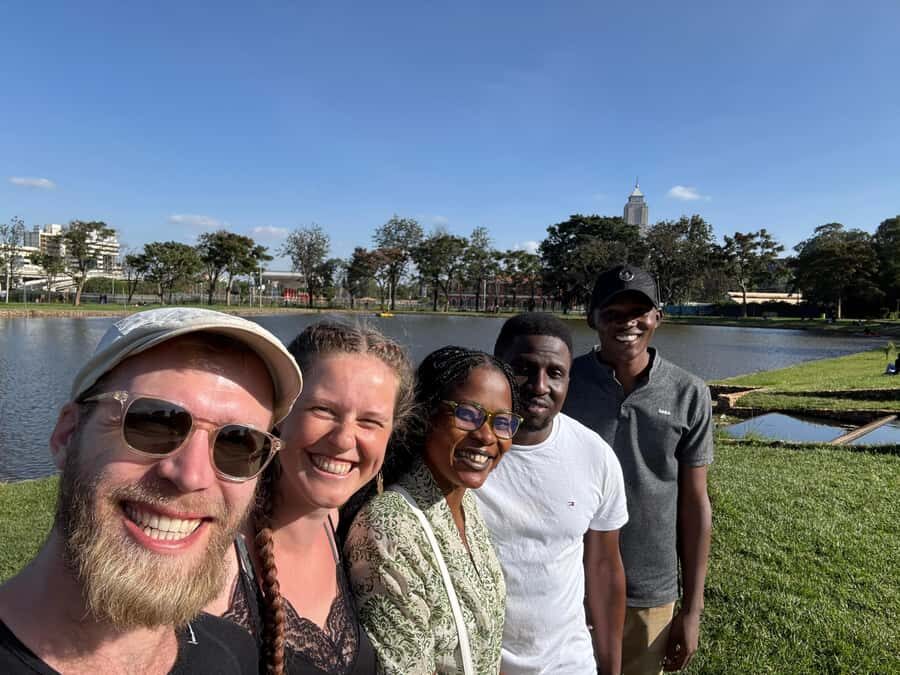
- Green pause in the middle of the city: Uhuru Park plus time to sit and recharge
- Memorial and learning stops: Bomb Blast Memorial Park and the Kenya Railway Museum
Getting started at the Supreme Court Carrefour meeting point

This tour starts right where downtown Nairobi starts to make sense. Meet at the Carrefour entrance next to the Supreme Court, and you’ll get a short safety briefing before you step into the street scene.
From the first minutes, the walk feels practical. You’re not wandering with a phone map, and you’re not stuck guessing which streets are safe or logical to cross.
You can also read our reviews of more walking tours in Kenya

War Monuments, McMillan Memorial Library, and the story behind the stone

The early segment is about context. You visit the War Monuments and the McMillan Memorial Library, which give you a quick education in how Nairobi remembers colonial-era history and how the city’s public identity was shaped.
This is also where a good guide makes the biggest difference. With Edwin or John, the stops tend to connect like cause-and-effect: what you’re seeing now links to why these buildings were planned and how communities organized around them.
What to watch for: photo moments are there, but the real value is listening. If you come with questions, this part rewards you.
Jamia Mosque and the dignity of religious space
Next up is the Jamia Mosque. It’s one of those stops that can feel simple from the outside but gains meaning once you understand the role places like this play in daily Nairobi life.
A visit to a functioning religious site also teaches you how to behave in a respectful way. Keep your pace steady, follow any guidance from your guide, and dress appropriately since you’re stepping into a place that matters to people.
City Market and Jevanjee Garden: the downtown you can actually feel
Downtown Nairobi is not just monuments. The tour works that out with stops like City Market and Jevanjee Garden, where you get a closer look at commerce and social life.
You’ll pass through areas where people buy, sell, and move through the city with purpose. Even when you’re not shopping, it helps you understand Nairobi’s energy beyond government buildings and famous landmarks.
Small tip: If you want souvenirs, don’t treat it like a quick grab-and-go. Give yourself time to compare and ask your guide for context on what you’re seeing.
A local coffee break that fits real life
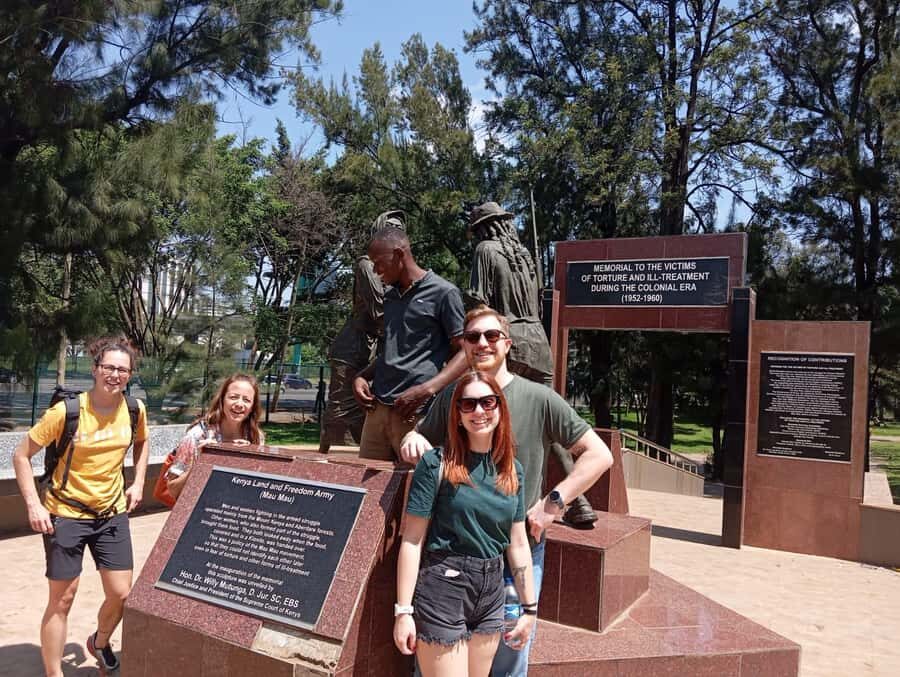
One of the tour’s smarter touches is the break for coffee. You’ll stop at a local café for a short reset, and the tour specifically notes a chance to taste Kenya’s best coffee.
This matters because 3 hours in downtown Nairobi can add up fast, especially in bright weather. The break is also a clean moment to use the restroom without losing the momentum of the walking flow.
Budget note: meals and drinks are not included, and the tour lists coffee as optional. So think of this as a chance to try it, not a guaranteed included drink with no extra cost.





Uhuru Park: the green pause with city views
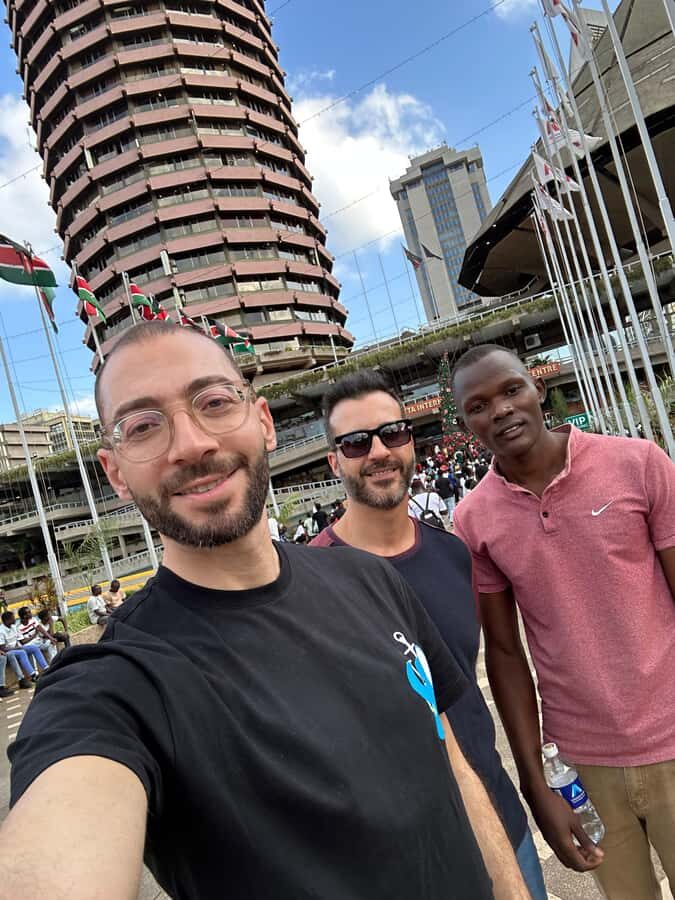
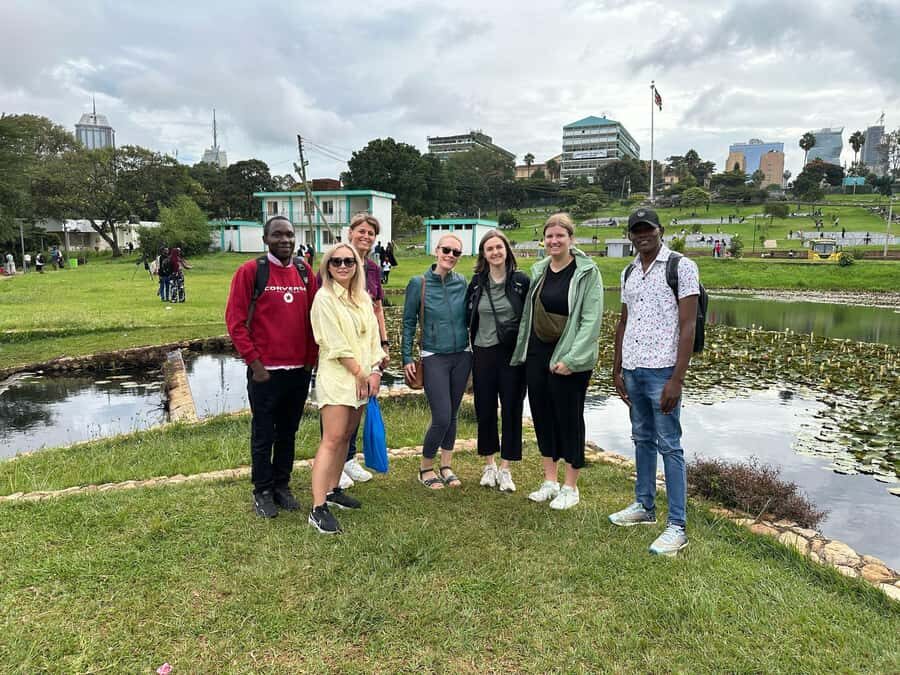
Then you hit Uhuru Park, widely considered one of the best places to rest in the city. You’ll stroll through the park, and there’s time to slow down—exactly what you want after blocks of roads and buildings.
This stop is not just pretty. It’s where the city feels less like a maze and more like a place you can breathe in. Sitting on the grass for a moment also makes the next skyline section more enjoyable because you’re not overheated.
The tour includes entrance to Uhuru Park, so you’re not stuck figuring out ticketing on the spot.
Holy Family Basilica and the mix of faiths in one walk
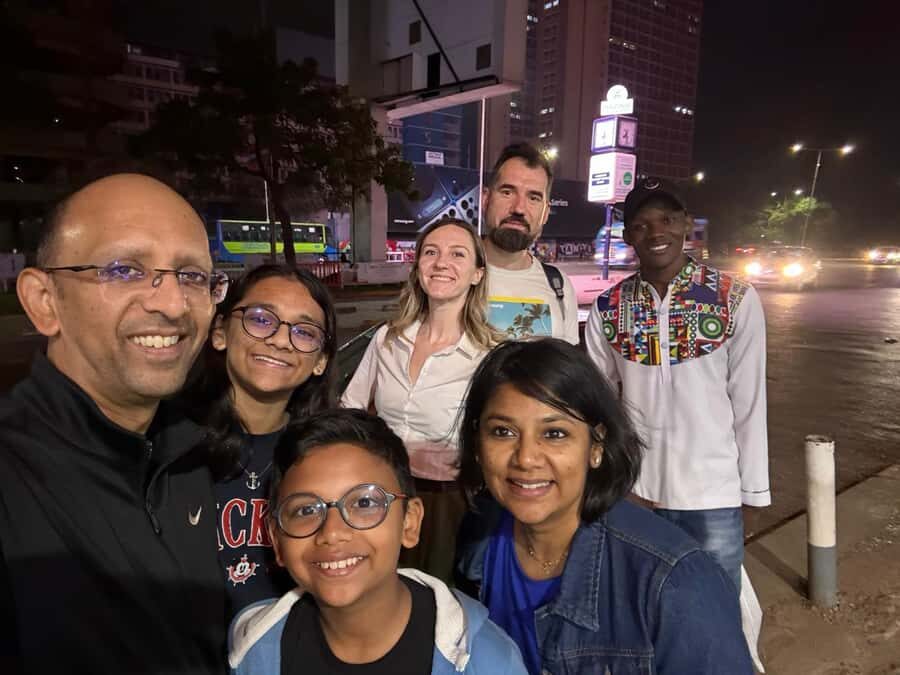
After Uhuru Park, you’ll visit the Cathedral Basilica of the Holy Family. It’s a strong change of pace: architecture, space, and a sense of ceremony compared with the louder commercial areas earlier in the walk.
This is the kind of stop that can feel optional if you’re not into churches. But on a tour like this, it works because it shows Nairobi’s balance of beliefs and communities—right in the middle of the CBD.
What to plan for: spend a little time looking up and around. The beauty here is often in details you only notice when you slow down.
University of Nairobi and the Norfolk Hotel viewpoint
From the basilica area you head toward the University of Nairobi for a stroll and sightlines. You’ll also get the chance to see the Norfolk Hotel area from the route.
Why I like this part: it reminds you that Nairobi is not only a government and business hub. There’s education, youth, and daily routines in the mix, and the skyline is part of that story.
If you like architecture or you’re curious how big institutions shape a city, this section gives you a clear feel for that.
KICC photo stop: government buildings and skyline angles

Next is the Kenyatta International Conference Centre (KICC). Expect a photo stop plus scenic city views as you move around the surrounding government buildings.
Your guide helps you connect what you see to how Nairobi functions at the administrative level. Even if you’re not obsessed with politics, you’ll understand why KICC is such a visual landmark.
Helipad note: the tour lists the KICC helipad fee as not included, so don’t budget on that being part of your ticket value.
Kenya Railway Museum: why the past still runs underfoot
Then you visit the Kenya Railway Museum. This stop adds a different kind of Nairobi history—transport, trade, and how movement shaped the city’s growth.
It’s also a smart change from outdoor walking. A museum break lets you re-focus and gives your feet a bit of recovery time.
How to get the most out of it: ask your guide how rail systems fit Nairobi’s wider story. You’ll usually come away with a better sense of why certain areas developed when they did.
Bomb Blast Memorial Park: respectful pause and meaning
The tour ends with a respectful visit to Bomb Blast Memorial Park. This is not a quick photo spot, and it’s not designed for a short attention span.
If you come with the right mindset—quiet, respectful, and open to context—you’ll likely find this stop to be the most emotionally serious part of the walk. It turns the tour from sightseeing into remembrance.
I find memorial stops like this matter because they remind you that cities are made by events, not just buildings.
Masai Market shopping and a final wander through color
Before you wrap up, there’s time for shopping at the Masai Market, described as a hub for local crafts and culture. This is the part where you can trade your listening for your souvenir instincts.
Keep expectations realistic. This is shopping time, not a long bargaining masterclass, and it works best if you set a firm budget and buy a few meaningful items instead of trying to get everything.
If you want a smoother experience, ask your guide to help you understand what you’re looking at before you start bargaining.
Price, time, and what you actually get for $22
At $22 per person for about 3 hours, this tour is good value if your goal is a high-density introduction to Nairobi’s downtown. You’re paying for a route that stacks major sites together, plus guide time, entrance to McMillan Memorial Library and Uhuru Park, and pickup to the start point.
You also get something harder to price: a guide who helps you interpret what you’re seeing. Many guests highlight that the tour does not feel long because the guide keeps the group engaged and the stops are paced with questions and conversation.
What may not match your style: if you hate walking, you’ll likely feel the distance. It is doable, but it’s still active city travel without long breaks between every site.
Who this Nairobi walking tour is best for
This tour is a great fit if you want:
- An efficient first day in Nairobi with major landmarks in Central Nairobi
- A guide-led explanation of how Nairobi’s government, faith, markets, and memorials fit together
- A mix of walking plus planned downtime at Uhuru Park and a museum visit
It’s also a good option if you’re traveling solo or as a couple, since pickup helps you avoid the hardest part of navigating downtown on your own.
Should you book this walking tour
If you want a smart, guided introduction that covers the headline sites without feeling like a boring bus tour, I’d book it. The combination of landmarks + park break + KICC views + museum + memorial gives you a Nairobi snapshot that’s more meaningful than just a highlight list.
Book it especially if you care about context and you like asking questions. The tour’s strongest advantage is the way your guide turns each stop into a story you can actually remember.
FAQ
How long is the Nairobi walking tour, and what does it cost?
The tour lasts 3 hours and costs $22 per person.
Where do I meet the guide, and is pickup included?
You start at the Carrefour entrance next to the Supreme Court. Pickup is included from many Nairobi hotel and hostel locations, with pickup done up to 10 km within Nairobi Municipality.
Which main places are included on the route?
The tour includes visits or stops at War Monuments, McMillan Memorial Library, Jamia Mosque, City Market, Uhuru Park, Cathedral Basilica of the Holy Family, KICC, Kenya Railway Museum, and a respectful visit to Bomb Blast Memorial Park. It also includes shopping time at Masai Market.
Are entrance tickets included?
Entrance is included for McMillan Memorial Library and Uhuru Park. Other site fees are not listed as included in your price.
Is coffee included?
The tour includes a break at a local café and notes tasting Kenya’s coffee, but coffee is listed as optional and not included.
What should I bring, and is the tour accessible?
Wear comfortable walking shoes and bring a hat, sunscreen, and water. The tour is wheelchair accessible. Photography is allowed.