REVIEW · NAIROBI
Nairobi: Sheldrick Elephant Orphanage and Giraffe Center
Book on GetYourGuide →Operated by SPLASH AFRICA EXPEDITIONS TOUR AND TRAVE · Bookable on GetYourGuide
Two elephant sanctuaries in one Nairobi day. You’ll see baby elephants at the David Sheldrick site and feed Rothschild’s giraffes at the Giraffe Centre, all wrapped into a guided, small-group plan that keeps your time efficient and your photos easier. Add a culture stop at Kazuri beads and this turns into more than animal spotting.
I also love that the day is organized around the moments that matter, like guided access and the right viewing spots for the elephants and giraffes. One possible drawback: the schedule is tight, so if you want a long, slow hang at either place, you may wish you had more hours (and extra time for snacks, since food isn’t included).
In This Review
- Key highlights worth planning for
- A 6-hour Nairobi animal day that actually flows
- David Sheldrick Elephant Orphanage: baby elephants, keeper talks, and the right viewing spots
- What makes this stop special
- The one consideration
- The Giraffe Centre and Rothschild’s giraffes: feeding the long black tongues
- My practical tips for this stop
- Kazuri beads: a cultural stop that adds meaning to the animal work
- How to get the most out of the beads stop
- Where the value comes from: $90 for a guided, fee-inclusive conservation circuit
- What you still need to plan for
- Timing and logistics: why starting at 9:30 am helps
- What the tour feels like day-to-day
- Who should book this tour
- Should you book this Nairobi elephant, giraffe, and beads day?
- FAQ
- How long is the Nairobi Sheldrick Elephant and Giraffe Centre tour?
- What time does the tour start and end?
- Is hotel pickup and drop-off included?
- Are the entrance fees included?
- Is food included?
- Do I need to pay Kenya Wildlife Services entrance fees?
- Is there a skip-the-ticket-line option?
- Is the tour guided and in English?
- What is the cancellation policy?
Key highlights worth planning for
- Feeding Rothschild’s giraffes at the Giraffe Centre, with a guide steering you to good interaction angles
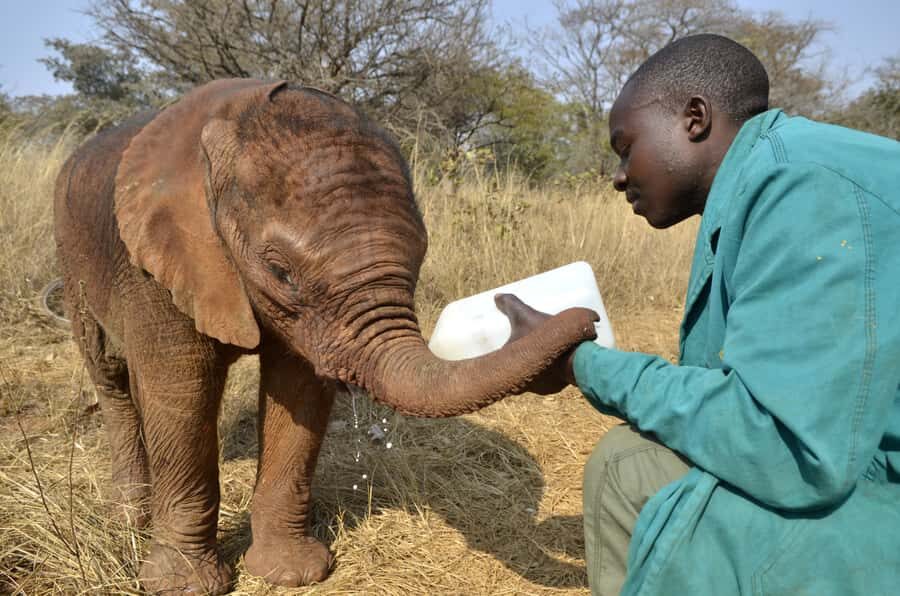
- Up-close baby elephants at the David Sheldrick Elephant Orphanage, with a guided view of keeper work
- Kazuri beads culture stop, where you get hands-on insight into bead making and the people behind it
- Small-group + professional guide, which usually means less wandering and better timing
- Entrance fees handled for the elephant orphanage and giraffe centre, plus skip-the-ticket-line support
A 6-hour Nairobi animal day that actually flows
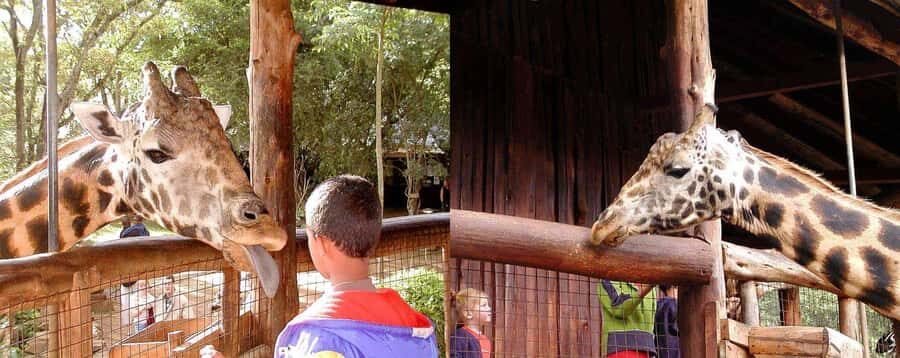
Nairobi can eat your time if you wing it. This setup is built to get you from hotel to conservation stops without the usual hassle, then back again in about 6 hours. The day starts with hotel pickup at 9:30 am, you arrive around 10:30 am, and you’re back by about 3:00 pm.
It also feels intentionally paced: elephants first, then giraffes, so you’re not bouncing between locations mid-energy. And because it’s a small-group tour with a professional English-speaking guide, you spend less time asking where to stand and more time watching.
You can also read our reviews of more tours and experiences in Nairobi.



David Sheldrick Elephant Orphanage: baby elephants, keeper talks, and the right viewing spots
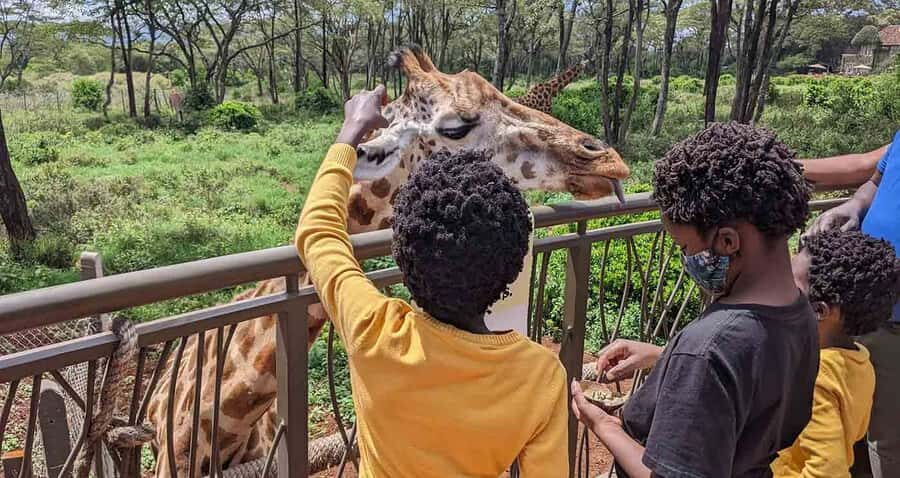
The Sheldrick Elephant Orphanage experience is the heart of the day. You get a guided visit that focuses on the conservation mission and how orphaned baby elephants are rehabilitated, plus what the team deals with in protecting elephants and rhinos.
What you’ll feel in this place is “close-up, but with care.” The elephants’ area is active, and the keepers’ routines move things along, so you’ll want to take the guide’s direction seriously on where to stand. In the best moments, it’s not just watching; it’s seeing how the babies respond to feeding and companionship and how quickly the whole scene changes.
What makes this stop special
- You’re not just seeing elephants. You’re hearing why these rescues matter, and how rehabilitation fits into broader elephant and rhino conservation work.
- The tour format helps you get to strong viewing locations early, before crowds thicken.
The one consideration
This stop can feel emotional and fast-moving. If you need a slow, quiet experience, build in breathing space by asking your guide for a short breather after the main feeding window.
The Giraffe Centre and Rothschild’s giraffes: feeding the long black tongues
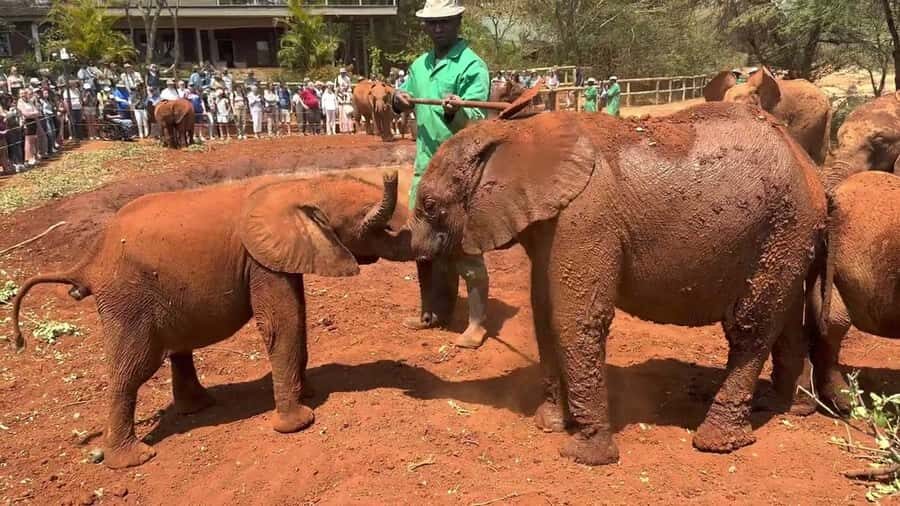
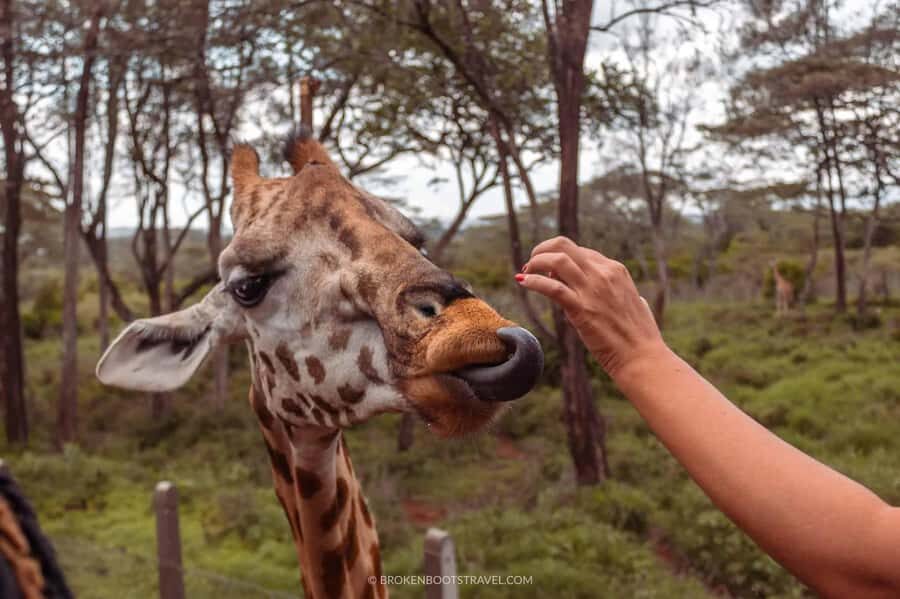
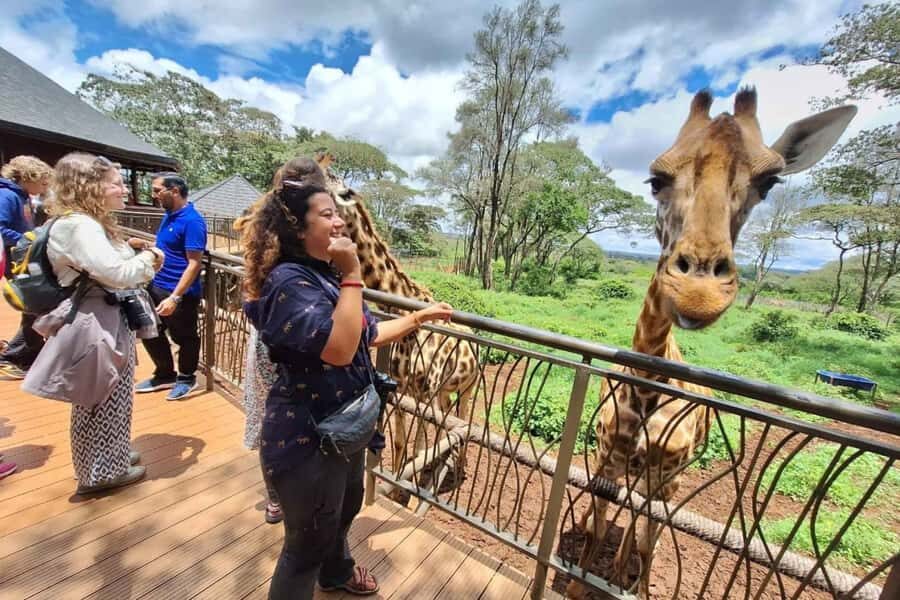
After elephants, the Giraffe Centre is a different kind of fun. You’ll get a guided tour about the work being done to protect and preserve Rothschild’s giraffes, and then you’ll have time to interact. The big moment is feeding and getting close enough to really appreciate how graceful, calm, and curious these giraffes can be.
If you’ve never fed giraffes before, this is a great first try. The experience is controlled, and the guide helps you understand how to do it safely and comfortably while still keeping the interaction natural.

My practical tips for this stop
- Treat the feeding moment like a photo sprint, not a photo marathon. Pay attention to your stance and let your guide position you.
- Watch for the giraffes’ pace shifts. It’s common for attention to move quickly between animals, so keep your eyes up rather than stuck staring at your phone screen.
Kazuri beads: a cultural stop that adds meaning to the animal work
The Kazuri beads component is what turns the day from purely animal-focused into an animal-plus-people Kenya story. You’ll visit a bead workshop where you can learn how the beads and related craft items are made, and you’ll likely see how the process connects to the workers behind the scenes.
In the most memorable moments, this isn’t about shopping first. It’s about understanding craft as livelihood and seeing the care that goes into the final pieces. Even if you buy nothing, you’ll walk away with a better sense of how daily work supports families and builds community.
How to get the most out of the beads stop
- Ask questions about the process while you’re there, not later at home. Your brain will link the steps to what you actually see.
- If you do plan to buy, do it with time in mind. This part of the day adds cultural value, and you don’t want rushing to cut it short.
Where the value comes from: $90 for a guided, fee-inclusive conservation circuit
At $90 per person, this isn’t the cheapest way to do Nairobi. But it’s also not “pay for nothing.” Here’s what you’re getting for your money:
- Hotel pickup and drop-off (big deal in Nairobi traffic)
- Entrance fees included for the David Sheldrick orphanage and the Giraffe Centre
- Small-group tour with a professional guide
- Private transportation
- A bottle of drinking water
- Support to skip the ticket line
That fee-inclusive approach matters because entrance costs in wildlife areas add up fast. Paying for guided access also helps you avoid the common DIY problem: spending time figuring things out instead of enjoying the day.
What you still need to plan for
Food and drinks are not included, so you’ll want to budget for lunch/snacks. And if your day includes any extra Nairobi National Park time, Kenya Wildlife Services entrance fees aren’t included.
Timing and logistics: why starting at 9:30 am helps
The schedule is built around getting your best moments without burning a half day. Pickup is at 9:30 am, you reach the main site at 10:30 am, and then you transition to the giraffes right after. Departing around 2:00 pm gives you enough daylight cushion while still returning to your hotel by roughly 3:00 pm.
This timing is practical for two reasons:
- You’ll see animals when the day is still moving briskly, not at the end of your energy.
- You reduce the stress of last-minute ticket lines, since you’re getting guided support and skip-the-ticket-line help.
What the tour feels like day-to-day
Expect a day that’s structured but not rigid. You’ll be guided through each major stop, with time built in for the signature experiences: elephant viewing, giraffe feeding, and the craft workshop.
It’s also the kind of day where your guide’s local know-how matters. Guides on this route tend to focus on keeping you positioned well, and that’s the difference between getting a decent view and getting the view that makes you say, wow, I’m really seeing this up close.
In a nutshell, it’s a smooth Nairobi day with two conservation icons and a human story add-on.
Who should book this tour
This is a strong choice if:
- You want a high-impact Nairobi day that fits into limited time
- You like guided interpretation, not just wandering through exhibits
- You want both animal experiences and a cultural craft stop
- You prefer private transportation and pickup so you don’t lose time coordinating
It may not be ideal if you want total freedom to linger for hours at a single location, since the day is set to fit everything into the same 6-hour window.
Should you book this Nairobi elephant, giraffe, and beads day?
Yes, if you want a well-run first Nairobi conservation day. The biggest wins are the combination of the David Sheldrick baby elephant experience, the chance to feed Rothschild’s giraffes, and a meaningful cultural stop at Kazuri beads. For many people, it’s the easiest way to check all three boxes without dealing with logistics.
Book it with your expectations set: you’re getting guided access and strong viewing moments, but the pace is still a “day trip” pace. If you’re the type who gets overwhelmed by crowds or needs long quiet time, consider adding an extra meal stop on your own before or after, since food and drinks aren’t included.
If you want a single, efficient Nairobi day that mixes conservation and craft, this is a smart pick.
FAQ
How long is the Nairobi Sheldrick Elephant and Giraffe Centre tour?
The tour duration is 6 hours.
What time does the tour start and end?
Pickup is at 9:30 am and the tour returns you to your hotel at about 3:00 pm.
Is hotel pickup and drop-off included?
Yes. Hotel pickup and drop-off are included.
Are the entrance fees included?
Yes for the David Sheldrick elephant orphanage and the Giraffe Centre (entrance fees are included).
Is food included?
No. Food and drinks are not included.
Do I need to pay Kenya Wildlife Services entrance fees?
Yes, Kenya Wildlife Services entrance fee is not included.
Is there a skip-the-ticket-line option?
Yes, the tour includes skip the ticket line support.
Is the tour guided and in English?
Yes. It includes a live tour guide and the language is English.
What is the cancellation policy?
You can cancel up to 24 hours in advance for a full refund.