REVIEW · MALINDI
3 Days Tsavo East & Tsavo West Safari
Book on Viator →Operated by Natural World Kenya Malindi Safaris · Bookable on Viator
Red dust meets big cat energy. This 3-day safari links Tsavo East and Tsavo West into one efficient wildlife hit, then caps it with the watery spectacle of Mzima Springs. You start with early drives out of Malindi, ride in a 4×4 safari jeep, and keep moving between habitats so you get a wider mix of animals than a single-park trip.
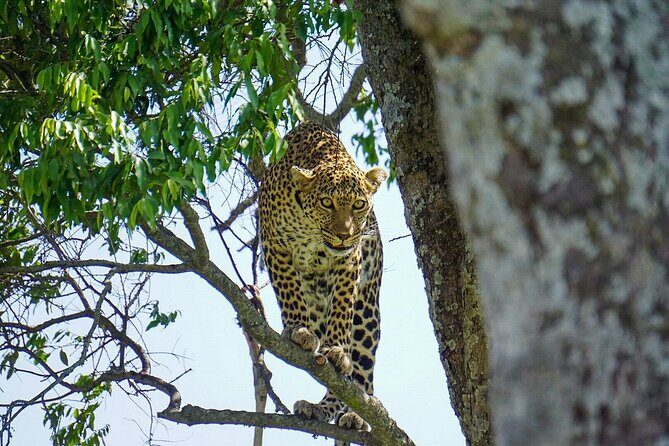
I especially like how the timing is built around animal activity: pre-breakfast game drives, plus afternoon sessions when animals start to move again. I also like the structure of the day—game drive, meals, then another session—so the long hours feel purposeful instead of wandering around. As a plus, you’re dealing with a real operator, Natural World Kenya Malindi Safaris, and at least one standout driver named Abdul brought the kind of calm, clear spotting skills you want when you’re trying to spot lions near watering holes.
One possible drawback: you’re trading comfort for sighting time. Expect lots of time outdoors and long drives in the bush, and because the experience requires good weather, rainy or rough conditions can mean a change of plans.
In This Review
- Key things that make this Tsavo East + West safari work
- Tsavo East early drive: red dust, big herds, and constant scanning
- What to watch for in Tsavo East
- Lunch, reset, then a second game drive: how the day stays smooth
- Tsavo East Day 2 to Tsavo West Day: switching from plains to green hills
- Tsavo West pre-breakfast chase: dewy grass and early hunters
- Mzima Springs: hippos up close, plus an underwater viewing chamber
- Price and value: what you’re really paying for at $1,750 per person
- Guides, vehicles, and the human factor (this is where safaris rise or fall)
- Who this safari suits best
- Should you book it? My practical take
- FAQ
- What parks does this safari include?
- Where does the safari start and what time does it begin?
- Is pickup offered?
- What’s included in the price?
- What kind of vehicle do you use?
- Do you do any walking safari?
- Is this a private tour?
- What happens if weather is poor?
- How flexible is free cancellation?
Key things that make this Tsavo East + West safari work
- Two parks, two vibes: Tsavo East brings red-dust plains and legendary elephants; Tsavo West adds greener hills and more foliage.
- Early starts that pay off: pre-breakfast drives focus on hunting and grazing patterns.
- Watering holes = animal magnets: the itinerary specifically looks at spots where wildlife gathers to cope with limited water.
- Mzima Springs is different: hippos, crocodiles, fish, birds, plus an underwater hippo viewing chamber.
- 4×4 safari jeeps keep you mobile: rugged plains and rolling tracks feel manageable when you’re not on foot.
- Private group format: only your group participates, which usually means less disruption and easier coordination.
Tsavo East early drive: red dust, big herds, and constant scanning
Your first morning starts at 7:00 am from the Malindi area, rolling along the Malindi–Sala Gate Road, often called the explorers route. That matters, because you’re not just arriving at the gate and hoping for the best—you’re already moving toward the good stuff while the light is fresh.
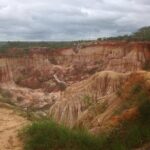
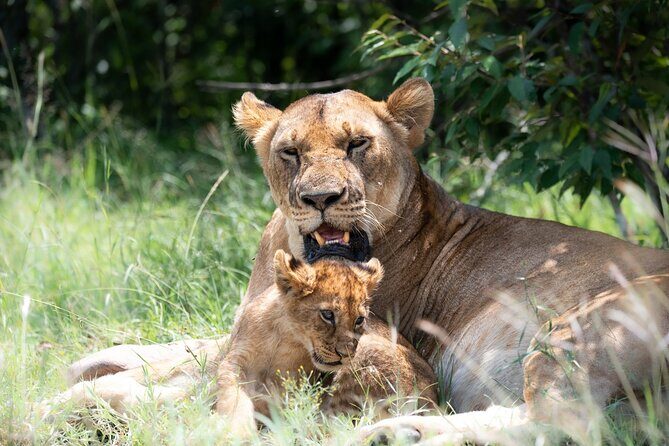
Once you reach Tsavo East’s southern gate, you jump right into the park. Tsavo East is famous for large game, and the plains here are the kind of place where you keep your eyes working for patterns: lions near open ground, giraffes moving with slow certainty, elephants appearing like a moving city against the red dust.
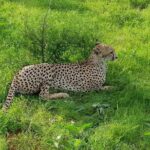
You’ll do a full game drive on the rugged plains, and the plan is to scout for lion, cheetah, elephant, and buffalo, plus lots of other species under wide skies. The “practical” value of that list is that it gives you a realistic expectation. You’re not only chasing the headline animals; you’re also looking for the smaller tells—tracks, movement behind brush, and the quick flashes of color that signal another species is close.
After the morning sightings (or after a stretch of quiet that makes the eventual sightings feel extra satisfying), you’ll head for lunch and then go back out into the cooler afternoon. That rhythm is a good fit for people who want both “first light action” and “another chance” without burning out.
A few more Malindi tours and experiences worth a look

What to watch for in Tsavo East
- Lions are often easiest to spot when you track where activity clusters. The itinerary’s emphasis on watering holes later in the trip hints at the same logic here: animals concentrate around water.
- Elephants don’t just wander randomly. You’ll usually see evidence of their route—flattened grass and repeated paths.
Lunch, reset, then a second game drive: how the day stays smooth
A safari can go either way: either you feel like you’re constantly waiting, or you feel like each block of time has a purpose. This plan tries to protect you from the “waiting game.”
You’ll have lunch on Day 1, then you’re out again in the afternoon. That gives you time to cool off, eat properly, and still keep the best viewing window moving. On safari, that matters because the mood changes fast when you’re tired. If you’re hungry and grumpy, you start missing tiny movements that mean a lot out there.
The tour also signals meals clearly: lunch and dinner are included. Day 2 and Day 3 include safari breakfast stops in the schedule, so you’ll want to confirm what’s covered in your package when you book—but either way, the plan is built around feeding you at key moments so you can keep your energy up.
Tsavo East Day 2 to Tsavo West Day: switching from plains to green hills
Day 2 starts with another animal-focused rhythm. You’ll be up early to catch the breaking light across Tsavo East and explore and track big game. The idea here is simple: morning animals tend to be busy, and the light makes spotting easier.
After that morning drive, you briefly retreat to your accommodation for a safari breakfast, then you head out again for a more relaxed game drive. This stretch is often where you slow your brain down and start reading the environment: watching watering holes, noticing where wildlife gathers to sustain itself from otherwise thirsty conditions.
Then you transition toward the main change of scenery—Tsavo West.
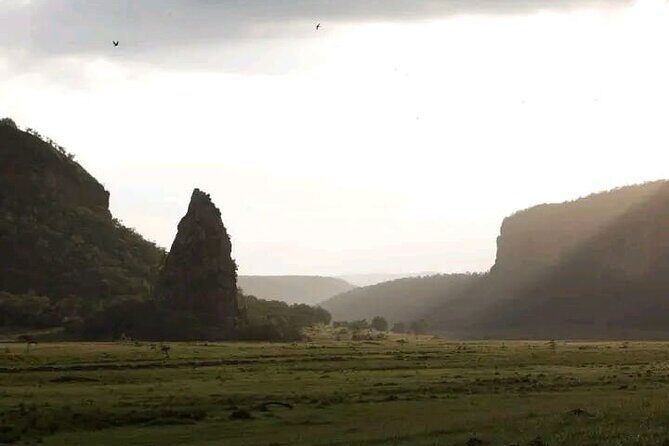
Tsavo West is described as having rolling hills, green springs, and famous lions. Practically, that shift matters because you’re no longer scanning open, flat plains as much. You’ll likely spend more time interpreting movement in thicker areas and along the edges of hills and water sources.
And the timing is efficient: Tsavo West is a short hour drive away. That means you’re not losing your day to transportation, and you still arrive with enough daylight to keep the safari momentum going.
Tsavo West pre-breakfast chase: dewy grass and early hunters
Day 3 begins before breakfast with a pre-breakfast game drive in Tsavo West. This is one of those plans that makes sense on paper and feels even better once you’re out there—early morning animals often give you their best behavior.
The route is described as traveling over dewy wet grass with emerging golden light. Translation: you’re watching at the moment when the bush is awake, not just when it’s lit.
The focus is on early hunters and grazers. That pairing is useful because it increases your odds. Even if the big cat action is quiet, there’s still a good chance you’ll see herbivores moving and feeding—which in turn can bring in predators.
Once you’ve had your morning drive, you’ll take breakfast and then switch to the next highlight: Mzima Springs.
A few more Malindi tours and experiences worth a look
Mzima Springs: hippos up close, plus an underwater viewing chamber
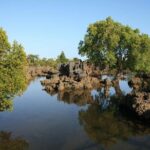
Mzima Springs is the kind of stop that feels like a different vacation from the dry, dusty game drives. This oasis is fed by millions of gallons of crystal waters, and it creates a wildlife concentration you can actually observe in multiple ways.
You’ll head into the area in your 4×4, then take a guided walking safari by the shores. Here you can see hippos, crocodiles, fish, and migratory birds gathering around the water. This part of the plan is valuable because it lets you slow down and use your senses instead of only scanning from the jeep.
Then comes the standout feature: an underwater hippo viewing chamber. That means you can watch hippos in an underwater setting, like you’re viewing their world from a safe, controlled angle. It’s one of those experiences that makes a safari feel less like a game of spotting and more like learning what life looks like where water is abundant.
One practical consideration: walking near water can be slippery, depending on conditions. Your best move is to wear solid, grippy footwear and expect cool, damp morning vibes.
Price and value: what you’re really paying for at $1,750 per person
At $1,750 per person for about 3 days, this safari isn’t trying to be a budget add-on. You’re paying for three things that matter in wildlife travel:
- Park access across multiple zones (Tsavo East, Tsavo West, and Mzima Springs are central to the plan).
- 4×4 jeep time where you can track animals across rugged terrain without wasting daylight.
- Guiding and structured drives that keep you moving between the most productive areas of each day.
The included lunch and dinner help with day-to-day budgeting and reduce decision fatigue. Also, the itinerary notes admission ticket free for key segments, which is the kind of detail that can quietly improve value when you’re trying to keep costs under control.
Where value can feel less perfect is in group dynamics. This is listed as private, so it should be calmer than a crowded shared safari. Still, a departure can involve multiple jeeps for a larger group (one example mentioned a group of 19 split into three jeeps). That’s not a deal breaker, but it changes the feel—more logistics, less tight-knit togetherness.
Guides, vehicles, and the human factor (this is where safaris rise or fall)
A big safari truth: wildlife sightings depend on more than luck. It depends on reading the park and keeping your eyes trained at the right moments.
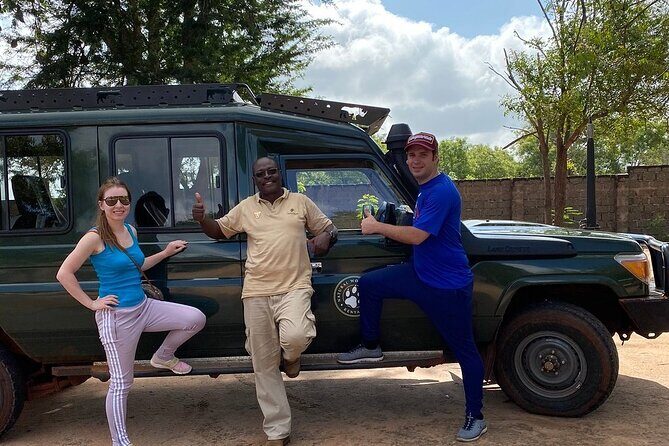
Your operator is Natural World Kenya Malindi Safaris, and the tone from the experience data is that guides can be friendly and professional. One driver named Abdul is specifically singled out as exceptional, with professional explanations and strong driving skills. That matters because in Tsavo you’re often spotting from distance first. A guide who helps you interpret what you’re seeing can turn a half-hour of guessing into a real sighting.
Vehicles are 4×4 safari jeeps. That’s ideal for these parks because it matches the terrain—rugged plains in Tsavo East and the more rolling, hill-driven areas of Tsavo West.
Who this safari suits best
This is a good match if you:
- Want big game and not just scenery photos.
- Like a schedule that starts early and uses daylight well.
- Want variety in habitats—plains in Tsavo East, greener hills in Tsavo West, then water wildlife at Mzima Springs.
- Enjoy a mix of jeep drives and a walking safari moment near water.
If you hate early mornings, dislike sitting for long stretches, or need lots of downtime between activities, you might find the pace challenging.
Should you book it? My practical take
Book this safari if you want a strong three-day plan that actually connects the dots between Tsavo East and Tsavo West, then adds a water-based wildlife experience at Mzima Springs. The structure makes sense: early drives for action, meals to keep you steady, and the final-day focus on hippos and crocodiles with that underwater viewing chamber.
Don’t book it if you’re looking for a slow, laid-back vacation with minimal driving. This is a wildlife-first itinerary, and it shows in the timing.
If you’re deciding between this and a simpler one-park safari, consider this: two parks in three days can feel intense, but it’s also a smart way to raise your odds of seeing different animals and behaviors—especially when Mzima Springs is part of the package.
FAQ
What parks does this safari include?
It includes Tsavo East National Park, Tsavo West National Park, and a visit to Mzima Springs.
Where does the safari start and what time does it begin?
The start time is 7:00 am and the pickup area is Malindi.
Is pickup offered?
Yes, pickup is offered.
What’s included in the price?
The package includes lunch and dinner. The itinerary also notes mobile tickets, and it shows admission ticket free for the main park-related stops listed.
What kind of vehicle do you use?
You travel in 4×4 safari jeeps.
Do you do any walking safari?
Yes. At Mzima Springs, you can take a guided walking safari by the shores.
Is this a private tour?
Yes. This is listed as a private tour/activity, meaning only your group participates.
What happens if weather is poor?
The experience requires good weather. If it’s canceled due to poor weather, you’ll be offered a different date or a full refund. The cancellation policy also includes free cancellation up to 24 hours before the experience’s start time.
How flexible is free cancellation?
You can cancel for a full refund if you do it at least 24 hours before the start time. If you cancel later than that, the amount paid is not refunded.