Red dust, big cats, and elephant energy. This 4-day safari from Malindi strings together Tsavo West, Amboseli, and Tsavo East, with relaxed time in-between and prime wildlife hours. You also get a stop at Mzima Springs, one of Kenya’s best chances for close-up wildlife viewing without the usual jostling.
What I like most is the mix of parks: Tsavo West brings lava-laced scenery, a rhino sanctuary, and the kind of big-game density you see in photos. Then Tsavo East slows the pace down visually—endless horizons, watering holes, and a real shot at seeing Mt. Kilimanjaro from the right morning vantage. For me, it feels like you’re covering Kenya’s “other side,” not just ticking boxes.
One drawback to plan for: this is an early-start, road-included safari. Between the morning game drives and the day-to-day transfers (including a 4–5-hour road leg to Tsavo West), you’ll want to be comfortable with long days and bright sun—especially at the start.
In This Review
- Key things to know before you go
- Malindi to Tsavo: the road trip intro you can actually enjoy
- Tsavo West National Park: red-dust views, rhinos, and the big-game setup
- Mzima Springs: hippos, crocodiles, and a calmer wildlife moment
- Amboseli in the route: elephants and Kenya’s open-sky feeling
- Tsavo East and Mt. Kilimanjaro: the best light, the big legend
- Tsavo East watering holes and birdlife: what Day 4 is really about
- Guides and vehicles: the human factor behind great sightings
- Price and logistics: is $2,395 per person worth it?
- What to pack for Tsavo sun and long savannah hours
- Who this safari suits best (and who should think twice)
- Should you book this Tsavo West–Amboseli–Tsavo East safari?
- FAQ
- FAQ
- Where does pickup happen?
- What time does the safari start?
- Which parks are included?
- What meals are included?
- Is this a private safari?
- Is a mobile ticket used?
- What do I need to know about entry/admission?
Key things to know before you go
- Three parks, one route, lots of wildlife time across Tsavo West, Amboseli, and Tsavo East
- Mzima Springs walking stop for hippos, crocodiles, fish, and birds up close
- Morning drives tuned for Mt. Kilimanjaro visibility during the Tsavo East day
- Private safari setup with only your group and a 4×4 focused on sightings
- Tsavo East watering holes that concentrate animals—great for photos
- Meals are handled (breakfast, lunch, dinner) so you spend more time watching
Malindi to Tsavo: the road trip intro you can actually enjoy
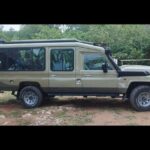
Your day begins with pickup from your Kenya coast beach resort or hotel, then you transfer in a 4×4 toward Tsavo. The route is described as mostly smooth with tarmac road, and you’ll get refreshment stops along the way. That matters because safari fatigue is real—if the transfer is smooth, you arrive with energy for your first serious wildlife time.
Start time is set for 7:00 am, so plan for an early breakfast before you’re picked up. If you hate rushing, build in a little buffer the night before; the morning feels faster once you’re in safari mode.
Also note: this is a private tour/activity, meaning you’re not sharing game-drive time with strangers. That usually translates into a better rhythm for your group—quieter vehicle, more control over timing, and fewer compromises when you want to stop for a sighting.
A few more Malindi tours and experiences worth a look
Tsavo West National Park: red-dust views, rhinos, and the big-game setup
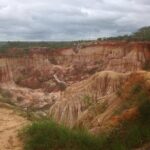
Tsavo West is where the safari starts painting the bigger picture. You’ll notice colors right away—golden fields, green hills, and big cloud shapes against a deep blue sky. The park’s look is dramatic, with wild baobab trees, dark volcanic lava beds, and oases that break up the red-dust emptiness.
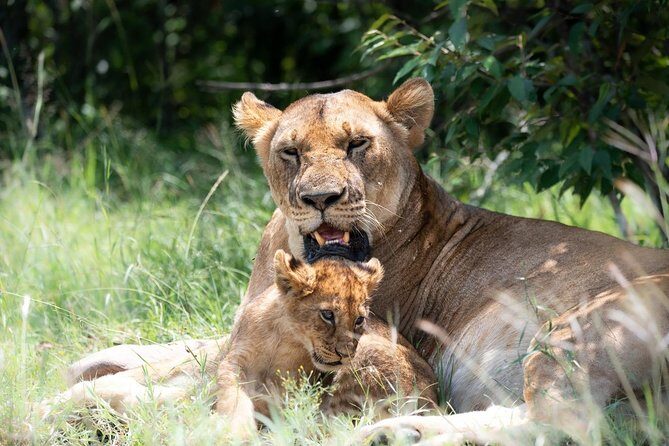
From a spotting standpoint, the tour description is clear: Tsavo West is big-game country. It also notes that the Big Five are present and that there’s a rhino sanctuary here. Even when you don’t get every species on every day, having a rhino-focused area within a park known for major predators is exactly the kind of planning that boosts your odds.
A practical point: Tsavo West is also where your first day’s driving time is about getting your bearings in a huge setting. Game viewing often improves after you understand the terrain—where the water sits, which direction animals move at certain hours, and how the light hits the savannah. That’s why arriving and then immediately going out works well.
Mzima Springs: hippos, crocodiles, and a calmer wildlife moment
Day 2 is built around a very different kind of wildlife viewing: Mzima Springs. Instead of only watching from a vehicle, you get a chance to explore on foot along raffia-shaded shores. That walking piece is a big deal for photography and for feeling the place—still wildlife everywhere, but calmer and easier to observe.
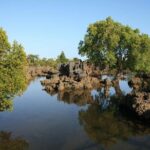
Mzima Springs is described as an oasis fed by millions of gallons of crystal water. That water supports close-up wildlife viewing, including hippos and crocodiles, plus colorful fish and migratory birds. Since this is a respite for thirsty animals, it can feel like the whole ecosystem is trading places around the water.
When you go, think “quiet patience.” You can’t force animals to surface, and the best sightings often happen when you stop hunting with your eyes and just watch the water. This is also a nice reset after a more rugged first park day, especially if you’re aiming to stay sharp for the next move.
Amboseli in the route: elephants and Kenya’s open-sky feeling
After Mzima Springs, you head onward toward Amboseli, which is part of the full circuit on this 4-day itinerary. The overarching message of the safari is elephant time—so if you’re choosing this trip for elephants, this section of the route supports that goal.
You’ll still be in safari mode, which means your main experience is game driving as you move through big-open areas. Amboseli’s reputation in general is built on dramatic skies and wildlife viewing, but in this specific tour, what you can bank on is the pacing: you’re not just driving through; you’re using the day for wildlife time and then continuing to the next park.
One thing to keep expectations grounded: the itinerary detail emphasis is heavier on Tsavo West sights (including rhino sanctuary) and Tsavo East specifics (Kilimanjaro visibility and watering holes). So treat Amboseli as an elephant-forward chapter of the route, not as the single detailed “feature stop” like Mzima Springs.
Tsavo East and Mt. Kilimanjaro: the best light, the big legend
Tsavo East is where the safari turns into legend mode. You’ll start early with an early morning game drive, and the timing matters because it’s described as the best time to view Mt. Kilimanjaro. When you get that clear-line morning view, it changes everything about your sense of scale—it makes the savannah feel bigger than just “a big park.”
After that early drive, you’ll have a full safari breakfast, then continue with more game watching as you exit and head into Tsavo East after traveling via the Nairobi–Mombasa Highway. The entrance experience is described in cinematic terms: endless horizons and rugged grasslands. And yes, Tsavo East is tied to the famous Tsavo lions—so keep an eye on predator behavior even when the savannah looks quiet.
A key practical takeaway: open land can trick your brain. In dense bush, animals pop out unexpectedly. In open savannah, you often see them earlier but farther away. That means binoculars and camera zoom help, and it helps to take a slower approach—scan wide, then focus once you spot movement.
A few more Malindi tours and experiences worth a look
Tsavo East watering holes and birdlife: what Day 4 is really about
Day 4 is safari in “easy mode” for sightings. You’ll get up early again to maximize game-driving time. Then you visit the park’s famous watering holes, described as attractive spots where animals draw to life-giving water.
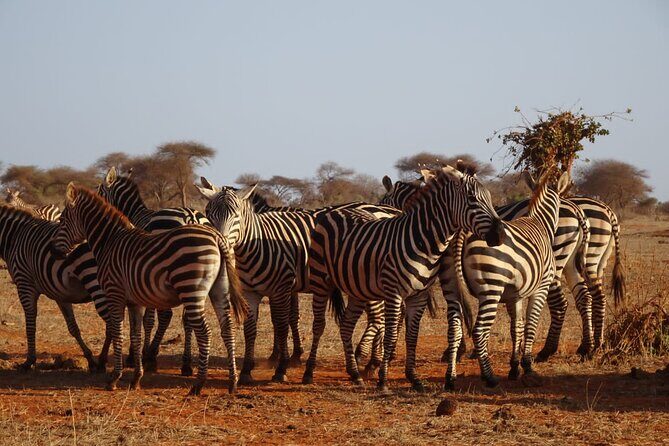
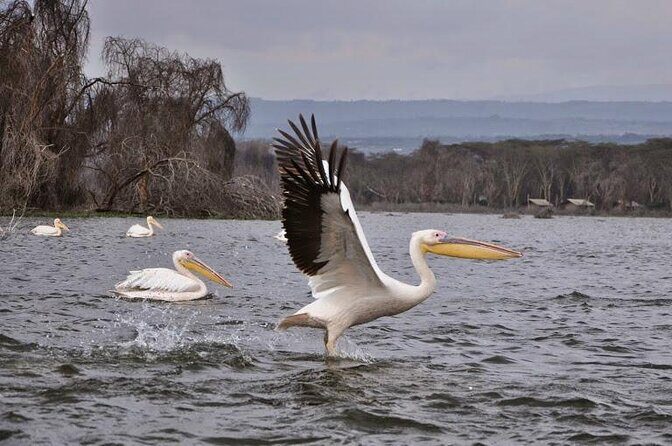
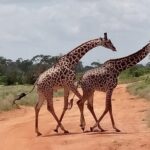
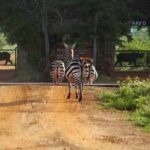
This section is your best chance for repeats and variety because watering holes concentrate animals from different directions. The tour lists likely sightings like zebra and giraffe, plus eland and impala. You’ll also have 500 species of birds in the mix, so if you’re the kind of person who enjoys spotting feathered activity, this day is built for you.
Lunch is served at an al fresco restaurant with views of the plains and savannahs of Tsavo East. That’s not just a meal stop—it’s time to watch the landscape after you’ve been driving it. You can often pick up “where animals tend to travel” by watching casually from a fixed spot before the afternoon drive.
Guides and vehicles: the human factor behind great sightings
On paper, this safari is about parks and wildlife time. In reality, the big difference is your driver/guide and how they read the land.
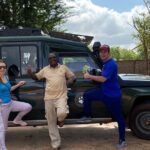
The provided safari feedback includes clear examples of guide impact. For a family group of 19, drivers named Henry, Abdul, and Abul were assigned across three vehicles, and they were described as magnificent—engaged with the party and working hard to deliver an unforgettable experience. That lines up with what you want on safari: someone who stays alert, communicates well, and isn’t just driving from one spot to another.
Another note from the same set of feedback mentions Martha at the Diani beach office and Abdul again, tied to smooth arrangements and help during the process. While the wildlife is never guaranteed, strong coordination and a responsive team reduce stress—especially on a 4-day route with multiple parks.
Price and logistics: is $2,395 per person worth it?
At $2,395 per person for about 4 days, you’re paying for time in three major parks, private safari structure, and guided, park-to-park movement from the coast. The math makes more sense if you compare it to the cost of piecing together separate day safaris plus the transfer time and guide time needed to see meaningful wildlife in each park.
What supports the value here:
- You get private group time (only your group in the activity).
- You’re not just driving once—you’re getting game driving across multiple parks, plus Mzima Springs as a special viewing break.
- Meals are included: the tour lists breakfast (2), lunch (3), and dinner (3).
- The itinerary shows admission ticket as free for the park entries listed, which helps avoid surprise park-entry costs.
What can make it feel pricey: safari days are early, long, and weather-dependent. If weather conditions limit visibility or animal movement, the value still depends on timing and flexibility. In other words, you’re paying for access and expert planning, but nature decides the final photo.
What to pack for Tsavo sun and long savannah hours
Even with a great itinerary, the safari part is still physical: sun, heat, dust, and sitting in a vehicle for hours. Pack with that in mind.
I’d bring:
- Sunscreen and a hat with real shade (not a token brim)
- Sunglasses and a light scarf for dust control
- A refillable water bottle (you’ll appreciate it during early starts)
- Binoculars if you have them (open savannah distances are part of the game)
- A camera strap and enough storage for multiple species moments
For clothing, aim for breathable layers. You’ll be under bright skies in the parks, but mornings and vehicle time can feel cooler—so having a light layer helps without adding bulk.
Who this safari suits best (and who should think twice)
This tour suits you if you:
- Want elephant-focused Kenya wildlife time without staying only near the coast
- Enjoy early starts for better viewing and lighting
- Like the idea of a feature stop like Mzima Springs that adds variety to game driving
- Want a private setup where your group’s pace matters
You might think twice if you:
- Don’t enjoy long road days or early pickup routines
- Prefer ultra-relaxed “sleep in” vacations (this is structured around morning wildlife)
Should you book this Tsavo West–Amboseli–Tsavo East safari?
If your goal is classic Kenya wildlife—big game, predators, and lots of chances at elephants—this is a strong route. The best reasons to book are the pairing of parks that feel different from each other, and the way the itinerary builds wildlife time around daylight: early drives, a major water-based viewing stop at Mzima Springs, and a Tsavo East day centered on watering holes.
I’d book if you’re flexible about timing and you’re okay trading beach mornings for savannah mornings. And if you want to maximize your experience, show up rested, bring dust/sun protection, and let your guide do the searching—on safari, that’s half the sport.
FAQ
FAQ
Where does pickup happen?
Pickup is offered from your Kenya coast beach resort or hotel.
What time does the safari start?
The start time is listed as 7:00 am.
Which parks are included?
The route includes Tsavo West National Park, Amboseli, and Tsavo East National Park.
What meals are included?
The tour includes breakfast (2), lunch (3), and dinner (3).
Is this a private safari?
Yes. It’s listed as a private tour/activity, meaning only your group participates.
Is a mobile ticket used?
Yes, a mobile ticket is mentioned.
What do I need to know about entry/admission?
The itinerary lists admission ticket as free for the park stops shown.