REVIEW · NAIROBI
From Nairobi: 4-Day Maasai Mara and Lake Nakuru Group Safari
Book on GetYourGuide →Operated by EXCELLENT GAMESPOTTING ADVENTURES · Bookable on GetYourGuide
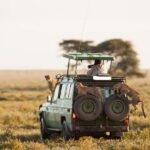
Four days, two parks, one big mission. This safari stacks Maasai Mara wildlife time with Lake Nakuru’s famous rhino-country feel, plus a Rift Valley viewpoint stop that breaks up the drive. I particularly like the pop-up-roof Land Cruiser setup, because it makes spotting and photography easier in the savanna chaos.
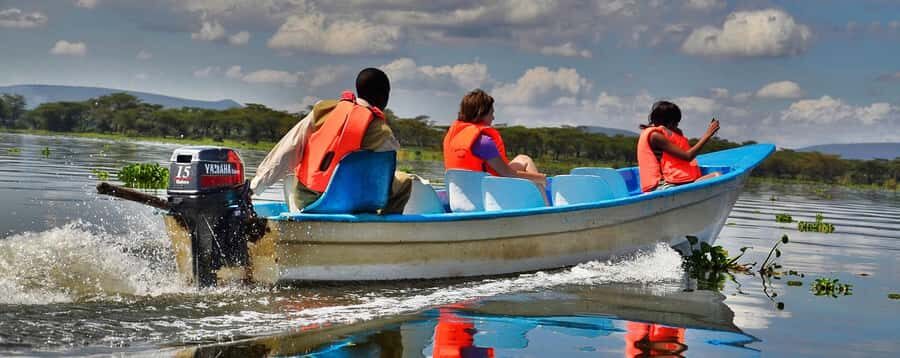
My favorite part is the way your Mara day is built around the action. You’ll target the predator hours early, then head to the Mara River area for a ranger-led look that includes Nile crocodiles and hippo families, with a picnic lunch overlooking the open country.
One caution: as a small-group safari, your seat comfort can vary. If you’re picked up later and end up in a back position, window photos and standing time can feel more awkward.
In This Review
- Key things to know before you go
- A fast Nairobi-to-Maasi Mara and Nakuru combo for serious wildlife time
- Rift Valley viewpoint and volcanic peaks before Maasai Mara
- Your first Mara afternoon: check-in, then the 2-hour game drive
- Full-day Maasai Mara: big cats, Mara River crocs, and ranger-guided viewing
- Mara River: crocodiles, hippos, and a picnic under the trees
- The Great Migration context
- The drive to Nakuru: switching gears after the Mara
- Lake Nakuru’s white rhinos: 3 hours of park time starting at 7:00 AM
- Why the timing matters
- Jeep time, guides, and how to get better sightings in a group of 15
- Price and park fees: what $350 really covers (and what it doesn’t)
- Maasai Mara park fee (not included)
- Lake Nakuru park fee (not included)
- Optional extras
- Is it good value?
- Where this safari can feel tight: seating, timing, and village choices
- 1) Seating comfort may not be equal
- 2) Optional Masai Village can turn into a surprise
- Timing expectations
- Who should book this 4-day group safari from Nairobi
- Should you book this Nairobi-to-Maasai Mara and Lake Nakuru safari?
- FAQ
- FAQ
- How long is the safari?
- Where does the safari start and end?
- What parks are included?
- What time is pickup on Day 1?
- Are game drives included?
- What’s the base price, and what’s not included?
- How much are the Maasai Mara park fees?
- How much are the Lake Nakuru park fees?
- Is the Masai Village included?
- Is a balloon safari included?
Key things to know before you go
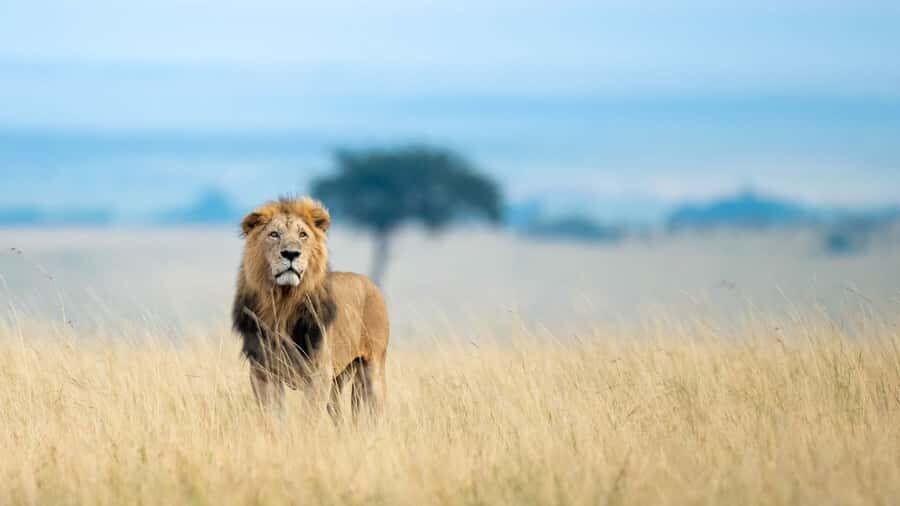
- Two national parks, one tight 4-day schedule: Maasai Mara plus Lake Nakuru, with game drives on set timings.
- Rift Valley viewpoint with volcanic peaks: Mount Longonot plus dormant Mount Suswa and Mount Margret.
- Early start for the Mara’s best chances: breakfast at 6:30 AM on the main game-drive day.
- Ranger-led Mara River stop: focused viewing for Nile crocodiles and hippos, paired with a picnic.
- Lake Nakuru’s white rhino morning: a park known for rare white rhinos and possible pink flamingos.
- Small group (up to 15): shared 4×4 with a pop-up roof for better sightlines.
A fast Nairobi-to-Maasi Mara and Nakuru combo for serious wildlife time
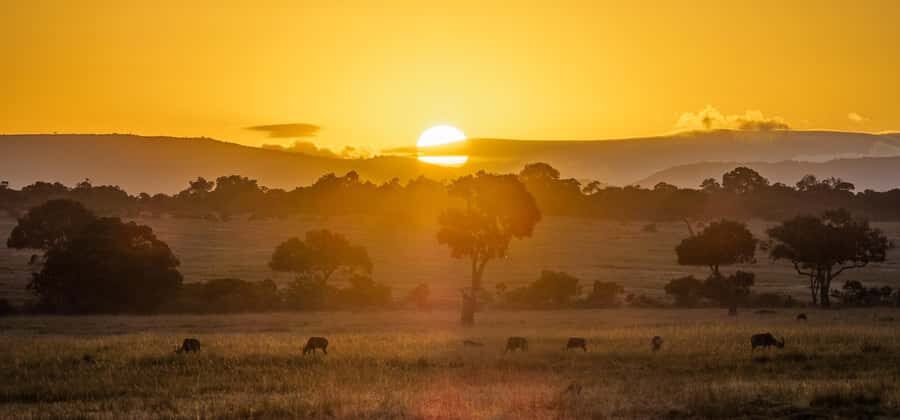
If you want the safari highlights without spending a week on the road, this 4-day Nairobi route makes a clear trade: you’ll cover distance, but you’ll also get real time in two of central Kenya’s most wildlife-dense settings. Maasai Mara is where you go for the big-cat chase and the Great Migration drama, while Lake Nakuru is all about the birds and the chance at rare white rhinos.
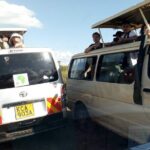
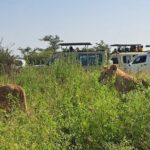
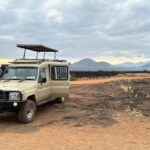
The value isn’t just the parks. It’s the rhythm. You’re not doing “sit in the vehicle all day and hope.” The driving is scheduled into game-viewing blocks, with early mornings and a second, full push in the Mara. And because you’re in a shared 4×4 Land Cruiser with a pop-up roof, you’re set up for quick animal spotting and easier photos, even when visibility isn’t perfect.
There’s also a practical support layer. You get a professional English-speaking driver guide, bottled water in the vehicle, and assistance along the way. For a short trip, that kind of organization matters more than it sounds.
A few more Nairobi tours and experiences worth a look
Rift Valley viewpoint and volcanic peaks before Maasai Mara
Day 1 starts with pickup at 8:00 AM from Nairobi city center/Westlands. Then the drive moves through the Rift Valley corridor with a planned stop at a viewpoint. This is one of those “stretch your legs, get your bearings” moments that also happens to be genuinely cool.
You’ll get about 10 minutes to take in the Rift Valley floor and three volcano features: Mount Longonot (semi-active) and two dormant peaks, Mount Suswa and Mount Margret. It’s short, but it gives you the bigger picture of why the region looks the way it does, and it gets you into safari mode before you even reach the reserve.
This stop also helps with one common safari problem: fatigue. Breaking up the drive makes your first game drive feel less like a long commute and more like the start of the real trip.
Your first Mara afternoon: check-in, then the 2-hour game drive
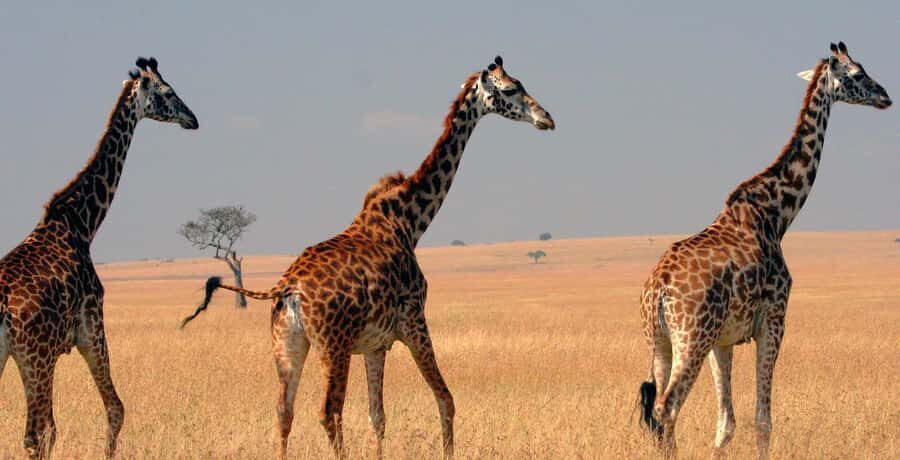
After the viewpoint, you arrive in time for lunch, then check in at Lenchada Touristic Camp (or similar). Dinner is a buffet, and the day ends with time to rest at camp.
Then comes the first game drive: you depart around 4:00 PM for roughly two hours of game viewing in Maasai Mara, finishing near 6:00 PM. That timing is deliberate. Late afternoon light often helps animals look more textured and your photos less washed out. You’re also more likely to see animals moving before the light drops.
This first drive is the appetizer. It’s not trying to cram everything into Day 1. It’s there so you can settle into the rhythm of the reserve: the vehicle stops, the scanning, the sudden “there it is” moments.
Full-day Maasai Mara: big cats, Mara River crocs, and ranger-guided viewing
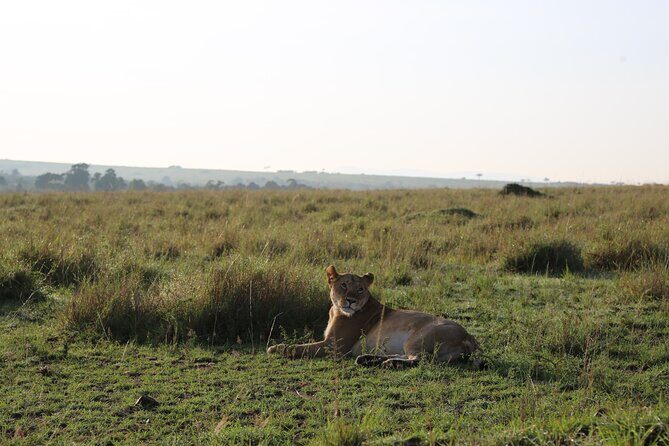
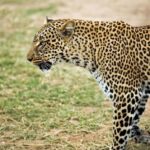
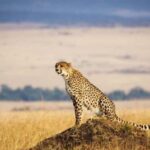
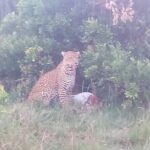
Day 2 is the heart of the trip. You’ll have early breakfast at 6:30 AM and then head out for the full day of game viewing. This is where the safari operator is aiming its best effort at big-cat sightings, especially leopard and other predators that can be elusive.
A few things make this day work for you:
- You start early. The most active animal windows tend to be earlier, and you’re positioned to use them.
- The schedule isn’t only about driving. It includes specific stops tied to well-known Mara features.
- It has a guided component. You’ll get a ranger-led look at the Mara River area.
Mara River: crocodiles, hippos, and a picnic under the trees
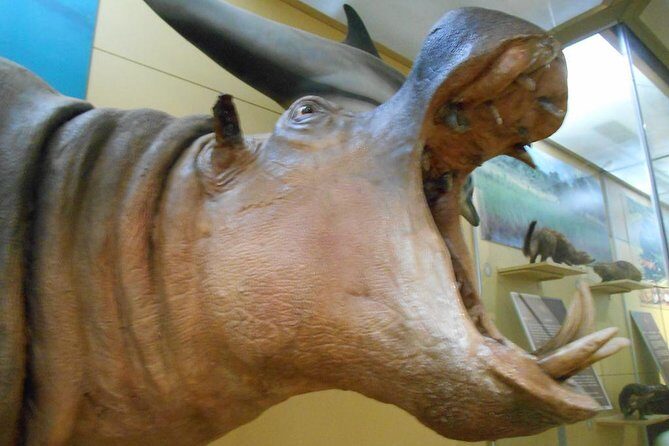
The Mara River visit is a standout because it’s not a generic “drive by and hope.” You’ll head to the famous river area linked with migration events, then get a guided ranger tour aimed at Nile crocodiles and hippo families.
You also stop for a picnic lunch under a tree in the park, with a view over the broad country. That matters on a full-day drive: it breaks up the vehicle hours and gives you a calmer reset while you’re still in prime wildlife space.
A few more Nairobi tours and experiences worth a look

The Great Migration context
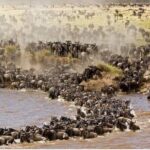
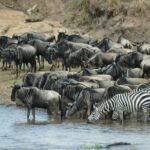
Even if you’re not there during the peak peak moment, the Mara River area is tied to the annual movement of wildebeest and zebra from Serengeti in Tanzania in search of pasture and water. What that means for your trip is simple: prey activity draws predators. So the day’s structure is basically built around the idea of chasing that food chain.
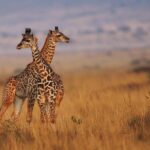
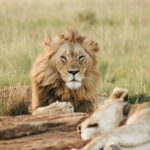
And when you get those big-cat moments, you’ll feel why the Mara earns its reputation. One of the most common praise themes from safari schedules like this is that leopard, lion, cheetahs, and other mammals can show up on back-to-back sightings, not just in theory.
The drive to Nakuru: switching gears after the Mara
Day 3 is a transition day. You’ll breakfast at camp and then drive to Nakuru. You’re aiming to arrive late evening, check in, and settle for the night at Lanet Matfam Resort (or similar).
This day has two benefits for you:
- It prevents your trip from feeling like a nonstop grind of long drives plus constant game viewing.
- It sets you up for an early start the next morning in a smaller, focused park.
The trade-off is obvious: you won’t get another Mara-style full-day animal marathon today. But the schedule keeps the overall pace reasonable for a 4-day format.
Lake Nakuru’s white rhinos: 3 hours of park time starting at 7:00 AM
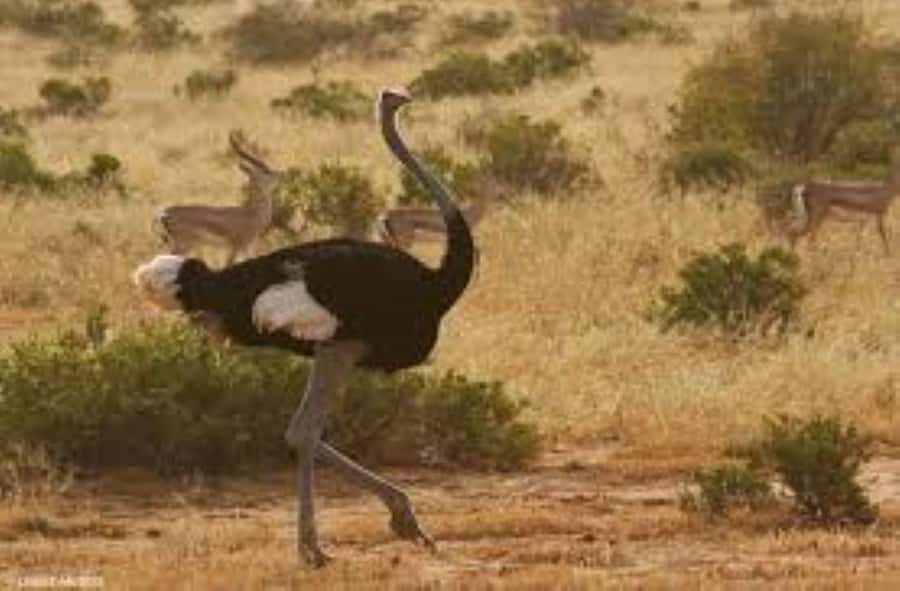
Day 4 is where Nakuru does its job. You’ll have early breakfast, then depart around 7:00 AM straight to the park. The game drive is planned for about 3 hours, and the park is known for rare white rhinos.
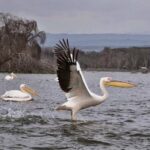
Lake Nakuru is also a bird-and-baboons type of place. You’ll have a possibility of seeing pink flamingos, depending on conditions. Even when flamingos don’t show up in big numbers, the park’s mix of mammals and birds is a different flavor from the Mara’s predator focus.
Why the timing matters
Starting at 7:00 AM gives you a better shot at animal activity and calmer viewing. With only a short safari window in Nakuru, you want those first hours working for you instead of against you.
Jeep time, guides, and how to get better sightings in a group of 15
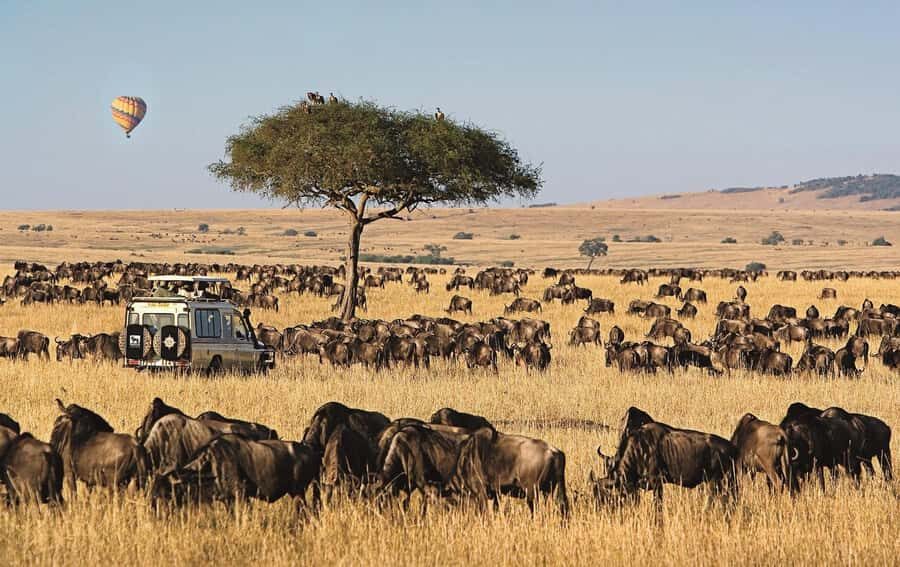
This is a small group safari, limited to 15 participants, and that’s a big deal. Smaller groups usually mean quicker decision-making, less vehicle chaos at stops, and a better chance your driver can manage the viewing angles.
Your driver guide is professional and English-speaking, and the operator’s approach is often described as organized and safety-minded. Names that have shown up in the guide lineup on these kinds of runs include Wycliff (plus an assistant named William), James, Paul, Wilson, Stanley, Andrew, Khaled, Joshua, David, Calvin, and Kevin. If you’re lucky enough to match with someone like this, your day-to-day experience tends to feel smoother and more confident on the road.
A couple practical notes that are worth taking seriously:
- Seat positions can affect comfort and photos. One issue that pops up for people in the back row is window-angle trouble and less room to stand for pictures. If you care about photography, ask early about seating swaps when the group is loading.
- Vehicle positioning affects your view. You’ll be limited by regulations and by how close vehicles are allowed to get. Still, you can improve your outcomes by being ready for the driver to reposition when something interesting appears, and by having patience when other vehicles block your angle.
Also, if you’re traveling solo or you’re used to private transport, this group format may feel less flexible. The upside is that the itinerary still tries to keep you in the right places at the right times.
Price and park fees: what $350 really covers (and what it doesn’t)
The listed safari price is $350 per person for 4 days. That base price includes the big essentials:
- 3 nights accommodation during the safari
- All meals as per the itinerary
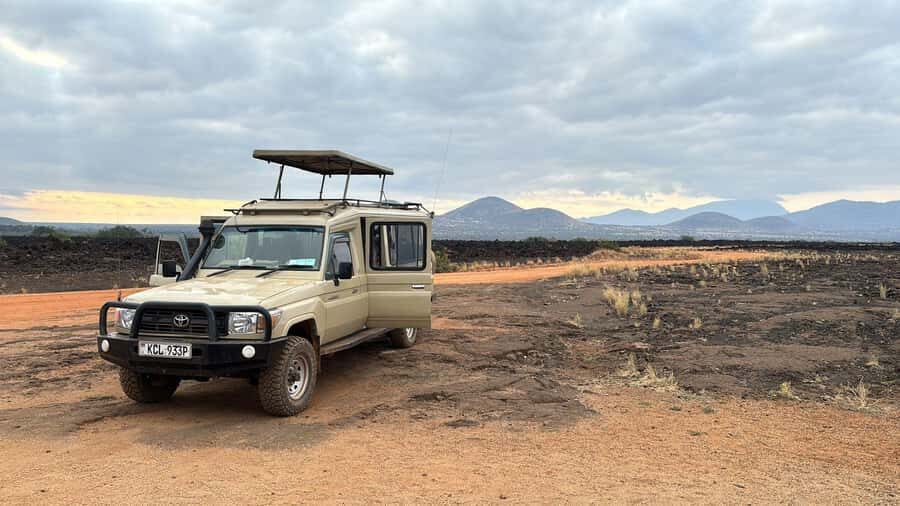
- Shared 4×4 Land Cruiser with pop-up roof
- Professional English-speaking driver guide
- Bottled water in the safari vehicle
- Free pickup within Nairobi city center/Westlands and free drop-off within Westlands or Nairobi city center (with extra fees outside those zones)
But don’t underestimate the add-ons. The biggest extra costs are park fees and optional activities.
Maasai Mara park fee (not included)
Maasai Mara fee is listed as:
- USD 100 per person per day for January to June
- USD 200 per person per day for July to December
One note specifies July to October for the higher tier, so you’ll want to confirm the exact month-based rate when you book.
Lake Nakuru park fee (not included)
Lake Nakuru park fee is listed as:
- USD 90 per person throughout the year (beginning 1st October 2025)
- Operator pricing info also lists USD 60 for adults and USD 35 for kids (3–17)
Because both appear in the provided details, treat this as something to confirm based on your travel dates and the ticket type you fall under.
Optional extras
- Masai Village: about USD 20 per person
- Balloon safari: USD 600 (optional arrangement)
Is it good value?
For a 4-day jump from Nairobi that covers two major parks, the base rate can feel fair because it bundles transport, guided driving, and meals across multiple days. The real “value test” is whether the park fees fit your budget and whether you’re comfortable with shared vehicles and a group schedule.
If you’re the type who would otherwise pay separately for transport, driver, and lodging, this package format is usually easier on your planning brain. If you’re fee-sensitive, the park fees will be the deciding factor.
Where this safari can feel tight: seating, timing, and village choices
Short safaris are never perfect fits for everyone. Here are the two practical friction points that show up most often with this exact style of group tour.
1) Seating comfort may not be equal
Because pickup order and loading affect seating, some people end up in less ideal positions, usually toward the back. That’s not a safety issue, but it can affect:
- your view through windows
- standing room for photos
- convenience when the jeep stops suddenly
If this matters to you, it’s worth requesting a seating swap early.
2) Optional Masai Village can turn into a surprise
The Masai Village visit is listed as optional for USD 20 per person. Still, experiences on group safaris can vary in how add-ons are offered in practice. If you want full control, message the organizer before departure and clearly confirm whether the village stop is optional for you, not automatic.
Timing expectations
The schedule includes a two-hour Mara drive on Day 1, a full day on Day 2, and a three-hour Nakuru drive on Day 4. If your personal goal is maximum total hours in the park, you should know this itinerary is built for a balanced route, not an endless game-drive marathon.
Who should book this 4-day group safari from Nairobi
This trip is a good fit if you:
- want Maasai Mara + Lake Nakuru in one short Nairobi-based package
- like structured game-drive timing and don’t want to handle logistics yourself
- are comfortable with a shared vehicle and up to 15 people
- care about guided river viewing for crocodiles and hippos
It’s not a great fit if you:
- have back problems (the safari vehicle and long sitting time can be an issue)
- are pregnant
- want a private, fully customizable itinerary
If you want a bit more comfort than the budget camp feel, there’s also an option to upgrade accommodation to mid-comfort levels, depending on availability.
Should you book this Nairobi-to-Maasai Mara and Lake Nakuru safari?
I’d say book it if your goal is a tight, well-paced safari that gets you into Maasai Mara early, keeps you on the Mara River for ranger-guided viewing, and then follows up with a focused Lake Nakuru morning aimed at white rhinos. The itinerary structure is built for efficiency, and the pop-up-roof jeep plus English-speaking driver guide makes a real difference when animals are far off or quick-moving.
I’d pause and ask questions first if you’re particularly sensitive to seat comfort, you’re very camera-specific, or you want strict control over optional stops like the Masai Village. Also confirm your month-based park fees so the final cost matches what you expect.
If you come prepared for a group rhythm and treat the park fees as part of the safari “price of admission,” this is the kind of 4-day trip that can deliver big wildlife moments without turning your vacation into a logistics project.
FAQ
FAQ
How long is the safari?
It runs for 4 days.
Where does the safari start and end?
It starts with pickup in Nairobi (within Nairobi city center/Westlands) and ends with drop-off in Nairobi city center/your hotel within that central area.
What parks are included?
You visit Maasai Mara National Reserve and Lake Nakuru National Park.
What time is pickup on Day 1?
Pickup from your Nairobi hotel within the city center/Westlands is at 8:00 AM.
Are game drives included?
Yes. Game drives are included according to the schedule, and you’ll use a shared 4×4 Land Cruiser jeep with a pop-up roof.
What’s the base price, and what’s not included?
The base price is $350 per person. Park fees for Maasai Mara and Lake Nakuru are not included, and drinks, gratuity, and optional activities are also not included.
How much are the Maasai Mara park fees?
Maasai Mara park fees are listed as USD 100 per person per day for January to June, and USD 200 per person per day for July to December (a note also mentions July to October for the higher tier).
How much are the Lake Nakuru park fees?
Lake Nakuru park fees are listed as USD 90 per person throughout the year starting from 1st October 2025. Operator pricing info also lists USD 60 for adults and USD 35 for kids ages 3 to 17.
Is the Masai Village included?
No. The Masai Village visit is optional and costs about USD 20 per person.
Is a balloon safari included?
No. Balloon safari is optional and costs USD 600.