REVIEW · NAIROBI
4-Day Masai Mara and Lake Nakuru Jeep Safari
Book on Viator →Operated by Bencia Africa Adventure & Safaris · Bookable on Viator
Four days, three nights, and big-cat suspense. This jeep safari stitches together Maasai Mara and Lake Nakuru with daily game drives, Mara River hippos and crocodiles, and Lake Nakuru’s flamingo season highlight.
I love that the price bundles the stuff that usually adds up fast: park entrance fees, full-board lodging, and meals. I also like the small group size, capped at 6 travelers, which helps the driver move quickly when sightings pop up.
One possible drawback is comfort can vary. The safari vehicle and lodge level may feel basic depending on what you choose, and there are a few reports of rougher rides and a serious vehicle issue, so it’s worth asking about the vehicle you’ll use.
In This Review
- Key takeaways before you go
- The Nairobi-to-Maasai Mara-to-Lake Nakuru flow (and why it works)
- Getting rolling from Nairobi: Rift Valley viewpoints and Mt. Longonot
- Maasai Mara day one: check-in at the camp and the first wildlife chase
- Big Five odds on day two, plus the Mara River’s hippo-and-croc focus
- The optional Maasai village stop: culture vs. extra cost
- Day three switch: leaving Maasai Mara and arriving at Lake Nakuru
- Lake Nakuru day four: Pink Lake flamingos and a rhino-and-bird checklist
- Lodging reality check: three accommodation levels and how to choose
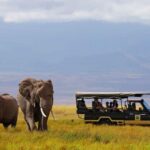
- Transport and comfort: modified safari vehicles, open-roof viewing, and bumpy roads
- Value and price: what $1,255 buys you (and what it doesn’t)
- The guide makes or breaks the day (and why you should care)
- Who should book this 4-day safari from Nairobi
- Should you book this 4-Day Masai Mara and Lake Nakuru Jeep Safari?
- FAQ
- What are the tour start and end points?
- How long is the safari?
- What’s included in the price?
- What animals should I expect to see?
- Is pickup offered from Nairobi?
- What optional extras cost extra?
- How big is the group?
- Is free cancellation available?
Key takeaways before you go
- Two major parks in four days means more “wildlife time” and less backtracking.
- Up to 6 people can make the drives feel more flexible when animals are close.
- Mara River crocs and hippos get a dedicated push, not just a passing glance.
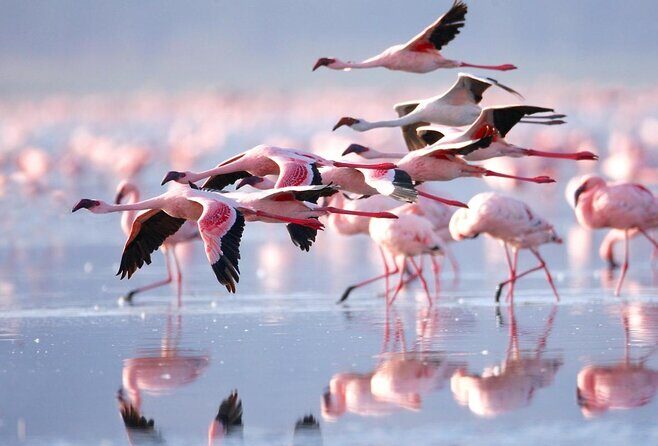
- Lake Nakuru’s Flamingo Pink Lake is a real, on-purpose target day.
- Multiple accommodation levels let you decide how much comfort you want after long drives.
The Nairobi-to-Maasai Mara-to-Lake Nakuru flow (and why it works)
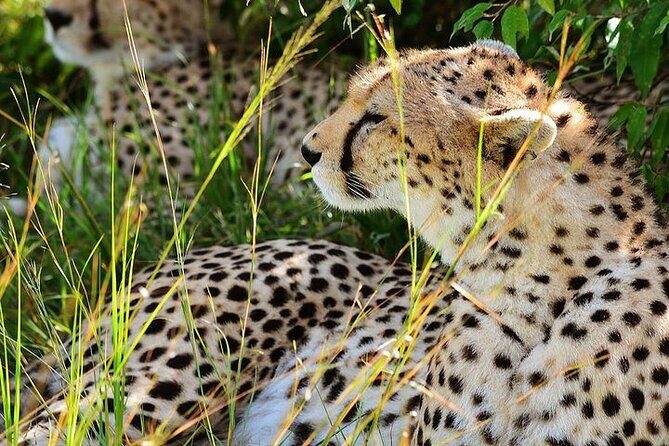
This is a straightforward 4-day route out of Nairobi that aims to hit the big headline sightings without wasting half your vacation in transit. You’ll start with an early Nairobi pickup, then spend your main driving days inside Maasai Mara before switching to Lake Nakuru for birds and rhino.
The rhythm is built around a simple reality: animals are active at certain hours. In Maasai Mara, you get an afternoon drive on arrival and then full-day chances later. In Lake Nakuru, you get a full drive day focused on the park’s standout residents and the flamingos.
Because the schedule is tight, the payoff is concentration. If you love the feeling of being out on the plains for hours with the guide scanning constantly, this format fits you. If you want downtime every afternoon, you may feel the pace.
A few more Nairobi tours and experiences worth a look
Getting rolling from Nairobi: Rift Valley viewpoints and Mt. Longonot
Day 1 starts with pickup from Uganda House, 15 Standard St, Nairobi, typically leaving Nairobi around 8:30am after an 8:00am pickup window. Before you hit the parks, you do a short scenic stop at the Great Rift Valley View Point for photos. It’s quick, and admission is free.
Then you pass by Mount Longonot National Park for a stop that’s mainly about viewpoints and timing. Mt. Longonot is described as dormant now, and your lunch is served in Narok town around 12pm. You also get another short stop format here: a quick look, not a long hike.
Why this matters for your trip: it breaks up the long road so Day 1 doesn’t feel like straight driving until evening. The tradeoff is that these early stops add hours before your first serious game drive, so if you’re the type who hates any non-safari time, pack patience for Day 1.
Maasai Mara day one: check-in at the camp and the first wildlife chase
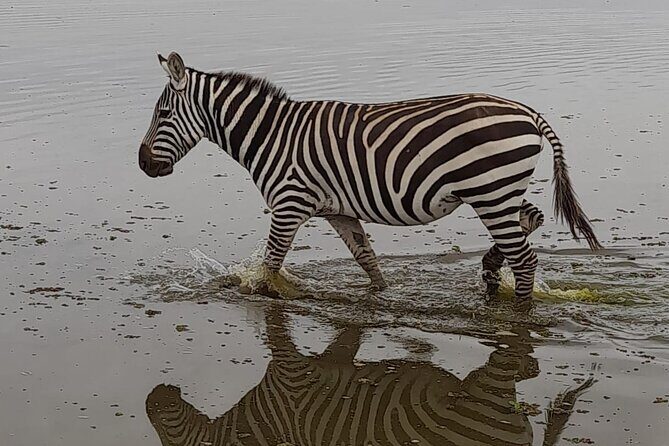
You’ll reach Maasai Mara around 3pm, check in, and then start your first game drive in the late afternoon. This matters because the Mara can deliver right away: animals move differently as the light shifts.
The drive runs until around 6:30pm, which lines up with the classic dusk window. You’ll be looking for the usual mix of plains game and predators, while your guide works the spotting angles—grassline edges, watering spots, and animal movement corridors.
A practical note: because you’re traveling with a group, expect a steady rhythm of scanning, stopping when there’s action, and moving again. If your guide is strong, you’ll get more “meaningful stops” instead of endless slow driving. In past departures, guides like George and Morris have been mentioned as making guests feel safe and comfortable while also helping with animal spotting and photos.
Big Five odds on day two, plus the Mara River’s hippo-and-croc focus
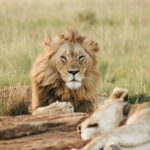
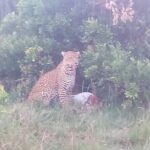
Day 2 is where Maasai Mara becomes the main event. After breakfast, you leave around 8:00am with picnic lunches for extensive game driving. The goal is to find the Big Five: lion, leopard, buffalo, rhino, and elephant. No one can guarantee the Big Five in four days, but the tour structure is tuned for maximum chances by focusing on roads and tracks that allow close viewing and photography.
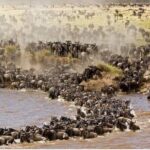
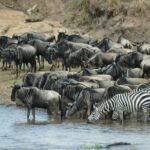
In the afternoon, you shift to the Mara River, specifically for animals tied to water—especially crocodiles and hippos. This is framed as a key migration point area, and the timing includes a picnic lunch around 1pm after viewing the hippos and crocodiles.
Why I like this plan for you: it gives you variety. You’re not spending the whole day chasing just one kind of scene (for example, only open grassland). You get predators and plains action in the morning-to-midday, then a denser, water-focused wildlife segment later.
One consideration: Mara River sighting windows can feel intense. You’ll want to be ready for a lot of “wait, watch, reposition, repeat.” That’s part of safari life, but a good guide makes it feel purposeful instead of random.
The optional Maasai village stop: culture vs. extra cost
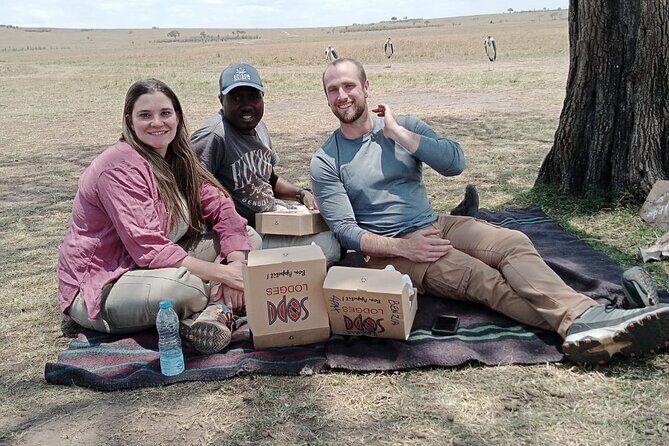
There’s an optional cultural element built into your Day 2 flow: an Oloolaimutia Primary School stop and an option to visit a Maasai village before leaving back toward Nairobi.
Your cost picture here is a bit nuanced:
- The main tour says cultural village visit is not included, listed at $20 per person.
- The village visit option also mentions gratuities around $15 per person given to Maasai people when you visit.
So if this is meaningful to you, budget for both the tour add-on and the on-the-ground giving. If it’s not your thing, you can treat the school stop as the cultural component and keep the day focused on the parks.
A few more Nairobi tours and experiences worth a look
Day three switch: leaving Maasai Mara and arriving at Lake Nakuru
Day 3 starts with checkout from your camp and then a transfer to Lake Nakuru, with lunch en route. Arrival is in the afternoon, and you do an afternoon game drive after check-in.
This is the day that many safaris do “okay.” This one is practical: it gets you to Lake Nakuru without cutting out the drive time entirely. Still, it is travel day, so the best way to enjoy it is to think of it as the transition between two wildlife moods—Mara’s open plains energy and Nakuru’s park mix shaped by water and birdlife.
If you’re sensitive to motion, bring something for the road. One experience mentioned bumpy, dusty conditions in a van-style vehicle, though others still appreciated the overall viewing setup, like roof openings for spotting from above.
Lake Nakuru day four: Pink Lake flamingos and a rhino-and-bird checklist
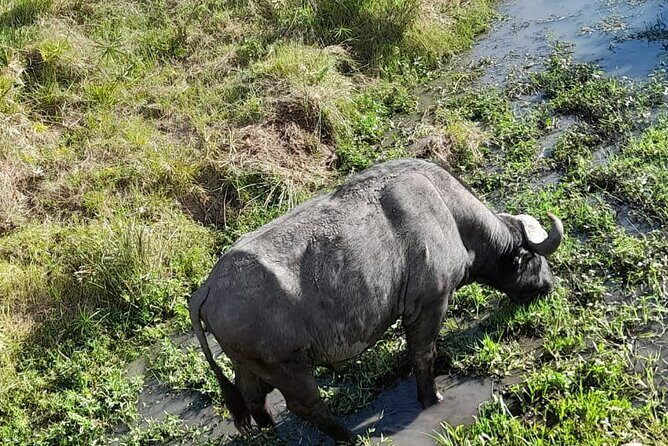
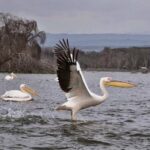
Day 4 is the full game drive at Lake Nakuru National Park after breakfast, with your main “headline” target being flamingos, often called the Pink Lake.
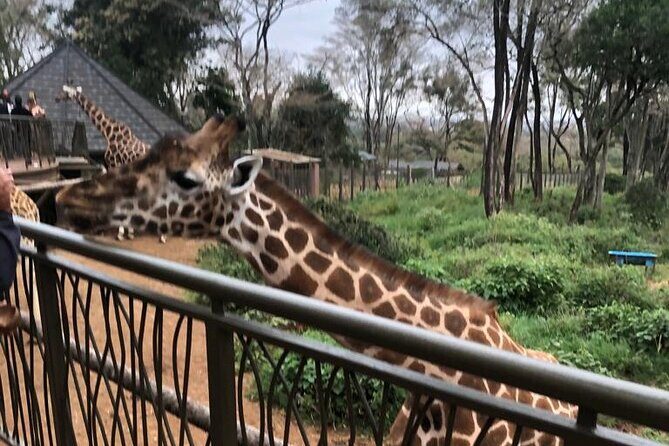
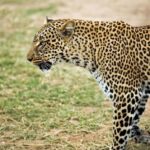
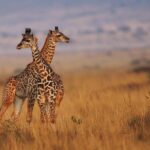
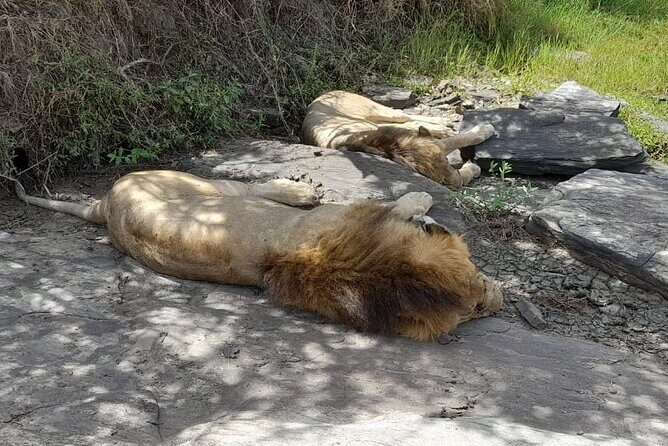
From there, you’re in a classic Nakuru mix: Rothschild’s giraffe, black and white rhino, waterbuck, reedbuck, plus predators and primates such as lion, buffalo, leopard, and baboon.
This is also where you’ll feel how the park’s personality differs from Maasai Mara. Mara can feel like a predator playground on wide plains. Lake Nakuru often feels like a bird-and-browsers park where you still get big animals, but you might spend more time tracking movement around the lake edge and along game corridors.
After lunch, you head back to Nairobi and typically arrive around 5:00pm, with drop-off back at your Nairobi accommodation area.
Lodging reality check: three accommodation levels and how to choose
The tour offers three accommodation levels and includes three nights of lodging. That sounds straightforward until you remember safari camps can vary hugely in comfort.
What you can expect from the data you have:
- Some lodging is described as basic, but still with showers and toilets.
- When guests upgrade to a more comfortable level, they report it’s worth it for food, views, and comfortable rooms, especially after long drive days.
So here’s my practical advice: pick lodging based on how you recharge. If you like sitting outside, sleeping well, and starting fresh for early drives, pay for the comfort level that actually matches your style. If you’re happy with a simpler setup as long as the location is right and the bed is clean, the budget-level options can work.
Also note: the tour promises hot shower access as part of the camp/lodge return, and dinner is included daily.
Transport and comfort: modified safari vehicles, open-roof viewing, and bumpy roads
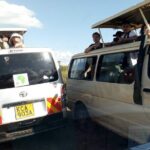
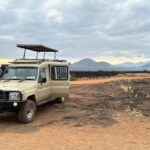
This safari uses a modified-safari vehicle for round-trip transport between Nairobi and the parks, plus park driving. Pickup and drop-off are included.
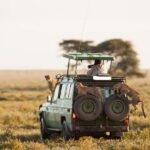
In comfort terms, you should plan for the fact that road conditions in the bush can be bumpy. One account called out a van that didn’t have as much suspension as a Jeep and described a dusty, rough ride. Another highlighted the roof opening, which can be a big deal for viewing and photography.
Here’s the key: vehicle details are not just comfort. They can affect how long you’ll want to sit scanning for animals. If you’re booking for the photo angles, ask whether you’ll have an opening roof or good viewing access.
And while most experiences focus on safe, skilled driving, at least one account raised a serious concern about driving risk and a broken van. That’s rare in the overall rating pattern, but it’s still a reason to ask pointed questions before you go.
Value and price: what $1,255 buys you (and what it doesn’t)
At $1,255 per person for a 4-day jeep safari, you’re paying for a package that includes:
- Transport in the safari vehicle with Nairobi pickup/drop-off
- All park entrance fees
- Full board accommodation in your chosen option
- Meals (breakfasts, lunches, and dinners are included as listed)
What’s not included:
- Boat ride ($20 per person)
- Cultural village visit ($20 per person)
- Tips/gratuities, and any holiday supplements in the lodge/camp
To judge whether the price is fair, focus less on the dollar number and more on the inclusions. A safari like this is expensive largely because of the combination of lodging inside the safari circuit plus the park fees plus the logistical transport. This tour packages those together, so you’re less likely to get hit by surprise add-ons once you’re already in Kenya.
If you want the Mara River boat-style viewing or you strongly want the cultural village component, your real cost will be higher than the headline price. But if you’re happy with the game drives as the main course, the structure is pretty straightforward.
The guide makes or breaks the day (and why you should care)
Safari days are mostly about spotting: reading tracks, spotting motion, and knowing when to slow down. The guide’s role is huge.
In the feedback included in what you shared, guides such as Joseph and Morris are praised for knowing plants and animals, handling wildlife spotting well, and keeping people feeling safe. Another guide, Ben, is mentioned as very skilled at spotting animals. George is noted for knowledge of wildlife and Kenya history, plus a flexible, calm style.
Also, the cook John shows up as a standout in multiple notes: guests mention good food, humor, and accommodating service. That matters more than you’d think. Long days on safari can make meal quality feel like comfort food, not just logistics.
Who should book this 4-day safari from Nairobi
This trip is a strong fit if:
- You want two iconic parks in a short time without getting overwhelmed.
- You’re excited to chase sightings at dusk and on full drive days.
- You like the idea of small-group safari pace, with up to 6 travelers.
It might not be ideal if:
- You want a super-comfy, minimal-motion ride every day. Roads can be dusty and bumpy.
- You’re very sensitive to lodge comfort variation. The tour includes different accommodation levels, so choose carefully.
- You expect a guaranteed Big Five checklist. The tour is built for the best odds, but wildlife is still wildlife.
Should you book this 4-Day Masai Mara and Lake Nakuru Jeep Safari?
If your top priority is seeing big wildlife in world-class parks, then yes, this is a sensible booking. The structure hits the key moments: arrival drive in the Mara, a Big Five-focused day, the Mara River’s hippos and crocodiles, then Lake Nakuru for flamingos plus rhino-and-giraffe variety.
My booking advice is simple:
- Choose your accommodation level based on how you recover at night.
- Ask about the exact vehicle setup, especially if roof viewing matters for you.
- If flamingos and rhinos are on your must-see list, Lake Nakuru is the right place to spend your last day.
You’ll come away with a safari that feels packed, not rushed in the wrong way—more time scanning for animals, less time wasting the days between them.
FAQ
What are the tour start and end points?
The tour starts at Uganda House, 15 Standard St, Nairobi, Kenya. It ends back at the same meeting point.
How long is the safari?
The safari runs for 4 days (approx.).
What’s included in the price?
The package includes transport in a modified-safari vehicle with pickup and drop-off, all park entrance fees, and full board accommodation in the chosen option, plus breakfasts, lunches, and dinners as listed.
What animals should I expect to see?
You’ll aim for the Big Five (lion, leopard, buffalo, rhino, elephant). The itinerary also highlights opportunities for hippos and crocodiles at the Mara River and flamingos at Lake Nakuru, plus animals like giraffe, waterbuck, reedbuck, baboons, and others mentioned for Lake Nakuru.
Is pickup offered from Nairobi?
Yes. Pickup is offered, and the tour includes round-trip transport from your Nairobi accommodation/airport area.
What optional extras cost extra?
A boat ride is listed at $20 per person, and a cultural village visit is also listed at $20 per person (both not included). A village visit may also involve gratuities, with an approximate $15 per person mentioned.
How big is the group?
This safari has a maximum of 6 travelers.
Is free cancellation available?
Yes. Free cancellation is available, and you can cancel up to 24 hours in advance for a full refund.