REVIEW · NAIROBI
Nairobi: 4 Day Masai Mara and Lake Nakuru Camping Safari
Book on GetYourGuide →Operated by Perfect Wilderness Tours and Safari · Bookable on GetYourGuide
That first drive out of Nairobi has a way of putting you in Africa-mode fast. This 4-day, 3-night trip is built around real game viewing time in Maasai Mara and Lake Nakuru, with a tight route and comfortable tent stays that don’t force you into roughing it.
I especially like the mix of sunset hunting and a full day in Maasai Mara, plus the Lake Nakuru focus on white rhinos, Rothschild giraffes, and a real chance at pink flamingos. One possible drawback to plan for: the accommodations in the Mara are budget-style camps, and there can be occasional hiccups with basics like water or electricity depending on conditions.
In This Review
- Key Takeaways Before You Go
- Nairobi to Maasai Mara and Lake Nakuru: The Route That Works
- Day 1: Nairobi Pickup, Rift Valley Viewpoint Stop, and a Mara Sunset Drive
- Day 2: Full Day Maasai Mara Reserve Game Drive for Big Five Chances
- Day 3: Maasai Mara to Lake Nakuru, with Culture and Optional Naivasha Time
- Day 4: Lake Nakuru Game Drive—White Rhinos, Rothschild Giraffes, Flamingo Odds
- Where You Sleep: Self-Contained Mara Tents and Nakuru’s Hotel-Style Stay
- Safari Vehicle Reality: Pop-Up Roof Viewing and Photo Time
- Meals, Timing, and Comfort on a 4-Day Safari
- Cost and Value: What $360 Really Means (and Park Fees That Change Everything)
- Who This Safari Fits Best (and Who Should Think Twice)
- Should You Book This Safari?
- FAQ
- How long is the safari?
- What places does the itinerary include?
- Where do I stay during the trip?
- Are meals included?
- Is transportation included, and what kind of vehicle is used?
- Do I need to pay park fees?
- What are the typical optional add-ons?
- What wildlife highlights should I expect?
- What should I bring?
- What isn’t allowed?
Key Takeaways Before You Go
- Pop-up roof safari vehicle: easier spotting and better photos on game drives
- Two different parks, two different “animal stories”: Mara for big cats and savanna action, Nakuru for rhinos and flamingo country
- Sunset + full day in the Mara Reserve: you’re not stuck with one short outing
- Self-contained tents in the Mara: shower and electricity are included, not just a bed in the dark
- Park fees can change the real total: know whether your option includes them and what season you’re traveling
Nairobi to Maasai Mara and Lake Nakuru: The Route That Works
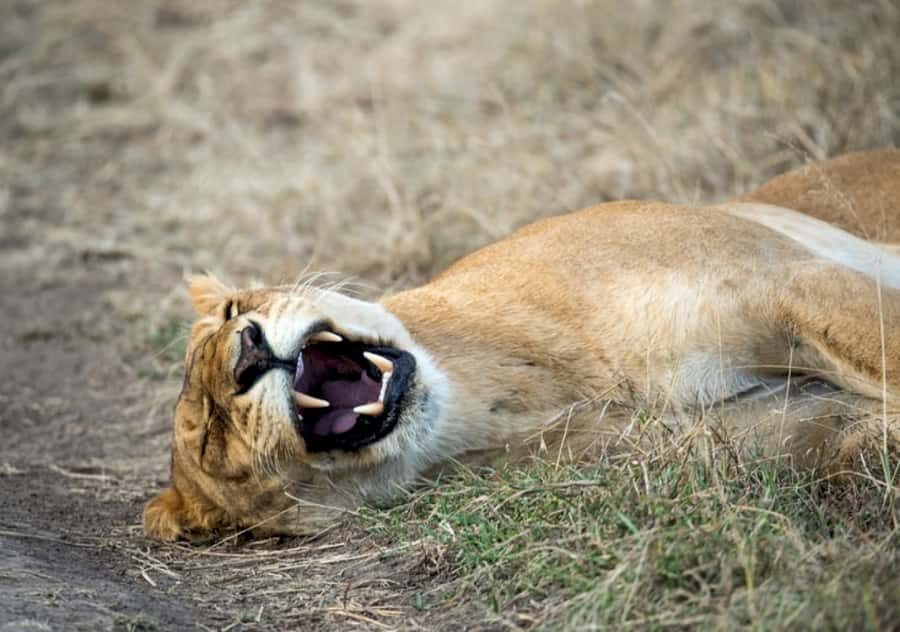
This safari is simple in the best way: Nairobi first, then the Maasai Mara plains, then Lake Nakuru National Park, then back to Nairobi. You get the Great Rift Valley change of scenery along the way, and you spend the days where wildlife viewing is the point, not as a side quest.
I like that the plan is balanced: Mara gives you the classic savanna rhythm (morning and full-day searching, then a sunset drive), while Nakuru shifts gears into a park known for rhinos and birds. If you want one trip that covers two iconic Kenya areas without stacking too many hotel changes, this route is built for that.
A few more Nairobi tours and experiences worth a look
Day 1: Nairobi Pickup, Rift Valley Viewpoint Stop, and a Mara Sunset Drive
You’ll start with pickup from your Nairobi hotel around 8:00. The drive heads out toward the Maasai Mara, with a quick break at a Great Rift Valley viewpoint (10–15 minutes) where you can stretch your legs and take in the big scale of Central Kenya.
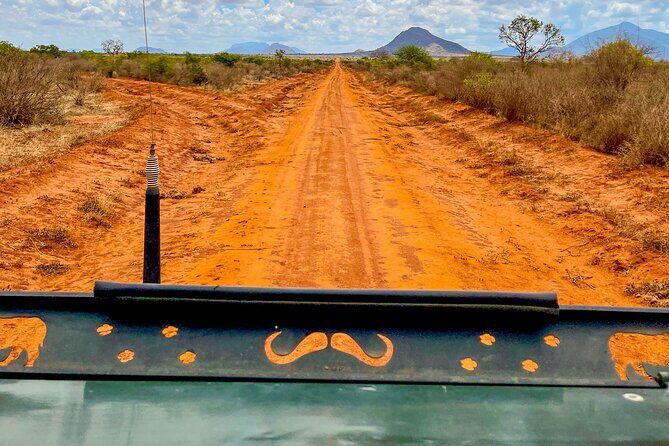
Lunch happens at the camp in the Maasai Mara area, then you check in and go out for a sunset evening game viewing drive. This matters because evening light can make animals easier to spot, and the savanna tends to feel alive as the temperature drops. The Mara Reserve is also described as primarily open grassland, with wildlife concentrated on the western escarpment—so your timing and route within the reserve are a big part of your odds.
Back at camp you’ll have a buffet dinner and time to rest. Your night is in the Mara at Enkajiang Camp or Rhino Tourist Camp (or similar), with spacious self-contained tents that include a bathroom, shower, and electricity.
Practical note: rides on the early part of the day can be bumpy, so comfortable shoes and a calm mindset help. Also, if you’re sensitive to long drives, plan to keep your expectations flexible for the first day’s pace.
Day 2: Full Day Maasai Mara Reserve Game Drive for Big Five Chances
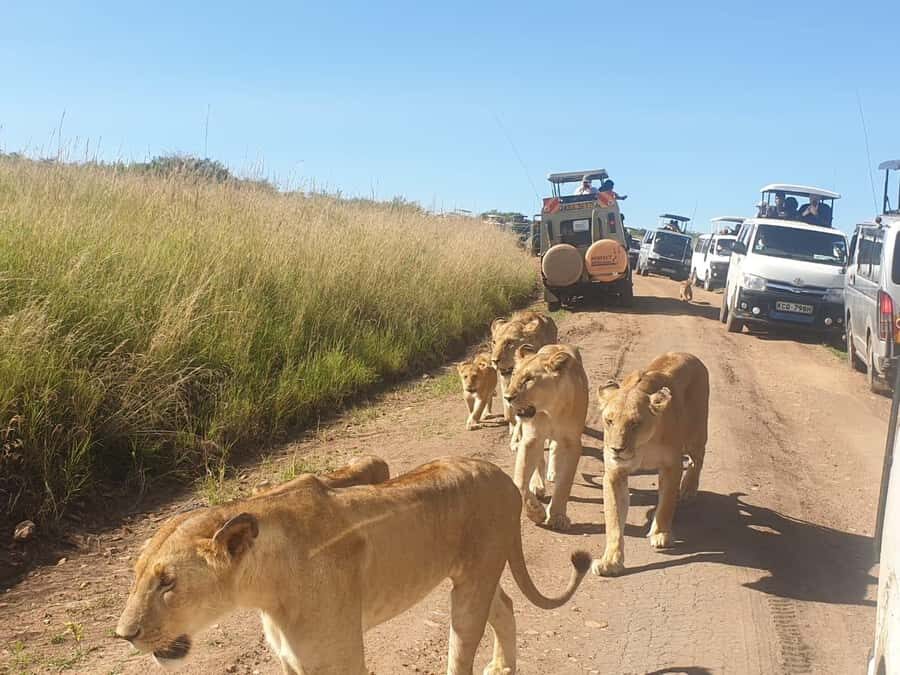
Day 2 is the day you’ll feel most “on safari.” After breakfast (around 7:00), you head out for a full day game drive in the Maasai Mara Reserve searching for the Big Five game animals in their natural habitats.
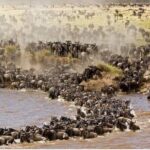
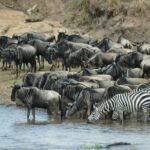
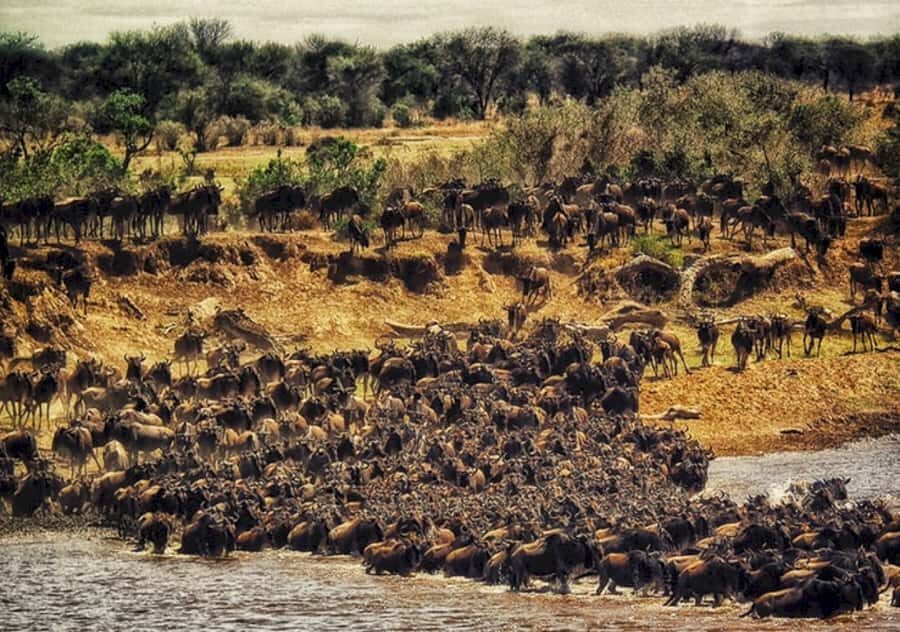
Midday includes a picnic lunch inside the park provided by the safari. Then you focus on what Mara does best: predator-and-prey action along with iconic savanna areas. The plan includes a stop tied to the yearly wildebeest migration, which is a huge magnet for predators when animals are moving. Even when migration isn’t happening at the exact moment, Mara’s ecosystem still draws in game and keeps the food chain active.
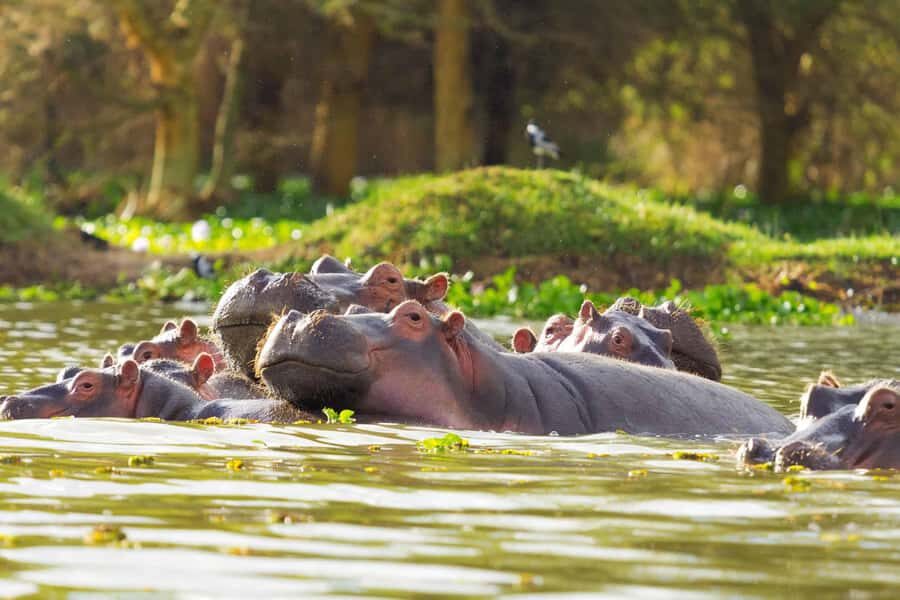
You also get time watching animals around the Mara River, with resident crocodiles and hippos noted along the banks. That’s a useful detail because water-edge sightings often shape the day’s energy: you’ll be looking for movement near banks and rest spots, not just open grass.
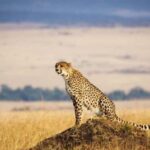
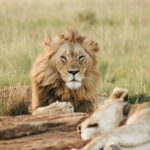
As the drive goes on, you’ll be tracking the predators and scavengers that follow that rhythm—lions, cheetahs, jackals, hyenas, and vultures are all part of the target list. The more time you spend on the ground with a guide who knows where activity tends to show up, the better your chances, and this day is built for that.
One small comfort consideration: one review feedback point was that seating further toward the back of the vehicle could feel less comfortable. If you get to choose, aim for the best mix of sightlines and comfort early in the day, before everyone settles in.
Day 3: Maasai Mara to Lake Nakuru, with Culture and Optional Naivasha Time
This is the “move day,” but it’s not a wasted one. You’ll have an early breakfast, then check out from the Mara camp and start driving to Nakuru. Lunch is on the way at a travelers motel, which keeps you fueled without adding unnecessary detours.
There’s also an optional Maasai village visit for $20. If you do it, treat it as a cultural stop with a learning tone, not a quick photo booth. It can be a nice counterbalance after two days focused only on wildlife.
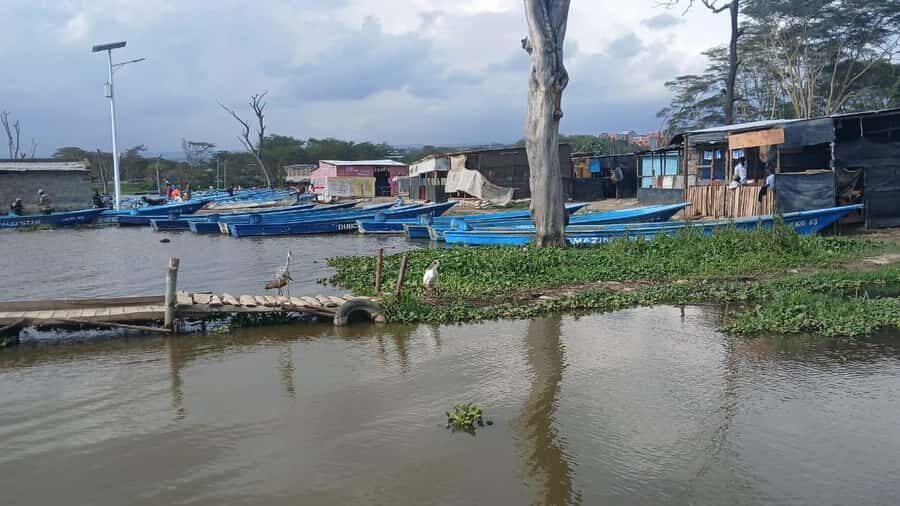
Depending on the route and time, you might also be taken for an optional boat ride on Lake Naivasha for $30 per person. The emphasis here is hippo viewing and bird watching, so it fits well if you like quieter wildlife moments rather than pure chase-and-pounce energy.
Then you settle for the night at Lanet Matfam Resort on the outskirts of Nakuru. It’s a step up from the Mara camping style, and that change can feel good after a couple nights on the plains.
A small heads-up: you’ll likely spend a meaningful chunk of the day in the vehicle. The pop-up roof setup helps for spotting, but you should still bring patience for roads and timing.
Day 4: Lake Nakuru Game Drive—White Rhinos, Rothschild Giraffes, Flamingo Odds
Day 4 starts early. After breakfast, you’ll leave around 7:00 to head into Lake Nakuru National Park for a focused game drive.
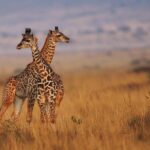
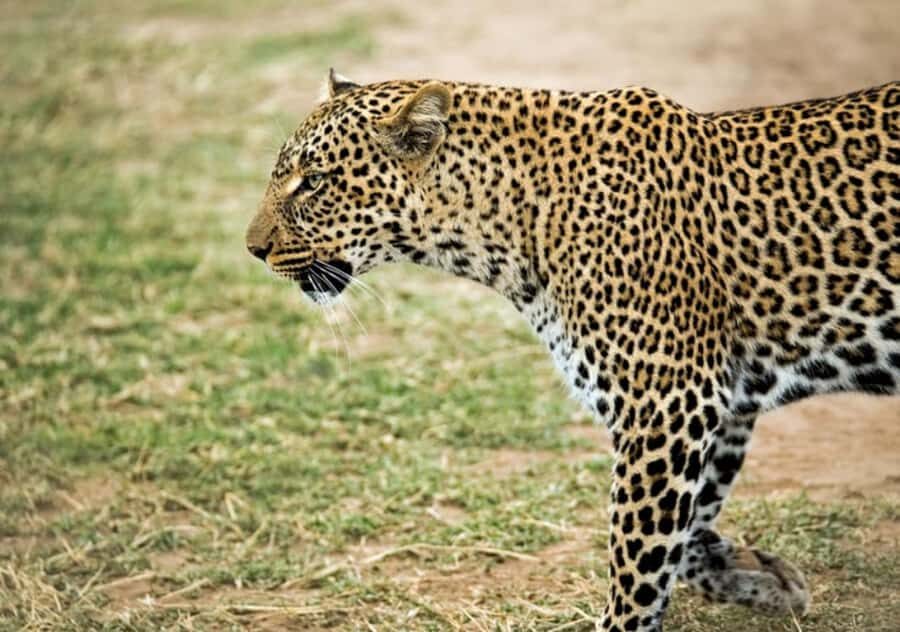
This park run is shorter than the Mara day, but it’s intentionally targeted: Lake Nakuru is known here for rare white rhinos, plus the Rothschild giraffe, also called white socks due to the lack of marks below the knee. If you want sightings that feel a bit more unusual than the usual savanna routine, this day is where that happens.
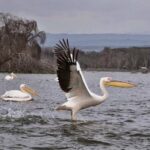
There’s also a possibility of seeing pink flamingos. Flamingos are a seasonal and site-dependent kind of sighting, so think of this as a good chance rather than a guarantee. That said, the park is famous for bird life, and you’ll be in the right area and timeframe for a fair shot.
The game drive at Nakuru lasts about 3–4 hours. Then you head back to Nairobi, with lunch provided on the way at a travelers motel, arriving between 4 and 5 pm depending on traffic.
A few more Nairobi tours and experiences worth a look
Where You Sleep: Self-Contained Mara Tents and Nakuru’s Hotel-Style Stay
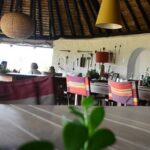
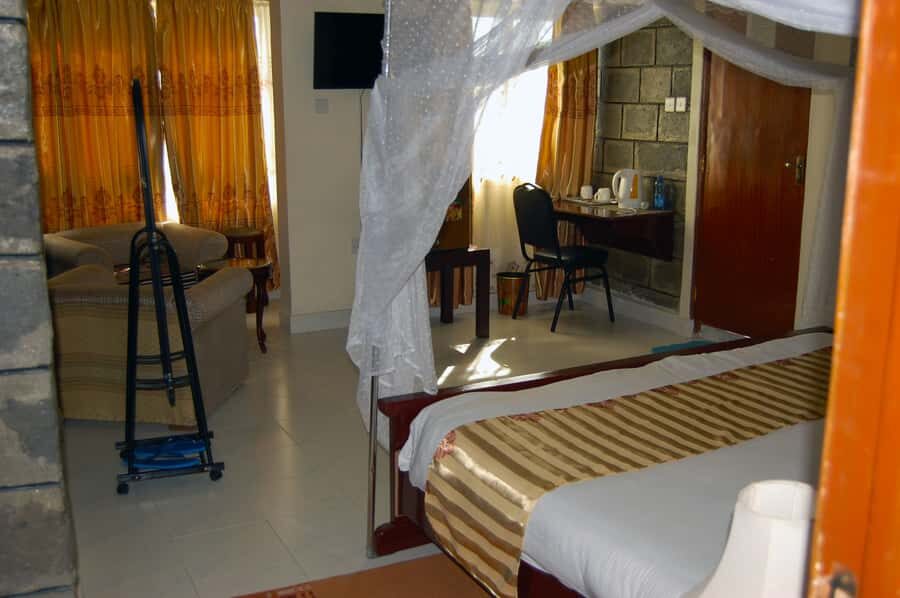
Your Mara nights are in budget camp tents like Enkajiang Camp or Rhino Tourist Camp (or similar). The big practical win is that the tents are described as spacious, self-contained, with bathrooms and electricity. That means you don’t have to choose between “camping” and basic comfort.
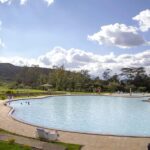
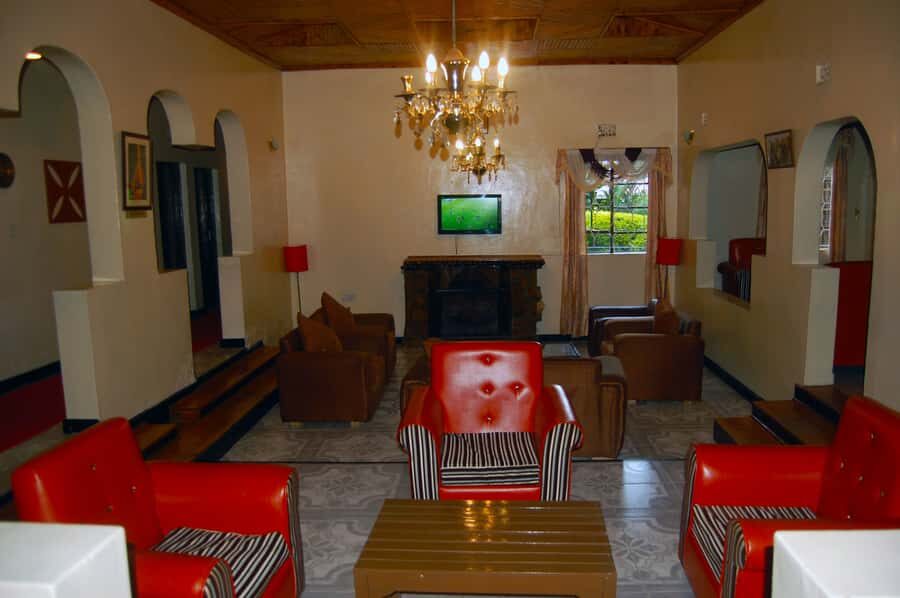
At Nakuru, you’ll sleep at Lanet Matfam Resort, described as a nice hotel on the outskirts of Nakuru town. This gives you a bit of variety in standards: plains camping to park-area hotel, which many people find mentally and physically refreshing after two days of open-safari living.
Still, one review noted occasional issues like water or electricity becoming unavailable in facilities. I’d treat that as a “could happen” reality in any tented camp setting, not a deal-breaker, but it’s smart to pack with that uncertainty in mind.
Safari Vehicle Reality: Pop-Up Roof Viewing and Photo Time
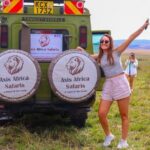
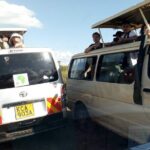
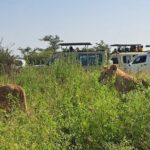
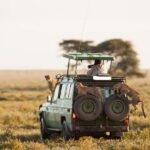
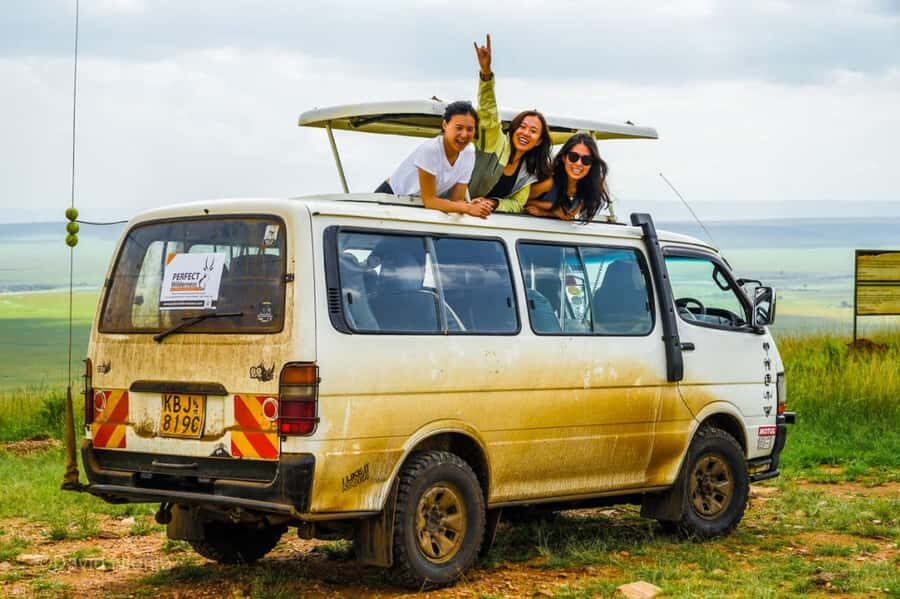
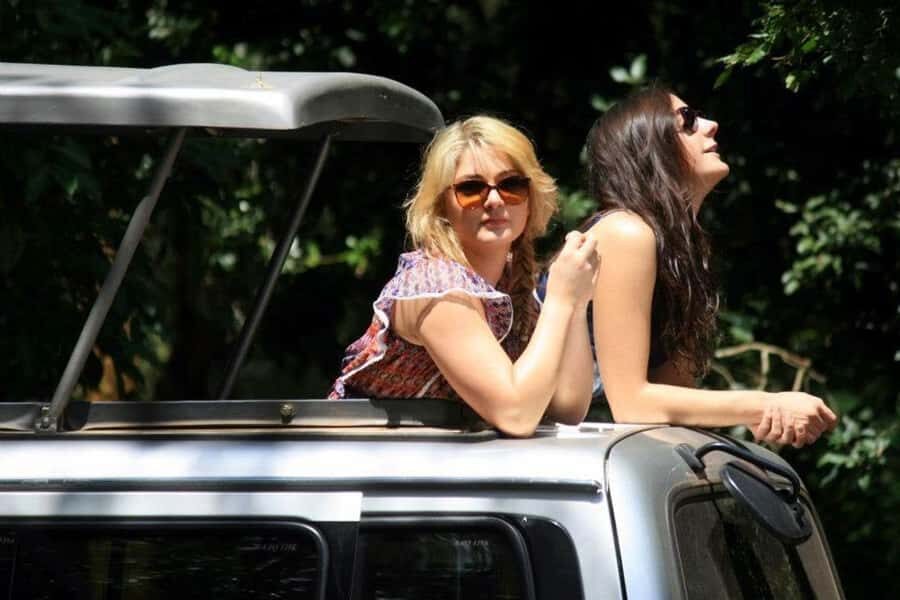
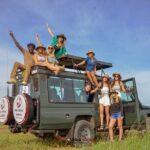
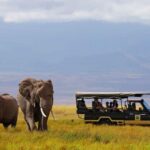
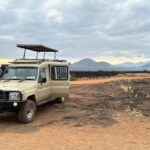
The safari uses a customized safari vehicle with a pop-up roof, designed for better game viewing and photography. This is a big deal in parks like Mara, where the “best” animals can be at the edge of visibility—slightly behind grass, down a slope, or far across a flat.
A pop-up roof also changes the way you experience the drive. You can spot movement quicker, raise your lens faster, and feel more connected to what the guide is scanning for.
If you’re choosing between options (for example a 4×4 Landcruiser Jeep if selected), remember that vehicle type can affect ride feel. One review simply flagged comfort differences between seats, so it’s worth taking a moment to settle into the position that gives you both sightline and comfort.
Meals, Timing, and Comfort on a 4-Day Safari
Food is included across the trip: 4 lunches, 3 dinners, and 3 breakfasts, plus bottled water. Meals are timed around the drives, which is important. You don’t want your best morning game time eaten up by long dining stops.
Day 1 includes a buffet dinner at camp with rest time afterward. Day 2’s picnic lunch in the park is usually the most memorable meal type because it’s eaten while you’re already in the wildlife zone. Day 3 and Day 4 use lunch at travelers motels during the travel segments.
One review highlighted that food was consistently good, and that the last night’s hotel stay felt like a step up. That matches the itinerary design: camp for the Mara experience, then more traditional comfort closer to Nakuru town.
Cost and Value: What $360 Really Means (and Park Fees That Change Everything)
The listed price is $360 per person for the 4-day, 3-night safari. What makes this tricky is that park fees are handled differently depending on your selected option.
Here’s the core math using only what’s provided:
- Park fees are listed as $290 per person for 3 nights in January.
- If your option does not include park fees, you pay $290 during low season (1 Jan–30 Jun).
- If you travel during high season (1 Jul–31 Dec), park fees are $490 per person for 3 nights.
So your rough all-in total (before optional activities like balloon rides) can look like:
- Low season: $360 + $290 = about $650 per person
- High season: $360 + $490 = about $850 per person
That’s the big value question: you’re paying for multi-park access plus a guide and safari transport with wildlife-focused drive time. If the goal is a Big Five hunt with a Mara and Nakuru combo, the structure is built for that purpose—two major ecosystems in four days.
Optional add-ons you should weigh carefully:
- Hot air balloon ride: $435 per person (optional)
- Maasai village visit: $20 (optional)
- Boat ride on Lake Naivasha: $30 per person (optional)
Alcoholic drinks are not included.
Who This Safari Fits Best (and Who Should Think Twice)
This safari fits you best if you want:
- Classic Kenya wildlife with a full-day Mara game drive
- A chance at “hard-to-see” targets like white rhinos and Rothschild giraffes
- Camping-style stays that still include electricity and bathrooms
- A straightforward itinerary that doesn’t overload you with constant transfers
You might want to think twice if:
- You’re very uncomfortable with rougher camping logistics. Even with self-contained tents, one review mentioned water/electricity issues at times.
- You’re extremely sensitive to vehicle ride comfort on long game drives. One review pointed out that seat choice could affect comfort.
Should You Book This Safari?
I’d book it if your priority is straightforward, wildlife-first safari time across Maasai Mara and Lake Nakuru, with real viewing schedules and no complicated hotel hopping. The included guided game drives, bottled water, and meals help make the trip feel complete, not piecemeal.
Before you pay, do two quick checks:
- Confirm whether your selected option includes park fees, because that can swing your real budget a lot.
- If you’re booking for the best comfort, consider how much time you’ll spend in the vehicle and bring gear that makes long days easier.
If that all lines up with your style, this is a solid way to experience Kenya’s top wildlife zones in one short, well-structured run.
FAQ
How long is the safari?
It lasts 4 days with 3 nights.
What places does the itinerary include?
It includes Maasai Mara Reserve and Lake Nakuru National Park, with Nairobi added at the start and end.
Where do I stay during the trip?
In Maasai Mara you stay in spacious self-contained tents at Enkajiang Camp, Rhino Tourist Camp, or similar. In Nakuru you stay at Lanet Matfam Resort on the outskirts of Nakuru town.
Are meals included?
Yes. The package includes 4 lunches, 3 dinners, and 3 breakfasts, plus bottled water.
Is transportation included, and what kind of vehicle is used?
You’re transported in a safari vehicle with a pop up roof. A 4×4 Landcruiser Jeep is included if you select that option.
Do I need to pay park fees?
Park fees depend on the option. If park fees are included, they are listed as included for private options. If not included, you pay the park fees during the trip, with low-season and high-season amounts listed in the package details.
What are the typical optional add-ons?
You can add a Maasai village visit ($20 optional) and a boat ride on Lake Naivasha ($30 per person optional). A hot air balloon ride is also optional at $435 per person.
What wildlife highlights should I expect?
In Maasai Mara you search for Big Five animals and look for predators and savanna wildlife. In Lake Nakuru you’re specifically targeting white rhinos, Rothschild giraffes (white socks), and possibly pink flamingos.
What should I bring?
Comfortable shoes.
What isn’t allowed?
Pets are not allowed.