REVIEW · NAIROBI
Excursion to Kiambethu Tea Farm
Book on Viator →Operated by Safari Port · Bookable on Viator
Tea farms are Kenya’s secret skill.
This Kiambethu Tea Farm excursion is a door-to-door Nairobi day trip to Kenya’s first tea plantation, set up in 1910, where you’ll walk the fields with a guide in a small group (15 max). I love how practical and easy the whole day feels, with hotel pickup and drop-off doing the heavy lifting.
My favorite part is the hands-on farm time: you’ll see tea processing basics, stroll the grounds (including the forest), and even taste African tea before lunch. I also like that the visit mixes plants, animals, and everyday farm life rather than feeling like a single photo stop.
The main drawback is simple: it’s a long day—about 9 hours—and the farm is closed on Mondays and major holidays, so timing matters.
In This Review
- Key highlights you’ll actually care about
- Kiambethu Tea Farm: what the day is really like
- Nairobi to the tea fields: the pickup and pacing
- Why this tour stays personal with a group of 15
- Kiambethu Farm tour: tea rows, trees, and colobus monkeys
- Tea tasting and what to look for while you’re there
- Lunch at the farm: 3-course buffet and farm-fresh focus
- The second stop: seeing daily life beyond the plantation
- Price and value: is $140 fair for what you get?
- The guide makes a difference (and you’ll likely feel it)
- Who should book this Kiambethu tea farm day trip?
- How to get more out of the day (without overthinking it)
- Should you book? My honest take
- FAQ
- How long is the Kiambethu Tea Farm excursion?
- What time does the tour start?
- Is hotel pickup and drop-off included?
- How big is the group?
- What’s included in the price?
- When is Kiambethu Farm closed?
Key highlights you’ll actually care about
- Kenya’s first tea plantation (Kiambethu, founded in 1910), so you’re not just seeing tea—you’re seeing where the story started.
- Small group size (15 max) with a professional guide, which helps you get questions answered on the spot.
- Monkey and bird watching during the walk, including a chance to see colobus monkeys.
- 3-course buffet lunch served after the farm tour, with farm-fresh ingredients.
- African tea tasting plus coffee and/or tea included, so you sample what you’re learning about.
- Door-to-door transfers from Nairobi make it a low-stress day trip.
Kiambethu Tea Farm: what the day is really like
A tea plantation day in Kenya can sound like something you do “because it’s there.” Kiambethu makes it feel more like a working place you can understand in a few hours.
The tour is built around one core idea: trace the path from plant to cup. That means guided walking through the tea areas, time to observe how things are maintained, and a tasting that ties the learning to something you can actually experience.
You also get a guided forest stroll and an eye-out for wildlife—especially colobus monkeys and birds. That mix matters, because otherwise it’s easy for farm tours to feel repetitive. Here, the day has movement, different scenery, and real chances to spot animals.
And it’s structured for comfort. Pickup and drop-off are included, so you’re not stuck negotiating Nairobi traffic or trying to guess schedules.
A few more Nairobi tours and experiences worth a look

Nairobi to the tea fields: the pickup and pacing
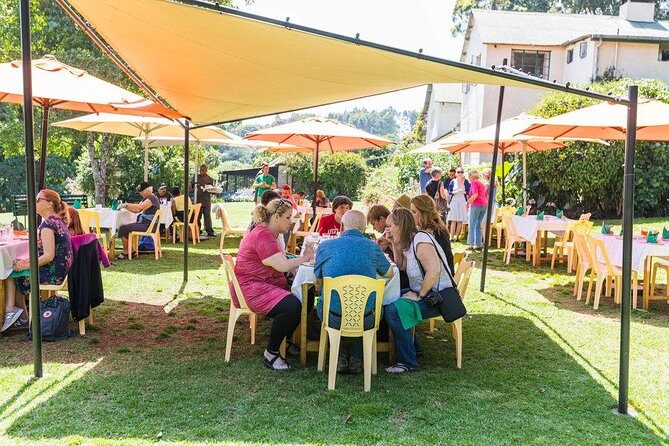
Start time is 9:00 am, and the full excursion runs about 9 hours. That total includes travel time plus the farm visit and lunch, so it’s best thought of as a full day out of the city—not a quick morning break.
You’re picked up from your hotel and dropped back after the tour. Door-to-door transfers are a big deal if you’re trying to keep the day simple, especially if you don’t want to spend your limited time in Kenya figuring out transport.
The tour also stays small-group focused. A group no larger than 15 usually means less crowding at viewpoints, quicker back-and-forth with your guide, and a more natural pace for questions.
One practical point: the farm is closed every Monday, Christmas Day, and Happy New Year’s Day. If your travel dates land on one of those days, you’ll need an alternate plan.
Why this tour stays personal with a group of 15
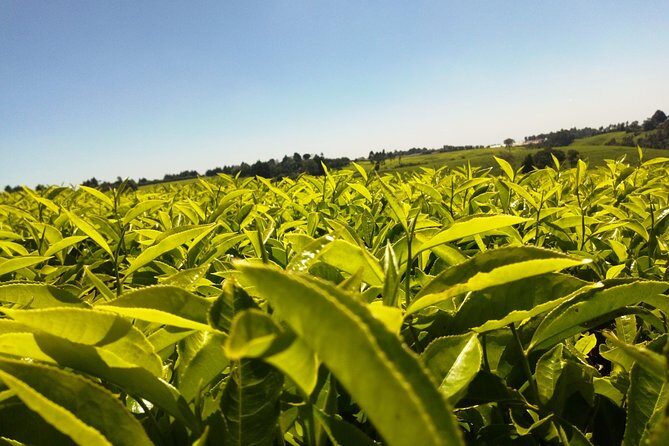
This isn’t a mega-bus excursion. The experience is designed around a group size cap of 15 and a professional guide.
Smaller groups change how the day feels. You’re more likely to hear the explanation clearly as you walk, and you’re not constantly sharing guide attention with a crowd of strangers. It also helps if you’re the type who likes asking follow-up questions while you’re still standing in the middle of the tea rows.
If you’re traveling with kids, the tour notes that children must be accompanied by an adult. With a small group setup, that adult-on-the-ground supervision part is usually easier to manage than on a larger tour.
Kiambethu Farm tour: tea rows, trees, and colobus monkeys
The heart of the day is the Kiambethu Farm visit, which runs about 4 hours. Admission is included, so you’re not arriving and figuring out ticket lines in the middle of your morning.
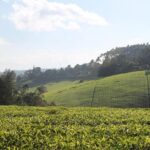
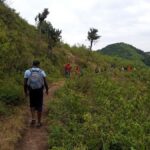
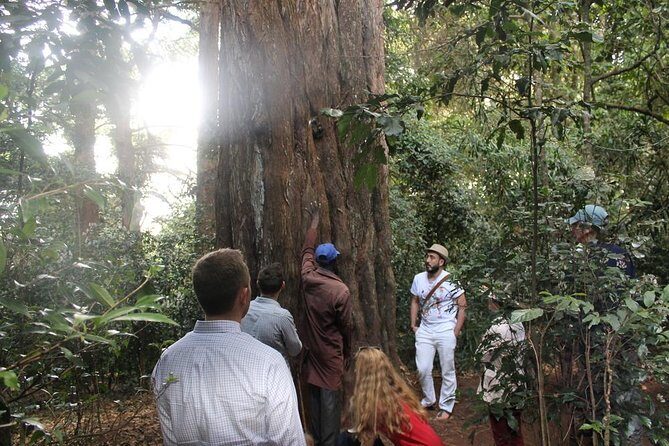
You’ll tour the farm gardens and tea areas with your guide. You can expect to walk through the tea environment while learning how tea is grown and how the farm is managed, then shift to a stroll that includes the forest section.
That forest piece is where the wildlife potential kicks in. The tour specifically mentions looking for colobus monkeys and birds. In practice, this is the part where patience helps. If you hear activity in the canopy, slowing down and watching tends to pay off more than rushing to the next photo spot.
There’s also time to learn about indigenous plants. That’s a useful change of pace from focusing only on tea, and it gives context for the wider ecosystem around the plantation.
Your guide also helps connect the visuals to taste. You get a tasting of African tea during the farm time, which makes the later meal feel linked to what you just saw.
Tea tasting and what to look for while you’re there
The tasting is included, and coffee and/or tea are also part of what’s provided. That means you can plan to actually sample what you came for.
Since you’re with a guide, it’s smart to pay attention during the tasting portion. Ask what flavors are strongest and how the farm’s care shows up in the final cup. Even if you don’t become a tea expert by the end of the day, the tasting should make the tour’s information feel more grounded.
I especially like that this is not just a one-minute sip. It’s placed inside the farm tour experience, so it feels like a “now I get it” moment rather than a random add-on.




Lunch at the farm: 3-course buffet and farm-fresh focus
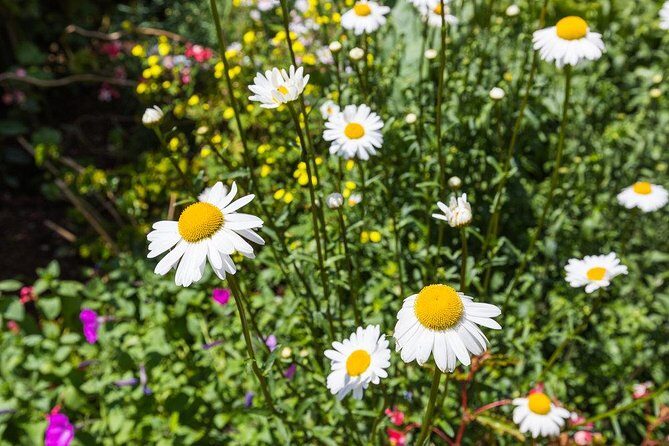
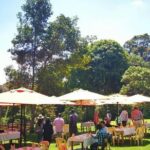
Lunch is a major part of this excursion. You’re getting a 3-course buffet lunch after the tea and garden time, and the tour notes farm-fresh ingredients.
This meal timing works well. You’re out in the countryside doing walking and watching, so having the food after the tour keeps the day from turning into an endurance test. Also, a buffet format typically makes it easier to suit different tastes without delaying everyone.
Because it’s a farm-based lunch, the meal helps close the loop. You’ve been learning about leaves and plants, and then you eat something that’s presented as part of the same day-to-day operation.
If you have dietary restrictions, the data you provided doesn’t spell out specific options. So it’s worth checking with your booking provider when you confirm, especially if you need special meals.
The second stop: seeing daily life beyond the plantation
There’s a second segment after the tea farm visit that’s described as a chance to see how locals live and carry out their normal day-to-day activities.
This is valuable for two reasons. First, it broadens the day beyond the plantation itself. Second, it helps you avoid the “tour-only bubble,” where you only see what’s built for visitors.
The key here is respect. When you’re observing everyday life, keep your tone and movements low-key, and follow your guide’s direction on what’s appropriate to photograph or ask about.
Even without lots of details about the specific location, this stop functions as a reminder that the plantation sits inside a real community, not beside an empty roadside exhibit.
Price and value: is $140 fair for what you get?
The price is $140 per person, with entrance fees and lunch included in the overall package. There’s also an added detail that the entrance fee is listed as $35 per person, and it’s included.
That means a good chunk of the cost isn’t a surprise add-on once you arrive. You’re also paying for practical services: hotel pickup/drop-off, a driver/guide, and a professional guide who leads the tour, handles the tasting, and keeps the day moving.
Value-wise, the real question is whether you’ll benefit from guided time. If you like learning as you walk and you want the day to run smoothly with minimal logistics, this price starts to make more sense quickly. You’re getting a full structured day: transport, entry, lunch, and included drinks.
If you’re the type who prefers self-guided travel and doesn’t care about organized tasting or guided forest walks, you might feel the cost more than you’d like. In that case, you could consider whether a simpler arrangement would fit your style.
But for most people visiting Nairobi who want a clean, door-to-door day that covers tea, nature, and a local-life stop, $140 can feel reasonable.
The guide makes a difference (and you’ll likely feel it)
One review highlights a standout experience with a guide and driver named Obed. The comments praise punctual pickup, a pleasant attitude, and solid explanations during the ride and on-site, with good conversation that made the day more than just a checklist.
That kind of driver-guide quality matters more than people think. When transport is included, your driver’s ability to keep things on time and communicate clearly affects your whole day—especially on a schedule that lasts roughly 9 hours.
If you’re booking and you see reviews naming a guide, that can be a useful indicator of the tone you’ll get. And since this tour includes both a driver/guide and a professional guide, you’re generally better covered than if it were only one person responsible for everything.
Who should book this Kiambethu tea farm day trip?
This tour fits best if you want:
- a structured day trip from Nairobi that doesn’t require planning transport
- tea-focused sightseeing paired with wildlife and forest walking
- a real meal included—3-course buffet lunch—so you’re not scrambling midday
- a small-group experience where you can ask questions
It may be a less ideal match if you only want a quick look at tea and don’t care about guided learning, tastings, or longer walking.
Also, check your calendar. With closures on Mondays and major holidays, it can be harder to fit into certain itineraries.
How to get more out of the day (without overthinking it)
The tour uses smart casual dress code, so plan for clothing you can move in during a guided walk. If you’re bringing camera gear, remember that souvenir photos are listed as something you can purchase separately.
If you’re a bird or monkey watcher, stay patient during the forest stretch. The tour is explicit about looking out for birds and colobus monkeys, and that works best when you slow down and watch rather than sprint from one spot to the next.
Finally, treat lunch as part of the experience. Because it’s a farm-style buffet after the tour, it’s where the day’s lessons settle in.
Should you book? My honest take
I’d book this if you want an easy Nairobi day trip that gives you more than a “tea leaf souvenir.” The mix of tea farm gardens, a forest walk with wildlife potential, indigenous plants, tea tasting, and a 3-course buffet lunch makes it feel like a full, well-paced day.
I’d think twice only if you’re sensitive to long days or if your dates include a Monday (or Christmas/New Year’s closings). Otherwise, the door-to-door setup plus the small group size makes it a strong pick for a first-time tea plantation visit in Kenya.
FAQ
How long is the Kiambethu Tea Farm excursion?
It runs for about 9 hours total, with the Kiambethu Farm portion lasting about 4 hours.
What time does the tour start?
The start time is 9:00 am.
Is hotel pickup and drop-off included?
Yes, hotel pickup and drop-off are included, along with door-to-door round-trip transfers from Nairobi.
How big is the group?
The tour is designed for a group no larger than 15.
What’s included in the price?
Lunch, the driver/guide, a professional guide, coffee and/or tea, hotel pickup and drop-off, and entrance fee (listed as 35 USD per person) are included.
When is Kiambethu Farm closed?
It is closed every Monday, on Christmas Day, and on Happy New Year’s Day.